
felt supplier
2024Years
K-Back Established
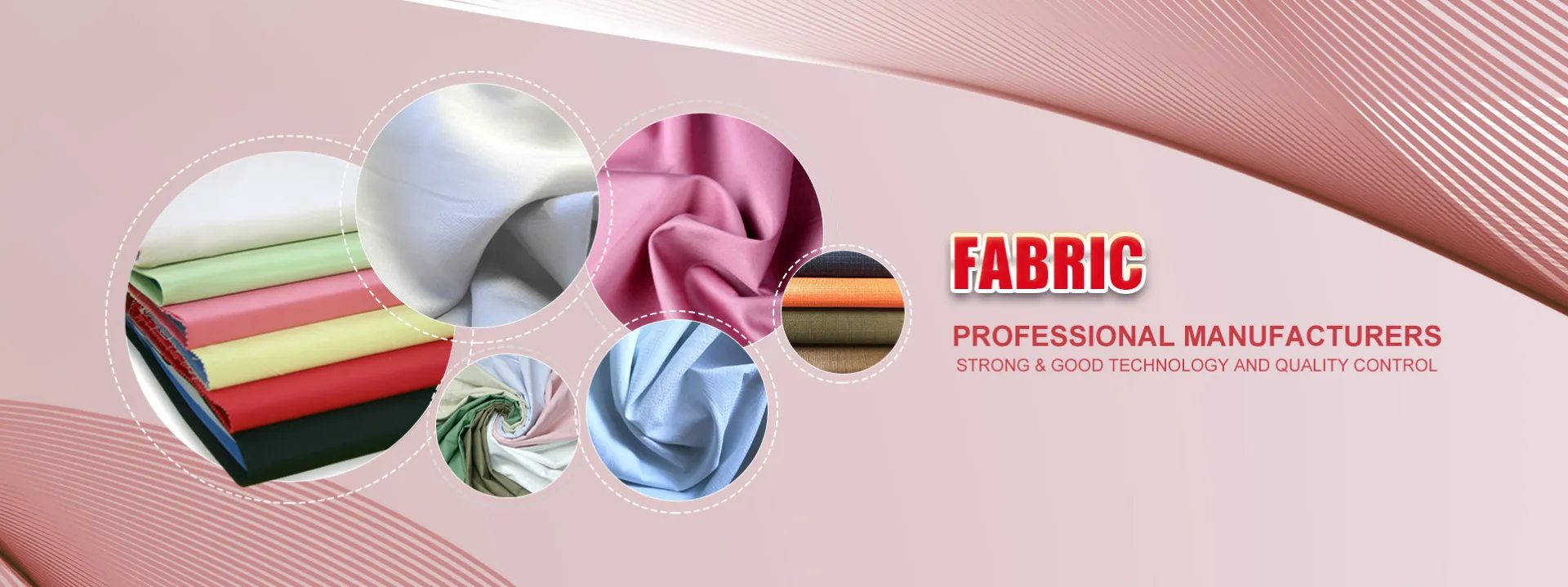
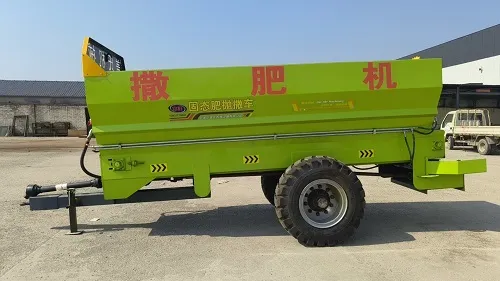
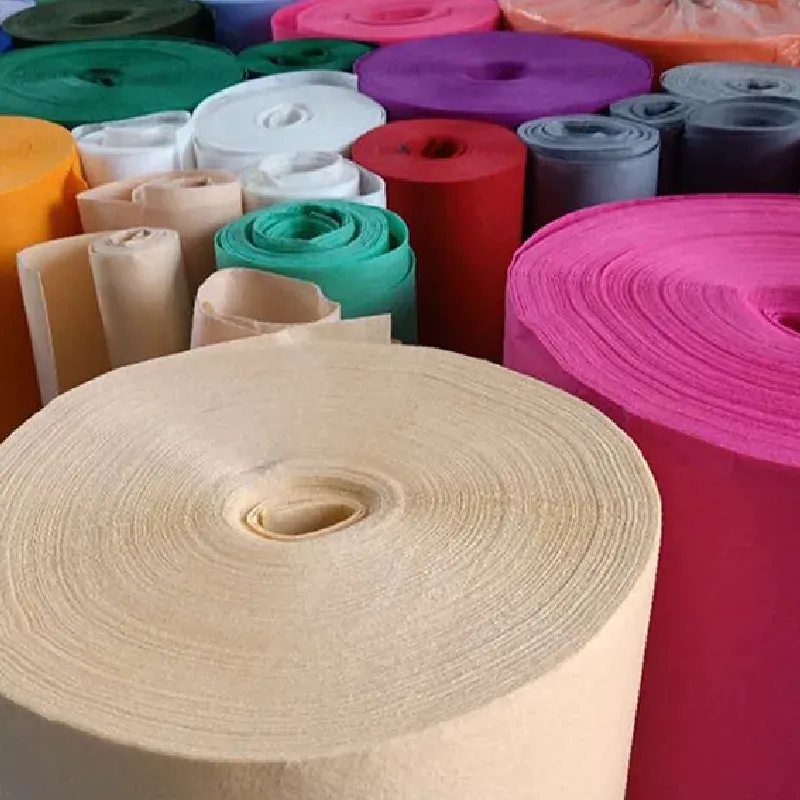
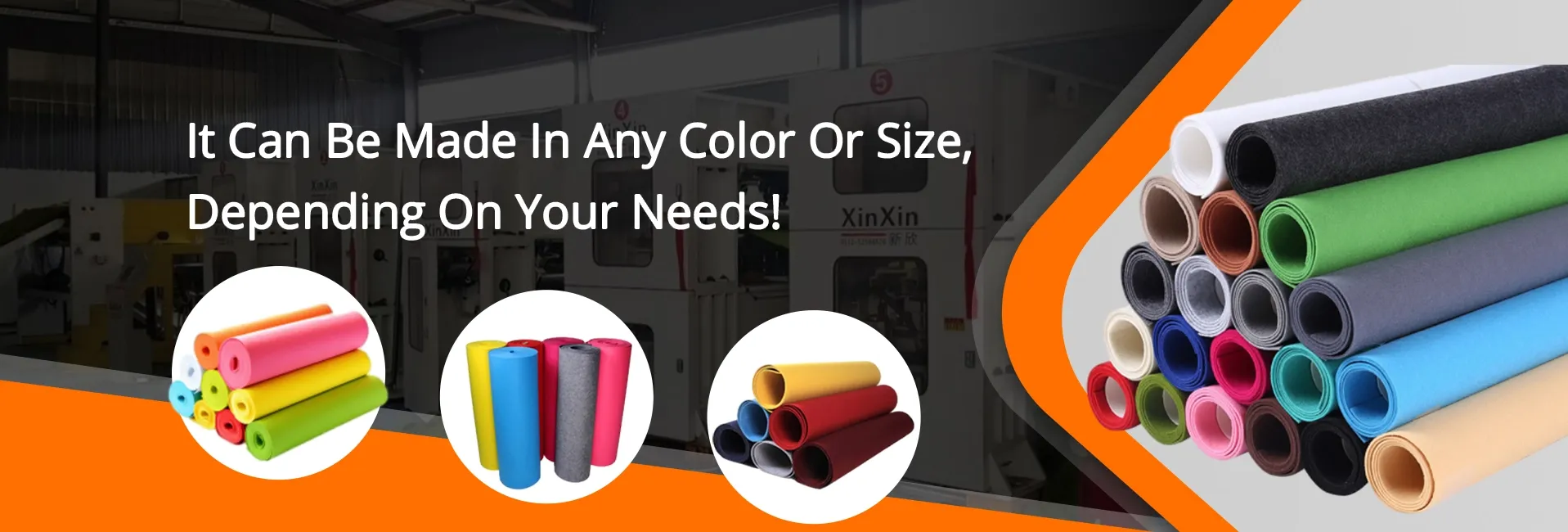
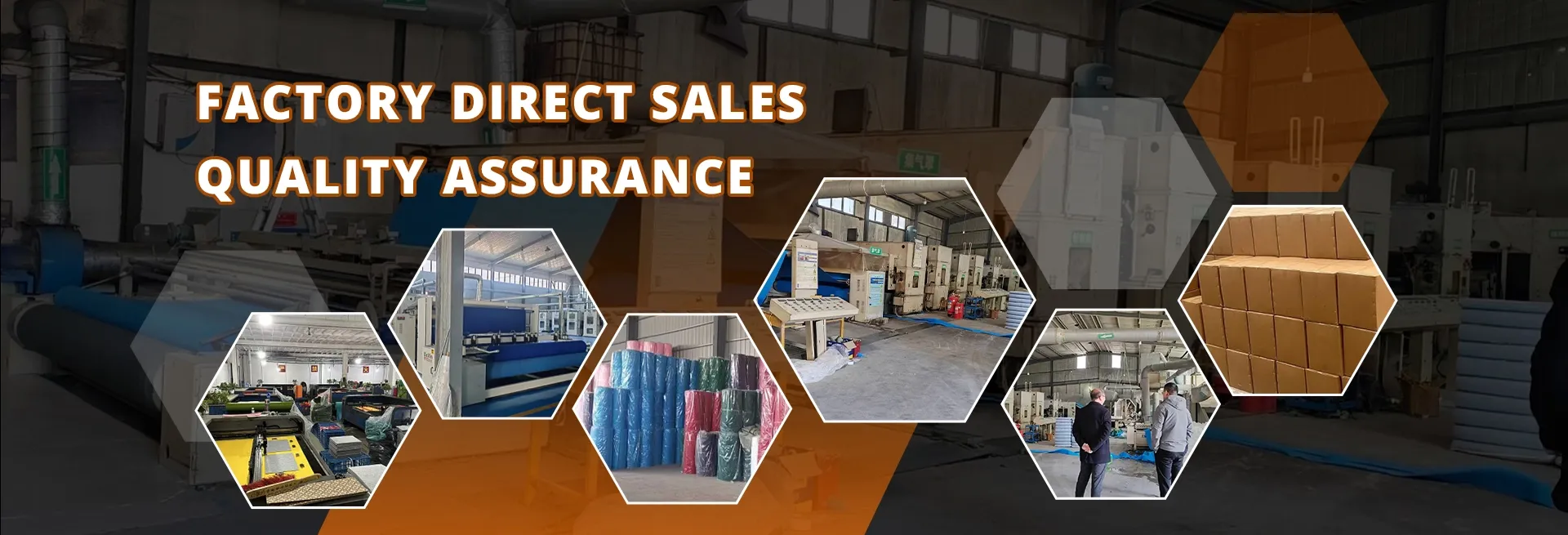
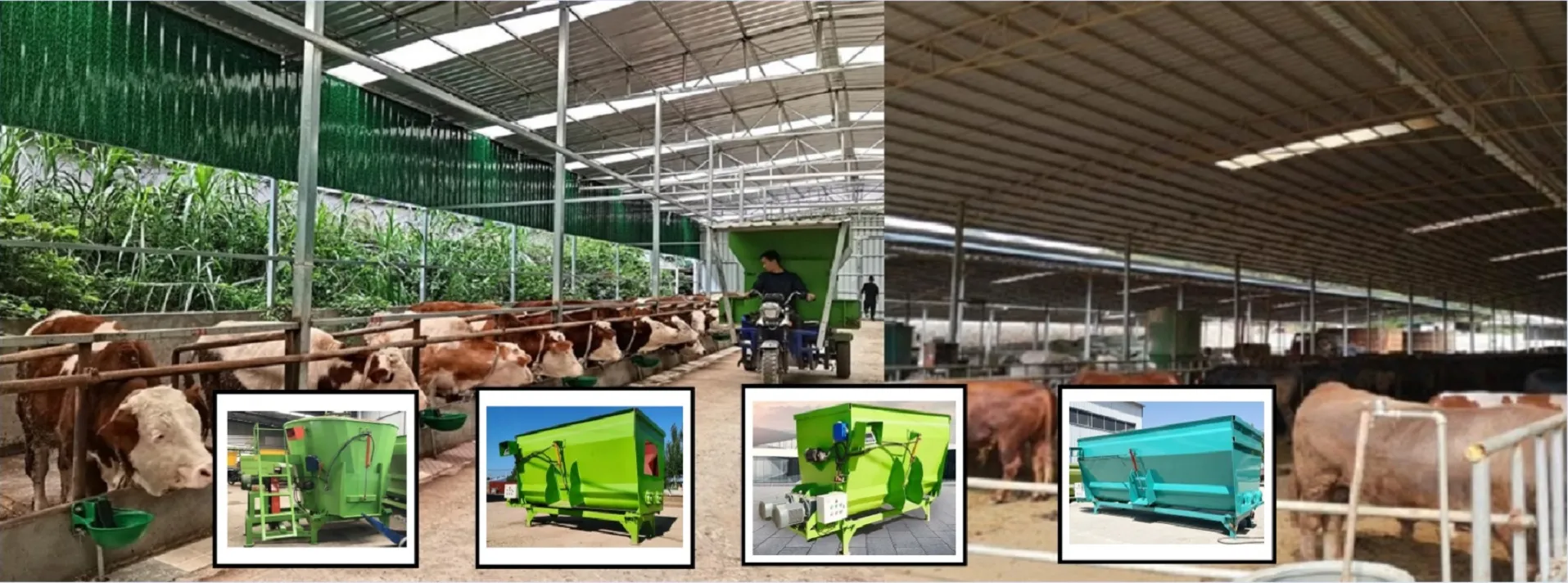
Hebei K-back Technology Co., Ltd. has established itself as a leading provider of high-quality felt products, catering to the discerning needs of customers worldwide. With a strong commitment to excellence and a meticulous attention to detail, the company has earned a stellar reputation in the industry. Hebei K-back’s comprehensive product portfolio includes a wide range of felt products, such as fine white industrial felt, pure wool felt, coarse felt, soft felt, stainless steel felt, felt wheel, and various specialized varieties including pure wool calligraphy and painting felt, colored chemical fiber felt, marble polished felt, felt sealing gaskets, felt strips, machine-made felt, oil-absorbing felt, special-shaped felt, cold-proof felt, chemical fiber felt, and felt insoles. In the world of agriculture, the use of advanced machinery has become essential for increasing efficiency and productivity. Machinery plays a crucial role in various agricultural processes, from soil preparation to harvesting. In addition, the cooperation with Shijiazhuang Gaishi Machinery Equipment Co., Ltd. has enabled the design and production of a wide range of agricultural machinery, catering to the diverse needs of farmers.single-shaft and double-shaft full mixed ration preparation machines, fertilizer spreaders,the mobile feed mixers, motorized and electric spreaders, self-propelled manure trucks,silage reclaimers and cylinder crushers and so on.
  • 2024
    K-Back Established
ABOUTUS

ARES Professional Pool Cue precision is not born in a vacuum—it begins with the surface. Every sport, every workshop, every industrial floor that demands exacting standards shares one quiet common denominator: engineered felt and performance matting that rarely gets the attention it deserves. Without it, even the finest tools and talents falter.

Walk through any fabrication shop, professional sports venue, or high-end hospitality space, and you will find layers of compressed wool, synthetic fiber blends, and dense padding materials working silently beneath the action. These materials absorb shock, dampen vibration, reduce noise, and create the stable, predictable surfaces that professionals across dozens of industries depend on every single day. Yet the conversation around technical felt and industrial matting remains strangely muted—until something goes wrong.

Close-up of premium engineered felt surface with fine fiber texture showcasing density and precision craftsmanship for performance applications

The Material Science Hiding in Plain Sight

Technical felt is not the craft-store fabric most people picture when they hear the word. Industrial-grade felt—whether produced from merino wool, polyester blends, or advanced aramid fibers—undergoes a tightly controlled manufacturing process involving heat, pressure, and needle-punching techniques that determine its density, resilience, and surface uniformity. The difference between a mat that lasts six months and one that performs flawlessly for a decade lies in micron-level fiber alignment and compression ratios that manufacturers guard as proprietary trade secrets.

Wool felt, in particular, retains a unique position in the materials hierarchy. Its natural crimp structure creates millions of microscopic air pockets that deliver exceptional rebound characteristics and thermal stability. Synthetic alternatives—predominantly polyester and polypropylene needle-punch felts—offer superior moisture resistance and can be engineered for specific durometer ratings, making them indispensable in environments where humidity or chemical exposure would degrade natural fibers. The mat industry has quietly become a realm of serious engineering, where polymer chemists and textile engineers collaborate to solve problems most end-users never even recognize existed.

Why Density and Fiber Composition Dictate Performance

Two felt panels can look identical to the naked eye and behave completely differently under load. Density—measured in grams per square meter—is the single most telling metric for any performance felt or mat product. A high-density wool felt panel rated at 800 GSM or above will resist compression fatigue far longer than a 400 GSM alternative, maintaining its dimensional stability through thousands of impact cycles. This matters whether you are protecting a concrete warehouse floor from pallet drops or ensuring a playing surface remains tournament-true after years of use.

Fiber length also plays an outsized role. Longer staple fibers, particularly in wool felts, create a more cohesive interlocking matrix during the fulling and needling processes. The result is a surface less prone to pilling, shedding, or developing thin spots over time. For mat products destined for high-traffic commercial environments—hotel lobbies, restaurant kitchens, manufacturing aisles—this translates directly into lower replacement costs and fewer safety incidents caused by uneven or worn-down padding.

Acoustic Dampening and the Quiet Revolution in Mat Design

One of the fastest-growing applications for advanced felt and composite matting lies in acoustic management. Open-plan offices, recording studios, medical facilities, and even residential construction projects increasingly specify dense felt underlayments not merely for comfort underfoot but for their sound-deadening properties. The porous structure of needle-punched felt traps and dissipates sound wave energy across a broad frequency spectrum, reducing both impact noise and ambient reverberation in ways that foam and rubber products often cannot match at comparable thicknesses.

This acoustic dimension has opened entirely new market segments for traditional felt manufacturers. Architects now specify recycled polyester felt panels as both functional acoustic treatments and design-forward wall coverings, blending sustainability credentials with measurable noise reduction coefficients. The humble mat has evolved into a sophisticated building material, and the companies that recognized this shift early are now supplying projects that range from Fortune 500 headquarters to boutique concert halls.

Where Precision Surfaces Meet Precision Sport

Perhaps nowhere is the relationship between a surface and its user more intimate than in cue sports. The felt stretched across a billiard table is not decorative—it is a functional interface that governs ball speed, spin retention, and trajectory consistency. A deviation of even half a millimeter in felt uniformity across a nine-foot playing surface can alter roll behavior enough to affect tournament outcomes. This is why premium table manufacturers invest so heavily in sourcing and validating their playing surfaces.

Tables from storied names like Brunswick Billiard Tables have long set the benchmark for what a professional-grade playing surface should deliver. The felt specifications for such tables are extraordinarily tight: directional nap consistency, colorfastness under prolonged lighting, resistance to cue-chalk abrasion, and the ability to maintain tension across seasonal humidity fluctuations. These are not off-the-shelf materials—they are textiles engineered to a performance brief that rivals what aerospace and medical industries demand from their suppliers.

The felt on a championship table must also interact predictably with the balls, the cushions, and the cues that strike across it. Every component in that ecosystem—from the slate bed to the rail rubber to the cloth itself—represents a node in a finely tuned mechanical system. When any single node underperforms, the entire playing experience degrades. This systems-thinking approach to surface engineering is something the broader mat and felt industry would do well to study and adopt across other verticals.

The Overlooked Supply Chain Behind Premium Mat Products

Behind every high-performance felt panel and industrial mat sits a global supply chain that most buyers never examine. Raw wool sourced from specific sheep breeds in Australia and New Zealand, synthetic fiber extrusion facilities in East Asia, needle-punching lines calibrated to tolerances measured in microns—these are the invisible infrastructure that determines whether a mat product meets its specifications or falls short.

Manufacturing consolidation over the past two decades means that a relatively small number of specialist factories now produce the technical felts that flow into dozens of downstream industries. These facilities often hold certifications for quality management and environmental compliance that far exceed what casual observers would expect from a "felt factory." In-house testing laboratories subject every production batch to abrasion resistance trials, tensile strength measurements, and accelerated aging protocols before releasing material to clients. The days of felt being a commodity product are long gone—today's market demands documented performance data and full material traceability.

Sustainability Is Reshaping the Felt and Mat Industry

Environmental considerations are rapidly transforming how felt and mat products are designed, manufactured, and marketed. Recycled PET felt—produced from post-consumer plastic bottles—has emerged as a legitimate alternative to virgin polyester in many applications, particularly in acoustic paneling and non-critical padding roles. The carbon footprint advantage is substantial: producing recycled PET felt requires roughly 60% less energy than virgin polyester felt and diverts waste from landfill streams.

Natural wool felt, meanwhile, benefits from wool's inherent biodegradability and renewable sourcing. Progressive manufacturers are now obtaining wool from farms certified for regenerative grazing practices, layering an additional sustainability narrative onto an already environmentally favorable material. For procurement managers under pressure to meet ESG targets, these material choices are becoming strategic differentiators rather than afterthoughts.

What the Next Decade Holds for Engineered Surfaces

The convergence of material science, sensor technology, and data analytics is beginning to touch even the traditionally analog world of felt and matting. Researchers are experimenting with conductive fibers woven into industrial mats that can monitor foot traffic patterns, detect moisture intrusion, or measure compression fatigue in real time. Smart surfaces that communicate their own condition and predict maintenance needs before failure occurs are no longer science fiction—they are active areas of commercial development.

For industries that depend on precision surfaces—whether a restaurant kitchen needing anti-fatigue mats that hold up to 14-hour shifts, a manufacturing floor requiring static-dissipative work surfaces, or a competition-grade billiard hall where every roll of the ball must be true—the future promises materials that are not only more durable but more intelligent. The companies that bridge traditional textile craftsmanship with modern engineering rigor will define the next generation of what a simple "mat" or "felt" can be.

The engineered surfaces we walk on, work on, and play on shape outcomes far more than we tend to acknowledge. Understanding what lies beneath is the first step toward demanding better from the materials that support every precision pursuit.


Acoustic Panel solutions have transformed how industries manage sound, friction, and surface protection. From automotive interiors to architectural acoustics, the role of engineered felt continues to expand. Manufacturers and designers increasingly turn to specialized felt materials to solve longstanding performance challenges. The shift toward sustainable, high-durability materials has opened new possibilities for felt across multiple sectors, making it a cornerstone material in modern production environments.

Industrial felt products including acoustic panels, polishing felts, and felt belts in a manufacturing setting

Felt, one of the oldest engineered textiles known to humanity, has undergone a remarkable renaissance. Modern manufacturing techniques have elevated this humble material into a precision component capable of meeting stringent industrial specifications. Unlike woven fabrics, felt is produced through a process of matting, condensing, and pressing fibers together, resulting in a non-woven structure with unique properties. This structure gives felt exceptional sound absorption, vibration dampening, thermal insulation, and abrasion resistance, making it indispensable in environments where performance and reliability are paramount.

The Expanding Role of Technical Felt in Industry

Technical felt has moved far beyond traditional craft and apparel uses. Today industries from aerospace to precision manufacturing depend on specially engineered felt components. Polishing felt, for instance, has become essential in optical and jewelry finishing, where consistent surface quality directly impacts product value. Manufacturers of medical devices, electronic components, and automotive parts specify particular felt densities and fiber compositions to achieve exact performance outcomes.

The versatility of felt stems from its customizable nature. By selecting different fiber types, adjusting density, varying thickness, and applying treatments, producers can tailor felt to precise requirements. Wool felt offers natural resilience and moisture wicking. Polyester felt delivers chemical resistance and dimensional stability. Blended felts combine properties to meet unique application demands. This adaptability makes felt a go-to material for engineers seeking reliable, cost-effective solutions.

Felt in Acoustic Management: A Quiet Revolution

Noise pollution has emerged as a critical concern in workplaces, public venues, and residential buildings. Open-plan offices, restaurants, auditoriums, and recording studios all benefit from strategic acoustic treatment. Polyester acoustic panels made from compressed felt fibers offer an elegant solution. They absorb sound across a wide frequency range, reducing echo and improving speech clarity. Unlike foam alternatives, felt panels are durable, non-toxic, and can be manufactured in diverse shapes and colors to complement interior design.

Architects and interior designers increasingly specify felt acoustic solutions for their sustainability profile. Many felt panels are produced from recycled PET fibers, contributing to LEED certification points and corporate sustainability goals. The material is also fully recyclable at end of life, closing the loop on material usage. For businesses looking to improve workplace acoustics without sacrificing aesthetic quality, felt presents a compelling option that aligns with environmental responsibility.

Seamless Felt Belts: Engineering Continuous Motion

In manufacturing environments, seamless felt belts play a critical role in material handling and product finishing. These belts are engineered for continuous operation in demanding conditions, providing consistent tension, tracking, and surface contact. Industries ranging from woodworking to textiles rely on seamless felt belts for sanding, polishing, and conveying applications. The absence of seams eliminates weak points, reduces vibration, and extends belt service life, directly improving production uptime.

The manufacturing process for seamless felt belts requires precision control over fiber orientation, density, and thermal bonding. High-quality belts maintain dimensional stability even under heat and pressure, ensuring consistent performance over thousands of operating hours. For operators seeking to reduce maintenance frequency and improve output quality, investing in premium felt belts delivers measurable return through reduced downtime and fewer rejected products.

Polishing Felt: Surface Finish Excellence

Achieving mirror-like finishes on metals, glass, ceramics, and precious stones demands the right polishing medium. Polishing felt has long been the preferred material for critical surface finishing operations. Its uniform structure distributes polishing compound evenly, preventing scratches and ensuring consistent results. From eyeglass lenses to surgical instruments, components that demand flawless surfaces depend on quality polishing felt to meet specification.

The density and fiber composition of polishing felt directly influence finish quality. Softer felts are suited for final polishing stages, while denser felts handle initial cutting and intermediate finishing. Manufacturers offering a range of polishing felt grades enable technicians to select the exact material for each stage of the finishing process. This precision approach reduces processing time and material waste while delivering superior results.

Felt in Storage and Organization

Beyond industrial applications, felt has found a natural home in storage and organization products. The material's softness protects delicate items from scratches, while its structure provides cushioning and shape retention. Felt Bag & Storage solutions have gained popularity among consumers seeking durable, eco-friendly organization options. The material's natural ability to absorb moisture and resist odor makes it particularly suitable for storage applications.

Retailers and commercial spaces also benefit from felt display and storage solutions. The material's aesthetic appeal, combined with its functional properties, makes it ideal for showcasing products while protecting inventory. Custom felt inserts, dividers, and organizers help businesses maximize storage efficiency while maintaining a professional appearance.

Global Supply Chain Considerations for Felt Procurement

Organizations sourcing felt products for industrial or commercial use face several important considerations. Consistency of quality, reliable supply, and the ability to customize specifications rank high on procurement priority lists. Global buyers have increasingly looked to manufacturers with integrated production capabilities, from fiber processing through final fabrication. Facilities operating multiple production lines and employing experienced technical teams offer advantages in quality control and delivery reliability.

The felt industry has seen significant consolidation of expertise in regions with long textile traditions. Manufacturers in Hebei province, China, for example, have developed specialized knowledge in felt production spanning decades. Companies operating within free trade zones benefit from streamlined logistics and direct access to international shipping routes, enabling efficient service to customers across Europe, North America, and Southeast Asia. Buyers working directly with felt producers gain access to factory-direct pricing and engineering support without intermediary markups.

Customization capability has become a key differentiator in the felt market. Leading manufacturers offer tailored solutions in sizes, shapes, colors, and densities to meet specific application requirements. Low minimum order quantities allow businesses of all scales to access custom felt products. Fast shipping and responsive technical support further enhance the value proposition for global buyers seeking reliable felt supply partners.

Future Trends in Felt Material Innovation

The felt industry continues to evolve, driven by technological advancement and changing market demands. Sustainability has emerged as a primary innovation driver. Manufacturers are developing felts from recycled ocean plastics, biodegradable natural fibers, and hybrid materials that combine performance with environmental responsibility. These innovations appeal to environmentally conscious buyers without compromising functional characteristics.

Digitalization is also reshaping feel production. Advanced manufacturing systems enable precise control over fiber orientation, density gradients, and surface treatments. Computer-controlled cutting and shaping allow for complex geometries that were previously impossible or cost-prohibitive. These capabilities open new applications for felt in industries such as electronics, renewable energy, and advanced medical devices.

The integration of smart materials presents another frontier. Research into conductive felts, temperature-responsive fibers, and self-monitoring materials could expand felt's role in sensing, protection, and adaptive systems. As these technologies mature, felt will likely find applications in smart buildings, wearable technology, and industrial Internet of Things (IoT) implementations.

Selecting the Right Felt Partner

For organizations integrating felt into their products or operations, partner selection carries significant weight. Evaluation criteria should include production capacity, quality certification, customization flexibility, and track record in the specific industry application. Manufacturers with export experience spanning multiple continents often possess the logistical expertise and cultural awareness to serve international clients effectively.

Customer references and reorder rates provide valuable insight into supplier reliability. High repeat business rates indicate consistent quality and service satisfaction. Direct communication with technical teams helps clarify specifications and ensures the chosen felt product meets application requirements. Sample testing before full production commitment allows for validation of performance characteristics in real-world conditions.

The felt supply landscape continues to mature, with established producers investing in capacity expansion and quality improvement. Organizations that invest time in supplier evaluation and specification development position themselves to benefit from felt's unique combination of performance, sustainability, and value. In an era where material choices directly impact product quality and operational efficiency, felt deserves careful consideration from engineers, designers, and procurement professionals alike.

This article explores the practical applications of engineered felt materials across industrial and commercial sectors. For specific technical specifications or customization inquiries, consulting with experienced felt manufacturers is recommended.

Bed Linen standards have long set the benchmark for textile consistency and softness, but the felt and padding sector is equally demanding. From automotive underlayments to acoustic panels and floor protection, industrial-grade felt materials must deliver durable performance without compromising on eco‑friendliness or cost‑efficiency.

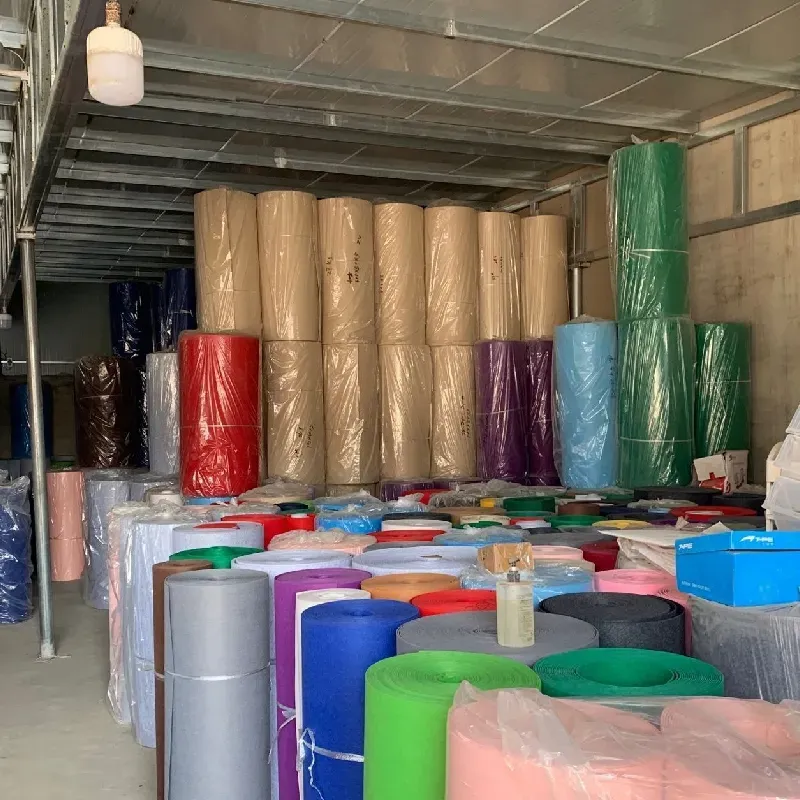
Rolls of industrial felt and padding material on a warehouse floor

Why Material Consistency Matters in Felt Manufacturing

Felt and padding products are used in environments where even slight variation in thickness or density can affect performance – think vibration dampening in machinery or soundproofing in recording studios. Unlike commodity consumer goods, industrial felt must comply with strict tolerances. This is where vertically integrated producers excel: tight control over fiber sourcing, blending, and needle‑punching ensures every batch meets specifications.

In the textile world, the principles of repeatable quality are universal. A company that manages 126,000 sheet sets per month with 98% on‑time delivery – such as Hotel Linen specialist Longshow Textiles – demonstrates the operational discipline that felt makers can learn from.

Key Quality Indicators for Industrial Padding

  • Density uniformity – variations under 5% across roll width and length.
  • Compression recovery – after repeated loading, thickness must return to within 90% of original.
  • Flame retardancy – often required for building and transport applications.
  • Low off‑gassing – volatile organic compounds (VOCs) must be minimal, especially in enclosed spaces.

Sustainability Trends Driving Material Innovation

A growing number of end‑users demand recycled content in their felt products. Post‑consumer PET bottles are now routinely converted into polyester fiber for needle‑punched felts. Meanwhile, natural fibers like jute, wool, and hemp are being blended with synthetic to achieve specific acoustic or thermal properties. The challenge lies in maintaining consistent fiber performance across batches, which relies on deep supplier relationships and rigorous quality assurance.

Just as bedding fabric experts collaborate with raw material mills to customize blends (cotton, linen, bamboo, microfiber), felt manufacturers must work closely with fiber suppliers to lock in specifications. This kind of supply chain integration is already standard practice among leading textile groups with multiple factories.

The Role of Third‑Party Certifications

OEKO‑TEX Standard 100 and SGS certification have become baseline requirements in export markets. They assure customers that no harmful substances are present in the final product, and that production processes meet ethical and environmental criteria. For felt producers targeting hospitality, healthcare, or education sectors, these certifications are non‑negotiable. They also provide a competitive edge when bidding on government or large‑scale projects.

In the end, whether the material is a microfiber towel or a dense industrial pad, the underlying principles remain the same: rigorous process control, reliable supply chain, and a commitment to consistency create a product that earns trust.


This article is contributed by an industry observer with experience in textile manufacturing and material science. Opinions are for informational purposes only.

Cotton Bedding Sets and industrial textiles like burlap and felt occupy different ends of the fabric spectrum, yet they share a common foundation in fiber technology and weaving expertise that has evolved dramatically over the past century. Understanding this evolution helps manufacturers and specifiers make informed choices about materials for protective, packaging, and industrial applications.

Industrial textile rolls including burlap, felt, and cotton fabrics in a manufacturing facility

Burlap, also known as hessian, is one of the oldest industrial textiles still in widespread use. Made from jute, sisal, or hemp fibers, burlap bags have been used for centuries to transport agricultural goods, coffee beans, potatoes, and grains. Their coarse weave allows airflow while providing structural strength, making them ideal for packaging produce and dry goods. But burlap is just the beginning of a much larger story about how fabrics serve industrial and protective functions.

What Are Burlap Bags Used For?

Burlap bags have a remarkably diverse range of applications that extend far beyond simple packaging. In agriculture, they are used for storing onions, potatoes, and other root vegetables because the natural jute fibers allow moisture to escape while preventing rot. Coffee exporters have relied on burlap sacks for centuries, as the material breathes and preserves the beans' quality during long-distance shipping.

Beyond agriculture, burlap has found new life in erosion control, where the fabric is laid over soil to prevent runoff while allowing vegetation to grow through. In landscaping, burlap is used to wrap tree roots during transplanting, protecting delicate root systems while maintaining moisture balance. The construction industry uses burlap for concrete curing, keeping freshly poured slabs moist during the hardening process. And in the world of crafts and decor, burlap has become a popular rustic material for table runners, curtains, and upholstery accents.

The versatility of burlap lies in its natural fiber composition. Jute, the primary material used in burlap, is a long, soft, shiny plant fiber that can be spun into coarse, strong threads. These threads are woven in a plain or twill pattern to create a fabric that is both durable and breathable. However, burlap does have limitations — it can be rough against the skin, it sheds fibers, and it is not suitable for applications requiring fine detailing or high tensile strength.

What Are the 3 Main Types of Fabric?

Understanding the three main categories of fabric — natural, synthetic, and blended — is essential for selecting the right material for any industrial or protective application. Each category offers distinct properties that make it suitable for specific uses.

Natural Fabrics

Natural fabrics are derived from plant or animal sources. Cotton, linen, wool, silk, jute, and hemp are the most common examples. These fabrics are prized for their breathability, comfort, and biodegradability. Cotton is widely used in apparel, home textiles, and industrial wipes. Linen, made from flax, is stronger and more absorbent than cotton. Jute and hemp are used primarily for industrial textiles like burlap, rope, and packaging materials. Wool offers natural insulation and flame resistance, making it valuable for protective clothing and felt products. Natural fabrics are renewable and sustainable, but they can be susceptible to moisture damage, mold, and UV degradation without proper treatment.

Synthetic Fabrics

Synthetic fabrics are manufactured from chemical compounds, typically derived from petroleum. Polyester, nylon, acrylic, polypropylene, and aramid are among the most common synthetics. These fabrics are engineered for specific performance characteristics: polyester offers excellent durability and wrinkle resistance; nylon provides high tensile strength and abrasion resistance; polypropylene is lightweight and moisture-wicking; aramid fibers like Kevlar deliver exceptional heat and cut resistance. Synthetic fabrics dominate industrial applications where strength, chemical resistance, and longevity are required. Felt made from synthetic fibers is used extensively in automotive, construction, and manufacturing for padding, insulation, and filtration.

Blended Fabrics

Blended fabrics combine natural and synthetic fibers to leverage the advantages of both. Cotton-polyester blends are among the most common, offering the comfort of cotton with the durability and wrinkle resistance of polyester. In industrial contexts, blends are engineered for specific performance criteria. For example, a cotton-nylon blend might be used for work gloves that need both comfort and abrasion resistance. Blended fabrics allow manufacturers to fine-tune properties like breathability, strength, stretch, and moisture management. The ability to customize blends has made them increasingly popular in protective gear, medical textiles, and high-performance industrial fabrics.

From Traditional Fibers to Advanced Textiles

The textile industry has undergone a remarkable transformation over the past six decades. What began with basic natural fibers like cotton, wool, and jute has expanded into a sophisticated ecosystem of engineered materials designed for specific performance requirements. Companies with deep expertise in textile manufacturing have been at the forefront of this evolution, developing new yarns, weaves, and finishing techniques that push the boundaries of what fabrics can achieve.

One such company, Shijiazhuang Changshan Textile, has been part of this journey for over 60 years. With roots dating back to the 1950s, the company has evolved from a traditional cotton textile mill into a comprehensive textile technology enterprise. Operating 450,000 spindles and over 1,000 air-jet looms, the company produces yarns and fabrics using advanced techniques like compact spinning, siro spinning, and eddy spinning. Their product range spans from conventional cotton and polyester to specialized fibers like modal, tencel, bamboo fiber, and even aramid and copper ion fibers for industrial and protective applications.

The company's research and development efforts have led to 132 authorized patents and numerous industry awards, including the National Textile Science and Technology Contribution Award. Their fabrics are used in police, military, and special industry applications across major EU countries, demonstrating the global demand for high-performance textiles. With an annual production capacity of 100,000 tons of yarn and 100 million meters of fabric, Changshan Textile represents the scale and sophistication of modern textile manufacturing.

The Cotton Twill Dyed Coated Fabric produced by such facilities exemplifies how traditional weaving techniques can be enhanced with modern coating technologies to create materials that are both durable and functional. These fabrics find applications in protective covers, industrial mats, and specialized clothing where abrasion resistance and weather protection are essential.

Industrial Applications and Material Selection

Felt products, a specialty of many industrial textile manufacturers, demonstrate the versatility of non-woven fabric technology. Felt is made by matting, condensing, and pressing fibers together, creating a dense, durable material that does not fray at the edges. It can be made from natural fibers like wool or synthetic fibers like polyester and polypropylene. Wool felt offers natural flame resistance and acoustic dampening properties, making it ideal for musical instruments, insulation, and protective padding. Synthetic felt is used in automotive interiors, HVAC systems, gaskets, and industrial wipes.

When selecting materials for industrial applications, several factors must be considered: tensile strength, abrasion resistance, chemical resistance, thermal stability, moisture management, and flame retardancy. The choice of fiber, yarn structure, weave pattern, and finishing treatment all influence the final fabric's performance. For example, a felt pad used under heavy machinery requires different properties than a felt seal used in a high-temperature environment.

The growing emphasis on sustainability has also influenced material selection. Natural fibers like jute, hemp, and organic cotton are gaining traction in applications where biodegradability is important. At the same time, recycled synthetic fibers are being developed to reduce the environmental impact of industrial textiles. The industry is moving toward a circular economy model where fabrics are designed for durability, repairability, and eventual recycling.

Quality Standards and Certifications

In the industrial textile sector, quality assurance is paramount. Reputable manufacturers adhere to international standards that ensure product consistency, safety, and environmental responsibility. Certifications such as ISO 9001

Reclaiming Authenticity in Home Design

Partnering with a hemp curtains factory is increasingly vital for designers championing the "slow living" movement. In a world saturated with disposable synthetic fabrics, there is a profound resurgence in heritage aesthetics and natural living. Enthusiasts of vintage and classic design are moving away from polyester-laden interiors, seeking instead the raw, tactile authenticity of organic fibers. The integration of 100% pure flax linen and hemp into window treatments not only honors traditional weaving craftsmanship but also significantly lowers the ecological footprint of a building, allowing interior spaces to breathe and age gracefully.

The Thermodynamic and Aesthetic Superiority of Natural Fibers

The hallmark of classic interior design is materials that improve with time. Pure linen and hemp fibers possess a unique molecular structure that makes them exceptionally durable and highly breathable. Unlike synthetic alternatives that trap heat and create a stifling environment, organic linen naturally regulates indoor humidity and diffuses harsh sunlight into a soft, ambient glow. As these textiles undergo years of use and washing, they develop a distinct, soft patina that adds character and warmth to a room—a coveted trait in vintage-inspired architecture.

Premium Custom Pure Flax Linen Curtains for Elegant Interiors

Elevating Heritage Dining Experiences

This commitment to authentic, natural materials extends seamlessly from window treatments to the dining table. Recreating a classical dining experience requires meticulous attention to textural details. The subtle luster of high quality napkin silk or pure yard-dyed linen napkins provides an elegant contrast to rustic wooden tables and vintage ceramics. These natural textiles are inherently antimicrobial and highly absorbent, offering a dining aesthetic that is both luxurious and deeply rooted in historical utility.

Sourcing for Sustainable Heritage

For interior decorators and lifestyle curators, preserving the integrity of heritage design requires a rigorous approach to material procurement. Sourcing textiles that are OEKO-TEX Standard certified guarantees the absence of harsh chemicals, ensuring the fabric is as pure as its historical predecessors. By collaborating with a premium manufacturer capable of customizing fabric weight (from a breezy 160gsm to a heavy, structured 400gsm), design professionals can rely on an advanced supplier to deliver textiles that perfectly bridge centuries-old craftsmanship with modern sustainability standards.

The Resurgence of Slow Fashion

Elite Tapestry Clothing Factory networks are currently driving a renaissance in the vintage and streetwear sectors. In recent years, the global fashion landscape has witnessed a profound shift toward "slow fashion." Consumers and designers alike are increasingly rejecting the homogeneous, disposable nature of mass-produced printed apparel. Instead, there is a surging demand for garments that offer historical resonance, tactile richness, and undeniable longevity. This movement has resurrected traditional textile arts, bringing the intricate aesthetics of classic woven blankets directly into the realm of modern, high-end streetwear.

The Mechanics of Jacquard Precision

The true essence of this vintage revival lies in the complex structural construction of the fabric. Unlike surface-level screen printing—which is prone to fading, cracking, and peeling over time—the jacquard technique manipulates individual warp and weft threads to create a multidimensional pattern. This means the artistic design is an intrinsic, inseparable part of the fabric itself. When translating heavy tapestry motifs into wearable silhouettes, such as structured pants or oversized jackets, this method ensures that the garment maintains its visual vibrancy and shape retention despite rigorous daily wear.

Premium Tapestry Woven Blanket Custom Design for High End Streetwear

Scaling Artisanal Quality Through Advanced Supply Chains

Transforming complex historical patterns into functional apparel requires an exceptionally sophisticated manufacturing framework. When luxury brands look to produce authentic woven tapestry clothing, they must partner with a premium manufacturer capable of balancing artisanal craftsmanship with modern efficiency. An advanced supplier utilizes highly calibrated looms and premium polyester-blend yarns to achieve the perfect equilibrium between the fabric’s structural rigidity and the wearer’s comfort. By relying on a high-quality provider for these structural textiles, heritage-inspired brands can successfully deliver timeless, wear-resistant art pieces to a discerning global audience.

Partnering with a cooling gel mattress pad manufacturer highlights the shared material science between advanced floor mats and ergonomic sleep systems. The home textile industry encompasses a broad spectrum of products, yet the fundamental requirements for floor felts, utility mats, and bedding pads are remarkably similar: structural support, thermal insulation, and surface protection.

waterproof-mattress-protector-05-20251216012057-转换自-webp.png

Principles of Density and Thermal Regulation

In the production of high-quality felt and mat products, fiber density is carefully calibrated to absorb impact and resist compression over time. Natural wool felts and synthetic needle-punched nonwovens create microscopic air pockets within their matrix. These air pockets act as exceptional thermal insulators, preventing heat transfer between the cold floor and the ambient room. This exact principle of thermal regulation and pressure redistribution is currently driving innovations in the upper echelons of the bedding industry, where managing microclimates is critical.

Advanced Blends and Protective Barriers

While floor mats prioritize friction and impact resistance, surface pads designed for human contact must balance protection with extreme breathability. Modern material engineers are moving away from heat-trapping synthetic blocks, favoring responsive materials like bamboo-derived rayon and specialized cooling gels. These materials actively draw heat away from the surface while providing the necessary cushioning layer. Integrating a moisture-wicking top layer with a protective backing mirrors the multi-layer construction found in heavy-duty utility mats, but refined for absolute comfort.

Optimizing Logistics for High-Performance Pads

As consumer expectations rise, the supply chain for functional home textiles must adapt to deliver complex, multi-layered products efficiently. Working with an advanced bamboo mattress protector supplier ensures that the protective layers integrated into modern bedding systems meet rigorous performance standards. Whether it is a high-density felt mat for a living room or a highly breathable, moisture-resistant pad for a master bedroom, relying on a premium manufacturer guarantees consistency, durability, and a refined end-user experience.

1-20251215081628-转换自-webp.png

Top-tier China oak hardwood flooring pairs perfectly with premium felt underlays and woven area rugs to create acoustically balanced spaces. The modern design trend leans heavily toward expansive, hard-surfaced interiors, which look visually stunning but often suffer from severe acoustic reverberation. Integrating strategic textiles is the most effective way to manage sound transmission while adding essential tactile warmth to a room.

The Science of Sound Dampening

Hardwood, by its nature, reflects sound waves. In residential and hospitality settings, foot traffic, voices, and ambient noise can bounce off these surfaces, creating an echoing, sterile environment. High-quality home textiles, specifically dense wool rugs and specialized felt mats, act as acoustic absorbers. When these soft materials are layered over solid surfaces, they interrupt the travel of sound waves, significantly lowering the ambient noise level. This layered approach is essential for transforming a hollow-sounding room into an inviting, intimate space.

Preserving High-End Installations

Beyond acoustics, textiles serve a vital protective function. While premium surfaces are engineered for longevity, high-traffic zones—such as entryways and living room centers—benefit immensely from the mechanical protection offered by heavy-duty mats. Choosing a durable base, such as China walnut hardwood flooring, ensures strong resistance to indentation. However, strategically placed textiles prevent localized finish wear and filter out abrasive dirt and grit, essentially extending the lifespan of the architectural surface by decades.

Visual Contrast and Textural Layering

From an aesthetic standpoint, the juxtaposition of raw, organic wood grain against the woven complexity of textiles creates a dynamic visual tension. The soft, matte finish of a felt product contrasts beautifully with the subtle sheen of UV-oiled natural wood. By viewing textiles and hard surfaces as an integrated system rather than separate components, designers can craft spaces that are both visually captivating and exceptionally comfortable to inhabit.

Working with a waterproof dry backpack for hiking factory provides insight into critical TPU lamination techniques. For outdoor enthusiasts navigating unpredictable climates, maintaining absolute dry-bag integrity requires a deep understanding of hydrophobic coatings, seamless construction, and load-bearing dynamics.

High-Frequency Welding vs. Traditional Stitching

In high-exposure outdoor environments, traditional needle stitching creates thousands of micro-perforations that compromise waterproofness. Modern technical gear utilizes high-frequency (HF) ultrasonic welding and thermoplastic polyurethane (TPU) laminations. This process fuses fabric edges together at a molecular level, creating completely airtight and watertight seals that resist prolonged water pressure during torrential downpours.

Professional Urban Backpack Guide for Modern City Commuters

Ergonomic Load Distribution in Active Environments

Long-distance trekking demands optimal weight distribution to mitigate spinal compression and muscle fatigue. The transition from heavy technical trekking packs to a versatile active leisure backpack demonstrates how high-density EVA foam padding, ventilated mesh panels, and adjustable sternum support systems can be combined to keep the center of gravity stable across varied terrain.

FPRODUTS
  • Our company's good faith management, product quality has been recognized by the industry.
    Our company's good faith management, product quality has been recognized by the industry.
  • After-sales service provided by our company can dispel any concerns you may have
    After-sales service provided by our company can dispel any concerns you may have
  • Choosing us is the smartest decision you've ever made, and you must be a top smart person
    Choosing us is the smartest decision you've ever made, and you must be a top smart person
Datong Yu Lin De Graphite New Material Go,.Ltd. (Yulinde) is a China-based manufacturer of graphite electrodes and new graphite materials. The company is located in New Material Industrial Park, Technical Economic Development Area, XinRong District, DaTong City, Shanxi Province, China. The site covers an area of 50 acres / 200k square meters and floor area is 60k square meters.
About
view all

If you are interested in our products, you can choose to leave your information here, and we will be in touch with you shortly.


en_USEnglish