Apr . 01, 2024 17:55 Back to list
best microfiber body towels Performance Analysis
Introduction
Microfiber body towels represent a significant advancement in personal hygiene textiles, diverging from traditional cotton towels through their unique fiber composition and construction. These towels, typically composed of polyester and polyamide (nylon) blends, are engineered to deliver superior absorbency, faster drying times, and a softer tactile experience. Their position within the textile industry chain is as a value-added product, bridging the gap between commodity textiles and high-performance specialty fabrics. Core performance characteristics center around water absorption capacity, measured in GSM (grams per square meter), drying speed, durability through repeated laundering, and linting characteristics. The industry faces challenges regarding microfiber shedding into waterways, necessitating advancements in fiber locking technologies and consumer education regarding proper washing procedures. This guide provides a comprehensive technical overview of microfiber body towels, covering material science, manufacturing processes, performance attributes, failure modes, and relevant industry standards.
Material Science & Manufacturing
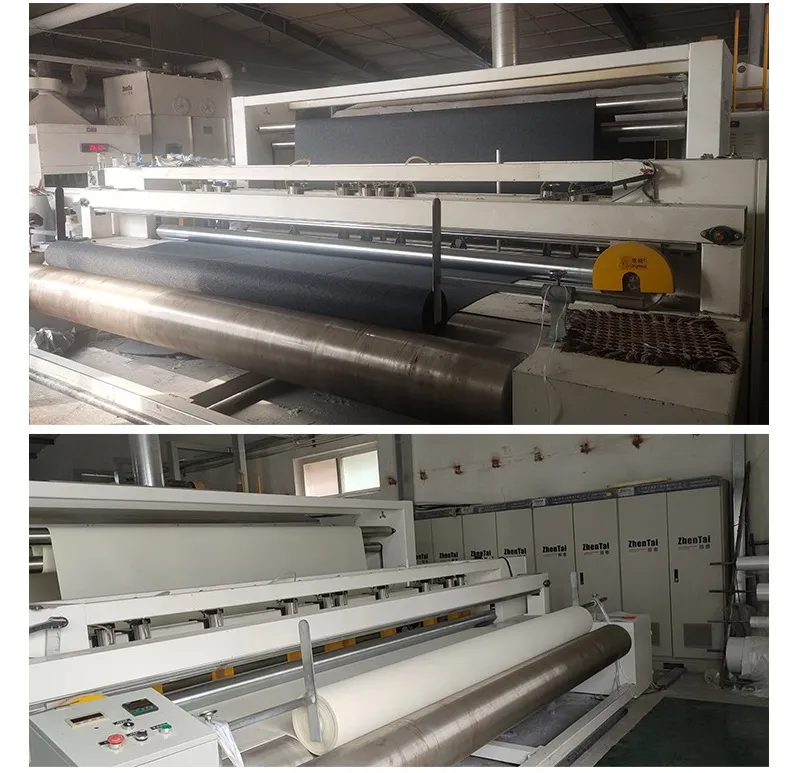
Microfiber towels derive their properties from the ultra-fine diameter of their constituent fibers, typically less than 1 denier (9 micrometers). The primary materials are polyester (polyethylene terephthalate – PET) and polyamide (nylon 6 or nylon 6,6). Polyester contributes to durability, resistance to stretching and shrinking, and cost-effectiveness. Polyamide enhances absorbency due to its inherent hydrophilic properties and improves the towel’s softness. The ratio of polyester to polyamide significantly impacts performance; a higher polyamide content generally equates to greater absorbency but potentially reduced durability. Manufacturing involves melt spinning of the polymers into filaments, followed by splitting these filaments to create the microfiber structure. This splitting process is crucial, creating a significantly increased surface area responsible for enhanced water absorption through capillary action. Key process parameters include polymer melt temperature (260-290°C for PET, 240-270°C for Polyamide), extrusion rate, cooling rate, and the splitting mechanism (air jet splitting or water jet splitting). Post-processing includes dyeing, often using disperse dyes for polyester and acid dyes for polyamide, and various finishing treatments such as brushing to increase loft and softness. Quality control focuses on fiber denier uniformity, splitting efficiency (measured by microscopic analysis of fiber cross-sections), and colorfastness testing. A significant emerging trend is the use of recycled polyester to address sustainability concerns.
Performance & Engineering
The performance of microfiber towels is dictated by several key engineering principles. Water absorption is primarily governed by capillary action, directly proportional to the surface area of the fibers and inversely proportional to the surface tension of water. The wedge shape of the split microfibers creates a large number of tiny capillaries that draw water into the towel. Drying speed is significantly faster than cotton due to the reduced water retention and increased surface area facilitating evaporation. Tensile strength and tear strength are critical for durability, particularly during repeated laundering. These properties are influenced by the polymer blend ratio, fiber orientation, and weave structure (e.g., knit, woven, or non-woven). Linting, the release of loose fibers, is a common concern; minimizing linting requires tightly locked fiber structures and robust manufacturing processes. Environmental resistance is evaluated through exposure to UV radiation (assessed by color fading and strength loss), chlorine bleach (assessed by fiber degradation), and detergents (assessed by colorfastness and dimensional stability). Compliance requirements include OEKO-TEX Standard 100 certification, ensuring the absence of harmful substances, and adherence to flammability standards for textiles, such as 16 CFR Part 1610 in the US. Force analysis during use considers shear forces during wiping and tensile forces during handling, influencing the design of the towel’s weave and construction.
Technical Specifications
| Parameter | Typical Value (Standard Quality) | High-Performance Grade | Testing Method |
|---|---|---|---|
| Fiber Composition (Polyester/Polyamide) | 80/20 | 70/30 | FTIR Spectroscopy |
| Fiber Denier | 0.2 - 0.3 | 0.1 - 0.2 | Microscopic Analysis |
| GSM (Grams per Square Meter) | 300-400 | 500-600 | Weight Measurement |
| Absorbency (Water Absorption Rate) | 5-7 seconds (25ml water) | 2-4 seconds (25ml water) | ISO 9077 |
| Drying Time | 30-45 minutes | 15-30 minutes | Controlled Environment Drying Test |
| Tensile Strength (Warp/Weft) | 200/150 N/5cm | 300/225 N/5cm | ISO 13934-1 |
Failure Mode & Maintenance
Microfiber towels are susceptible to several failure modes during their lifecycle. Fiber degradation due to repeated washing, particularly with harsh detergents and high temperatures, is a common issue. This leads to a reduction in absorbency and increased linting. Hydrolytic degradation of polyester fibers can occur over extended periods of exposure to moisture and heat, weakening the fiber structure. Mechanical damage, such as tearing or abrasion, can occur during use, particularly in high-stress areas. Color fading due to UV exposure is another potential failure mode, especially with dyes that are not UV resistant. Microplastic shedding is a growing environmental concern; the release of microfibers during washing contributes to microplastic pollution in waterways. Maintenance recommendations include washing microfiber towels separately from other fabrics to minimize lint transfer and microplastic release. Using a mild detergent and avoiding fabric softeners (which can coat the fibers and reduce absorbency) is crucial. Tumble drying on low heat or air drying is recommended to prevent fiber degradation. Regularly inspecting the towels for tears or damage and repairing them promptly can extend their lifespan. Employing microfiber laundry bags during washing can significantly reduce microfiber shedding.
Industry FAQ
Q: What is the primary difference between a high-quality and a standard microfiber towel in terms of construction?
A: The key difference lies in fiber denier and splitting efficiency. High-quality towels utilize finer denier fibers (typically below 0.2 denier) and achieve a higher degree of fiber splitting, resulting in a significantly increased surface area and superior absorbency. The weave structure is also often more tightly constructed to prevent fiber shedding.
Q: How does the polyester/polyamide ratio affect the towel's performance and longevity?
A: A higher polyamide content enhances absorbency and softness, but it can reduce durability and increase the cost. Polyester provides durability and shape retention. An optimal balance (e.g., 70/30 polyester/polyamide) typically provides a good combination of performance and longevity.
Q: What measures can be taken to minimize microfiber shedding during laundering?
A: Washing microfiber towels separately, using a cold water wash cycle with a mild detergent, and avoiding fabric softeners are crucial. Utilizing a microfiber laundry bag further reduces shedding. Regularly cleaning the washing machine filter is also important.
Q: Are microfiber towels resistant to bacterial growth, and how should they be stored to prevent mildew?
A: Microfiber itself doesn’t inherently promote bacterial growth more than other fabrics. However, damp towels can harbor bacteria. Thorough drying after each use and storing the towels in a well-ventilated area are essential to prevent mildew and bacterial growth.
Q: What certifications should I look for when sourcing microfiber towels to ensure quality and safety?
A: OEKO-TEX Standard 100 certification confirms the absence of harmful substances. ISO 9001 certification for the manufacturer indicates a robust quality management system. Adherence to relevant flammability standards (e.g., 16 CFR Part 1610) is also important.
Conclusion
Microfiber body towels represent a significant evolution in towel technology, offering superior absorbency, faster drying times, and enhanced softness compared to traditional cotton towels. Their performance is directly linked to the material science – the interplay between polyester and polyamide, the fineness of the fibers, and the efficiency of the splitting process. Understanding these factors is crucial for selecting towels that meet specific performance requirements and ensuring long-term durability.
Addressing the concerns surrounding microfiber shedding is paramount for the continued sustainability of this product category. Innovations in fiber locking technologies, coupled with consumer education on proper washing practices, are essential steps towards mitigating environmental impact. Future developments are likely to focus on utilizing recycled materials, enhancing dye technologies for improved colorfastness, and exploring novel weave structures to optimize both performance and environmental friendliness.


 English
  Afrikaans
  Albanian
  Amharic
  Arabic
  Armenian
  Azerbaijani
  Basque
  Belarusian
  Bengali
  Bosnian
  Bulgarian
  Catalan
  Cebuano
  Corsican
  Croatian
  Czech
Czech  Danish
  Dutch
Dutch  Esperanto
  Estonian
  Finnish
  French
  Frisian
  Galician
  Georgian
  German
  Greek
Greek  Gujarati
  Haitian Creole
  Hausa
Hausa  Hebrew
  Hindi
Hindi  Miao
Miao  Hungarian
  Icelandic
  Igbo
Igbo  Indonesian
  Irish
Irish  Italian
  Japanese
  Javanese
  Kazakh
  Khmer
Khmer  Rwandese
  Korean
  Kurdish
  Kyrgyz
  Lao
Lao  Latin
Latin  Latvian
  Lithuanian
  Luxembourgish
  Macedonian
  Malgashi
  Malay
Malay  Malayalam
  Maltese
  Maori
Maori  Marathi
  Mongolian
  Myanmar
  Nepali
  Norwegian
  Norwegian
  Occitan
  Pashto
  Persian
  Polish
  Portuguese
  Romanian
  Russian
  Samoan
  Scottish Gaelic
  Serbian
  Sesotho
  Shona
Shona  Sindhi
  Sinhala
  Slovak
  Slovenian
  Somali
  Spanish
  Sundanese
  Swahili
  Swedish
  Tajik
Tajik  Tamil
Tamil  Tatar
Tatar  Telugu
  Thai
Thai  Turkish
  Turkmen
  Ukrainian
  Urdu
Urdu  Uighur
  Uzbek
Uzbek  Vietnamese
  Welsh
Welsh  Bantu
Bantu  Yiddish
  Yoruba
  Zulu
Zulu