
Apr . 01, 2024 17:55 Back to list
christmas felt treat bags Performance Analysis
Introduction
Christmas felt treat bags represent a prevalent component within the seasonal gifting and confectionery packaging industry. These bags, typically utilized for small-scale distribution of holiday treats, demonstrate a transition from purely functional packaging to an aesthetic element contributing to the overall gifting experience. Constructed primarily from non-woven felt, often polyester or a rayon blend, their manufacturing process involves die-cutting, stitching, and the addition of decorative elements. Core performance characteristics revolve around durability for single-use applications, visual appeal correlating with festive themes, and cost-effectiveness for large-volume production. Understanding the material properties, manufacturing tolerances, and potential failure modes is crucial for procurement managers seeking quality assurance and consistent product performance. The industry faces key challenges in balancing aesthetic demands with sustainability concerns, requiring careful consideration of material sourcing and production techniques.
Material Science & Manufacturing
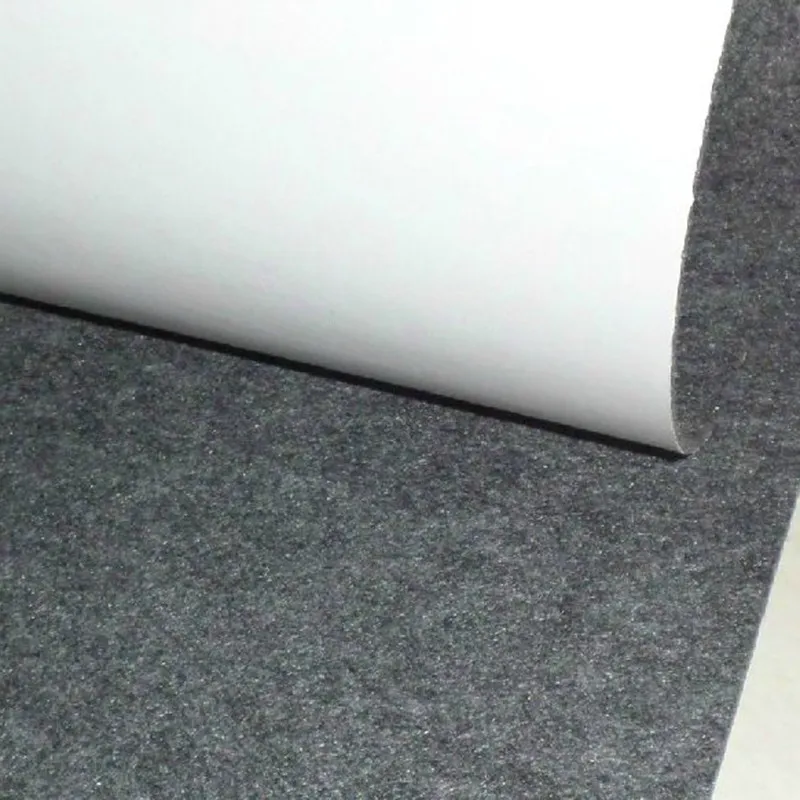
The primary material used in Christmas felt treat bags is non-woven felt, most commonly composed of 100% polyester, polyester-rayon blends, or acrylic fibers. Polyester provides excellent durability and color retention, while rayon introduces a softer hand feel. Acrylic is less common due to its lower melting point. Raw material selection heavily influences the bag’s tensile strength, dimensional stability, and resistance to abrasion. The manufacturing process typically begins with the production of the felt fabric through needle-punching, thermal bonding, or chemical bonding of the constituent fibers. Die-cutting creates the desired bag shape, followed by stitching to form the seams. Stitching parameters – thread type (typically polyester), stitch density, and stitch length – are critical control points affecting seam strength and overall bag integrity. Decorative elements, such as printed designs or applied embellishments (e.g., sequins, ribbons), are added post-sewing. Color matching relies on precise dye lot control during felt production and requires spectrophotometric analysis to ensure consistency. Quality control at each stage is paramount, focusing on fabric weight, fiber composition verification (using infrared spectroscopy), seam strength testing (ASTM D6891), and dimensional accuracy (ISO 3601). Critical process parameters include felt density (g/m²), fiber denier, and the temperature/pressure settings during thermal bonding, all influencing the final product's performance.
Performance & Engineering
The primary engineering concern for Christmas felt treat bags is load-bearing capacity and resistance to tearing during handling. A force analysis reveals that the stress concentration is highest at the seam intersections and the bag’s opening. Tensile strength, measured according to ASTM D4218, dictates the maximum load the bag can withstand before failure. The chosen seam configuration (e.g., lockstitch, overlock) directly impacts seam strength. Environmental resistance, specifically humidity and temperature fluctuations, also influences performance. Polyester felt exhibits good resistance to moisture absorption, minimizing dimensional changes. However, prolonged exposure to UV radiation can cause color fading and fiber degradation. The design must accommodate potential variations in the weight and shape of the contents. Finite element analysis (FEA) can be employed to optimize bag geometry and stitching patterns to minimize stress concentrations and maximize load capacity. Compliance requirements relate primarily to product safety. In the US, regulations enforced by the Consumer Product Safety Commission (CPSC) govern the use of lead and phthalates in decorative elements. In Europe, REACH (Registration, Evaluation, Authorisation and Restriction of Chemicals) regulations impose similar restrictions on hazardous substances. The presence of small decorative items presents a potential choking hazard, necessitating appropriate warning labels and size limitations.
Technical Specifications
| Parameter | Unit | Typical Value (Range) | Test Method |
|---|---|---|---|
| Material Composition | - | 100% Polyester / Polyester-Rayon Blend (60/40) | FTIR Spectroscopy |
| Fabric Weight | g/m² | 100-200 | ISO 8877 |
| Tensile Strength (Longitudinal) | N/5cm | > 50 | ASTM D4218 |
| Tensile Strength (Transverse) | N/5cm | > 40 | ASTM D4218 |
| Seam Strength | N | > 30 | ASTM D6891 |
| Colorfastness to Washing | Grade (1-5) | >4 | ISO 105 C06 |
Failure Mode & Maintenance
Common failure modes for Christmas felt treat bags include seam rupture, fabric tearing, and decorative element detachment. Seam rupture typically occurs due to excessive load or poor stitching quality, particularly at the corners where stress concentration is highest. Fabric tearing can result from sharp objects penetrating the bag or from pre-existing defects in the felt material. Decorative element detachment is often caused by adhesive failure or weak stitching. Degradation due to UV exposure leads to fiber embrittlement and color fading over time. Oxidation can also affect certain dyes, causing color changes. Preventative maintenance, while limited for single-use applications, involves careful handling to avoid overfilling or subjecting the bag to excessive stress. For reusable applications (less common), gentle hand washing with mild detergent is recommended; machine washing and drying should be avoided as they can damage the fabric and seams. Regularly inspect seams for signs of wear or loosening. Addressing minor seam separation promptly with reinforcement stitching can extend the bag's lifespan. Failure analysis should focus on identifying the root cause of the failure – whether it’s material defect, manufacturing flaw, or improper use – to implement corrective actions in subsequent production runs.
Industry FAQ
Q: What is the impact of different felt weights on bag durability?
A: Higher felt weights (measured in g/m²) generally correlate with increased durability and tensile strength. A heavier felt fabric provides more material resistance to tearing and puncture. However, heavier felt also increases material costs. The optimal felt weight depends on the intended application and the expected load capacity.
Q: How do different stitching patterns affect seam strength?
A: Lockstitch provides a secure and durable seam, but can be prone to unraveling if the thread breaks. Overlock stitching offers greater seam integrity and prevents unraveling, but may be less aesthetically pleasing. Zigzag stitching provides some elasticity and is suitable for stretchable fabrics. Stitch density and thread type (polyester is preferred for its strength) also significantly impact seam strength.
Q: What are the environmental considerations for felt treat bags?
A: The environmental impact stems from the raw material sourcing (typically petroleum-based polyester) and the manufacturing process. Biodegradable felt options (e.g., rayon) are available, but may compromise durability. Recycling of polyester felt is challenging, but advancements are being made in chemical recycling technologies. Responsible sourcing and minimizing waste during production are crucial steps toward sustainability.
Q: How can colorfastness be ensured across large production runs?
A: Colorfastness is ensured through strict dye lot control, spectrophotometric analysis, and testing according to ISO 105 standards. Regular quality checks throughout the production process, including comparing samples to a master standard, are essential. Using high-quality dyes and ensuring proper dye penetration into the felt fibers also contribute to improved colorfastness.
Q: What safety standards apply to decorative elements attached to the bags?
A: Safety standards, such as those enforced by the CPSC in the US and REACH in Europe, regulate the use of hazardous substances (lead, phthalates) in decorative elements. Small decorative items present a choking hazard and must comply with size regulations. Appropriate warning labels are required if there is a potential risk of choking.
Conclusion
Christmas felt treat bags, while seemingly simple, represent a nuanced intersection of material science, manufacturing engineering, and regulatory compliance. Achieving optimal performance requires careful selection of materials, precise control of manufacturing processes, and a thorough understanding of potential failure modes. The industry’s ongoing challenge lies in balancing aesthetic requirements with sustainability concerns, driving innovation in material sourcing and production techniques.
Future developments will likely focus on biodegradable felt alternatives, improved recycling technologies, and the integration of smart packaging features (e.g., QR codes for traceability and consumer engagement). A proactive approach to quality control, coupled with adherence to international standards, remains paramount for ensuring product safety and customer satisfaction. The continued refinement of production processes and materials will determine the long-term viability of felt treat bags within the evolving gifting and confectionery packaging landscape.


 English
  Afrikaans
  Albanian
  Amharic
  Arabic
  Armenian
  Azerbaijani
  Basque
  Belarusian
  Bengali
  Bosnian
  Bulgarian
  Catalan
  Cebuano
  Corsican
  Croatian
  Czech
Czech  Danish
  Dutch
Dutch  Esperanto
  Estonian
  Finnish
  French
  Frisian
  Galician
  Georgian
  German
  Greek
Greek  Gujarati
  Haitian Creole
  Hausa
Hausa  Hebrew
  Hindi
Hindi  Miao
Miao  Hungarian
  Icelandic
  Igbo
Igbo  Indonesian
  Irish
Irish  Italian
  Japanese
  Javanese
  Kazakh
  Khmer
Khmer  Rwandese
  Korean
  Kurdish
  Kyrgyz
  Lao
Lao  Latin
Latin  Latvian
  Lithuanian
  Luxembourgish
  Macedonian
  Malgashi
  Malay
Malay  Malayalam
  Maltese
  Maori
Maori  Marathi
  Mongolian
  Myanmar
  Nepali
  Norwegian
  Norwegian
  Occitan
  Pashto
  Persian
  Polish
  Portuguese
  Romanian
  Russian
  Samoan
  Scottish Gaelic
  Serbian
  Sesotho
  Shona
Shona  Sindhi
  Sinhala
  Slovak
  Slovenian
  Somali
  Spanish
  Sundanese
  Swahili
  Swedish
  Tajik
Tajik  Tamil
Tamil  Tatar
Tatar  Telugu
  Thai
Thai  Turkish
  Turkmen
  Ukrainian
  Urdu
Urdu  Uighur
  Uzbek
Uzbek  Vietnamese
  Welsh
Welsh  Bantu
Bantu  Yiddish
  Yoruba
  Zulu
Zulu