Apr . 01, 2024 17:55 Back to list
felt ball coasters Performance Analysis
Introduction
Felt ball coasters represent a niche segment within the protective surface accessories market, bridging aesthetic appeal with functional performance. These coasters, constructed from agglomerated wool or synthetic fibers, are primarily employed to prevent condensation and surface damage from beverages. Their position within the supply chain involves fiber sourcing, dyeing, felting (a non-woven fabric production process), ball formation, and assembly. Core performance characteristics center around liquid absorption capacity, compressive resilience, frictional coefficient (impact on vessel stability), and dimensional stability following repeated wetting/drying cycles. Unlike ceramic or stone coasters, felt ball coasters offer a degree of flexibility and are significantly lighter. A key industry pain point is achieving consistent liquid absorption across the entire coaster surface, avoiding localized saturation and potential staining of surfaces. Another challenge is ensuring colorfastness of the dyed fibers, particularly with prolonged exposure to UV radiation and cleaning agents. Finally, maintaining consistent ball size and secure adhesion during manufacturing is crucial for both aesthetic quality and functional integrity.
Material Science & Manufacturing
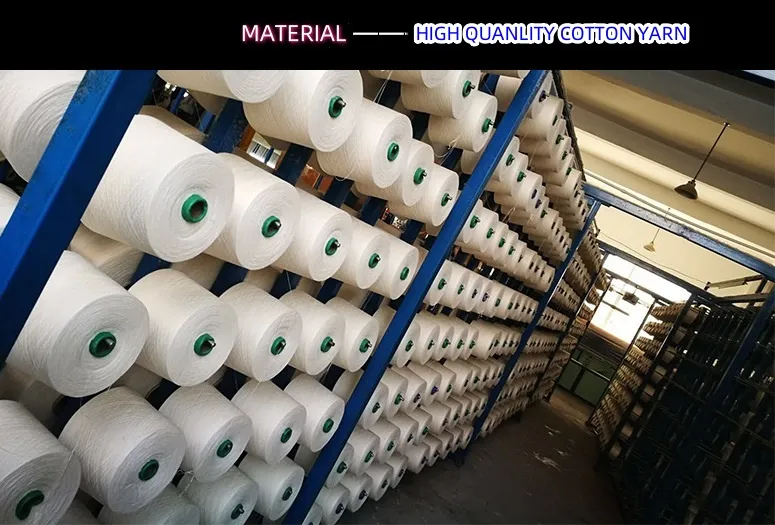
The primary raw material for felt ball coasters is typically wool (often sheep’s wool, but sometimes blends incorporating alpaca or other animal fibers) or synthetic fibers such as acrylic, polyester, or rayon. Wool’s inherent properties – crimp, elasticity, and scales – facilitate the felting process. The scale structure allows fibers to interlock when subjected to moisture, heat, and mechanical action. Acrylic and polyester offer advantages in terms of cost, durability, and colorfastness, but lack the natural absorbency of wool. The manufacturing process begins with fiber preparation, including cleaning and carding to align the fibers. Dyeing is commonly performed at this stage using acid dyes (for wool) or disperse dyes (for synthetics). The critical step is felting, achieved through a combination of mechanical agitation, moisture, and heat. This process causes the fibers to interlock and compact, forming a non-woven fabric. The fabric is then cut into smaller pieces which are rolled into balls. The rolling process is heavily reliant on controlling the applied pressure and rotational speed to produce consistently sized balls. Adhesive, typically a hot-melt adhesive or a water-based acrylic polymer, is used to bond the balls together to form the coaster. Quality control focuses on ball size uniformity, adhesion strength (pull-off testing), and color consistency (spectrophotometry). Parameter control during the felting process – temperature (60-80°C), pH, and agitation intensity – is paramount in determining the final density and absorption capacity of the coaster. Fiber denier (fineness) and staple length significantly impact the softness and durability.
Performance & Engineering
The primary function of a felt ball coaster is to protect surfaces from liquid damage and condensation. Performance assessment involves quantifying liquid absorption capacity, measured in grams of water absorbed per gram of coaster material. Force analysis considers both static and dynamic loads. Static load relates to the weight of the beverage container, while dynamic load arises from accidental impacts or movements. Compressive resilience is critical, dictating the coaster's ability to recover its shape after being subjected to sustained pressure. Coefficient of friction is a key engineering parameter, impacting the stability of the beverage container and reducing the risk of spills. Higher friction coefficients generally enhance stability. Environmental resistance testing includes assessment of colorfastness to light (exposure to simulated sunlight using xenon arc lamps), washfastness (repeated washing cycles with standard detergents), and resistance to common household chemicals (e.g., alcohol, coffee, tea). Compliance requirements vary depending on the intended market. In the EU, REACH (Registration, Evaluation, Authorisation and Restriction of Chemicals) regulations govern the use of dyes and adhesives. In the US, CPSIA (Consumer Product Safety Improvement Act) applies to products intended for use by children (although typically not applicable to coasters, awareness is crucial). The coaster’s performance is also affected by its structural design. Increasing the number of felt balls, or increasing the density of the felt, enhances absorption capacity and compressive strength, but also increases cost and potentially weight.
Technical Specifications
| Parameter | Wool Coaster (Typical) | Acrylic Coaster (Typical) | Polyester Coaster (Typical) | Units |
|---|---|---|---|---|
| Liquid Absorption Capacity | 5-8 | 3-5 | 2-4 | g water/g coaster |
| Compressive Strength | 20-30 | 35-45 | 40-50 | kPa |
| Coefficient of Friction (Static) | 0.6-0.8 | 0.7-0.9 | 0.8-1.0 | Dimensionless |
| Colorfastness to Light (Rating 1-5, 5=Excellent) | 3-4 | 4-5 | 4-5 | Rating |
| Washfastness (Rating 1-5, 5=Excellent) | 2-3 | 4-5 | 4-5 | Rating |
| Diameter | 90-110 | 90-110 | 90-110 | mm |
Failure Mode & Maintenance
Felt ball coasters are susceptible to several failure modes. Delamination, or separation of the felt balls from the adhesive, is a common issue, often resulting from insufficient adhesive application or improper curing. Degradation of the fibers, particularly wool, can occur with prolonged exposure to UV radiation, leading to color fading and reduced structural integrity. Oxidation, especially in wool, can also occur due to exposure to air and moisture, causing fiber embrittlement. Fatigue cracking, though less common, can develop under repeated compression, leading to deformation and eventual breakage. Another potential failure mode is staining, caused by absorption of colored liquids into the felt. Maintenance primarily involves spot cleaning with mild detergent and water. Avoid harsh chemicals or abrasive cleaners, as these can damage the fibers. For wool coasters, occasional hand washing is recommended, followed by air drying. Avoid machine drying, as the heat can cause shrinkage and distortion. To prolong lifespan, it is advisable to rotate coasters periodically to distribute wear evenly and minimize localized stress. Regular inspection for delamination or fiber degradation is crucial for identifying potential issues before they escalate.
Industry FAQ
Q: What is the primary difference in performance between wool and synthetic felt ball coasters in terms of liquid absorption?
A: Wool possesses a naturally higher affinity for water due to its complex fiber structure and scales, resulting in superior liquid absorption capacity compared to synthetic alternatives like acrylic or polyester. While synthetics offer quicker drying times, they typically absorb a lower volume of liquid, increasing the risk of surface spills if saturation occurs rapidly.
Q: How does adhesive selection affect the long-term durability of a felt ball coaster?
A: Adhesive selection is critical. Hot-melt adhesives offer rapid bonding but can become brittle over time, leading to delamination, especially under temperature fluctuations. Water-based acrylic polymers provide greater flexibility and resistance to temperature changes but require longer curing times. The adhesive must also exhibit good compatibility with the fiber type to ensure a strong, lasting bond.
Q: What steps are taken to ensure colorfastness, particularly for coasters intended for outdoor use?
A: Colorfastness is achieved through several methods. Using high-quality, UV-resistant dyes is paramount. Applying a UV-inhibiting finish to the dyed fibers can further enhance protection. Rigorous testing, including exposure to simulated sunlight using xenon arc lamps, is conducted to assess color stability. Darker shades generally exhibit better colorfastness than lighter shades.
Q: Are there any specific compliance standards I should be aware of when importing felt ball coasters into the United States?
A: While felt ball coasters typically don't fall under stringent regulations like those governing children's products (CPSIA), it's crucial to ensure compliance with general product safety standards. REACH regulations (if sourcing from Europe) should be considered regarding dye and adhesive composition. Import labeling requirements, including country of origin, must also be met.
Q: What is the impact of fiber denier on the tactile feel and durability of the coaster?
A: Lower fiber denier (finer fibers) results in a softer, more luxurious tactile feel. However, finer fibers generally exhibit lower tensile strength and abrasion resistance compared to coarser fibers. Therefore, a balance must be struck between desired softness and required durability. Blending different fiber deniers can optimize both properties.
Conclusion
Felt ball coasters represent a relatively simple product with a surprisingly complex interplay of material science, manufacturing processes, and performance requirements. Achieving optimal performance necessitates careful consideration of fiber selection, felting parameters, adhesive choice, and quality control measures. The long-term durability and aesthetic appeal of these coasters are directly linked to the consistency and control maintained throughout the entire production chain.
Future development may focus on incorporating sustainable and biodegradable materials, enhancing liquid absorption capacity through novel fiber treatments, and improving adhesive bonding techniques to further extend product lifespan. Addressing the industry pain points of consistent absorption and colorfastness will remain crucial for maintaining competitiveness in this niche market. Continuous material and process innovation will be key to unlocking further enhancements in both performance and sustainability.


 English
  Afrikaans
  Albanian
  Amharic
  Arabic
  Armenian
  Azerbaijani
  Basque
  Belarusian
  Bengali
  Bosnian
  Bulgarian
  Catalan
  Cebuano
  Corsican
  Croatian
  Czech
Czech  Danish
  Dutch
Dutch  Esperanto
  Estonian
  Finnish
  French
  Frisian
  Galician
  Georgian
  German
  Greek
Greek  Gujarati
  Haitian Creole
  Hausa
Hausa  Hebrew
  Hindi
Hindi  Miao
Miao  Hungarian
  Icelandic
  Igbo
Igbo  Indonesian
  Irish
Irish  Italian
  Japanese
  Javanese
  Kazakh
  Khmer
Khmer  Rwandese
  Korean
  Kurdish
  Kyrgyz
  Lao
Lao  Latin
Latin  Latvian
  Lithuanian
  Luxembourgish
  Macedonian
  Malgashi
  Malay
Malay  Malayalam
  Maltese
  Maori
Maori  Marathi
  Mongolian
  Myanmar
  Nepali
  Norwegian
  Norwegian
  Occitan
  Pashto
  Persian
  Polish
  Portuguese
  Romanian
  Russian
  Samoan
  Scottish Gaelic
  Serbian
  Sesotho
  Shona
Shona  Sindhi
  Sinhala
  Slovak
  Slovenian
  Somali
  Spanish
  Sundanese
  Swahili
  Swedish
  Tajik
Tajik  Tamil
Tamil  Tatar
Tatar  Telugu
  Thai
Thai  Turkish
  Turkmen
  Ukrainian
  Urdu
Urdu  Uighur
  Uzbek
Uzbek  Vietnamese
  Welsh
Welsh  Bantu
Bantu  Yiddish
  Yoruba
  Zulu
Zulu