
Apr . 01, 2024 17:55 Back to list
felt makeup bag Performance Analysis

Introduction
Felt makeup bags represent a significant segment within the broader cosmetics carrying case market. These bags, typically constructed from non-woven felt fabrics, provide a lightweight, cost-effective, and often aesthetically versatile solution for organizing and transporting makeup and personal care items. Their position within the supply chain spans from raw material production (polyester, rayon, or wool fibers), through fabric manufacturing (needling, calendering), to finished goods assembly (cutting, sewing, addition of closures and accessories). Core performance characteristics include dimensional stability, abrasion resistance, containment integrity (preventing spillage), and aesthetic appeal, driven by evolving consumer preferences for both functionality and design. A primary industry pain point centers around balancing cost optimization with achieving acceptable levels of durability and preventing fiber shedding, which can impact product hygiene and perceived quality. The increasing demand for sustainable materials and ethical sourcing practices also presents a growing challenge for manufacturers.
Material Science & Manufacturing
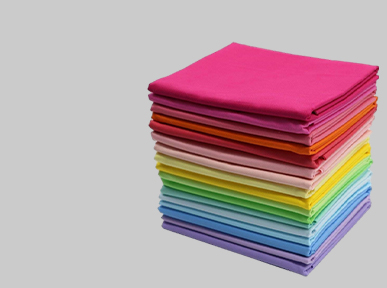
The primary raw materials for felt makeup bags are polyester, rayon (viscose), and, less commonly, wool fibers. Polyester offers high tensile strength, excellent abrasion resistance, and resistance to stretching and shrinking, making it a cost-effective and durable choice. Rayon, derived from cellulose, provides a softer hand feel and better drape, enhancing the aesthetic quality, but is generally less durable and exhibits lower wet strength. Wool, while offering superior insulation and moisture wicking properties, is typically reserved for higher-end applications due to its higher cost. The manufacturing process begins with fiber production, followed by carding to align the fibers. Needle punching, a key step, interlocks the fibers to create the felt fabric. Needle density and punching frequency directly influence the fabric's density, thickness, and strength. Calendering, applying heat and pressure, further compacts the felt and enhances its surface finish. Cutting, usually performed using die-cutting methods for precision, shapes the felt panels. Sewing, utilizing lockstitch or overlock seams, assembles the bag. Critical process parameters include needle penetration depth (influencing fiber entanglement), fabric density control (affecting permeability and strength), and seam strength (determined by stitch density and thread type – typically polyester or nylon). Chemical compatibility of dyes and finishing agents with the chosen fiber is crucial to prevent color fading and fabric degradation. The control of dimensional variation during cutting and sewing impacts the final product quality and fit.
Performance & Engineering
Performance assessment of felt makeup bags centers around several critical engineering considerations. Force analysis involves evaluating the tensile strength and tear resistance of the felt fabric to withstand handling and loading. These properties are directly correlated with fiber type, fabric density, and manufacturing parameters. Environmental resistance, particularly to humidity and temperature fluctuations, is important to maintain dimensional stability and prevent mold growth. Testing includes exposure to elevated temperatures and humidity levels as per ASTM D4966. Compliance requirements, particularly those related to restricted substances, are driven by regulations like REACH and RoHS, mandating limitations on heavy metals, phthalates, and other harmful chemicals. Functional implementation focuses on closure mechanisms (zippers, Velcro, snaps) and their durability under repeated use. Zipper pull tests (ASTM D2060) and Velcro peel tests assess the strength and longevity of these components. Barrier properties, while not typically a primary requirement, are relevant in preventing the transfer of particulate matter. Seam strength testing (ASTM D1681) ensures the structural integrity of the bag under load. Abrasion resistance, evaluated using the Taber abrasion test (ASTM D4966), indicates the fabric’s ability to withstand wear and tear during use. A key engineering challenge is optimizing the bag's structural design to maximize capacity while minimizing weight and bulk.
Technical Specifications
| Parameter | Unit | Polyester Felt | Rayon Felt |
|---|---|---|---|
| Fabric Weight | g/m² | 200-400 | 150-300 |
| Thickness | mm | 2-5 | 1-4 |
| Tensile Strength (Longitudinal) | N/50mm | 150-300 | 80-180 |
| Tear Strength | N | 50-150 | 30-80 |
| Water Absorbency | % | 0.1-0.5 | 1-3 |
| Colorfastness to Rubbing (Dry) | Grade (1-5) | 4-5 | 3-4 |
Failure Mode & Maintenance
Felt makeup bags are susceptible to several failure modes. Fatigue cracking can occur at stress concentration points, particularly around seams and closure mechanisms, due to repeated opening and closing. Delamination, the separation of fibers within the felt structure, can result from prolonged exposure to moisture or mechanical stress. Degradation of the fibers, especially rayon, can occur due to UV exposure, leading to discoloration and reduced strength. Oxidation, particularly in polyester felt, can be accelerated by high temperatures and exposure to oxidizing agents. Fiber shedding is a common issue, potentially causing hygiene concerns and a diminished aesthetic appearance. Maintenance primarily involves spot cleaning with a mild detergent and water. Avoid harsh chemicals, abrasive cleaners, and prolonged soaking. For persistent stains, gentle rubbing with a soft cloth may be effective. Storage in a cool, dry place, away from direct sunlight, will help to minimize degradation. Regular inspection of seams and closure mechanisms can identify potential failure points before they become critical. Repairing minor tears with a fabric adhesive or needle and thread can extend the bag's lifespan. Avoid overloading the bag, as excessive weight can accelerate seam stress and fabric distortion.
Industry FAQ
Q: What is the primary difference in performance between polyester and rayon felt for makeup bag applications?
A: Polyester felt exhibits significantly higher tensile and tear strength, as well as superior resistance to moisture and abrasion, making it more durable for frequent use and heavier loads. Rayon felt, while offering a softer texture and better drape, is less robust and more susceptible to damage from moisture and wear.
Q: How does the needle density affect the quality and performance of the felt fabric?
A: Higher needle density generally results in a denser, more tightly interlocked felt structure, leading to increased strength, reduced permeability, and improved dimensional stability. However, excessively high needle density can also make the felt stiffer and less pliable.
Q: What are the common methods used to mitigate fiber shedding in felt makeup bags?
A: Fiber shedding can be reduced through several methods, including applying a binding agent to the felt surface, increasing the fabric density, using a tighter weave structure (if applicable), and employing edge finishing techniques like overlocking or binding.
Q: How important are compliance standards like REACH and RoHS in the manufacturing of felt makeup bags?
A: Compliance with REACH and RoHS is critical to ensure that the bags do not contain restricted substances that could pose health or environmental risks. Manufacturers must provide documentation demonstrating adherence to these regulations to meet customer requirements and avoid legal liabilities.
Q: What is the expected lifespan of a typical felt makeup bag, and what factors can influence it?
A: The expected lifespan of a felt makeup bag typically ranges from 6 months to 2 years, depending on usage frequency, load weight, and environmental conditions. Factors influencing lifespan include the quality of the felt material, the strength of the seams, the type of closure mechanism, and the level of care and maintenance provided.
Conclusion
Felt makeup bags offer a compelling balance of cost-effectiveness, functionality, and aesthetic versatility. The selection of appropriate materials – polyester, rayon, or wool – coupled with optimized manufacturing processes (needling, calendering, sewing) directly impacts the bag's performance characteristics, including strength, durability, and resistance to environmental factors. Understanding potential failure modes – fatigue cracking, delamination, fiber shedding – and implementing preventative maintenance practices are crucial for extending the product's lifespan and ensuring customer satisfaction.
Looking forward, innovation in felt manufacturing will likely focus on developing more sustainable materials (e.g., recycled polyester, bio-based rayon) and improving fabric properties through advanced fiber treatments and bonding techniques. Addressing the challenge of fiber shedding through novel coating technologies and optimizing seam construction to enhance durability will also be key areas of development. Manufacturers must remain vigilant in complying with evolving regulatory standards related to restricted substances and prioritize ethical sourcing practices to meet the demands of environmentally conscious consumers.


 English
  Afrikaans
  Albanian
  Amharic
  Arabic
  Armenian
  Azerbaijani
  Basque
  Belarusian
  Bengali
  Bosnian
  Bulgarian
  Catalan
  Cebuano
  Corsican
  Croatian
  Czech
Czech  Danish
  Dutch
Dutch  Esperanto
  Estonian
  Finnish
  French
  Frisian
  Galician
  Georgian
  German
  Greek
Greek  Gujarati
  Haitian Creole
  Hausa
Hausa  Hebrew
  Hindi
Hindi  Miao
Miao  Hungarian
  Icelandic
  Igbo
Igbo  Indonesian
  Irish
Irish  Italian
  Japanese
  Javanese
  Kazakh
  Khmer
Khmer  Rwandese
  Korean
  Kurdish
  Kyrgyz
  Lao
Lao  Latin
Latin  Latvian
  Lithuanian
  Luxembourgish
  Macedonian
  Malgashi
  Malay
Malay  Malayalam
  Maltese
  Maori
Maori  Marathi
  Mongolian
  Myanmar
  Nepali
  Norwegian
  Norwegian
  Occitan
  Pashto
  Persian
  Polish
  Portuguese
  Romanian
  Russian
  Samoan
  Scottish Gaelic
  Serbian
  Sesotho
  Shona
Shona  Sindhi
  Sinhala
  Slovak
  Slovenian
  Somali
  Spanish
  Sundanese
  Swahili
  Swedish
  Tajik
Tajik  Tamil
Tamil  Tatar
Tatar  Telugu
  Thai
Thai  Turkish
  Turkmen
  Ukrainian
  Urdu
Urdu  Uighur
  Uzbek
Uzbek  Vietnamese
  Welsh
Welsh  Bantu
Bantu  Yiddish
  Yoruba
  Zulu
Zulu