
Apr . 01, 2024 17:55 Back to list
felt placemats Performance Analysis
Introduction
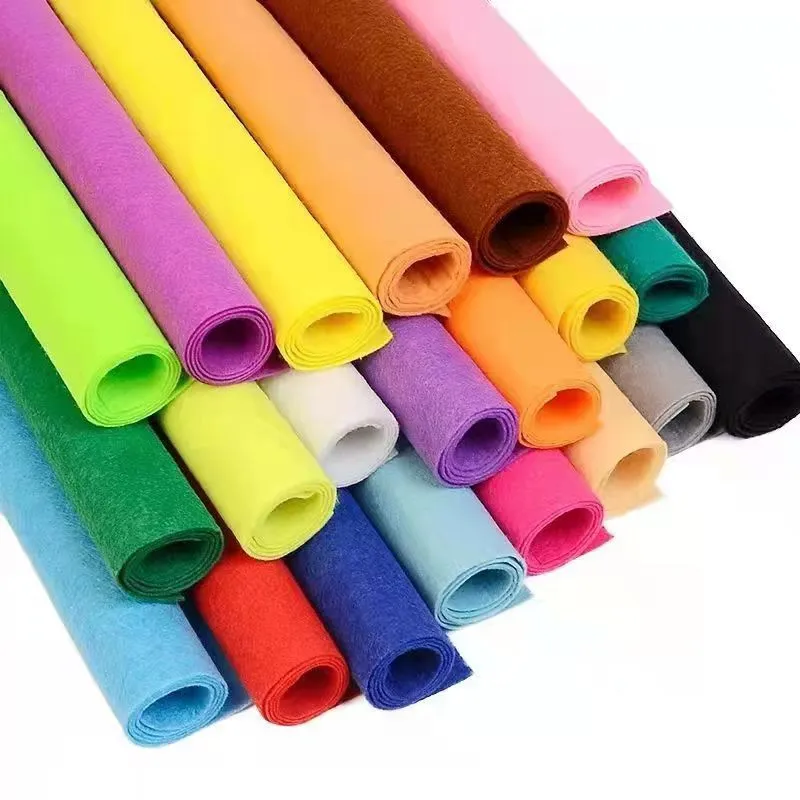
Felt placemats are protective layers placed beneath tableware, serving to safeguard surfaces from heat, scratches, and spills. Predominantly composed of pressed fibers – typically wool, acrylic, or a blend of both – they represent a cost-effective and aesthetically versatile dining accessory. Within the broader tabletop industry, felt placemats occupy a position of functional necessity coupled with decorative appeal, positioned between more durable hard placemats (wood, plastic) and absorbent but less robust paper alternatives. Core performance characteristics include thermal insulation, surface protection, sound dampening (reducing clatter), and ease of cleaning. Understanding the nuances of felt composition, manufacturing processes, and inherent limitations is crucial for ensuring appropriate application and longevity. A key pain point within the industry revolves around consumer expectations for washability and dimensional stability, often compromised by the inherent properties of the material. Furthermore, sourcing sustainable and ethically produced felt remains a growing concern for manufacturers and end-users alike.
Material Science & Manufacturing
The primary raw material for felt placemats is fibrous material, most commonly wool, acrylic, or recycled polyester. Wool fibers possess natural crimp, interlocking capabilities, and inherent resilience, contributing to a high-quality, durable felt. Acrylic offers lower cost and enhanced colorfastness, although with reduced thermal resistance and biodegradability. Recycled polyester provides a sustainable option, often derived from post-consumer plastic bottles. The manufacturing process begins with fiber preparation – carding – which aligns the fibers into a web. This web then undergoes needling, a mechanical process employing barbed needles to interlock the fibers, creating the felt structure. Critical parameters during needling include needle density, penetration depth, and machine speed. Higher needle density generally yields a denser, more durable felt, but also increases production cost. Excessive penetration depth can weaken fibers. Post-needling processes often include calendaring to control thickness and surface finish, and dyeing or printing for aesthetic customization. Fiber fineness (measured in microns) directly impacts the softness and drape of the final product. Chemical treatments, such as anti-moth treatments for wool or UV stabilizers for acrylic, may be applied to enhance performance characteristics. The felt's density, typically measured in grams per square meter (gsm), is a key indicator of quality and durability.

Performance & Engineering
The performance of felt placemats is dictated by a confluence of factors, including material composition, density, and manufacturing quality. Thermal insulation is a primary function, preventing heat transfer from hot dishes to the underlying surface. This is characterized by thermal conductivity (W/m·K) – lower values indicate better insulation. Felt’s ability to resist deformation under load (compressive strength, measured in kPa) is critical for maintaining its shape and protecting the surface. Tensile strength (measured in MPa) dictates its resistance to tearing. The placemat must also exhibit adequate resistance to abrasion, particularly from cutlery. Moisture absorption is a double-edged sword; while it offers some spill containment, excessive moisture can lead to fiber weakening and dimensional instability. Environmental resistance includes resistance to fading from UV exposure and degradation from common food and beverage spills. Compliance requirements, particularly regarding colorfastness and the absence of harmful chemicals (e.g., formaldehyde, azo dyes), are governed by standards like OEKO-TEX Standard 100. Force analysis during use involves primarily compressive forces from tableware and shear forces from movement across the surface. Design considerations include edge finishing (serged, bound) to prevent fraying and overall size and shape to accommodate various tableware configurations.
Technical Specifications
| Parameter | Wool Felt | Acrylic Felt | Recycled Polyester Felt | Units |
|---|---|---|---|---|
| Density | 500-800 | 300-600 | 400-700 | gsm (grams per square meter) |
| Thickness | 3-5 | 2-4 | 2.5-4.5 | mm |
| Tensile Strength | 20-40 | 15-30 | 18-35 | MPa |
| Thermal Conductivity | 0.035-0.045 | 0.040-0.050 | 0.038-0.048 | W/m·K |
| Moisture Absorption | 20-30 | 5-10 | 10-15 | % |
| Colorfastness to Light | 4-5 | 6-7 | 5-6 | Grade (1-8) |
Failure Mode & Maintenance
Felt placemats are susceptible to several failure modes. Delamination, the separation of felt layers, occurs due to insufficient needling or exposure to excessive moisture. Fiber degradation, particularly in wool, can result from prolonged UV exposure, leading to fading and reduced strength. Pilling, the formation of small balls of fiber on the surface, is a common occurrence with repeated use and washing. Dimensional instability, specifically shrinkage or stretching, can occur during washing, particularly if hot water and high heat drying are used. Fatigue cracking, though less common, can occur around edges that are frequently bent or stressed. Oxidation of acrylic fibers can lead to embrittlement and discoloration over time. Maintenance recommendations include gentle hand washing or machine washing on a delicate cycle with cold water. Avoid using harsh detergents or bleach. Air drying is strongly recommended; if machine drying is necessary, use a low heat setting. Regular vacuuming can help remove loose fibers and debris. Spot cleaning with a mild detergent and water is appropriate for minor spills. Preventative measures include rotating placemats to distribute wear evenly and avoiding prolonged exposure to direct sunlight.
Industry FAQ
Q: What is the primary difference between wool felt and acrylic felt in terms of durability?
A: Wool felt generally exhibits superior durability due to the natural crimp and interlocking properties of wool fibers. This results in a denser, more resilient structure. Acrylic felt, while cost-effective, is prone to pilling and fiber breakdown with repeated use and washing. Wool retains its shape and strength longer under similar conditions.
Q: How does the density (gsm) of a felt placemat affect its performance?
A: Higher gsm values correlate with increased density, which translates to better thermal insulation, improved abrasion resistance, and greater overall durability. A denser felt is less likely to compress under the weight of tableware and provides more effective surface protection.
Q: Can felt placemats be ironed?
A: Ironing is generally not recommended for felt placemats. The heat can damage the fibers, causing them to melt or distort. If necessary, a cool iron with a pressing cloth can be used very cautiously, but air drying is always preferable for maintaining shape and integrity.
Q: What standards ensure the absence of harmful chemicals in felt placemats?
A: The OEKO-TEX Standard 100 is a widely recognized certification that verifies the absence of harmful substances, such as formaldehyde and azo dyes, in textile products, including felt placemats. Compliance with this standard ensures the product is safe for consumer use.
Q: How do recycled polyester felt placemats compare to virgin polyester alternatives regarding environmental impact?
A: Recycled polyester felt placemats have a significantly lower environmental impact. They reduce landfill waste by utilizing post-consumer plastic bottles and require less energy to produce compared to virgin polyester. However, it’s crucial to verify the sourcing and recycling process to ensure genuine sustainability.
Conclusion
Felt placemats represent a versatile and practical solution for tabletop protection and aesthetic enhancement. Their performance characteristics – thermal insulation, surface protection, and sound dampening – are fundamentally linked to the material composition, manufacturing processes (particularly needling density), and inherent properties of the fibers employed. While offering cost-effectiveness and design flexibility, understanding the limitations regarding washability, dimensional stability, and susceptibility to degradation is paramount for both manufacturers and consumers.
Future developments in felt placemat technology may focus on enhancing washability through innovative fiber treatments, improving dimensional stability with advanced needling techniques, and increasing sustainability by utilizing bio-based and biodegradable fiber sources. A continued emphasis on rigorous testing and adherence to international standards will be critical to ensure product quality, safety, and longevity within the dynamic tabletop industry.


 English
  Afrikaans
  Albanian
  Amharic
  Arabic
  Armenian
  Azerbaijani
  Basque
  Belarusian
  Bengali
  Bosnian
  Bulgarian
  Catalan
  Cebuano
  Corsican
  Croatian
  Czech
Czech  Danish
  Dutch
Dutch  Esperanto
  Estonian
  Finnish
  French
  Frisian
  Galician
  Georgian
  German
  Greek
Greek  Gujarati
  Haitian Creole
  Hausa
Hausa  Hebrew
  Hindi
Hindi  Miao
Miao  Hungarian
  Icelandic
  Igbo
Igbo  Indonesian
  Irish
Irish  Italian
  Japanese
  Javanese
  Kazakh
  Khmer
Khmer  Rwandese
  Korean
  Kurdish
  Kyrgyz
  Lao
Lao  Latin
Latin  Latvian
  Lithuanian
  Luxembourgish
  Macedonian
  Malgashi
  Malay
Malay  Malayalam
  Maltese
  Maori
Maori  Marathi
  Mongolian
  Myanmar
  Nepali
  Norwegian
  Norwegian
  Occitan
  Pashto
  Persian
  Polish
  Portuguese
  Romanian
  Russian
  Samoan
  Scottish Gaelic
  Serbian
  Sesotho
  Shona
Shona  Sindhi
  Sinhala
  Slovak
  Slovenian
  Somali
  Spanish
  Sundanese
  Swahili
  Swedish
  Tajik
Tajik  Tamil
Tamil  Tatar
Tatar  Telugu
  Thai
Thai  Turkish
  Turkmen
  Ukrainian
  Urdu
Urdu  Uighur
  Uzbek
Uzbek  Vietnamese
  Welsh
Welsh  Bantu
Bantu  Yiddish
  Yoruba
  Zulu
Zulu