
Apr . 01, 2024 17:55 Back to list
felt products Performance Analysis
Introduction
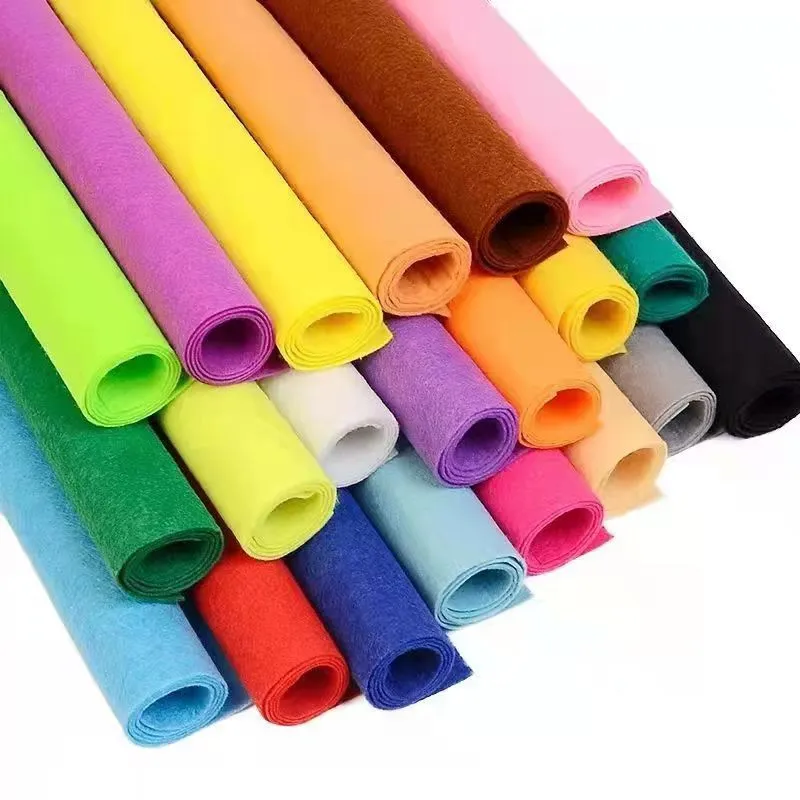
Felt is a non-woven textile produced by matting, condensing and pressing fibers together. Its unique properties stem from the interlocking of fibers, resulting in a material that differs significantly from woven or knitted fabrics. Within the industrial sector, felt products serve diverse functions, ranging from filtration media and insulation to cushioning and vibration dampening. The technical position of felt lies between traditional textiles and engineered polymers, offering a cost-effective solution where specific mechanical properties, porosity, and conformability are required. Core performance characteristics include density, thickness, tensile strength, tear resistance, and permeability, impacting its suitability for applications in automotive, aerospace, construction, and various manufacturing processes. Understanding these parameters is crucial for selecting the appropriate felt grade for a given application, addressing common industry pain points associated with material degradation, dimensional instability, and inconsistent performance.
Material Science & Manufacturing
Felt production fundamentally relies on the properties of constituent fibers. The most common materials are wool, synthetic fibers like polypropylene (PP), polyester, acrylic, and rayon, and blends thereof. Wool felt benefits from the natural crimp and scale structure of the fiber, facilitating interlocking through mechanical action and, historically, with the aid of chemicals like mercury (now largely phased out due to environmental concerns). Synthetic felt relies on fiber tenacity and melting/bonding characteristics. Fiber denier, length, and crimp significantly influence the final felt properties.
Manufacturing processes vary depending on the desired felt characteristics. Needle Felting involves repeatedly penetrating a web of fibers with barbed needles, mechanically interlocking them. This process is effective for producing dense, robust felts suitable for industrial filtration and automotive applications. Key parameter control includes needle density, stroke length, and web uniformity. Wet Felting, the traditional method, utilizes hot water, soap, and mechanical agitation to mat fibers together. This creates a more pliable felt commonly used in crafts and insulation. Control focuses on water temperature, pH, and agitation intensity. Thermally Bonded Felt employs heat to fuse fibers, primarily polyester or polypropylene, creating a strong, dimensionally stable material. Critical parameters include oven temperature, dwell time, and fiber distribution. Post-processing may involve calendaring (for thickness control), dyeing, and surface treatments to enhance specific properties like water repellency or fire resistance. Chemical compatibility with processing aids and dyes must be meticulously controlled to prevent degradation or discoloration.
Performance & Engineering
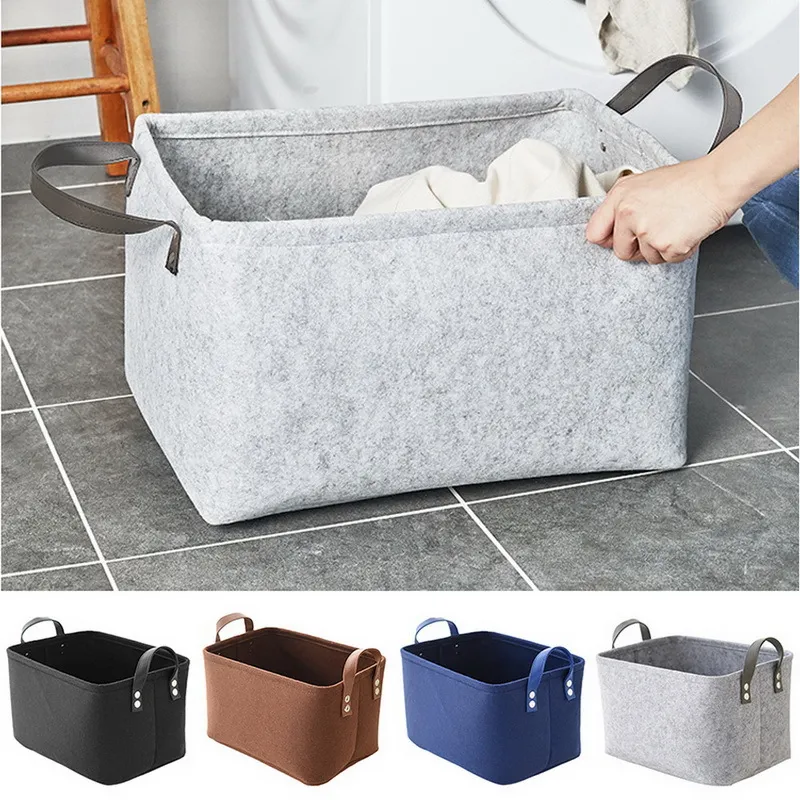
The performance of felt in engineering applications is largely dictated by its mechanical properties and resistance to environmental factors. Tensile strength and elongation are critical for applications involving stress or strain, such as gaskets or conveyor belts. Tear resistance is essential for preventing propagation of damage. Porosity and permeability govern its effectiveness in filtration applications, where precise pore size distribution is crucial for separating particles.
Environmental resistance, particularly to temperature, humidity, and chemicals, is a major concern. Wool felt exhibits limited resistance to alkaline conditions and can degrade under prolonged UV exposure. Synthetic felts generally offer superior chemical resistance but may have lower thermal stability. Force analysis for load-bearing applications requires consideration of creep and compression set, particularly at elevated temperatures. Compliance requirements vary by industry; for example, automotive felts must meet flammability standards (FMVSS 302) and emission regulations (VDA 278). Filtration felts must adhere to standards for particle retention efficiency and pressure drop. The material's behavior under compressive loads is essential for sealing applications; understanding the stress-strain relationship and hysteresis is critical to ensure long-term performance and prevent leakage. Consideration must also be given to the potential for fiber shedding and the associated contamination risks in sensitive environments.
Technical Specifications
| Property | Wool Felt (Typical) | Polypropylene Felt (Typical) | Polyester Felt (Typical) | Acrylic Felt (Typical) |
|---|---|---|---|---|
| Density (g/cm³) | 0.2 – 0.5 | 0.05 – 0.3 | 0.1 – 0.4 | 0.15 – 0.35 |
| Tensile Strength (MPa) | 2 – 8 | 5 – 15 | 8 – 20 | 4 – 12 |
| Elongation at Break (%) | 30 – 80 | 100 – 300 | 50 – 150 | 60 – 200 |
| Tear Resistance (N) | 50 – 150 | 80 – 250 | 100 – 300 | 70 – 200 |
| Thickness (mm) | 1 – 10 | 0.5 – 5 | 1 – 8 | 1 – 6 |
| Water Absorption (%) | 20 – 30 | < 1 | < 1 | 5 – 15 |
Failure Mode & Maintenance
Felt products are susceptible to several failure modes depending on the application and environmental conditions. Fatigue Cracking can occur under cyclic loading, particularly in applications involving vibration or repeated compression. Delamination, or separation of felt layers, can occur due to insufficient fiber interlocking or exposure to solvents. Degradation, particularly in wool felt, results from UV exposure, chemical attack, and microbial growth. Oxidation affects synthetic fibers, leading to embrittlement and loss of mechanical properties. Compression Set occurs when the felt permanently deforms under sustained load. Fiber Shedding can compromise filtration efficiency and create contamination issues.
Maintenance strategies include regular inspection for wear and tear, cleaning to remove contaminants, and proper storage to protect against UV exposure and moisture. For filtration applications, periodic replacement of the felt media is crucial to maintain performance. In sealing applications, monitoring for leaks and applying appropriate lubricants can extend the service life. Preventative measures include selecting the appropriate felt grade for the application, providing adequate support to minimize stress, and implementing environmental controls to mitigate degradation factors. If fatigue cracking is observed, the load should be reduced or the felt replaced. For delamination, consider applying an adhesive or using a higher-density felt grade. Detailed failure analysis, including microscopic examination of the fibers, can help identify the root cause of failure and inform future material selection and design improvements.
Industry FAQ
Q: What are the key differences between wool felt and synthetic felt in terms of performance for automotive interior applications?
A: Wool felt offers superior acoustic damping and a more luxurious feel but exhibits limited resistance to moisture, UV exposure, and some automotive fluids. Synthetic felts, like polypropylene or polyester, provide better chemical resistance, dimensional stability, and lower cost. However, they typically have poorer acoustic properties and a less premium tactile experience. The selection depends on the specific application and budget constraints.
Q: How does the density of felt affect its performance as a filtration medium?
A: Density is a critical parameter. Higher density generally leads to smaller pore sizes and greater particle retention efficiency, but also increased pressure drop. Lower density felts have lower pressure drop but may allow larger particles to pass through. The optimal density depends on the size and concentration of the particles being filtered and the acceptable pressure drop.
Q: What methods can be used to improve the fire resistance of felt products?
A: Fire retardant treatments, such as application of phosphate-based compounds or halogenated additives, can significantly improve the fire resistance of felt. Selection of inherently flame-resistant fibers, like Nomex or Kevlar, is another approach. However, these treatments can sometimes affect other properties, such as tensile strength or color, and must be carefully evaluated.
Q: How is the long-term dimensional stability of felt ensured in applications involving temperature fluctuations?
A: Dimensional stability is enhanced by selecting fibers with low thermal expansion coefficients, like polyester, and employing thermal bonding techniques that create a robust fiber network. Avoiding excessive moisture absorption is also crucial, as water can cause swelling and shrinkage. Post-processing treatments like calendaring can further improve dimensional stability.
Q: What are the common causes of compression set in felt gaskets and how can this be minimized?
A: Compression set is caused by the permanent deformation of the felt fibers under sustained compressive load. This is exacerbated by high temperatures, aggressive chemicals, and low-density felts. Minimizing compression set involves selecting a higher-density felt, using a gasket design that distributes the load evenly, and employing a gasket material compatible with the operating environment.
Conclusion
Felt, despite its seemingly simple construction, represents a versatile material with a broad spectrum of industrial applications. Its performance is intricately linked to the fiber type, manufacturing process, and the interaction between the material and its operating environment. A thorough understanding of its material science, mechanical properties, and potential failure modes is crucial for successful implementation and long-term reliability.
Future advancements in felt technology will likely focus on developing sustainable fiber sources, enhancing fire resistance without compromising performance, and creating tailored felt structures with precisely controlled porosity and mechanical properties. Continued innovation in manufacturing techniques, such as 3D printing of felt structures, promises to unlock new possibilities for customized applications and optimized performance.


 English
  Afrikaans
  Albanian
  Amharic
  Arabic
  Armenian
  Azerbaijani
  Basque
  Belarusian
  Bengali
  Bosnian
  Bulgarian
  Catalan
  Cebuano
  Corsican
  Croatian
  Czech
Czech  Danish
  Dutch
Dutch  Esperanto
  Estonian
  Finnish
  French
  Frisian
  Galician
  Georgian
  German
  Greek
Greek  Gujarati
  Haitian Creole
  Hausa
Hausa  Hebrew
  Hindi
Hindi  Miao
Miao  Hungarian
  Icelandic
  Igbo
Igbo  Indonesian
  Irish
Irish  Italian
  Japanese
  Javanese
  Kazakh
  Khmer
Khmer  Rwandese
  Korean
  Kurdish
  Kyrgyz
  Lao
Lao  Latin
Latin  Latvian
  Lithuanian
  Luxembourgish
  Macedonian
  Malgashi
  Malay
Malay  Malayalam
  Maltese
  Maori
Maori  Marathi
  Mongolian
  Myanmar
  Nepali
  Norwegian
  Norwegian
  Occitan
  Pashto
  Persian
  Polish
  Portuguese
  Romanian
  Russian
  Samoan
  Scottish Gaelic
  Serbian
  Sesotho
  Shona
Shona  Sindhi
  Sinhala
  Slovak
  Slovenian
  Somali
  Spanish
  Sundanese
  Swahili
  Swedish
  Tajik
Tajik  Tamil
Tamil  Tatar
Tatar  Telugu
  Thai
Thai  Turkish
  Turkmen
  Ukrainian
  Urdu
Urdu  Uighur
  Uzbek
Uzbek  Vietnamese
  Welsh
Welsh  Bantu
Bantu  Yiddish
  Yoruba
  Zulu
Zulu