
Apr . 01, 2024 17:55 Back to list
felt purse organizers Performance Analysis
Introduction
Felt purse organizers represent a specialized segment within the broader accessories and organizational products market. These products, typically constructed from non-woven felt materials, are designed to compartmentalize the interior space of handbags, tote bags, and backpacks. Their primary function is to provide structural support, prevent the shifting of contents, and facilitate efficient access to personal items. Technically, they bridge the gap between basic bag protection (liners) and rigid organizers (plastic inserts), offering a balance of flexibility, lightweight characteristics, and cost-effectiveness. The industry chain involves raw material sourcing (polyester fibers, adhesives), felt manufacturing (needle-punching, thermoforming), cutting and sewing operations, quality control, and finally, distribution to retail and e-commerce channels. Core performance characteristics revolve around dimensional stability, load-bearing capacity, and resistance to deformation under typical usage conditions. A key pain point for manufacturers is consistently achieving reliable manufacturing tolerances and ensuring the long-term durability of the felt material, particularly against abrasion and repeated compression.
Material Science & Manufacturing
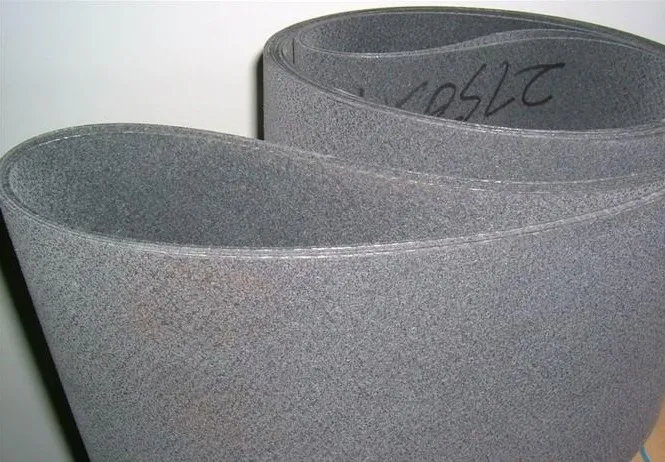
The primary material in felt purse organizers is typically polyester felt, although wool felt is used in higher-end applications. Polyester felt is a non-woven fabric created by interlocking polyester fibers through a mechanical process, most commonly needle-punching. The physical properties of the polyester fibers – tensile strength (typically 40-70 MPa), elongation at break (50-150%), and denier (2-15 D) – directly impact the overall performance of the finished product. Manufacturing begins with the production of polyester staple fiber from Polyethylene Terephthalate (PET) polymer. This is followed by carding and cross-lapping the fibers to create a web. Needle-punching then entangles the fibers, forming the felt fabric. Density (mass per unit area, typically 200-800 gsm) is a critical parameter controlled during this stage, influencing stiffness and durability. Thermoforming, using heated molds, may be employed to create specific shapes and pockets within the organizer. Adhesives are used sparingly, primarily for edge binding and reinforcing seams; adhesive compatibility with polyester is essential to prevent delamination. Quality control focuses on fiber content analysis, fabric density, dimensional accuracy, and colorfastness. Chemical compatibility with common handbag materials (leather, nylon, canvas) is assessed to prevent dye transfer or material degradation. Improper control of needle density during the needle-punching process can lead to a weak, easily torn fabric, while insufficient fiber bonding results in poor shape retention.
Performance & Engineering
The structural performance of a felt purse organizer is fundamentally governed by the principles of material mechanics. Load-bearing capacity is determined by the felt's compressive strength and its ability to distribute weight evenly. Finite element analysis (FEA) can be used to model the stress distribution within the organizer under various loading conditions, optimizing the design for maximum support. Environmental resistance is a key consideration. While polyester felt exhibits good resistance to moisture, prolonged exposure to high humidity can lead to dimensional changes and potential mold growth. UV exposure can cause fiber degradation and color fading, particularly in darker shades. Compliance requirements vary by region, but often include restrictions on the use of certain dyes and chemicals (e.g., REACH regulation in Europe). Functional implementation focuses on designing compartments of appropriate size and configuration to accommodate common handbag contents (wallets, phones, keys, cosmetics). Stitch density and thread type (typically polyester) are crucial for seam strength and preventing unraveling. Edge finishing techniques (binding with fabric or using a zig-zag stitch) improve durability and aesthetics. Force analysis during prototyping assesses the resistance to tearing and deformation under realistic usage scenarios, simulating the impact of inserting and removing items.
Technical Specifications
| Parameter | Unit | Typical Value (Economy Model) | Typical Value (Premium Model) |
|---|---|---|---|
| Material Composition | - | 100% Polyester Felt (0.8mm) | 100% Polyester Felt (1.2mm) |
| Fabric Density | gsm | 300 | 500 |
| Tensile Strength | MPa | 45 | 60 |
| Elongation at Break | % | 60 | 80 |
| Dimensional Tolerance | mm | ± 5 | ± 2 |
| Colorfastness (to washing) | Grade (1-5) | 3 | 4 |
Failure Mode & Maintenance
Common failure modes in felt purse organizers include deformation under sustained load, tearing at seams, abrasion of the felt surface, and delamination of edge binding. Fatigue cracking can occur due to repeated compression and flexing, especially in areas prone to stress concentration (e.g., corners). Delamination of adhesive bonds results in fraying and loss of structural integrity. Oxidation, while slow, can gradually weaken the polyester fibers, leading to reduced tensile strength. Maintenance typically involves spot cleaning with mild detergent and water. Avoid harsh chemicals or abrasive cleaners, as these can damage the felt. Regularly removing and rearranging items within the organizer helps distribute the load and prevent localized deformation. To mitigate tearing, avoid overstuffing compartments. Should a seam become unraveled, it can be repaired with basic sewing skills using a polyester thread. Preventative measures include storing the organizer flat when not in use and avoiding prolonged exposure to direct sunlight. Careful selection of adhesive type and application technique during manufacturing is paramount to prevent delamination, and choosing a higher density felt will improve abrasion resistance and overall longevity.
Industry FAQ
Q: What is the impact of felt density on the organizer’s ability to maintain its shape with heavier items?
A: Higher felt density directly correlates with improved shape retention under load. A denser felt provides greater structural support and resistance to deformation. Organizers intended for heavier items, such as laptops or tablets, require a felt density of at least 500 gsm to prevent significant sagging or collapse. Lower density felts (e.g., 300 gsm) are suitable for lighter items like wallets and phones, but may not provide sufficient support for heavier loads.
Q: How does the choice of adhesive affect the long-term durability of the organizer?
A: The adhesive must exhibit strong bonding to polyester felt and maintain its flexibility over time. Cyanoacrylate adhesives (super glue) are generally unsuitable due to their brittleness. Hot-melt adhesives are commonly used but can become brittle with temperature fluctuations. Polyurethane-based adhesives offer excellent flexibility and durability, but may require longer curing times. Proper surface preparation (cleaning and priming) is also critical for achieving a strong and lasting bond.
Q: What are the typical abrasion resistance requirements for felt used in these organizers?
A: Abrasion resistance is typically assessed using methods like the Taber Abrasion test. While specific requirements vary, a minimum abrasion resistance of 100 cycles to reach 10% weight loss is considered acceptable for standard organizers. Higher-end organizers may require resistance up to 200 cycles or more, particularly if they are intended for frequent use and contain sharp or abrasive items.
Q: What are the environmental considerations regarding the manufacturing and disposal of felt organizers?
A: Polyester felt is derived from PET, a petroleum-based product. Recycled PET (rPET) is increasingly used as a sustainable alternative, reducing reliance on virgin materials. Manufacturing processes should minimize waste generation and adhere to environmental regulations regarding wastewater discharge and air emissions. Disposal of felt organizers is often problematic, as polyester is not readily biodegradable. Exploring options for recycling or repurposing felt materials is crucial.
Q: What quality control checks are critical during the manufacturing process?
A: Critical quality control checks include visual inspection for defects (e.g., tears, stains, inconsistent stitching), dimensional measurements to ensure adherence to specifications, tensile strength testing to verify material integrity, and colorfastness testing to assess dye stability. Random sampling and statistical process control (SPC) are essential for maintaining consistent quality.
Conclusion
Felt purse organizers represent a refined solution for handbag organization, balancing functionality, cost-effectiveness, and material properties. The performance of these products is deeply rooted in the characteristics of the polyester felt – density, tensile strength, and elongation – and the precision of the manufacturing processes employed. Maintaining dimensional stability, resisting abrasion, and ensuring durable seams are paramount for achieving a long-lasting and reliable product.
Future developments in this sector will likely focus on utilizing more sustainable materials (rPET, bio-based polymers), improving manufacturing efficiency, and incorporating smart features such as RFID blocking or integrated lighting. Addressing the end-of-life challenges associated with polyester felt through enhanced recycling initiatives is also crucial for minimizing environmental impact.


 English
  Afrikaans
  Albanian
  Amharic
  Arabic
  Armenian
  Azerbaijani
  Basque
  Belarusian
  Bengali
  Bosnian
  Bulgarian
  Catalan
  Cebuano
  Corsican
  Croatian
  Czech
Czech  Danish
  Dutch
Dutch  Esperanto
  Estonian
  Finnish
  French
  Frisian
  Galician
  Georgian
  German
  Greek
Greek  Gujarati
  Haitian Creole
  Hausa
Hausa  Hebrew
  Hindi
Hindi  Miao
Miao  Hungarian
  Icelandic
  Igbo
Igbo  Indonesian
  Irish
Irish  Italian
  Japanese
  Javanese
  Kazakh
  Khmer
Khmer  Rwandese
  Korean
  Kurdish
  Kyrgyz
  Lao
Lao  Latin
Latin  Latvian
  Lithuanian
  Luxembourgish
  Macedonian
  Malgashi
  Malay
Malay  Malayalam
  Maltese
  Maori
Maori  Marathi
  Mongolian
  Myanmar
  Nepali
  Norwegian
  Norwegian
  Occitan
  Pashto
  Persian
  Polish
  Portuguese
  Romanian
  Russian
  Samoan
  Scottish Gaelic
  Serbian
  Sesotho
  Shona
Shona  Sindhi
  Sinhala
  Slovak
  Slovenian
  Somali
  Spanish
  Sundanese
  Swahili
  Swedish
  Tajik
Tajik  Tamil
Tamil  Tatar
Tatar  Telugu
  Thai
Thai  Turkish
  Turkmen
  Ukrainian
  Urdu
Urdu  Uighur
  Uzbek
Uzbek  Vietnamese
  Welsh
Welsh  Bantu
Bantu  Yiddish
  Yoruba
  Zulu
Zulu