
Apr . 01, 2024 17:55 Back to list
felt santa gift bags Performance Analysis
Introduction
Felt Santa gift bags represent a seasonal packaging solution widely utilized in retail and gifting applications. Positioned within the broader textile and holiday decorations supply chain, these bags serve as a decorative and protective enclosure for small gifts. Their core performance characteristics revolve around aesthetic appeal, durability under limited loads, and cost-effectiveness. The industry faces challenges regarding material sustainability, consistency in dye lot quality, and ensuring structural integrity during handling and transport. This guide provides an in-depth technical assessment of felt Santa gift bags, encompassing material science, manufacturing processes, performance parameters, failure modes, and relevant industry standards.
Material Science & Manufacturing
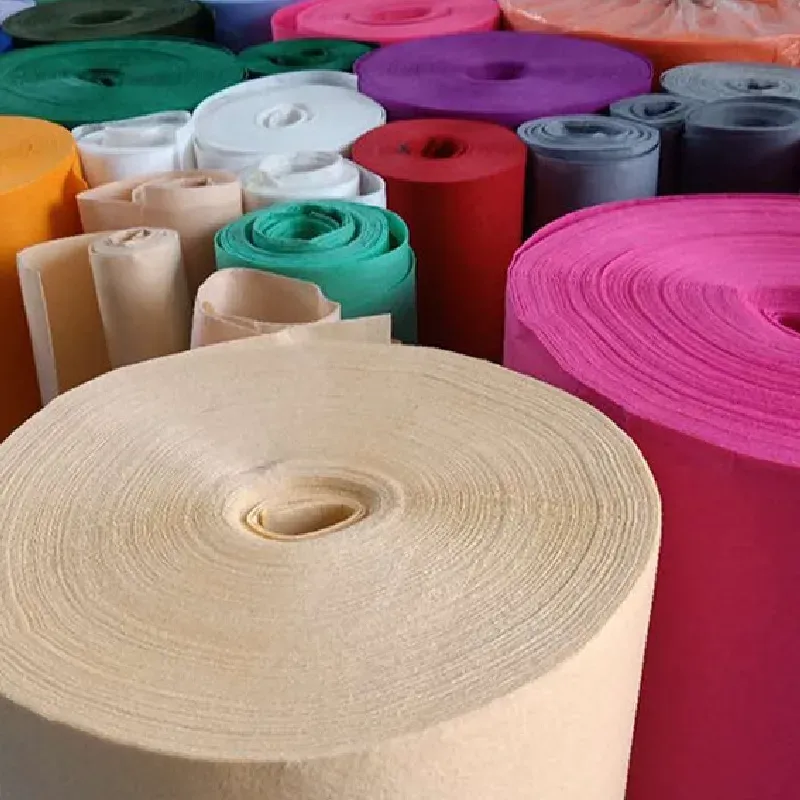
The primary material component of these gift bags is non-woven felt, typically composed of polyester, acrylic, rayon, or wool fibers – or blends thereof. Polyester is most common due to its cost, durability, and resistance to stretching. Raw material fiber denier (fineness) significantly impacts the felt’s hand feel and drape; lower denier results in a softer, more pliable material. Manufacturing commences with fiber preparation, followed by carding, where the fibers are aligned into a web. This web is then mechanically interlocked through needle punching or chemical bonding using binders like acrylic polymers. Needle punching creates a more robust but potentially less uniform structure, while chemical bonding offers greater consistency but can compromise breathability. Dyeing occurs either before or after felting, utilizing reactive dyes to ensure colorfastness. Critical parameters include dye bath temperature (typically 60-80°C), pH control (maintained between 5-7), and dye concentration. Precise control over these parameters directly affects color uniformity and prevents dye migration. Bag construction involves cutting the felt material according to specific patterns and then assembling it using sewing techniques, often employing overlock stitching to prevent fraying. The stitch density and thread type (typically polyester) contribute to seam strength. Post-assembly, decorative elements such as faux fur trim and drawstring cords are added. Quality control assesses for color consistency, seam integrity, and dimensional accuracy.
Performance & Engineering
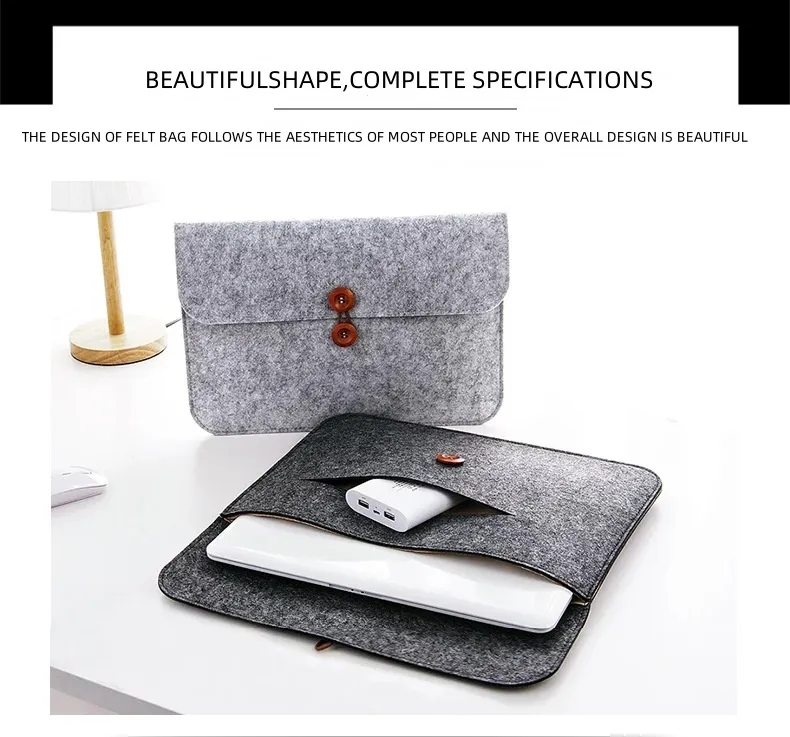
The performance of felt Santa gift bags is primarily dictated by tensile strength, tear resistance, and load-bearing capacity. Tensile strength, measured in Newtons (N) or pounds-force (lbf), indicates the material’s resistance to elongation under tension. This is particularly important during handling and transportation. Tear resistance, assessed using the Elmendorf tear test (ASTM D1424), quantifies the force required to propagate a tear in the fabric. A higher tear resistance minimizes the risk of bag failure during use. Load-bearing capacity is determined by the weight the bag can safely support without deformation or rupture. This is directly related to the felt's density (mass per unit area, gsm) and the strength of the seams. Environmental resistance factors include exposure to moisture, UV radiation, and temperature fluctuations. Polyester felt exhibits good resistance to moisture, but prolonged exposure can lead to mildew growth. UV exposure can cause color fading and fiber degradation, necessitating the use of UV stabilizers in the dye formulation. Temperature fluctuations can affect the felt's dimensional stability. Compliance requirements vary by region but typically involve ensuring the absence of harmful chemicals (e.g., azo dyes, phthalates) as mandated by regulations like REACH and CPSIA. Seam strength is a critical engineering consideration, calculated using formulas based on stitch density, thread tensile strength, and seam geometry. A safety factor is applied to account for potential variations in loading and manufacturing tolerances.
Technical Specifications
| Parameter | Unit | Typical Value (Polyester Felt) | Test Method |
|---|---|---|---|
| Basis Weight | gsm (grams per square meter) | 150-300 | ISO 307 |
| Tensile Strength (Warp/Weft) | N/5cm | 100-200 | ISO 9073-3 |
| Tear Resistance (Warp/Weft) | N | 30-80 | ASTM D1424 |
| Colorfastness to Washing | Grade (1-5) | 4-5 | ISO 105 C06 |
| Dimensional Stability (After Washing) | % Change | ±3 | ISO 5077 |
| Azo Dye Content | ppm (parts per million) | <100 | EN 14362-1 |
Failure Mode & Maintenance
Common failure modes for felt Santa gift bags include seam rupture, tearing, and material degradation. Seam rupture typically occurs due to excessive loading or poor seam construction (e.g., low stitch density, weak thread). Tearing can initiate at stress concentrations, such as corners or around decorative elements. Material degradation is often caused by prolonged UV exposure, leading to fiber embrittlement and reduced strength. Abrasion during handling and transport can also contribute to material wear. Delamination, particularly in chemically bonded felts, can occur if the bonding agent weakens over time. Preventative maintenance primarily involves proper storage and handling. Bags should be stored in a cool, dry place away from direct sunlight. Avoid overloading the bags beyond their rated capacity. For minor seam repairs, a sewing machine can be used with matching thread. For significant tears, patching with compatible felt material may be possible, but the repair will likely compromise the aesthetic appearance. Cleaning can be performed with a mild detergent and cool water, avoiding harsh chemicals or abrasive cleaners. Machine washing is generally not recommended as it can cause dimensional instability and fiber damage. Careful inspection prior to each use will help identify and address potential failure points before they escalate.
Industry FAQ
Q: What is the impact of fiber composition on the bag’s durability?
A: Fiber composition significantly affects durability. Polyester offers the best resistance to abrasion and stretching, making it a preferred choice for high-use applications. Wool, while soft, is less durable and more susceptible to damage. Rayon and acrylic offer intermediate performance characteristics.
Q: How does needle punching versus chemical bonding affect the felt’s properties?
A: Needle punching creates a mechanically interlocked structure, resulting in higher bulk and potentially better tear resistance, but can be less uniform. Chemical bonding provides a more consistent density and smoother surface, but may reduce breathability and is more susceptible to degradation of the bonding agent over time.
Q: What is the significance of colorfastness ratings?
A: Colorfastness ratings indicate the fabric’s resistance to color change upon exposure to various environmental factors, such as washing, light, and rubbing. Higher ratings (4-5) signify better color retention and prevent dye transfer to other materials.
Q: What regulations govern the chemical content of these bags, and why are they important?
A: Regulations like REACH (Europe) and CPSIA (USA) restrict the use of harmful chemicals, such as azo dyes and phthalates, due to their potential health and environmental risks. Compliance ensures consumer safety and avoids potential legal liabilities.
Q: How can we minimize the risk of seam failure during high-volume use?
A: Minimizing seam failure requires utilizing high-strength polyester thread, optimizing stitch density, and employing appropriate seam allowances. Regular quality control inspections of seam integrity are also crucial, along with avoiding overloading the bags beyond their design capacity.
Conclusion
Felt Santa gift bags, while seemingly simple, involve a complex interplay of material science, manufacturing precision, and performance engineering. The selection of appropriate fiber types, bonding methods, and dyeing processes directly impacts the bag’s durability, aesthetic appeal, and compliance with safety regulations. Understanding the potential failure modes – primarily seam rupture and material degradation – is crucial for implementing preventative maintenance strategies and ensuring product longevity.
Looking forward, advancements in sustainable felt production – utilizing recycled fibers and eco-friendly bonding agents – will be key to addressing growing environmental concerns. Further research into UV-resistant coatings and improved seam construction techniques will enhance the product’s performance and lifespan. A continued focus on quality control throughout the entire manufacturing process remains paramount to delivering consistent, reliable gift bag solutions to the market.


 English
  Afrikaans
  Albanian
  Amharic
  Arabic
  Armenian
  Azerbaijani
  Basque
  Belarusian
  Bengali
  Bosnian
  Bulgarian
  Catalan
  Cebuano
  Corsican
  Croatian
  Czech
Czech  Danish
  Dutch
Dutch  Esperanto
  Estonian
  Finnish
  French
  Frisian
  Galician
  Georgian
  German
  Greek
Greek  Gujarati
  Haitian Creole
  Hausa
Hausa  Hebrew
  Hindi
Hindi  Miao
Miao  Hungarian
  Icelandic
  Igbo
Igbo  Indonesian
  Irish
Irish  Italian
  Japanese
  Javanese
  Kazakh
  Khmer
Khmer  Rwandese
  Korean
  Kurdish
  Kyrgyz
  Lao
Lao  Latin
Latin  Latvian
  Lithuanian
  Luxembourgish
  Macedonian
  Malgashi
  Malay
Malay  Malayalam
  Maltese
  Maori
Maori  Marathi
  Mongolian
  Myanmar
  Nepali
  Norwegian
  Norwegian
  Occitan
  Pashto
  Persian
  Polish
  Portuguese
  Romanian
  Russian
  Samoan
  Scottish Gaelic
  Serbian
  Sesotho
  Shona
Shona  Sindhi
  Sinhala
  Slovak
  Slovenian
  Somali
  Spanish
  Sundanese
  Swahili
  Swedish
  Tajik
Tajik  Tamil
Tamil  Tatar
Tatar  Telugu
  Thai
Thai  Turkish
  Turkmen
  Ukrainian
  Urdu
Urdu  Uighur
  Uzbek
Uzbek  Vietnamese
  Welsh
Welsh  Bantu
Bantu  Yiddish
  Yoruba
  Zulu
Zulu