
Apr . 01, 2024 17:55 Back to list
grey felt storage bag Performance Analysis
Introduction
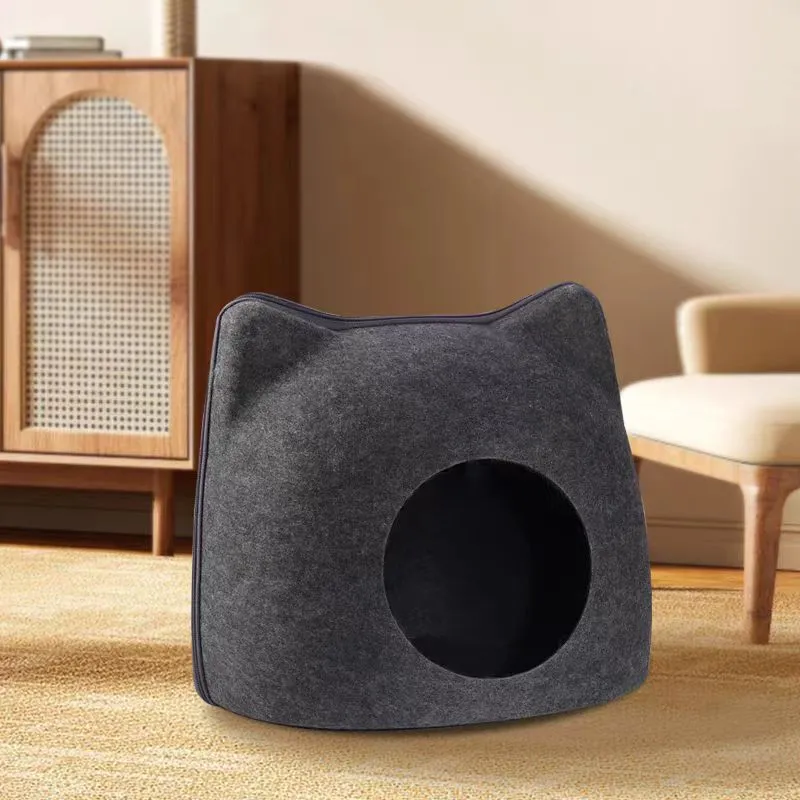
Grey felt storage bags represent a prevalent solution in material handling, organization, and protection across a spectrum of industries, including warehousing, retail, automotive, and manufacturing. These bags are generally constructed from non-woven polyester felt, offering a cost-effective and versatile alternative to rigid containers or woven fabric solutions. Their primary function is containment and protection of components, finished goods, or materials during storage, transit, and assembly processes. This technical guide provides an in-depth exploration of grey felt storage bags, covering material science, manufacturing processes, performance characteristics, potential failure modes, and relevant industry standards. A core pain point within supply chains centers on minimizing product damage during transport and storage; grey felt bags offer a balance of cushioning, breathability, and cost to mitigate these risks. The increasing demand for sustainable packaging solutions also drives interest in understanding the lifecycle and potential for recyclability of felt materials.
Material Science & Manufacturing
The primary raw material for grey felt storage bags is typically a non-woven polyester fabric. Polyester, a thermoplastic polymer derived from ethylene glycol and terephthalic acid, provides inherent strength, durability, and resistance to stretching and shrinking. The “felt” characteristic is achieved through a needle-punching process. This involves repeatedly penetrating a web of polyester fibers with barbed needles, mechanically interlocking the fibers to create a dense, fabric-like structure without the use of weaving or knitting. The density of the felt (measured in grams per square meter, gsm) directly correlates to its strength, thickness, and level of protection. Common gsm values range from 150gsm to 500gsm depending on the intended application. Dyeing processes utilize specialized polyester dyes to achieve the characteristic grey coloration, ensuring colorfastness and UV resistance. Manufacturing often involves die-cutting to create the bag’s shape, followed by ultrasonic welding or stitching to assemble the seams. Ultrasonic welding provides a cleaner, more durable seam compared to conventional stitching, minimizing potential for unraveling or tearing. Quality control parameters include fiber composition verification, density testing, tensile strength assessment, and seam integrity checks. The critical manufacturing parameter is maintaining consistent needle density during the felting process; inconsistencies will introduce weak points within the material structure.
Performance & Engineering
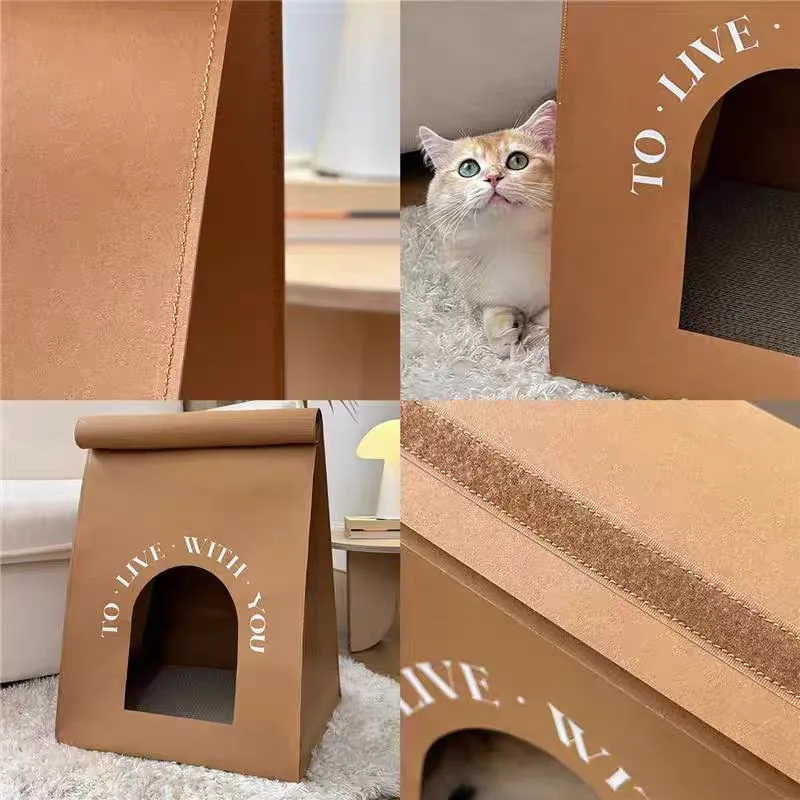
The performance of grey felt storage bags is dictated by several key engineering considerations. Tensile strength, measured in Newtons (N) or pounds-force (lbf), determines the bag's ability to withstand pulling forces during handling and transport. Tear strength, assessed using methods like the Elmendorf test, quantifies the force required to propagate a tear in the material. These properties are directly impacted by fiber denier (thickness), felt density, and the effectiveness of the needle-punching process. The porosity of the felt material allows for air circulation, which is crucial for preventing condensation buildup and protecting moisture-sensitive components. However, this porosity also necessitates careful consideration of dust ingress protection if the contents require a clean environment. Load-bearing capacity is dictated by the bag's dimensions and the material's tensile strength. Force analysis models, using finite element analysis (FEA), can predict stress distribution under various loading conditions, optimizing bag design for specific applications. Compliance requirements, such as RoHS and REACH, mandate limitations on hazardous substances within the materials. Environmental resistance is a critical factor; prolonged exposure to UV radiation can degrade polyester fibers, reducing tensile strength and causing discoloration. Consideration must be given to the operating temperature range; exceeding the polyester’s glass transition temperature can lead to deformation.
Technical Specifications
| Parameter | Unit | Typical Value | Test Method |
|---|---|---|---|
| Material | - | Polyester Non-woven Felt | Visual Inspection / Fiber Analysis |
| Density | gsm | 200-500 | ISO 3071 |
| Tensile Strength (Longitudinal) | N/50mm | 80-250 | ISO 527-3 |
| Tensile Strength (Transverse) | N/50mm | 60-200 | ISO 527-3 |
| Tear Strength | N | 40-150 | ISO 3377-1 |
| Color | - | Grey (Various Shades) | Visual Comparison to Standard |
Failure Mode & Maintenance
Grey felt storage bags are susceptible to several failure modes. Fatigue cracking can occur at seam points due to repeated stress during handling and lifting. Delamination, the separation of felt layers, can result from prolonged exposure to moisture or mechanical abrasion. Oxidation, triggered by UV radiation and elevated temperatures, leads to fiber degradation, reducing tensile strength and causing discoloration. Abrasion during transit, particularly against rough surfaces, can wear through the felt material, compromising its protective function. Dust accumulation, while not a structural failure, can compromise cleanliness requirements for sensitive components. Maintenance primarily focuses on preventative measures. Regular visual inspection of seams and material integrity is crucial. Storage in a cool, dry environment, away from direct sunlight, minimizes oxidation and moisture absorption. Avoid overloading the bags beyond their specified load-bearing capacity. For cleaning, gentle vacuuming or wiping with a damp cloth is recommended; avoid harsh chemicals or abrasive cleaners. If a bag exhibits significant tearing or delamination, it should be removed from service and replaced. Implementing a first-in, first-out (FIFO) inventory management system helps minimize prolonged storage and potential degradation.
Industry FAQ
Q: What is the typical lifespan of a grey felt storage bag under normal warehouse conditions?
A: The typical lifespan varies based on usage frequency, load weight, and environmental conditions. Generally, with moderate use and proper storage, a well-constructed bag can last between 6-18 months. However, frequent heavy loading, exposure to UV radiation, or abrasive handling can significantly reduce this lifespan.
Q: Can these bags be reused? If so, how many times?
A: Yes, these bags are generally reusable. The number of reuses depends on the severity of use and the frequency of inspection. With careful handling and regular inspection for damage, a bag can typically be reused 5-10 times, potentially more for lighter-duty applications.
Q: How does the felt density (gsm) impact the bag's performance?
A: Higher gsm values correlate directly with increased strength, durability, and cushioning. A higher density provides better protection against impact and abrasion. However, higher gsm also increases the bag’s weight and cost.
Q: Are these bags recyclable? What are the end-of-life options?
A: Polyester felt can be recycled, but the process is not as widespread as with other plastics. Some recycling facilities accept polyester fabrics; however, contamination (e.g., labels, adhesives) can hinder recyclability. Incineration with energy recovery is another option, but it’s less environmentally desirable. Exploring closed-loop recycling programs with suppliers is recommended.
Q: What level of moisture protection do these bags provide?
A: While the felt material provides some inherent protection against light moisture, it is not waterproof. The porosity of the felt allows for breathability, but also permits water ingress. For applications requiring complete waterproof protection, additional liners or coatings are necessary.
Conclusion
Grey felt storage bags offer a cost-effective and versatile solution for material handling and protection across diverse industries. Their performance characteristics – tensile strength, tear resistance, and porosity – are governed by the material properties of polyester felt and the precision of the manufacturing process. Understanding potential failure modes, such as fatigue cracking and oxidation, is crucial for implementing preventative maintenance and maximizing lifespan.
Looking forward, advancements in felt manufacturing technologies, including the incorporation of recycled polyester fibers and bio-based polymers, will enhance the sustainability profile of these bags. Continued refinement of design parameters, informed by FEA and rigorous testing, will optimize their performance and extend their applicability to increasingly demanding applications. Prioritizing quality control throughout the supply chain remains essential to ensure consistent product performance and reliability.


 English
  Afrikaans
  Albanian
  Amharic
  Arabic
  Armenian
  Azerbaijani
  Basque
  Belarusian
  Bengali
  Bosnian
  Bulgarian
  Catalan
  Cebuano
  Corsican
  Croatian
  Czech
Czech  Danish
  Dutch
Dutch  Esperanto
  Estonian
  Finnish
  French
  Frisian
  Galician
  Georgian
  German
  Greek
Greek  Gujarati
  Haitian Creole
  Hausa
Hausa  Hebrew
  Hindi
Hindi  Miao
Miao  Hungarian
  Icelandic
  Igbo
Igbo  Indonesian
  Irish
Irish  Italian
  Japanese
  Javanese
  Kazakh
  Khmer
Khmer  Rwandese
  Korean
  Kurdish
  Kyrgyz
  Lao
Lao  Latin
Latin  Latvian
  Lithuanian
  Luxembourgish
  Macedonian
  Malgashi
  Malay
Malay  Malayalam
  Maltese
  Maori
Maori  Marathi
  Mongolian
  Myanmar
  Nepali
  Norwegian
  Norwegian
  Occitan
  Pashto
  Persian
  Polish
  Portuguese
  Romanian
  Russian
  Samoan
  Scottish Gaelic
  Serbian
  Sesotho
  Shona
Shona  Sindhi
  Sinhala
  Slovak
  Slovenian
  Somali
  Spanish
  Sundanese
  Swahili
  Swedish
  Tajik
Tajik  Tamil
Tamil  Tatar
Tatar  Telugu
  Thai
Thai  Turkish
  Turkmen
  Ukrainian
  Urdu
Urdu  Uighur
  Uzbek
Uzbek  Vietnamese
  Welsh
Welsh  Bantu
Bantu  Yiddish
  Yoruba
  Zulu
Zulu