Apr . 01, 2024 17:55 Back to list
hair wrap microfiber towel Performance Analysis
Introduction
The hair wrap microfiber towel represents a significant advancement in hair care and drying technology. Classified as a specialized textile product within the broader absorbent goods industry, it serves as a gentle and efficient alternative to traditional cotton towels, significantly reducing drying time and minimizing hair damage. This product leverages the unique physical properties of microfiber materials, specifically engineered for superior water absorption and rapid evaporation. Its core performance characteristics – absorbency, softness, durability, and reduced friction – position it as a premium solution for individuals seeking optimal hair health and convenience. The market demand stems from increasing awareness regarding hair health and the limitations of conventional towel materials in causing frizz and breakage. This guide provides a comprehensive technical overview of hair wrap microfiber towels, covering materials, manufacturing, performance, failure modes, and industry standards.
Material Science & Manufacturing
Hair wrap microfiber towels are predominantly constructed from blends of polyester and polyamide (nylon) microfibers. Polyester provides the structural integrity and bulk, while polyamide enhances absorbency and softness. The fibers are typically split during manufacturing, creating a significantly increased surface area – a crucial factor in enhancing water absorption capabilities. The denier (fiber thickness) typically ranges between 0.2 and 0.3, resulting in fibers considerably finer than a human hair.
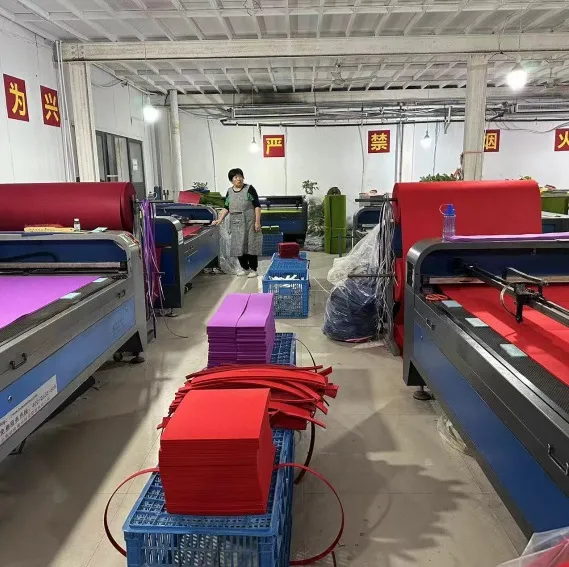
Manufacturing Process: The production begins with polymer extrusion, creating continuous filaments. These filaments undergo a splitting process, usually achieved through jet cutting or chemical etching, to create the characteristic microfiber structure. The split fibers are then woven or knitted into a fabric structure. The most common weaving patterns are plain weave or twill weave, chosen for their balance of durability and softness. Knitting, particularly tricot or warp knitting, is often used for creating looped structures that further enhance absorbency. Following fabric formation, the material undergoes dyeing and finishing processes. Dyeing is typically performed using disperse dyes for polyester and acid dyes for polyamide. Finishing treatments may include softening agents (silicones or quaternary ammonium compounds) to improve tactile comfort and anti-static agents to minimize cling. Critical parameters in manufacturing include fiber splitting ratio (aiming for complete splitting to maximize surface area), fabric density (influencing absorbency and durability), and dye penetration (ensuring uniform color distribution). Quality control focuses on fiber composition verification (through spectroscopic analysis), fabric weight (grams per square meter), and absorbency testing (using standardized wicking tests).
Performance & Engineering
The performance of a hair wrap microfiber towel is governed by several key engineering principles. Absorbency is directly related to the capillary action generated by the microfibers' increased surface area. Water is drawn into the spaces between the fibers and held through surface tension. Evaporation Rate is enhanced by the large surface area exposed to air, facilitating rapid moisture release. Friction Reduction is critical for minimizing hair damage. The smooth microfiber surface generates significantly less friction compared to cotton, reducing the likelihood of cuticle damage and frizz. Tensile Strength & Elongation determine the towel’s durability and resistance to tearing during use and laundering. These properties are dependent on fiber type, weave/knit structure, and finishing treatments.
Environmental Resistance: Microfiber towels exhibit good resistance to common household chemicals such as mild detergents and shampoos, but prolonged exposure to strong alkaline solutions or bleach can degrade the fibers. UV exposure can also lead to polymer chain scission and color fading. Compliance Requirements: Textile products intended for direct skin contact must comply with relevant safety standards, such as OEKO-TEX Standard 100, which certifies the absence of harmful substances. Washability requirements are often specified based on intended use, typically requiring the towel to withstand numerous washing cycles without significant loss of absorbency or structural integrity. Force analysis during use indicates minimal stress concentration on individual fibers, contributing to the towel's overall durability.
Technical Specifications
| Parameter | Unit | Typical Value | Test Method |
|---|---|---|---|
| Fiber Composition (Polyester/Polyamide) | % | 80/20 | ASTM D790 |
| Fabric Weight | g/m² | 200-300 | ISO 3801 |
| Absorbency (Water Uptake) | % | 300-500 | ISO 9077 |
| Drying Time (on hair) | minutes | 15-30 | In-house testing (simulated hair drying) |
| Tensile Strength (Warp/Weft) | N/cm | >20 | ISO 5079 |
| Elongation at Break (Warp/Weft) | % | >15 | ISO 5079 |
Failure Mode & Maintenance
Common failure modes in hair wrap microfiber towels include fiber shedding (due to incomplete splitting or mechanical abrasion), loss of absorbency (resulting from fiber clogging with hair products, detergents, or mineral deposits), seam failure (caused by stress concentration at stitching points), and color fading (due to UV exposure and repeated washing). Delamination, or separation of fabric layers, can occur in lower-quality constructions. Microplastic Release is a growing concern; frequent washing can cause microfibers to break down and enter wastewater systems.
Maintenance Solutions: To prolong the lifespan and maintain performance, the following practices are recommended: Wash the towel separately from other laundry to minimize lint transfer. Use a mild, liquid detergent and avoid fabric softeners, which can coat the fibers and reduce absorbency. Wash in lukewarm water (below 40°C) and avoid high heat drying, as this can damage the fibers. Regularly rinse the towel with white vinegar to remove residue buildup. Store the towel in a clean, dry place away from direct sunlight. Consider using a laundry bag designed to capture microfibers during washing to mitigate microplastic pollution.
Industry FAQ
Q: What is the primary advantage of using a microfiber towel compared to a traditional cotton towel for hair drying?
A: Microfiber towels offer significantly reduced drying time due to their superior absorbency and increased surface area. This minimizes the time hair is exposed to friction, resulting in less frizz, breakage, and damage compared to the harsher texture of cotton towels. The capillary action of the microfiber draws water away from the hair rather than just rubbing it across the surface.
Q: How does the fiber split ratio affect the performance of the towel?
A: The fiber split ratio is a critical factor. A higher split ratio (more individual microfibers created from each filament) directly translates to a larger surface area, leading to increased absorbency and faster drying times. Incompletely split fibers result in reduced performance and a less soft texture.
Q: What types of detergents should be avoided when washing microfiber towels?
A: Detergents containing fabric softeners, bleach, or enzymes should be avoided. Fabric softeners coat the fibers, reducing their absorbency. Bleach can degrade the polyester and polyamide fibers. Enzymes can break down the fiber structure over time.
Q: Is there a concern about microplastic release from microfiber towels during washing? What can be done to mitigate this?
A: Yes, there is a concern. Microfibers can shed during washing, contributing to microplastic pollution. Using a laundry bag specifically designed to capture microfibers, washing at lower temperatures, and reducing washing frequency can help mitigate this issue. Choosing higher-quality towels with tightly woven structures can also reduce shedding.
Q: How does the weave or knit structure impact the overall durability and lifespan of the towel?
A: Tightly woven or knitted structures generally offer greater durability and resistance to tearing. Plain and twill weaves are commonly used for their balance of strength and softness. Looped structures created through knitting can enhance absorbency but may be more susceptible to snagging or pulling. The density of the weave/knit, measured in threads per inch (TPI), is a key indicator of quality.
Conclusion
The hair wrap microfiber towel represents a refined textile solution for hair care, leveraging the unique properties of microfiber technology to deliver superior absorbency, reduced drying time, and minimized hair damage. Its performance characteristics are directly linked to material composition, manufacturing processes, and structural design. Understanding these technical aspects is crucial for procurement managers and consumers alike to make informed decisions based on quality and longevity.
Future developments in this area may focus on incorporating sustainable materials, such as recycled polyester or bio-based polyamides, to address environmental concerns. Further research into fiber coating technologies could also enhance absorbency and reduce microplastic release. Optimizing weave/knit structures for improved durability and reduced shedding will continue to be a priority in the evolution of this product category.


 English
  Afrikaans
  Albanian
  Amharic
  Arabic
  Armenian
  Azerbaijani
  Basque
  Belarusian
  Bengali
  Bosnian
  Bulgarian
  Catalan
  Cebuano
  Corsican
  Croatian
  Czech
Czech  Danish
  Dutch
Dutch  Esperanto
  Estonian
  Finnish
  French
  Frisian
  Galician
  Georgian
  German
  Greek
Greek  Gujarati
  Haitian Creole
  Hausa
Hausa  Hebrew
  Hindi
Hindi  Miao
Miao  Hungarian
  Icelandic
  Igbo
Igbo  Indonesian
  Irish
Irish  Italian
  Japanese
  Javanese
  Kazakh
  Khmer
Khmer  Rwandese
  Korean
  Kurdish
  Kyrgyz
  Lao
Lao  Latin
Latin  Latvian
  Lithuanian
  Luxembourgish
  Macedonian
  Malgashi
  Malay
Malay  Malayalam
  Maltese
  Maori
Maori  Marathi
  Mongolian
  Myanmar
  Nepali
  Norwegian
  Norwegian
  Occitan
  Pashto
  Persian
  Polish
  Portuguese
  Romanian
  Russian
  Samoan
  Scottish Gaelic
  Serbian
  Sesotho
  Shona
Shona  Sindhi
  Sinhala
  Slovak
  Slovenian
  Somali
  Spanish
  Sundanese
  Swahili
  Swedish
  Tajik
Tajik  Tamil
Tamil  Tatar
Tatar  Telugu
  Thai
Thai  Turkish
  Turkmen
  Ukrainian
  Urdu
Urdu  Uighur
  Uzbek
Uzbek  Vietnamese
  Welsh
Welsh  Bantu
Bantu  Yiddish
  Yoruba
  Zulu
Zulu