Apr . 01, 2024 17:55 Back to list
hotel collection bath sheets Performance Engineering
Introduction
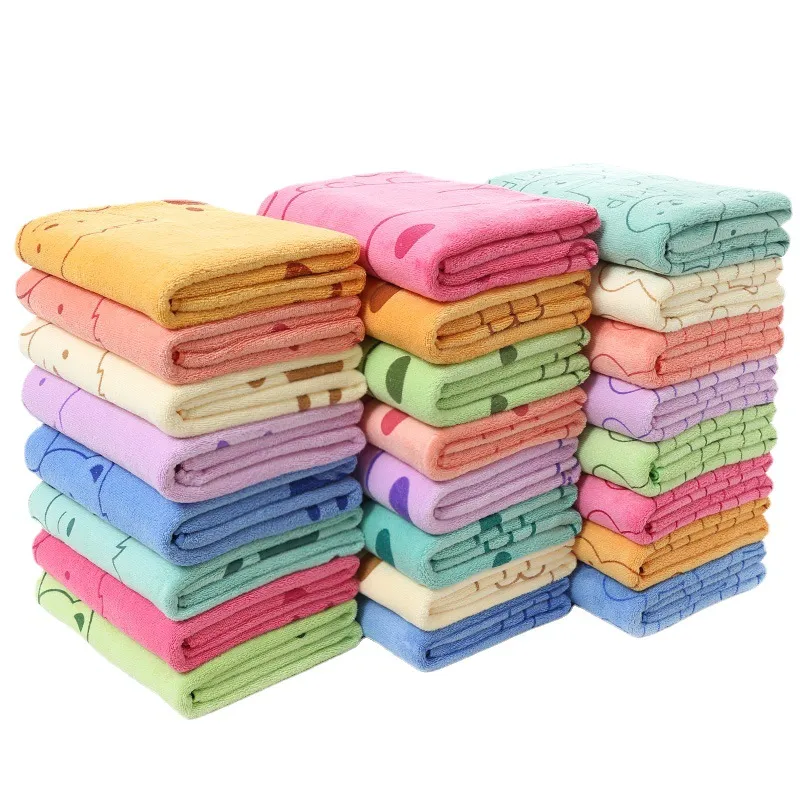
Hotel collection bath sheets represent a premium segment within the broader towel and linen industry, engineered specifically for the hospitality sector. Positioned between standard bath towels and bath mats in the textile chain, these oversized towels (typically 35x60 inches or larger) prioritize absorbency, durability, and a luxurious feel. Their core performance lies in a combination of high GSM (grams per square meter) construction, loop pile density, and fiber composition, influencing water absorption rate, drying time, and longevity under rigorous, industrial laundering cycles. Addressing key industry pain points – frequent washing, guest satisfaction regarding softness and absorbency, and maintaining a pristine appearance – necessitates a thorough understanding of the materials, manufacturing processes, and performance characteristics defining these specialized textiles.
Material Science & Manufacturing
The dominant raw material for hotel collection bath sheets is cotton, with long-staple varieties like Egyptian, Pima, and Turkish cotton favored for their superior fiber length, strength, and absorbency. These fibers possess a larger surface area, contributing to increased water-holding capacity. Manufacturing begins with yarn spinning, where cotton fibers are twisted into yarn. Yarn count (the number of wraps per inch) is a critical parameter; higher yarn counts generally indicate finer, stronger, and softer towels. The weaving process most commonly employed is the zero-twist weaving technique, designed to create a larger surface area for water absorption. Following weaving, the fabric undergoes bleaching to achieve a consistent white base. Dyeing processes utilize reactive dyes for colorfastness, a crucial requirement for industrial laundry cycles. Loop pile construction is achieved through cutting or looping the yarn on the surface of the fabric. Loop height and density directly impact absorbency and tactile feel. Critical parameter control includes maintaining consistent yarn tension during weaving, precise dye bath concentrations, and rigorous quality checks for loop integrity. Finishing treatments, such as softening agents, are applied to enhance the initial feel, although these can degrade with repeated laundering.
Performance & Engineering
Performance of hotel collection bath sheets is dictated by several engineering principles. Water absorption is fundamentally governed by capillary action and the surface area of the towel fibers. Higher GSM and loop density maximize this surface area. Tensile strength, essential for withstanding frequent washing and handling, is determined by the fiber properties (length, strength) and the weave construction. Dimensional stability is vital to prevent excessive shrinkage after laundering. This is influenced by fiber shrinkage rates and the degree of pre-shrinking during manufacturing. Environmental resistance is primarily focused on colorfastness to chlorine bleach, a common sanitizing agent in commercial laundries, and resistance to degradation from high temperatures and alkaline detergents. Compliance requirements, such as OEKO-TEX Standard 100, ensure the absence of harmful substances. Force analysis during use centers on the stress experienced by the loops during wiping and drying, dictating the need for robust loop construction. The thermal conductivity of the towel influences drying speed, impacting guest comfort. Proper engineering balances absorbency, durability, and quick drying to meet the demands of high-volume hospitality operations.
Technical Specifications
| Parameter | Standard Bath Towel | Hotel Collection Bath Sheet | Premium Hotel Bath Sheet |
|---|---|---|---|
| GSM (grams per square meter) | 400-600 | 600-900 | 700-1000 |
| Dimensions (inches) | 27x52 | 35x60 or larger | 35x60 or larger |
| Fiber Content | 100% Cotton (various staple lengths) | 100% Long-Staple Cotton (Egyptian, Pima, Turkish) | 100% Extra-Long Staple Cotton (Egyptian, Pima, Supima) |
| Yarn Count | 16s - 20s | 24s - 30s | 30s - 40s |
| Loop Pile Height (mm) | 1.5 - 2.5 | 2.0 - 3.5 | 2.5 - 4.0 |
| Shrinkage (after 5 washes) | 3-5% | 1-3% | <1% |
Failure Mode & Maintenance
Hotel collection bath sheets are susceptible to several failure modes under rigorous commercial laundering conditions. Fiber breakage and pilling are common, resulting in a loss of absorbency and a degraded appearance. Loop shearing, caused by abrasion during washing and drying, reduces the towel’s surface area and compromises its functionality. Color fading, particularly with prolonged exposure to chlorine bleach, diminishes aesthetic appeal and can indicate fiber degradation. Delamination, or separation of the pile from the backing weave, represents a catastrophic failure. Weakened seams can lead to unraveling and tearing. Maintenance best practices involve using low-chlorine detergents, avoiding overloading washing machines, employing moderate drying temperatures, and inspecting towels regularly for damage. Pre-emptive repair of minor tears can prevent further unraveling. Proper storage in a dry, well-ventilated area minimizes mildew growth and fiber degradation. Employing a towel rotation system distributes wear evenly across the entire inventory, extending the overall lifespan and minimizing premature failures. Consideration should also be given to water hardness, as hard water can accelerate detergent buildup and fiber stiffening.
Industry FAQ
Q: What GSM is considered optimal for a hotel collection bath sheet to balance absorbency and drying time?
A: A GSM between 650-800 gsm generally strikes the optimal balance. Lower GSM towels dry faster but offer less absorbency, while higher GSM towels offer superior absorbency but can take significantly longer to dry, potentially leading to mildew issues if not properly managed in a commercial laundry setting. The ideal GSM will also depend on the specific laundering practices and guest expectations.
Q: How does the type of cotton fiber (Egyptian, Pima, Turkish) impact the longevity of the bath sheet under industrial laundering?
A: Extra-long staple cottons like Egyptian and Pima exhibit superior fiber strength and resilience compared to Turkish cotton. This translates to better resistance to breakage and pilling during repeated washing and drying cycles. While Turkish cotton is known for absorbency, it’s generally less durable in high-volume laundering. Therefore, Egyptian or Pima cotton is preferred for maximizing lifespan.
Q: What is the acceptable shrinkage rate after repeated laundering, and what factors contribute to exceeding that rate?
A: An acceptable shrinkage rate is typically less than 3% after five washes. Exceeding this rate can be attributed to inadequate pre-shrinking during manufacturing, excessive water temperatures during washing, and aggressive drying cycles. The weave structure also plays a role, with looser weaves being more prone to shrinkage.
Q: What specific chemical treatments can extend the lifespan of a hotel collection bath sheet and maintain its colorfastness?
A: Employing a color fixative during the dyeing process significantly improves colorfastness, particularly to chlorine bleach. Applying a silicone-based softener can help maintain fiber integrity and reduce pilling, but avoid excessive use as it can reduce absorbency. Using a detergent specifically formulated for commercial laundries, with pH-balanced enzymes, can effectively remove stains without damaging the fibers.
Q: What are the implications of choosing a towel with a lower yarn count, and how does this impact cost versus performance?
A: Lower yarn counts (e.g., 16s-20s) typically translate to lower production costs but also result in coarser, less durable towels with reduced absorbency. While initially more economical, the shorter lifespan and potentially negative impact on guest experience can offset the initial cost savings. Investing in higher yarn counts (e.g., 24s-30s or higher) provides a longer-lasting, more luxurious product, offering a better return on investment over the towel's operational life.
Conclusion
Hotel collection bath sheets represent a complex intersection of material science, textile engineering, and operational demands. Achieving optimal performance – balancing absorbency, durability, and cost-effectiveness – necessitates careful consideration of fiber selection, yarn construction, weave density, and finishing treatments. The long-term success of these textiles within the hospitality industry hinges on a proactive approach to maintenance, utilizing appropriate laundering practices, and addressing potential failure modes through preventative measures.
Future advancements in textile technology will likely focus on developing sustainable and biodegradable fiber alternatives, improving colorfastness through innovative dyeing processes, and incorporating antimicrobial treatments to enhance hygiene. Continued research into loop pile construction and fiber blending will further optimize the performance characteristics of hotel collection bath sheets, ensuring they continue to meet the evolving needs of the hospitality sector.


 English
  Afrikaans
  Albanian
  Amharic
  Arabic
  Armenian
  Azerbaijani
  Basque
  Belarusian
  Bengali
  Bosnian
  Bulgarian
  Catalan
  Cebuano
  Corsican
  Croatian
  Czech
Czech  Danish
  Dutch
Dutch  Esperanto
  Estonian
  Finnish
  French
  Frisian
  Galician
  Georgian
  German
  Greek
Greek  Gujarati
  Haitian Creole
  Hausa
Hausa  Hebrew
  Hindi
Hindi  Miao
Miao  Hungarian
  Icelandic
  Igbo
Igbo  Indonesian
  Irish
Irish  Italian
  Japanese
  Javanese
  Kazakh
  Khmer
Khmer  Rwandese
  Korean
  Kurdish
  Kyrgyz
  Lao
Lao  Latin
Latin  Latvian
  Lithuanian
  Luxembourgish
  Macedonian
  Malgashi
  Malay
Malay  Malayalam
  Maltese
  Maori
Maori  Marathi
  Mongolian
  Myanmar
  Nepali
  Norwegian
  Norwegian
  Occitan
  Pashto
  Persian
  Polish
  Portuguese
  Romanian
  Russian
  Samoan
  Scottish Gaelic
  Serbian
  Sesotho
  Shona
Shona  Sindhi
  Sinhala
  Slovak
  Slovenian
  Somali
  Spanish
  Sundanese
  Swahili
  Swedish
  Tajik
Tajik  Tamil
Tamil  Tatar
Tatar  Telugu
  Thai
Thai  Turkish
  Turkmen
  Ukrainian
  Urdu
Urdu  Uighur
  Uzbek
Uzbek  Vietnamese
  Welsh
Welsh  Bantu
Bantu  Yiddish
  Yoruba
  Zulu
Zulu