Apr . 01, 2024 17:55 Back to list
large microfiber cloth Performance Analysis
Introduction
Large microfiber cloths represent a significant advancement in cleaning and polishing technologies across diverse industrial sectors. These cloths, typically composed of synthetic fibers – predominantly polyester and polyamide (nylon) – are engineered to deliver superior cleaning performance compared to traditional cotton cloths. Their efficacy stems from the incredibly small fiber size (less than one denier) and the resultant high density of fibers per square inch. This construction creates a capillary action that effectively lifts and traps dirt, dust, oil, and other contaminants. Within the industrial supply chain, microfiber cloths position themselves as a critical consumable in manufacturing, automotive, aerospace, healthcare, and food processing, impacting surface preparation, quality control, and facility maintenance. Core performance characteristics center around absorbency, cleaning efficiency, lint generation, durability, and compatibility with various cleaning solutions. The increasing demand for optimized surface cleanliness and reduced chemical usage drives the continued adoption of large microfiber cloths.
Material Science & Manufacturing
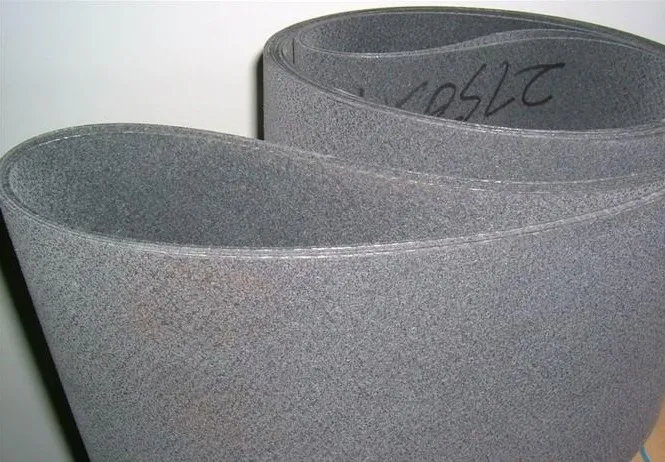
Microfiber cloths are fundamentally based on the material properties of polyester and polyamide. Polyester (polyethylene terephthalate – PET) contributes to durability, resistance to stretching and shrinking, and cost-effectiveness. Polyamide (nylon 6 or nylon 6,6) imparts superior absorbency, softness, and enhanced cleaning capability due to its inherent polarity. The ratio of polyester to polyamide dictates the cloth’s performance profile; higher polyamide content generally increases absorbency but may reduce durability. Manufacturing commences with polymer extrusion, producing filaments with diameters significantly smaller than human hair (typically 0.5-3.0 micrometers). These filaments undergo a splitting process – mechanical or chemical – to increase the surface area exponentially. This splitting creates the microfiber structure with its millions of tiny fibers. The splitting process is crucial; incomplete splitting results in reduced cleaning efficiency. After splitting, the fibers are woven or knitted into a fabric. Woven fabrics offer greater durability and lower linting, while knitted fabrics provide higher absorbency and softness. Key parameters during manufacturing include fiber denier, splitting ratio, weave/knit density, and post-treatment processes (e.g., ultrasonic cleaning to remove loose fibers, dyeing, and application of anti-static agents). Control of these parameters is essential to achieve desired performance attributes. Manufacturing defects like uneven fiber distribution, inadequate splitting, or contamination must be rigorously controlled through quality assurance procedures.
Performance & Engineering
The performance of large microfiber cloths is dictated by several engineering principles. Absorbency is directly related to the capillary action generated by the small inter-fiber spaces. The wettability of the fibers, influenced by the polyamide content and any surface treatments, dictates the rate of fluid absorption. Cleaning efficiency relies on the mechanical action of the fibers lifting and trapping contaminants, coupled with the electrostatic attraction between the fibers and the particles. Lint generation is inversely proportional to fiber strength and weave/knit density. High-quality microfiber cloths exhibit minimal linting, crucial for applications like optics cleaning and automotive painting. Durability is assessed by tensile strength, tear resistance, and resistance to abrasion. These properties are influenced by the polymer type, fiber denier, and weave/knit structure. Environmental resistance considers the cloth’s performance under varying temperatures, humidity levels, and exposure to chemicals. Compatibility with cleaning solutions (solvents, detergents, disinfectants) is critical; certain chemicals can degrade the fibers or reduce their cleaning efficacy. Force analysis, specifically frictional force, is important in applications involving polishing or wiping. Compliance requirements, such as cleanroom standards (ISO 14644-1) or FDA regulations for food contact surfaces, necessitate stringent control of particle shedding, extractables, and biocompatibility.
Technical Specifications
| Parameter | Unit | Typical Value | Test Method |
|---|---|---|---|
| Fiber Composition | % | Polyester: 80, Polyamide: 20 | FTIR Spectroscopy |
| Weight | g/m² | 300-400 | Gravimetric Analysis |
| Absorbency | g/g | 3-5 | ASTM D583 |
| Particle Capture Efficiency | % | >99 | ISO 15369 |
| Tensile Strength (Warp) | N/5cm | >50 | ASTM D4342 |
| Tensile Strength (Weft) | N/5cm | >40 | ASTM D4342 |
Failure Mode & Maintenance
Large microfiber cloths are susceptible to several failure modes. Abrasion during use can lead to fiber breakage and reduced cleaning efficacy. Repeated washing, particularly with harsh detergents or high temperatures, can degrade the fibers, causing them to lose their shape and absorbency. Chemical attack from aggressive solvents or strong acids can cause fiber dissolution or discoloration. Microbial growth, particularly in humid environments, can lead to odor development and potential contamination. Oxidation from prolonged exposure to UV light can also degrade the fibers. Fatigue cracking can occur in woven fabrics due to repeated bending and stress. Delamination, where the layers of the cloth separate, is a less common but potentially significant failure mode. Maintenance protocols are crucial for extending the lifespan and ensuring optimal performance. Regular washing (typically at 60°C or lower) with a mild detergent is recommended. Avoid using fabric softeners, bleach, or chlorine-based cleaners, as these can damage the fibers. Air drying is preferred over machine drying, as high temperatures can cause shrinkage and fiber degradation. Regular inspection for signs of wear and tear (fraying, discoloration, loss of absorbency) is essential. Contaminated cloths should be laundered separately to prevent cross-contamination.
Industry FAQ
Q: What is the difference between a woven and a knitted microfiber cloth, and which is better for cleaning sensitive optical lenses?
A: Woven microfiber cloths have a tighter weave and lower surface area, resulting in reduced linting and higher durability. Knitted cloths possess a looser structure, offering greater absorbency and softness. For cleaning sensitive optical lenses, a woven microfiber cloth is strongly preferred due to its minimal lint generation, preventing scratches and ensuring a clear, streak-free surface.
Q: How does the polyamide content affect the lifespan of a microfiber cloth?
A: Higher polyamide content generally increases absorbency and softness but can reduce overall durability. Polyamide fibers are more susceptible to degradation from abrasion and chemical exposure than polyester fibers. Therefore, cloths with a lower polyamide content tend to have a longer lifespan, particularly in demanding industrial applications.
Q: Can microfiber cloths be effectively sanitized for use in a cleanroom environment?
A: Yes, microfiber cloths can be sanitized for cleanroom use, but the method is critical. Autoclaving, gamma irradiation, or validated steam sterilization are suitable options. However, repeated autoclaving can degrade the fibers. It’s essential to use a validated cleaning process that removes contaminants and doesn’t introduce new particles. Regular particle counts and extractable studies should be performed to verify the cloth's cleanliness.
Q: What types of cleaning solutions are incompatible with microfiber cloths?
A: Strong acids, alkalis, oxidizing agents, and chlorine-based bleach can degrade the fibers of microfiber cloths. Solvents like acetone and toluene should also be avoided as they can dissolve the polymers. Fabric softeners and detergents containing optical brighteners can leave residues that reduce the cloth's absorbency and cleaning efficiency.
Q: How can I determine if a microfiber cloth has reached the end of its useful life?
A: Signs of wear include significant fraying, discoloration, reduced absorbency, and increased lint generation. A simple visual inspection can reveal obvious damage. More quantitatively, a decline in particle capture efficiency (measured using ISO 15369) or a decrease in tensile strength (measured using ASTM D4342) indicates that the cloth should be replaced.
Conclusion
Large microfiber cloths represent a significant advancement in surface cleaning and polishing technology, offering superior performance characteristics compared to traditional materials. Their effectiveness is intrinsically linked to the material science of polyester and polyamide, the precision of the manufacturing process (particularly fiber splitting and weave/knit structure), and the careful consideration of performance parameters like absorbency, durability, and chemical compatibility. The increasing demand for high-cleanliness standards across various industries will continue to drive the adoption of these advanced cleaning tools.
Future developments in microfiber technology may focus on incorporating antimicrobial agents, enhancing stain resistance, and developing more sustainable fiber sources. Optimizing washing protocols and extending cloth lifespan through advanced polymer formulations are also key areas for innovation. Selecting the appropriate microfiber cloth for a specific application requires a thorough understanding of the operating environment, the type of contaminant being removed, and the relevant industry standards.


 English
  Afrikaans
  Albanian
  Amharic
  Arabic
  Armenian
  Azerbaijani
  Basque
  Belarusian
  Bengali
  Bosnian
  Bulgarian
  Catalan
  Cebuano
  Corsican
  Croatian
  Czech
Czech  Danish
  Dutch
Dutch  Esperanto
  Estonian
  Finnish
  French
  Frisian
  Galician
  Georgian
  German
  Greek
Greek  Gujarati
  Haitian Creole
  Hausa
Hausa  Hebrew
  Hindi
Hindi  Miao
Miao  Hungarian
  Icelandic
  Igbo
Igbo  Indonesian
  Irish
Irish  Italian
  Japanese
  Javanese
  Kazakh
  Khmer
Khmer  Rwandese
  Korean
  Kurdish
  Kyrgyz
  Lao
Lao  Latin
Latin  Latvian
  Lithuanian
  Luxembourgish
  Macedonian
  Malgashi
  Malay
Malay  Malayalam
  Maltese
  Maori
Maori  Marathi
  Mongolian
  Myanmar
  Nepali
  Norwegian
  Norwegian
  Occitan
  Pashto
  Persian
  Polish
  Portuguese
  Romanian
  Russian
  Samoan
  Scottish Gaelic
  Serbian
  Sesotho
  Shona
Shona  Sindhi
  Sinhala
  Slovak
  Slovenian
  Somali
  Spanish
  Sundanese
  Swahili
  Swedish
  Tajik
Tajik  Tamil
Tamil  Tatar
Tatar  Telugu
  Thai
Thai  Turkish
  Turkmen
  Ukrainian
  Urdu
Urdu  Uighur
  Uzbek
Uzbek  Vietnamese
  Welsh
Welsh  Bantu
Bantu  Yiddish
  Yoruba
  Zulu
Zulu