Apr . 01, 2024 17:55 Back to list
micro fiber bath towels Performance Analysis
Introduction
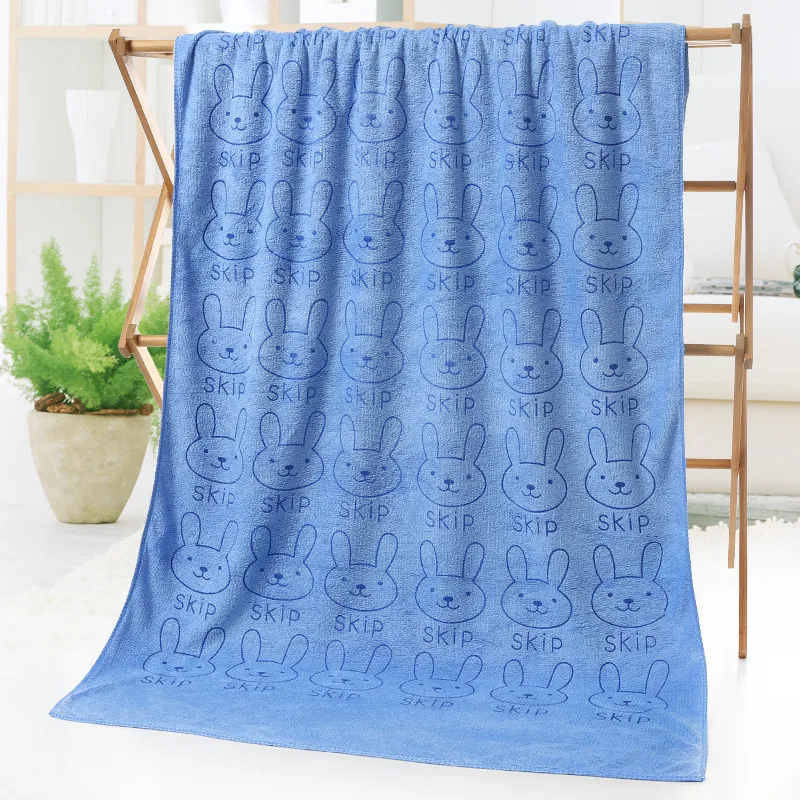
Microfiber bath towels represent a significant advancement in textile technology, offering enhanced absorbency, softness, and durability compared to traditional cotton towels. Composed of synthetic fibers, typically polyester and polyamide (nylon), these towels are engineered to provide a superior drying experience. Their technical position in the textile chain lies as a performance-focused alternative, addressing limitations in cotton’s drying speed, weight when wet, and susceptibility to mildew. Core performance characteristics revolve around denier (fiber fineness), fabric construction (e.g., knit, weave), and pile height, all influencing water absorption capacity, drying rate, and tactile feel. The industry faces challenges related to microplastic shedding during laundering and maintaining consistent fiber quality throughout production, impacting both environmental concerns and product longevity.
Material Science & Manufacturing
Microfiber bath towels are primarily constructed from polyester and polyamide (nylon) fibers, each contributing distinct properties. Polyester provides durability, shape retention, and resistance to stretching and shrinking. Polyamide, with its higher water absorption capacity, enhances the towel’s quick-drying capability. The production process begins with the polymerization of these materials, creating polymer chips. These chips are then melt-spun to form continuous filaments. The denier, measured in grams per 9000 meters, is a critical parameter; lower denier values indicate finer fibers, leading to increased surface area and improved absorbency. Following fiber production, these filaments are either woven or knitted into fabric. Knitting, particularly warp knitting, is common for creating a plush pile. Shearing is then performed to create the desired pile height and density. Dyeing occurs using specialized disperse dyes for polyester and acid dyes for polyamide, requiring precise temperature and pH control to ensure colorfastness. Quality control focuses on fiber composition verification via infrared spectroscopy, tensile strength testing (ASTM D2256), and pilling resistance assessment (ASTM D3512). A critical manufacturing parameter is the tension applied during weaving/knitting; inconsistent tension leads to fabric distortion and uneven pile.
Performance & Engineering
The performance of microfiber towels is directly related to their physical structure and inherent properties. Water absorption is governed by capillary action, facilitated by the extremely fine fibers creating a large surface area. The wicking ability, the rate at which water is transported across the fabric, is influenced by the fiber cross-section and fabric construction. Force analysis reveals that the tensile strength of microfiber fabrics, while generally lower than cotton, is sufficient for normal use, but susceptible to degradation from prolonged UV exposure and chlorine bleaching. Environmental resistance is a key concern, particularly regarding the release of microplastics during laundering. This can be mitigated by using tighter weave constructions and incorporating filtration systems into washing machines. Compliance requirements include adherence to OEKO-TEX Standard 100 for harmful substance testing and increasingly, regulations targeting microplastic pollution. Functional implementation necessitates optimizing pile height for optimal absorption (higher pile for greater capacity, lower pile for faster drying) and employing antimicrobial treatments to prevent bacterial growth, particularly in humid environments. The GSM (grams per square meter) is a key engineering parameter; higher GSM generally equates to greater absorbency and weight, but also longer drying times.
Technical Specifications
| Parameter | Typical Value (Low-End) | Typical Value (Mid-Range) | Typical Value (High-End) |
|---|---|---|---|
| Fiber Composition (Polyester/Polyamide) | 80/20 | 85/15 | 90/10 |
| Denier | 0.2 dtex | 0.1 dtex | 0.08 dtex |
| GSM (Grams per Square Meter) | 300 | 400 | 500 |
| Absorbency (Water Absorption Rate) | 300% (weight) | 400% (weight) | 500% (weight) |
| Drying Time (at 25°C, 50% RH) | 60 minutes | 45 minutes | 30 minutes |
| Tensile Strength (Warp/Weft) | 200/150 N/5cm | 250/200 N/5cm | 300/250 N/5cm |
Failure Mode & Maintenance
Microfiber towels are susceptible to several failure modes. Fatigue cracking can occur with repeated washing and drying, particularly if the fibers are stressed during the drying cycle (e.g., excessive heat). Delamination, or separation of fabric layers, can arise from poor bonding between fibers during manufacturing or aggressive laundering. Degradation of the fibers themselves results from prolonged exposure to UV radiation (sunlight) and harsh chemicals like chlorine bleach, leading to reduced strength and color fading. Oxidation can also occur over time, causing the fibers to become brittle. Microplastic shedding, although not a traditional "failure," is a significant concern, contributing to environmental pollution. Maintenance recommendations include washing towels in lukewarm water with a mild detergent, avoiding fabric softeners (which coat the fibers and reduce absorbency), and air-drying whenever possible. Avoid high heat in the dryer and do not use chlorine bleach. Periodic washing with vinegar can help remove detergent buildup and restore absorbency. To mitigate microplastic shedding, using a laundry bag designed to capture microfibers is recommended.
Industry FAQ
Q: What is the impact of different weave types (e.g., plain weave vs. twill weave) on the performance of microfiber towels?
A: Weave type significantly influences several performance characteristics. Plain weave offers good stability and durability, but can be less absorbent. Twill weave provides a softer feel and potentially better absorbency due to increased surface area, but may be less stable and more prone to snagging. A specialized knit construction, often used for high-end microfiber towels, maximizes pile height and absorbency, providing a plush feel but potentially requiring more careful laundering to prevent distortion.
Q: How does the use of antimicrobial treatments affect the longevity and performance of microfiber towels?
A: Antimicrobial treatments, such as silver ion technology, can inhibit bacterial growth and odor development, extending the lifespan of the towel and maintaining freshness. However, the efficacy of these treatments can diminish over time with repeated washing. Some treatments may also slightly reduce the absorbency of the towel. It's crucial to choose treatments that are durable, non-toxic, and do not significantly compromise the towel's primary function.
Q: What are the key considerations when selecting a microfiber towel supplier regarding quality control?
A: Rigorous quality control is paramount. Key considerations include verifying fiber composition through analytical testing (e.g., FTIR), assessing tensile strength and pilling resistance according to standardized methods (ASTM), and conducting dye fastness tests to ensure color stability. A reputable supplier will provide Certificates of Analysis (COA) for each batch and demonstrate adherence to relevant industry standards like OEKO-TEX. On-site audits of the manufacturing facility are recommended to assess production processes and quality assurance protocols.
Q: How do microfiber towels compare to cotton towels in terms of environmental impact, considering the entire lifecycle?
A: While microfiber towels require more energy to produce due to their synthetic nature, they generally require less water and pesticides during cultivation (compared to cotton). However, the primary environmental concern with microfiber towels is microplastic shedding during laundering, contributing to marine pollution. Cotton towels are biodegradable, but their cultivation can be water-intensive and reliant on significant pesticide use. A lifecycle assessment is necessary for a comprehensive comparison, but minimizing microplastic release is crucial for mitigating the environmental impact of microfiber towels.
Q: What advancements are being made in microfiber technology to address the issue of microplastic shedding?
A: Several advancements are underway. These include developing tighter weave constructions to reduce fiber loss, incorporating fiber locking technologies during manufacturing, and exploring biodegradable polyester alternatives. Surface modifications to the fibers are also being investigated to improve their cohesion and reduce shedding. Furthermore, research is focusing on creating washing machine filters specifically designed to capture microfibers before they enter wastewater systems.
Conclusion
Microfiber bath towels offer compelling performance advantages over traditional cotton towels, particularly in terms of absorbency, drying speed, and durability. However, understanding the nuances of material science, manufacturing processes, and potential failure modes is essential for selecting high-quality products and ensuring their longevity. Addressing the environmental challenge of microplastic shedding remains a critical focus for the industry, driving innovation in fiber technology and washing machine filtration systems.
The future of microfiber towel technology will likely involve the development of more sustainable materials, enhanced manufacturing techniques to minimize fiber loss, and continued optimization of fabric construction to balance performance and environmental impact. Procurement managers and engineers must remain informed of these advancements to make informed decisions and select products that meet both performance requirements and environmental responsibility goals.


 English
  Afrikaans
  Albanian
  Amharic
  Arabic
  Armenian
  Azerbaijani
  Basque
  Belarusian
  Bengali
  Bosnian
  Bulgarian
  Catalan
  Cebuano
  Corsican
  Croatian
  Czech
Czech  Danish
  Dutch
Dutch  Esperanto
  Estonian
  Finnish
  French
  Frisian
  Galician
  Georgian
  German
  Greek
Greek  Gujarati
  Haitian Creole
  Hausa
Hausa  Hebrew
  Hindi
Hindi  Miao
Miao  Hungarian
  Icelandic
  Igbo
Igbo  Indonesian
  Irish
Irish  Italian
  Japanese
  Javanese
  Kazakh
  Khmer
Khmer  Rwandese
  Korean
  Kurdish
  Kyrgyz
  Lao
Lao  Latin
Latin  Latvian
  Lithuanian
  Luxembourgish
  Macedonian
  Malgashi
  Malay
Malay  Malayalam
  Maltese
  Maori
Maori  Marathi
  Mongolian
  Myanmar
  Nepali
  Norwegian
  Norwegian
  Occitan
  Pashto
  Persian
  Polish
  Portuguese
  Romanian
  Russian
  Samoan
  Scottish Gaelic
  Serbian
  Sesotho
  Shona
Shona  Sindhi
  Sinhala
  Slovak
  Slovenian
  Somali
  Spanish
  Sundanese
  Swahili
  Swedish
  Tajik
Tajik  Tamil
Tamil  Tatar
Tatar  Telugu
  Thai
Thai  Turkish
  Turkmen
  Ukrainian
  Urdu
Urdu  Uighur
  Uzbek
Uzbek  Vietnamese
  Welsh
Welsh  Bantu
Bantu  Yiddish
  Yoruba
  Zulu
Zulu