Apr . 01, 2024 17:55 Back to list
microfiber bath sheet Performance Analysis

Introduction
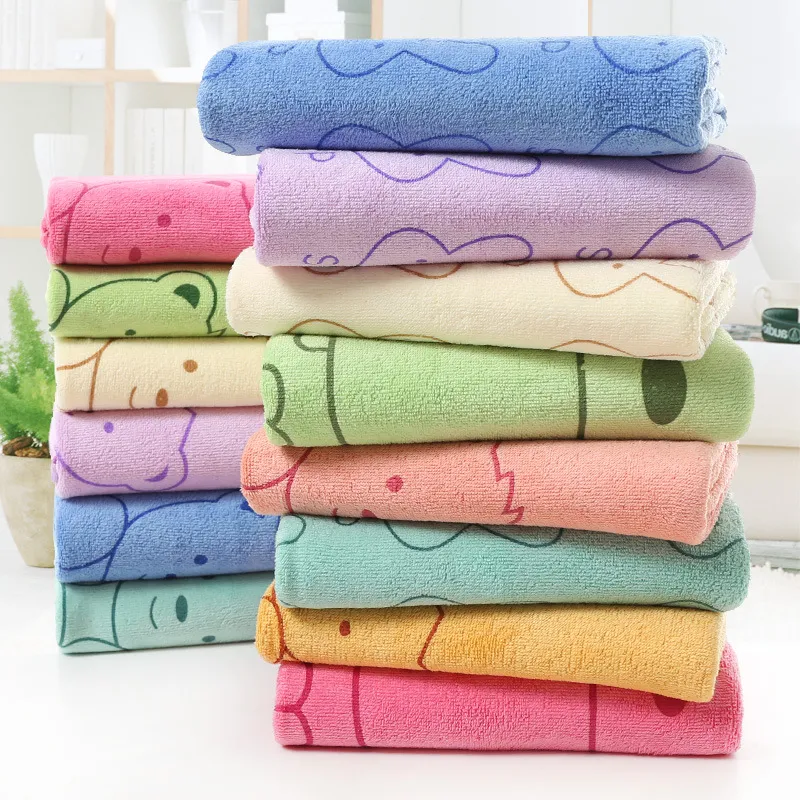
Microfiber bath sheets represent a significant advancement in textile technology for the home goods sector. Positioned within the broader category of absorbent textiles, they differentiate themselves from traditional cotton towels through their unique fiber composition and resulting performance characteristics. These sheets, typically exceeding standard towel dimensions, are engineered to provide enhanced absorbency, softness, and quick-drying capabilities. This technical guide will detail the material science, manufacturing processes, performance metrics, failure modes, and relevant industry standards governing microfiber bath sheets, addressing critical considerations for procurement, quality control, and end-use applications. The primary driver for increased adoption stems from consumer demand for superior comfort, faster drying times, and reduced laundry frequency, coupled with manufacturers' pursuit of improved production efficiencies and sustainable material options.
Material Science & Manufacturing
Microfiber bath sheets are predominantly constructed from polyester and polyamide (nylon) fibers, characterized by their extremely fine denier – typically less than 1 denier (9 micrograms per meter). This fineness is achieved through melt spinning, a process where the polymer is heated and extruded through spinnerets to create filaments. Polyester provides durability, resilience, and resistance to stretching, while polyamide contributes to increased absorbency and softness. The ratio of polyester to polyamide is crucial, influencing the final product characteristics; common blends include 80/20 and 70/30 polyester/polyamide. Manufacturing involves several key stages: polymer selection and purification, melt spinning, fiber drawing (to increase strength and reduce diameter), texturing (to create bulk and improve absorbency), yarn twisting and plying, weaving or knitting (typically a pile construction), dyeing and finishing (often incorporating anti-microbial treatments or softening agents), and finally, cutting and hemming. Critical parameters include maintaining consistent polymer molecular weight, precise control of spinneret temperature and extrusion rate, and optimized drawing ratios. The pile height and density also significantly affect absorbency and tactile feel. Quality control at each stage is vital to ensure uniformity and prevent defects such as uneven fiber distribution or yarn breakage.
Performance & Engineering
The performance of microfiber bath sheets is intrinsically linked to their physical structure and chemical properties. Absorbency is primarily determined by capillary action, enhanced by the split-fiber construction of microfiber. This splitting creates a vastly increased surface area compared to traditional cotton fibers, facilitating rapid water uptake. Water absorption rate is measured using standardized tests like those defined in ISO 9073-10. Drying time is significantly faster due to the reduced water retention capacity and improved air circulation within the microfiber structure. Tensile strength, measured according to ASTM D2256, is crucial for durability and resistance to tearing during use and laundering. Dimensional stability is also important, evaluated through wash-and-wear testing (ISO 5077). Microfiber's resistance to mildew and bacterial growth is superior to cotton, but this can be further enhanced with anti-microbial treatments. Force analysis during use involves consideration of the weight of absorbed water, the stresses during wiping, and the repeated bending and compression during laundering. Compliance requirements include adherence to OEKO-TEX Standard 100 for restricted substances and flammability standards like 16 CFR Part 1610. The engineering design focuses on optimizing pile height and density for desired absorbency and softness, while balancing cost and manufacturing feasibility.
Technical Specifications
| Parameter | Unit | Typical Value | Testing Standard |
|---|---|---|---|
| Fiber Composition (Polyester/Polyamide) | % | 80/20 | ASTM D7891 |
| Denier | μm | 0.2 - 0.8 | ASTM D1577 |
| Pile Height | mm | 2.5 - 5.0 | ISO 3071 |
| Absorbency (Water Uptake) | g/g | 5 - 8 | ISO 9073-10 |
| Drying Time | minutes | 15 - 30 | AATCC 158 |
| Tensile Strength (Warp/Weft) | N/cm | >20 / >15 | ASTM D2256 |
Failure Mode & Maintenance
Microfiber bath sheets, while durable, are susceptible to specific failure modes. Fiber shedding is common, especially during initial washes, resulting in linting. This is due to the cut ends of split microfibers becoming loose. Pile crushing, or matting, occurs with repeated use and washing, reducing absorbency and softness. This is exacerbated by harsh detergents and high drying temperatures. Hydrolysis of polyester fibers can occur over time, leading to loss of strength and integrity, particularly when exposed to high temperatures and prolonged moisture. Color fading is common with repeated laundering, especially with dyed microfiber. Seam failure can occur due to stress concentration and inadequate stitching. Maintenance recommendations include washing in cool or lukewarm water with mild detergents, avoiding fabric softeners (which can clog the fibers), tumble drying on low heat or air drying, and avoiding bleach or harsh chemicals. Regular cleaning of the washing machine filter is recommended to remove shed microfibers. Periodic inspection of seams for wear and tear can prevent catastrophic failure. To mitigate hydrolysis, avoid prolonged exposure to high heat and humidity during storage.
Industry FAQ
Q: What is the environmental impact of microfiber shedding during laundering?
A: Microfiber shedding is a growing environmental concern as these tiny plastic fibers contribute to microplastic pollution in waterways. The shedding rate varies based on fabric construction, washing conditions, and the age of the towel. While filtration systems for washing machines are emerging, preventing shedding at the source through improved fiber locking techniques and consumer awareness is crucial.
Q: How does the GSM (grams per square meter) affect the performance of a microfiber bath sheet?
A: GSM directly correlates with the weight and density of the towel. Higher GSM (typically 500-900 GSM) generally indicates greater absorbency and a plusher feel, but also slower drying times. Lower GSM towels are lighter and dry faster, but may offer less cushioning.
Q: Are all microfiber bath sheets created equal in terms of quality?
A: No. The quality varies significantly based on fiber quality (virgin vs. recycled polyester/polyamide), fiber denier, splitting ratio, construction method (woven vs. knit), dyeing process, and finishing treatments. Higher-quality towels will exhibit better absorbency, durability, and color retention.
Q: What are the benefits of using anti-microbial treatments on microfiber bath sheets?
A: Anti-microbial treatments inhibit the growth of bacteria and fungi, reducing odor and improving hygiene. This is particularly beneficial in humid environments. However, the longevity of these treatments and their potential environmental impact should be considered.
Q: How does microfiber compare to long-staple cotton (e.g., Egyptian or Pima cotton) in terms of performance?
A: Long-staple cotton offers excellent softness and absorbency, but typically dries slower than microfiber. Microfiber generally exhibits superior quick-drying properties and is more resistant to mildew. The choice depends on individual preferences and desired performance characteristics.
Conclusion
Microfiber bath sheets represent a significant advancement in textile technology, offering a compelling combination of absorbency, softness, and quick-drying capabilities. Their performance characteristics are intrinsically linked to the material composition, manufacturing processes, and structural design. Understanding the nuances of fiber selection, denier, pile construction, and finishing treatments is paramount for both manufacturers and consumers seeking optimal product performance.
The ongoing research and development efforts focusing on reducing microfiber shedding and enhancing durability will further solidify the position of these sheets in the home goods market. Adherence to relevant industry standards and best practices in manufacturing and maintenance will ensure consistent quality and longevity, making microfiber bath sheets a sustainable and effective alternative to traditional cotton towels.


 English
  Afrikaans
  Albanian
  Amharic
  Arabic
  Armenian
  Azerbaijani
  Basque
  Belarusian
  Bengali
  Bosnian
  Bulgarian
  Catalan
  Cebuano
  Corsican
  Croatian
  Czech
Czech  Danish
  Dutch
Dutch  Esperanto
  Estonian
  Finnish
  French
  Frisian
  Galician
  Georgian
  German
  Greek
Greek  Gujarati
  Haitian Creole
  Hausa
Hausa  Hebrew
  Hindi
Hindi  Miao
Miao  Hungarian
  Icelandic
  Igbo
Igbo  Indonesian
  Irish
Irish  Italian
  Japanese
  Javanese
  Kazakh
  Khmer
Khmer  Rwandese
  Korean
  Kurdish
  Kyrgyz
  Lao
Lao  Latin
Latin  Latvian
  Lithuanian
  Luxembourgish
  Macedonian
  Malgashi
  Malay
Malay  Malayalam
  Maltese
  Maori
Maori  Marathi
  Mongolian
  Myanmar
  Nepali
  Norwegian
  Norwegian
  Occitan
  Pashto
  Persian
  Polish
  Portuguese
  Romanian
  Russian
  Samoan
  Scottish Gaelic
  Serbian
  Sesotho
  Shona
Shona  Sindhi
  Sinhala
  Slovak
  Slovenian
  Somali
  Spanish
  Sundanese
  Swahili
  Swedish
  Tajik
Tajik  Tamil
Tamil  Tatar
Tatar  Telugu
  Thai
Thai  Turkish
  Turkmen
  Ukrainian
  Urdu
Urdu  Uighur
  Uzbek
Uzbek  Vietnamese
  Welsh
Welsh  Bantu
Bantu  Yiddish
  Yoruba
  Zulu
Zulu