Apr . 01, 2024 17:55 Back to list
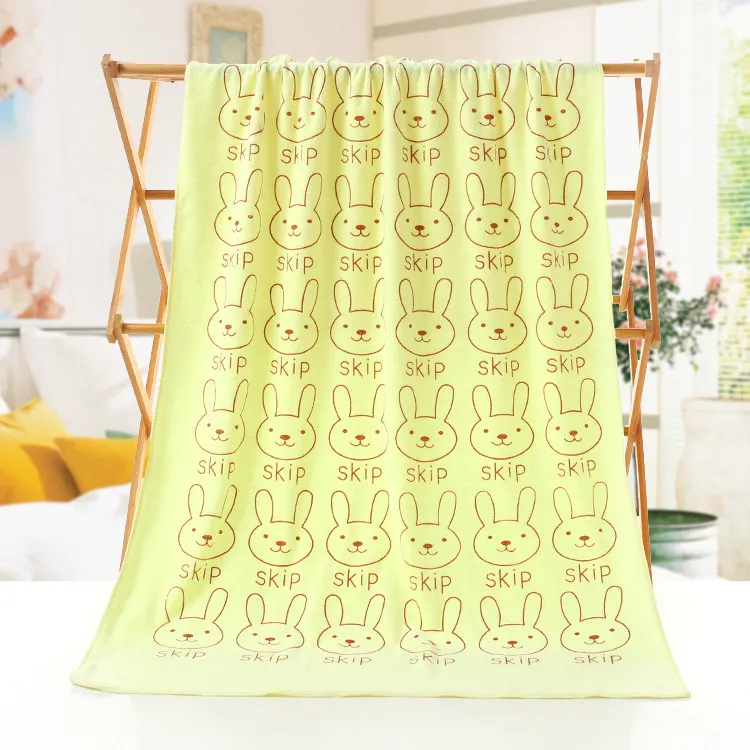
microfiber bath wrap Performance Analysis
Introduction
Microfiber bath wraps represent a significant advancement in post-bathing apparel, moving beyond traditional terrycloth towels. These wraps, primarily composed of synthetic fibers – polyester and polyamide – are engineered for superior water absorption, rapid drying, and lightweight comfort. Positioned within the textile industry’s performance apparel segment, microfiber bath wraps serve a direct need for efficient moisture management and convenience post-shower, bath, or swimming. Core performance characteristics revolve around absorbency (measured in GSM – grams per square meter), drying rate, and tactile feel. The industry faces challenges concerning microfiber shedding during washing, achieving consistent colorfastness, and maintaining softness through repeated laundering cycles. Effective microfiber bath wrap design and manufacturing require careful consideration of fiber denier, knit structure, and finishing processes to address these challenges and meet evolving consumer demands for both functionality and durability.
Material Science & Manufacturing
The core material of microfiber bath wraps is typically a blend of polyester (PET) and polyamide (nylon 6 or 6,6). Polyester contributes to durability, shape retention, and resistance to stretching. Polyamide enhances absorbency and softness. Fiber denier – the linear mass density of the fiber – is crucial. Microfibers used in these wraps range from 0.1 to 0.3 denier, creating a significantly larger surface area compared to conventional fibers, thus boosting water absorption. The manufacturing process typically begins with polymer extrusion followed by fiber spinning. These fibers are then knitted or woven into fabric. Knit structures (e.g., jersey, rib knit) are favored for their stretch and softness, while woven structures offer increased durability. A critical step is the splitting process. During extrusion, the fibers are often created as multi-filaments. These filaments are then mechanically or chemically split to create the characteristic microfiber structure with increased surface area. Parameter control during splitting is paramount: insufficient splitting reduces absorbency, while over-splitting can lead to fiber breakage and reduced fabric strength. Finishing processes include dyeing, softening (using silicones or other agents), and anti-pilling treatments. Dyeing requires careful selection of dyes compatible with both polyester and polyamide to ensure colorfastness and prevent bleeding. Quality control involves testing fiber denier, fabric weight (GSM), absorbency rate, and colorfastness to industry standards.
Performance & Engineering
The performance of a microfiber bath wrap is primarily dictated by its ability to efficiently absorb and retain water, coupled with a comfortable user experience. Force analysis centers around the tensile strength and elongation of the fabric, determining its resistance to tearing and stretching during use and laundering. Environmental resistance is a key concern. Microfibers, while durable, can degrade with prolonged exposure to UV radiation and high temperatures. Colorfastness, particularly to chlorine (in swimming applications), is critical to prevent fading and discoloration. The absorbency is governed by capillary action – the ability of the fibers to draw water into the interstitial spaces. Larger surface area increases capillary forces. Drying rate is influenced by the fabric’s porosity and the inherent moisture-wicking properties of the fibers. Moisture vapor transmission rate (MVTR) is an important parameter, although less critical than absorbency in a bath wrap. Compliance requirements include adherence to OEKO-TEX Standard 100 (ensuring absence of harmful substances) and potentially REACH regulations (restricting the use of certain chemicals). Functional implementation involves ensuring a secure closure system (e.g., Velcro, snap buttons) that can withstand repeated use and laundering without failure. The design must consider ergonomic factors for comfortable wrapping and freedom of movement.
Technical Specifications
| Parameter | Unit | Typical Value | Testing Method |
|---|---|---|---|
| Fabric Weight (GSM) | g/m² | 250-350 | ISO 12125 |
| Absorbency Rate | % | >300% | ISO 9077-1 |
| Drying Time (at 25°C, 65% RH) | minutes | 15-30 | Internal Method (Controlled Environment) |
| Tensile Strength (Warp) | N/cm | >20 | ISO 13934-1 |
| Tensile Strength (Weft) | N/cm | >15 | ISO 13934-1 |
| Colorfastness to Washing (Grade) | - | 4-5 | ISO 105-C06 |
Failure Mode & Maintenance
Microfiber bath wraps, while durable, are susceptible to several failure modes. Fatigue cracking can occur in the closure system (Velcro or snaps) due to repeated stress. Delamination – separation of the fabric layers – can occur with aggressive washing or exposure to harsh detergents. Fiber degradation, particularly in polyester, can result from prolonged UV exposure, leading to reduced strength and color fading. Oxidation can affect polyamide fibers, causing them to become brittle and lose their absorbency. Microfiber shedding during washing is a common issue; while not a structural failure, it reduces the wrap's effectiveness and contributes to microplastic pollution. Maintenance recommendations include machine washing in cold water with mild detergent. Avoid using bleach or fabric softeners, as these can damage the fibers. Tumble dry on low heat or hang to dry. Regularly inspect the closure system for signs of wear and tear. To minimize microfiber shedding, use a laundry bag designed to capture microplastics. Promptly address any stains or spills to prevent them from setting and causing permanent discoloration.
Industry FAQ
Q: What is the impact of different microfiber blend ratios (e.g., 80/20 polyester/polyamide vs. 50/50) on the wrap's performance?
A: Higher polyamide content generally increases absorbency and softness but reduces durability and increases cost. A blend of 80/20 polyester/polyamide strikes a balance, providing good absorbency and reasonable durability. 50/50 blends prioritize softness and absorbency but are more susceptible to wear and tear. The ideal ratio depends on the target market and price point.
Q: How does the knit structure (e.g., jersey vs. terry) affect the wrap's drying time and feel?
A: Jersey knit offers a softer feel and faster drying time due to its looser structure and better air circulation. Terry knit, while more absorbent, takes longer to dry and can feel heavier. The choice depends on the desired balance between comfort, absorbency, and drying speed.
Q: What are the main causes of color fading in microfiber bath wraps, and how can it be mitigated?
A: Color fading is primarily caused by UV exposure and chlorine. Using UV-resistant dyes and providing care instructions that advise against prolonged sun exposure and chlorine use can mitigate fading. Selecting dyes with high colorfastness ratings is crucial during the manufacturing process.
Q: What is the best method for minimizing microfiber shedding during laundering?
A: Utilizing a laundry bag specifically designed to capture microplastics is the most effective method. Washing on a gentle cycle in cold water with a liquid detergent (powder detergents can be more abrasive) also helps reduce shedding. Avoiding fabric softeners is recommended, as they can coat the fibers and contribute to shedding.
Q: How does the GSM (grams per square meter) of the fabric relate to the overall quality and absorbency of the bath wrap?
A: Generally, a higher GSM indicates a denser fabric with increased absorbency and durability. However, GSM alone isn’t a definitive indicator of quality. The fiber composition, knit structure, and finishing processes all play significant roles. A GSM between 250-350 g/m² is typical for high-quality microfiber bath wraps.
Conclusion
Microfiber bath wraps represent a substantial improvement over traditional towel materials, offering superior absorbency, faster drying times, and enhanced comfort. Their performance is intricately linked to the material science – the precise blend of polyester and polyamide, the denier of the fibers, and the effectiveness of the splitting process. Manufacturing parameter control and adherence to industry standards are paramount to ensuring consistent quality and addressing challenges such as microfiber shedding and colorfastness.
Future development in this area will likely focus on sustainable microfiber production, utilizing recycled materials and minimizing environmental impact. Advancements in fiber splitting technology and finishing treatments will continue to enhance performance characteristics and extend product lifespan. Furthermore, integrating antimicrobial treatments could add value, especially in applications where hygiene is critical. The continued evolution of microfiber bath wrap technology will depend on a commitment to innovation and a deep understanding of material properties and manufacturing processes.


 English
  Afrikaans
  Albanian
  Amharic
  Arabic
  Armenian
  Azerbaijani
  Basque
  Belarusian
  Bengali
  Bosnian
  Bulgarian
  Catalan
  Cebuano
  Corsican
  Croatian
  Czech
Czech  Danish
  Dutch
Dutch  Esperanto
  Estonian
  Finnish
  French
  Frisian
  Galician
  Georgian
  German
  Greek
Greek  Gujarati
  Haitian Creole
  Hausa
Hausa  Hebrew
  Hindi
Hindi  Miao
Miao  Hungarian
  Icelandic
  Igbo
Igbo  Indonesian
  Irish
Irish  Italian
  Japanese
  Javanese
  Kazakh
  Khmer
Khmer  Rwandese
  Korean
  Kurdish
  Kyrgyz
  Lao
Lao  Latin
Latin  Latvian
  Lithuanian
  Luxembourgish
  Macedonian
  Malgashi
  Malay
Malay  Malayalam
  Maltese
  Maori
Maori  Marathi
  Mongolian
  Myanmar
  Nepali
  Norwegian
  Norwegian
  Occitan
  Pashto
  Persian
  Polish
  Portuguese
  Romanian
  Russian
  Samoan
  Scottish Gaelic
  Serbian
  Sesotho
  Shona
Shona  Sindhi
  Sinhala
  Slovak
  Slovenian
  Somali
  Spanish
  Sundanese
  Swahili
  Swedish
  Tajik
Tajik  Tamil
Tamil  Tatar
Tatar  Telugu
  Thai
Thai  Turkish
  Turkmen
  Ukrainian
  Urdu
Urdu  Uighur
  Uzbek
Uzbek  Vietnamese
  Welsh
Welsh  Bantu
Bantu  Yiddish
  Yoruba
  Zulu
Zulu