Apr . 01, 2024 17:55 Back to list
microfiber shower towels Performance Analysis
Introduction
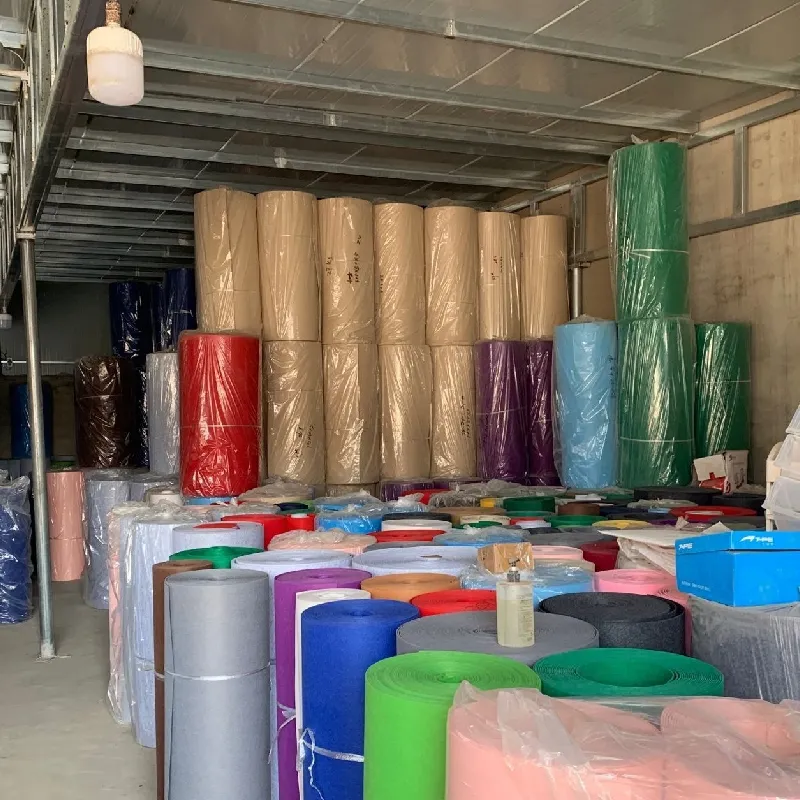
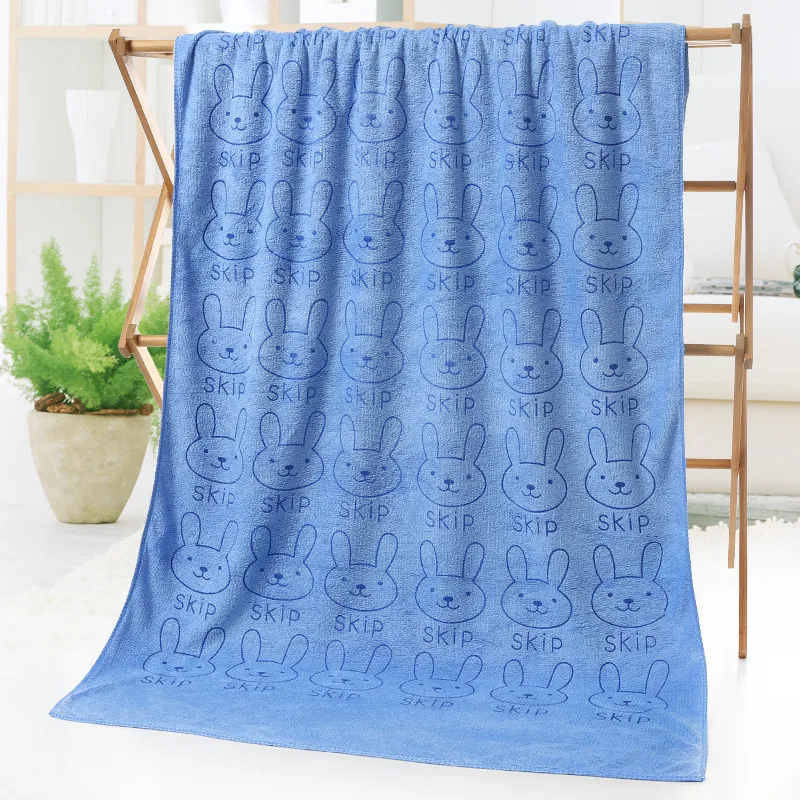
Microfiber shower towels represent a significant advancement in personal hygiene textiles, diverging from traditional cotton towels in several key performance characteristics. These towels are constructed from synthetic fibers, typically polyester and polyamide (nylon), engineered to deliver superior water absorbency, faster drying times, and a softer tactile experience. Their position within the textile industry chain is as a performance-engineered alternative to natural fiber towels, specifically targeting consumer needs for convenience and hygiene. The core performance attributes – absorbency, quick-drying capability, and compact storage – address prevalent pain points associated with conventional towel materials, particularly regarding bacterial growth due to prolonged dampness and the sheer bulk of wet cotton towels. This guide will provide an in-depth technical overview of microfiber shower towels, covering material science, manufacturing processes, performance characteristics, potential failure modes, and relevant industry standards.
Material Science & Manufacturing
Microfiber towels derive their unique properties from the composition and construction of their constituent fibers. The primary materials are polyester and polyamide (nylon), chosen for their inherent hydrophobic (water-repelling) and oleophilic (oil-attracting) characteristics. Polyester provides structural integrity and durability, while nylon contributes to the fiber’s fineness and flexibility. Crucially, microfiber refers to fibers with a denier (fineness) of less than 1 decitex/filament, meaning they are incredibly thin – typically around 0.1 to 0.3 decitex. This extreme fineness increases the surface area of the towel significantly. The manufacturing process typically involves melt spinning of the polyester and nylon polymers. The molten polymer is extruded through spinnerets, creating continuous filaments. These filaments are then split – a critical step – to create the multi-lobed structure characteristic of microfiber. The splitting process can be achieved through chemical treatment (using solvents) or mechanical means (hydro-entanglement). The resulting split fibers create microscopic spaces, increasing the surface area and capillary action responsible for superior absorbency. Key parameter control during manufacturing includes precise control of polymer molecular weight (affecting fiber strength and durability), spinneret hole diameter (determining fiber fineness), splitting efficiency (impacts absorbency), and knitting or weaving parameters (influencing towel weight, texture, and density). Common weaving structures include knit, warp knit, and woven, each offering distinct characteristics in terms of stretch, drape, and overall performance. Dyeing is typically performed using disperse dyes for polyester and acid dyes for nylon, requiring careful control of temperature, pH, and dye concentration to ensure colorfastness and uniformity.
Performance & Engineering
The performance of a microfiber shower towel is fundamentally governed by its ability to manage water through capillary action and surface tension. The microscopic spaces created by the split fibers act as capillaries, drawing water into the towel’s structure. The large surface area resulting from the fiber fineness maximizes the contact between water molecules and the fiber surface. Engineering considerations focus on optimizing the towel’s weight (GSM – grams per square meter) and pile height to balance absorbency and drying speed. Higher GSM generally equates to greater absorbency, but also longer drying times. Force analysis demonstrates that microfiber towels exhibit lower tensile strength compared to cotton towels of similar weight; however, their resistance to tearing is often comparable due to the continuous filament structure. Environmental resistance is a key factor. Microfiber is susceptible to degradation from prolonged exposure to UV radiation, which can cause the polymer chains to break down, reducing the towel’s strength and colorfastness. Therefore, UV stabilizers are often incorporated into the polymer formulation. Chemical resistance is generally good, withstanding common detergents and cleaning agents, but prolonged exposure to strong acids or bases should be avoided. Compliance requirements are dictated by textile labeling regulations (e.g., the Textile Fiber Products Identification Act in the US) and safety standards related to the use of dyes and finishes (e.g., REACH in Europe). Furthermore, antimicrobial treatments are increasingly being applied to microfiber towels to inhibit bacterial growth and odor development, requiring adherence to relevant biocidal product regulations.
Technical Specifications
| Parameter | Unit | Typical Value | Test Method |
|---|---|---|---|
| Fiber Composition | % | Polyester 80 / Polyamide 20 | FTIR Spectroscopy |
| Denier per Filament | dtex | 0.2 – 0.3 | Microscopy |
| GSM (Weight per Unit Area) | g/m² | 300 – 600 | ASTM D3776 |
| Absorbency | % | > 500 | ASTM D583 |
| Drying Time | seconds | < 60 | Controlled Environment Testing |
| Tensile Strength (Warp/Weft) | N/cm | 20/25 | ASTM D5035 |
Failure Mode & Maintenance
Microfiber shower towels, despite their durability, are subject to specific failure modes. Fatigue cracking can occur in the fibers due to repeated bending and stress during use and washing. This is particularly prevalent in areas of high stress concentration, such as seams and edges. Delamination, the separation of the woven or knitted structure, can occur if the fibers are not adequately bonded or if excessive mechanical stress is applied. Degradation of the polymer chains due to UV exposure leads to reduced strength, color fading, and increased susceptibility to tearing. Oxidation can also occur, particularly with prolonged exposure to chlorine bleach, weakening the fibers and causing discoloration. Linting, the release of loose fibers, is common in the initial stages of use and can decrease over time with repeated washing. Maintenance is crucial to prolonging the lifespan of microfiber towels. Washing should be performed using mild detergents and avoid the use of fabric softeners, which can coat the fibers and reduce their absorbency. Bleach should be avoided. Tumble drying on low heat is recommended to prevent excessive shrinkage and fiber damage. Regular washing removes accumulated dirt, oils, and bacteria, maintaining hygiene and performance. Storage in a dry, well-ventilated area prevents mildew and bacterial growth. Avoiding excessive mechanical stress during use (e.g., forceful scrubbing) minimizes the risk of fiber damage and delamination.
Industry FAQ
Q: What is the impact of water hardness on the absorbency of microfiber towels?
A: Water hardness, due to the presence of calcium and magnesium ions, can reduce the absorbency of microfiber towels. These ions can deposit on the fiber surface, reducing the capillary action and increasing the surface tension of water. Using a water softener or adding a water conditioning agent to the wash cycle can mitigate this effect.
Q: How does the type of weave (knit vs. woven) affect the performance of a microfiber towel?
A: Knit microfiber towels generally offer greater stretch and a softer feel, making them more comfortable against the skin. However, woven microfiber towels tend to be more durable and have better shape retention. The choice depends on the desired balance between comfort and longevity.
Q: Are antimicrobial treatments for microfiber towels durable and effective?
A: The durability of antimicrobial treatments varies depending on the type of treatment and the washing frequency. Some treatments are designed to last for the lifetime of the towel, while others may leach out over time. Effectiveness depends on the specific antimicrobial agent used and the target microorganisms. Regular washing, even with antimicrobial treated towels, is still necessary to maintain hygiene.
Q: What is the environmental impact of microfiber shedding during washing?
A: Microfiber shedding is a growing environmental concern, as the released microfibers can contribute to plastic pollution in waterways. Using a microfiber filter in the washing machine can capture a significant portion of these fibers, preventing them from entering the environment. Choosing towels with tightly woven structures and minimizing mechanical stress during washing can also reduce shedding.
Q: What are the key differences between polyester and polyamide microfiber in terms of performance and cost?
A: Polyamide (nylon) microfiber generally exhibits higher absorbency and a softer feel than polyester microfiber, but it is also more expensive and less durable. Polyester microfiber is more cost-effective and resistant to UV degradation, making it suitable for outdoor applications. A blend of polyester and polyamide often provides a balance of performance and cost.
Conclusion
Microfiber shower towels represent a sophisticated textile solution engineered for optimal performance in moisture management and hygiene. Their unique construction – utilizing incredibly fine, split synthetic fibers – delivers superior absorbency, rapid drying, and a comfortable user experience, addressing the shortcomings of traditional cotton towels. Understanding the interplay between material science, manufacturing processes, and performance parameters is critical for selecting and maintaining these towels effectively.
Future developments in microfiber towel technology are likely to focus on enhancing durability, reducing microfiber shedding, and improving the sustainability of the materials used. The integration of advanced antimicrobial technologies and smart textile features (e.g., sensors for monitoring moisture levels) could further expand the functionality and value proposition of these versatile products. Continued research into fiber spinning techniques and polymer formulations will be essential for optimizing performance and minimizing environmental impact.


 English
  Afrikaans
  Albanian
  Amharic
  Arabic
  Armenian
  Azerbaijani
  Basque
  Belarusian
  Bengali
  Bosnian
  Bulgarian
  Catalan
  Cebuano
  Corsican
  Croatian
  Czech
Czech  Danish
  Dutch
Dutch  Esperanto
  Estonian
  Finnish
  French
  Frisian
  Galician
  Georgian
  German
  Greek
Greek  Gujarati
  Haitian Creole
  Hausa
Hausa  Hebrew
  Hindi
Hindi  Miao
Miao  Hungarian
  Icelandic
  Igbo
Igbo  Indonesian
  Irish
Irish  Italian
  Japanese
  Javanese
  Kazakh
  Khmer
Khmer  Rwandese
  Korean
  Kurdish
  Kyrgyz
  Lao
Lao  Latin
Latin  Latvian
  Lithuanian
  Luxembourgish
  Macedonian
  Malgashi
  Malay
Malay  Malayalam
  Maltese
  Maori
Maori  Marathi
  Mongolian
  Myanmar
  Nepali
  Norwegian
  Norwegian
  Occitan
  Pashto
  Persian
  Polish
  Portuguese
  Romanian
  Russian
  Samoan
  Scottish Gaelic
  Serbian
  Sesotho
  Shona
Shona  Sindhi
  Sinhala
  Slovak
  Slovenian
  Somali
  Spanish
  Sundanese
  Swahili
  Swedish
  Tajik
Tajik  Tamil
Tamil  Tatar
Tatar  Telugu
  Thai
Thai  Turkish
  Turkmen
  Ukrainian
  Urdu
Urdu  Uighur
  Uzbek
Uzbek  Vietnamese
  Welsh
Welsh  Bantu
Bantu  Yiddish
  Yoruba
  Zulu
Zulu