Apr . 01, 2024 17:55 Back to list
microfiber shower wrap Performance Analysis
Introduction
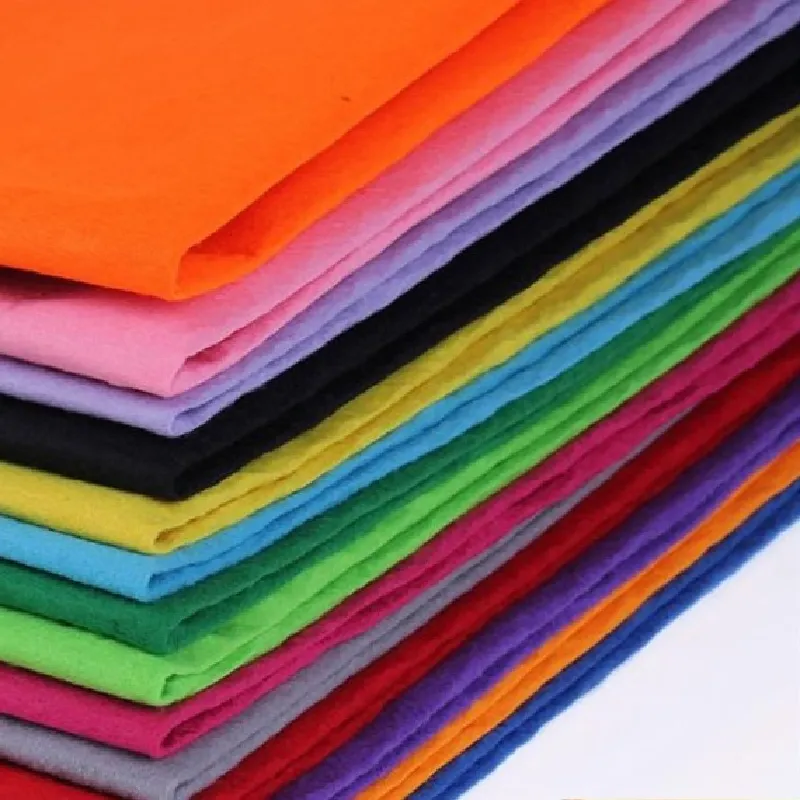
Microfiber shower wraps represent a significant advancement in post-bathing convenience and hygiene, positioned as a premium alternative to traditional terrycloth towels. These wraps, typically designed for single-use after showering, function as a wearable towel providing warmth, modesty, and rapid water absorption. Within the textile manufacturing chain, they occupy a specialized niche, relying on advanced fiber technology and textile engineering. The core performance characteristics—absorbency, drying speed, softness, and antimicrobial properties—dictate their value proposition and market positioning. The rising demand for quick-drying, lightweight, and hygienic personal care products drives the increasing adoption of microfiber shower wraps in both consumer and hospitality sectors. A key industry pain point centers on maintaining consistent microfiber quality and preventing shrinkage or degradation during repeated use and laundering, impacting longevity and customer satisfaction.
Material Science & Manufacturing
Microfiber shower wraps are predominantly constructed from ultra-fine synthetic fibers, most commonly polyester and polyamide (nylon). Polyester provides durability and wrinkle resistance, while polyamide enhances absorbency and softness. The fiber denier—a unit of measure for fiber fineness—typically falls below 1.0 denier, creating fibers significantly thinner than human hair. These fibers are manufactured via melt spinning, where the polymer is heated and extruded through spinnerets. The resulting filaments are then split to increase surface area. This splitting process is crucial; the increased surface area drastically enhances the microfiber's water absorption capability due to capillary action.
Manufacturing involves several key stages. First, the fibers are spun into yarn using specialized spinning techniques. Then, the yarn undergoes a knitting or weaving process to create the fabric structure. Knitted microfibers, offering greater stretch and conformability, are common in shower wrap applications. A critical parameter during fabric construction is the stitch density – a higher stitch density yields a more compact fabric with improved absorbency and reduced linting. Following fabric formation, the material is typically dyed and treated with finishing agents to impart desired properties such as softness, antimicrobial resistance (often using silver ions or chitosan), and colorfastness. Quality control focuses on fiber composition analysis (using FTIR spectroscopy), fabric weight (grams per square meter – GSM), and dimensional stability (measuring shrinkage after washing). Precise temperature and pressure control are vital during the dyeing and finishing processes to prevent fiber damage and ensure consistent performance. The loop pile height is another critical parameter affecting absorbency. A taller loop pile generally provides greater surface area for water absorption, but can also be more prone to snagging.
Performance & Engineering
The performance of a microfiber shower wrap is directly correlated to its water absorption capacity and drying rate. Water absorption relies on capillary action within the microfibers, governed by the Young-Laplace equation. This equation dictates the pressure difference across a curved liquid-air interface, driving water into the narrow spaces between the fibers. The rate of water absorption is also affected by the fabric’s wicking ability – its capacity to spread water laterally across the surface. Engineering considerations include designing a wrap with sufficient surface area to effectively cover the body, ensuring comfortable wearability, and minimizing weight while maximizing absorbency.
Environmental resistance is another key performance factor. Microfiber is susceptible to degradation from prolonged exposure to UV radiation and high temperatures. Therefore, the dyes and finishing agents used must be UV-stable and heat-resistant. Compliance requirements vary by region but often include flammability testing (meeting standards such as EN 14440 for general textile flammability) and chemical safety assessments (REACH compliance in the EU). Force analysis, specifically tensile strength and tear strength, is crucial for determining the fabric’s durability. A higher tensile strength indicates greater resistance to stretching and breaking, while tear strength reflects the fabric’s ability to withstand rips and punctures. These properties are typically measured using standardized testing methods (ASTM D2260 for tensile testing and ASTM D1424 for tear testing). The wrap’s construction must withstand repeated use and washing without significant loss of integrity.
Technical Specifications
| Parameter | Unit | Typical Value | Test Method |
|---|---|---|---|
| Fiber Composition | % | Polyester 80%, Polyamide 20% | FTIR Spectroscopy |
| Fabric Weight (GSM) | g/m² | 280-320 | ASTM D3776 |
| Water Absorbency | % | >300% (of fabric weight) | ASTM D583 |
| Drying Time | seconds | <60 (under controlled conditions) | Internal Test Protocol |
| Tensile Strength (Warp) | N/5cm | >30 | ASTM D2260 |
| Tensile Strength (Weft) | N/5cm | >25 | ASTM D2260 |
Failure Mode & Maintenance
Microfiber shower wraps are susceptible to several failure modes. Delamination of the microfiber structure, where the individual filaments separate, reduces absorbency and can lead to linting. This is often caused by excessive washing at high temperatures or the use of harsh detergents. Fiber degradation, resulting from prolonged UV exposure or chemical attack (e.g., chlorine bleach), weakens the fibers and reduces their strength. Fatigue cracking, especially around seams or areas of stress concentration, can occur with repeated use and washing. Shrinkage is another common issue, particularly with polyester-dominant blends. Oxidation can cause discoloration and brittleness over time.
Professional maintenance recommendations emphasize washing microfiber shower wraps in cold water with a mild, pH-neutral detergent. Avoid using fabric softeners, as they can coat the fibers and reduce their absorbency. Tumble drying on low heat or air drying is preferred. Bleach should be avoided entirely. For antimicrobial-treated wraps, follow the manufacturer’s instructions regarding washing frequency and detergent compatibility to maintain the efficacy of the treatment. Regular inspection for signs of delamination, fraying, or discoloration is crucial for identifying potential failures before they compromise performance or hygiene. If significant degradation is observed, the wrap should be replaced. Proper storage in a cool, dry place away from direct sunlight will also help to extend its lifespan.
Industry FAQ
Q: What is the impact of different fiber blends (e.g., polyester/polyamide ratios) on the performance of a microfiber shower wrap?
A: The ratio of polyester to polyamide significantly impacts key performance characteristics. Higher polyamide content generally increases absorbency and softness, but also makes the fabric more susceptible to shrinkage and degradation. Polyester provides durability and wrinkle resistance but has lower inherent absorbency. Optimal blends typically range from 80/20 to 70/30 (polyester/polyamide) to balance these properties.
Q: How do different knitting or weaving patterns affect the absorbency and drying rate of the microfiber fabric?
A: Knitted structures generally offer higher absorbency and faster drying rates compared to woven structures due to their greater loop pile height and increased surface area. However, woven structures tend to be more durable and resistant to distortion. The stitch density also plays a critical role; higher stitch density leads to a more compact fabric with improved absorbency but potentially reduced breathability.
Q: What are the common finishing treatments applied to microfiber shower wraps and how do they affect performance?
A: Common finishing treatments include softening agents (silicones), antimicrobial treatments (silver ions, chitosan), and water repellent finishes. Softening agents enhance tactile comfort but can reduce absorbency if applied excessively. Antimicrobial treatments inhibit bacterial growth but may leach over time with repeated washing. Water repellent finishes can improve drying rate but also decrease water absorption.
Q: What testing protocols are used to assess the quality and performance of microfiber shower wraps?
A: Key testing protocols include fiber composition analysis (FTIR), fabric weight determination (ASTM D3776), water absorbency testing (ASTM D583), tensile strength and tear strength testing (ASTM D2260, ASTM D1424), colorfastness testing (ISO 105), and dimensional stability testing (ISO 6330).
Q: How does the loop pile height affect the absorbency and durability of the microfiber shower wrap?
A: A taller loop pile provides greater surface area for water absorption, enhancing absorbency. However, it also increases the risk of snagging and reduces the fabric’s overall durability. A shorter loop pile offers better durability but may compromise absorbency. Finding the optimal loop pile height requires balancing these trade-offs.
Conclusion
Microfiber shower wraps represent a sophisticated application of textile engineering, leveraging the unique properties of ultra-fine synthetic fibers to deliver superior absorbency, drying speed, and comfort. The performance characteristics of these wraps are intricately linked to material selection, manufacturing processes, and finishing treatments. Maintaining consistent fiber quality, optimizing fabric construction parameters (GSM, stitch density, loop pile height), and ensuring compliance with relevant industry standards are crucial for producing high-quality, durable products.
Future developments in microfiber shower wrap technology will likely focus on enhancing sustainability through the use of recycled fibers and bio-based polymers, improving antimicrobial efficacy and longevity, and developing innovative fabric structures that further optimize absorbency and drying performance. Continued research and development in fiber spinning techniques and finishing chemistries will be essential for addressing current industry challenges and meeting evolving consumer demands.


 English
  Afrikaans
  Albanian
  Amharic
  Arabic
  Armenian
  Azerbaijani
  Basque
  Belarusian
  Bengali
  Bosnian
  Bulgarian
  Catalan
  Cebuano
  Corsican
  Croatian
  Czech
Czech  Danish
  Dutch
Dutch  Esperanto
  Estonian
  Finnish
  French
  Frisian
  Galician
  Georgian
  German
  Greek
Greek  Gujarati
  Haitian Creole
  Hausa
Hausa  Hebrew
  Hindi
Hindi  Miao
Miao  Hungarian
  Icelandic
  Igbo
Igbo  Indonesian
  Irish
Irish  Italian
  Japanese
  Javanese
  Kazakh
  Khmer
Khmer  Rwandese
  Korean
  Kurdish
  Kyrgyz
  Lao
Lao  Latin
Latin  Latvian
  Lithuanian
  Luxembourgish
  Macedonian
  Malgashi
  Malay
Malay  Malayalam
  Maltese
  Maori
Maori  Marathi
  Mongolian
  Myanmar
  Nepali
  Norwegian
  Norwegian
  Occitan
  Pashto
  Persian
  Polish
  Portuguese
  Romanian
  Russian
  Samoan
  Scottish Gaelic
  Serbian
  Sesotho
  Shona
Shona  Sindhi
  Sinhala
  Slovak
  Slovenian
  Somali
  Spanish
  Sundanese
  Swahili
  Swedish
  Tajik
Tajik  Tamil
Tamil  Tatar
Tatar  Telugu
  Thai
Thai  Turkish
  Turkmen
  Ukrainian
  Urdu
Urdu  Uighur
  Uzbek
Uzbek  Vietnamese
  Welsh
Welsh  Bantu
Bantu  Yiddish
  Yoruba
  Zulu
Zulu