Apr . 01, 2024 17:55 Back to list
microfiber swim towel Performance Analysis
Introduction
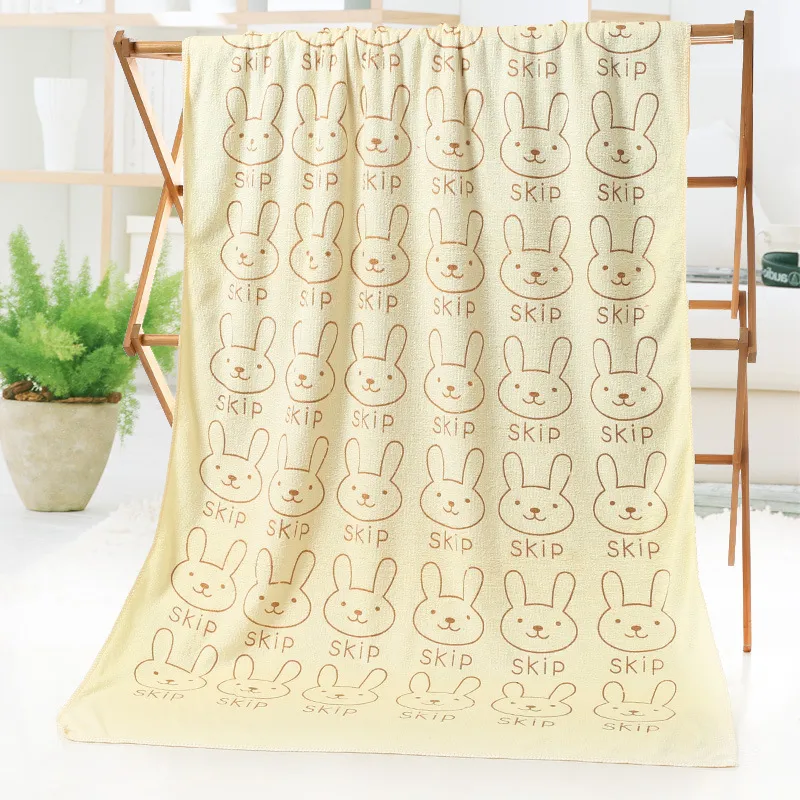
Microfiber swim towels represent a significant advancement in watersports and recreational towel technology. Positioned between traditional cotton towels and more specialized quick-drying materials like chamois, microfiber towels utilize synthetic fibers – primarily polyester and polyamide – to achieve superior water absorption, rapid drying times, and a lightweight, compact form factor. Their core performance characteristics include high specific surface area due to the micro-denier fiber construction, a low moisture regain (meaning they don’t retain water as much as cotton), and a relatively smooth texture that minimizes sand adherence. Addressing the industry pain point of bulky, slow-drying beach towels, these towels are increasingly adopted by swimmers, surfers, triathletes, and travelers. This guide provides an in-depth analysis of microfiber swim towel construction, performance, failure modes, and industry standards.
Material Science & Manufacturing
The foundational materials of microfiber swim towels are primarily polyester (PET) and polyamide (nylon, PA6 or PA66). Polyester contributes durability, resistance to UV degradation, and cost-effectiveness. Polyamide enhances absorbency and softness. Fiber denier, typically ranging from 0.2 to 0.3 denier (representing the fineness of the fiber – lower is finer), is crucial. Finer fibers create more capillaries, increasing the surface area available for water absorption. Manufacturing begins with polymer extrusion and fiber spinning. These fibers are then woven or knitted into a fabric structure. A common construction is an 80/20 polyester/polyamide blend, optimized for both absorbency and durability. Post-fabrication, a brushing process is applied to further split the fibers, maximizing surface area. Critical parameters during manufacturing include consistent fiber denier control, uniform weave/knit density, and thorough fiber splitting. Colorfastness is also important, achieved through dye sublimation or reactive dyeing processes. Quality control focuses on fiber composition verification (using FTIR spectroscopy), fabric weight (grams per square meter), and absorbency testing (gravimetric analysis).
Performance & Engineering
The performance of a microfiber swim towel is largely dictated by its water absorption capacity, drying rate, and mechanical strength. Water absorption is governed by capillary action, driven by the large surface area-to-volume ratio of the microfibers. Engineering considerations include optimizing fabric structure to enhance wicking – the ability to draw water away from the skin. This often involves utilizing a looped pile construction. Drying rate is determined by the low moisture regain of the synthetic fibers and the air permeability of the fabric. Force analysis reveals that microfiber towels exhibit lower tensile strength compared to traditional cotton towels, particularly when wet. Therefore, seam strength is critical; reinforced stitching is employed to prevent seam rupture under load. Environmental resistance is another key concern. Prolonged exposure to chlorine (in swimming pools) and UV radiation (from sunlight) can lead to fiber degradation. UV stabilizers are often incorporated into the polyester component to mitigate this effect. Compliance requirements for textiles in contact with skin (e.g., OEKO-TEX Standard 100) must be met to ensure the absence of harmful substances.
Technical Specifications
| Parameter | Unit | Typical Value | Test Method |
|---|---|---|---|
| Fabric Weight | g/m² | 250-400 | ISO 3801 |
| Fiber Composition | % | 80% Polyester / 20% Polyamide | FTIR Spectroscopy |
| Absorbency | g H₂O / g Fabric | 5-8 | ISO 105-H08 |
| Drying Time | minutes | 15-30 (air drying) | Internal Method (controlled temperature/humidity) |
| Tensile Strength (Warp) | N/5cm | 20-30 | ISO 13934-1 |
| Tensile Strength (Weft) | N/5cm | 15-25 | ISO 13934-1 |
Failure Mode & Maintenance
Microfiber swim towels are susceptible to several failure modes. Fiber degradation due to prolonged chlorine exposure is a common issue, leading to reduced absorbency and compromised structural integrity. This manifests as a noticeable loss of loft and a roughened texture. UV radiation similarly causes polymer chain scission, weakening the fibers. Mechanical stress, particularly during washing and drying, can cause seam rupture, especially in poorly constructed towels. Linting – the release of microfibers during use and washing – is another concern, although it doesn’t necessarily indicate structural failure. Delamination of the fabric structure can occur if the weave or knit is not sufficiently stable. Maintenance recommendations include washing in cool water with mild detergent, avoiding fabric softeners (which can clog the fibers), and tumble drying on low heat. Bleach should be avoided, as it accelerates fiber degradation. Regular inspection of seams for wear and tear is also advisable. Preventative measures to extend the towel's lifespan include rinsing the towel thoroughly after each use to remove chlorine or saltwater, and storing it in a dry, well-ventilated area.
Industry FAQ
Q: What is the impact of different polyester/polyamide ratios on towel performance?
A: Increasing the polyamide content generally enhances absorbency and softness, but reduces durability and increases cost. A higher polyester ratio provides greater durability and UV resistance, but can compromise absorbency. The 80/20 blend is a common compromise, balancing performance and cost. A 70/30 polyester/polyamide blend might be considered for heavier use, prioritizing durability.
Q: How does microfiber towel construction (weave/knit) affect drying time?
A: Looser weave/knit structures generally allow for better air circulation and faster drying times. However, they may also reduce tensile strength. A tight weave provides greater strength but can hinder airflow. A looped pile construction enhances both absorbency and drying speed by creating more surface area for evaporation.
Q: What are the environmental considerations regarding microfiber release during washing?
A: Microfiber shedding is an emerging environmental concern, as these microplastics can enter waterways. Using a microfiber filter bag during washing can significantly reduce microfiber release. Choosing higher-quality towels with tighter weaves also minimizes shedding.
Q: How does chlorine affect the longevity of a microfiber swim towel?
A: Chlorine degrades both polyester and polyamide fibers, albeit at different rates. Polyamide is particularly susceptible to chlorine damage. Regularly rinsing the towel after use to remove chlorine residue and avoiding prolonged exposure are crucial for extending its lifespan.
Q: Are all microfiber towels created equal in terms of quality and performance?
A: No. Quality varies significantly based on fiber denier, fiber composition, fabric construction, and manufacturing processes. Cheaper towels often use lower-quality fibers and less stringent quality control, resulting in reduced absorbency, durability, and faster degradation.
Conclusion
Microfiber swim towels represent a substantial improvement over traditional towel materials for aquatic applications, offering superior absorbency, faster drying times, and a compact form factor. Their performance is intrinsically linked to material science – the choice between polyester and polyamide, and crucially, the fineness of the fibers used – and the precision of the manufacturing process. Understanding the inherent limitations, such as susceptibility to chlorine and UV degradation, coupled with implementing appropriate maintenance procedures, is paramount to maximizing product lifespan and ensuring sustained performance.
Looking ahead, continued research into more chlorine-resistant polymer blends and advanced weaving/knitting techniques will further enhance the performance and durability of microfiber swim towels. The development of biodegradable microfiber alternatives could also address growing environmental concerns. Ultimately, a technical understanding of these materials, combined with rigorous quality control, will be essential for manufacturers to meet the evolving needs of the watersports and recreational markets.


 English
  Afrikaans
  Albanian
  Amharic
  Arabic
  Armenian
  Azerbaijani
  Basque
  Belarusian
  Bengali
  Bosnian
  Bulgarian
  Catalan
  Cebuano
  Corsican
  Croatian
  Czech
Czech  Danish
  Dutch
Dutch  Esperanto
  Estonian
  Finnish
  French
  Frisian
  Galician
  Georgian
  German
  Greek
Greek  Gujarati
  Haitian Creole
  Hausa
Hausa  Hebrew
  Hindi
Hindi  Miao
Miao  Hungarian
  Icelandic
  Igbo
Igbo  Indonesian
  Irish
Irish  Italian
  Japanese
  Javanese
  Kazakh
  Khmer
Khmer  Rwandese
  Korean
  Kurdish
  Kyrgyz
  Lao
Lao  Latin
Latin  Latvian
  Lithuanian
  Luxembourgish
  Macedonian
  Malgashi
  Malay
Malay  Malayalam
  Maltese
  Maori
Maori  Marathi
  Mongolian
  Myanmar
  Nepali
  Norwegian
  Norwegian
  Occitan
  Pashto
  Persian
  Polish
  Portuguese
  Romanian
  Russian
  Samoan
  Scottish Gaelic
  Serbian
  Sesotho
  Shona
Shona  Sindhi
  Sinhala
  Slovak
  Slovenian
  Somali
  Spanish
  Sundanese
  Swahili
  Swedish
  Tajik
Tajik  Tamil
Tamil  Tatar
Tatar  Telugu
  Thai
Thai  Turkish
  Turkmen
  Ukrainian
  Urdu
Urdu  Uighur
  Uzbek
Uzbek  Vietnamese
  Welsh
Welsh  Bantu
Bantu  Yiddish
  Yoruba
  Zulu
Zulu