Apr . 01, 2024 17:55 Back to list
microfibre bath towel Performance Analysis
Introduction
Microfibre bath towels represent a significant advancement in textile technology, offering enhanced absorbency, faster drying times, and a softer texture compared to traditional cotton towels. Composed of synthetic fibres – typically polyester and polyamide – with diameters significantly smaller than human hair, microfibre towels function based on capillary action and increased surface area. Their position within the textile chain is as a high-performance alternative to cotton, catering to both domestic and commercial applications including hotels, gyms, and spas. Core performance characteristics are dictated by fibre denier, weave density, and overall fabric construction, influencing water absorption capacity (measured in grams per square meter), drying rate, and durability under repeated wash cycles. The industry currently faces challenges relating to microplastic shedding during laundering and the long-term sustainability of synthetic materials, driving research into biodegradable microfibre alternatives and improved filtration systems.
Material Science & Manufacturing
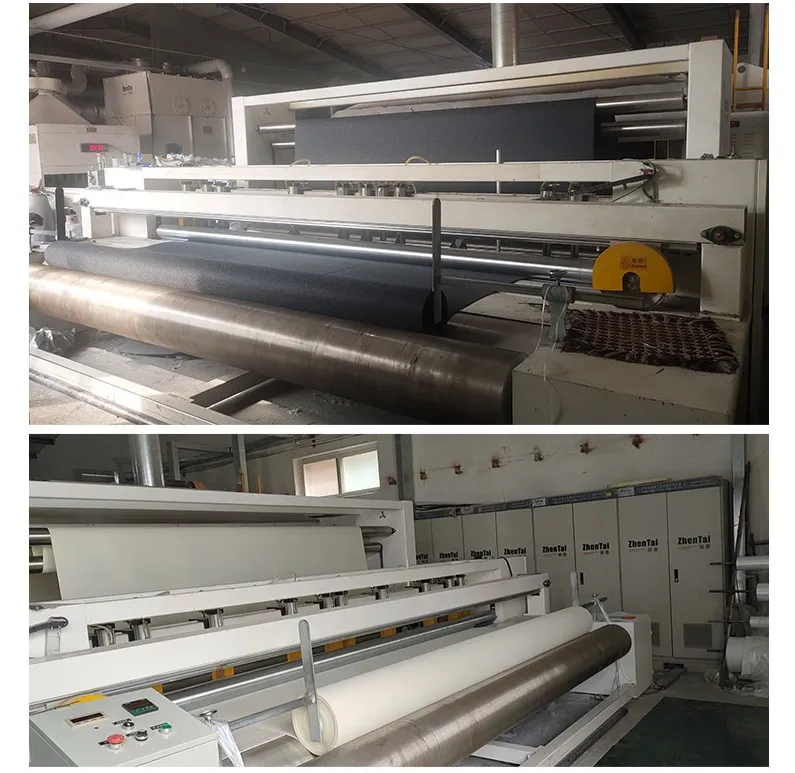
The fundamental raw materials for microfibre bath towels are polyester (polyethylene terephthalate – PET) and polyamide (nylon 6 or nylon 6,6). Polyester provides strength, durability, and resistance to stretching and shrinking, while polyamide contributes to improved absorbency and softness. The fibres themselves are produced through melt spinning – a process where the polymer is melted and extruded through spinnerets to form continuous filaments. These filaments are then split, creating the characteristic microfibre structure with its increased surface area. Manufacturing involves several key steps: polymerisation of the raw materials, melt spinning, fibre splitting (mechanical or chemical), yarn twisting and plying, weaving or knitting to create the fabric structure (typically a pile weave for enhanced absorbency), dyeing and finishing (including softening treatments and anti-bacterial agents). Critical parameters include polymer molecular weight (influencing fibre strength), spinneret hole diameter (determining fibre fineness), splitting ratio (controlling surface area), and yarn tension during weaving or knitting (impacts fabric density and dimensional stability). Quality control focuses on fibre denier uniformity, tensile strength, colour fastness, and pilling resistance. The choice between woven and knitted constructions significantly impacts towel properties; woven towels generally offer greater durability and structural integrity, while knitted towels provide superior softness and stretch.
Performance & Engineering
The performance of microfibre bath towels hinges on their ability to efficiently absorb and retain water, and subsequently release it for rapid drying. This is governed by capillary action, driven by the small inter-fibre spaces and the hydrophilic nature of polyamide fibres. Force analysis focuses on tensile strength (resistance to tearing), tear strength (resistance to propagation of tears), and abrasion resistance (resistance to wear and tear during use and laundering). Environmental resistance considerations include UV degradation (leading to colour fading and fibre weakening), chlorine bleach resistance (impacting fibre integrity), and resistance to common household detergents. Compliance requirements relate to restricted substance lists (RSLs) – ensuring the absence of harmful chemicals such as formaldehyde and phthalates – as outlined in standards like OEKO-TEX Standard 100. Functional implementation is optimised through pile height (longer piles generally offer greater absorbency but slower drying), fabric weight (grams per square meter – GSM), and the inclusion of antimicrobial treatments (to prevent bacterial growth and odour development). A key engineering challenge is mitigating microplastic shedding during laundering. This is addressed through fibre entanglement techniques, coating technologies, and the development of biodegradable microfibre materials. Drying performance is directly correlated to air circulation and surface area; optimized weave patterns and lower GSM contribute to faster evaporation rates.
Technical Specifications
| Parameter | Unit | Typical Value (Standard Grade) | Premium Grade |
|---|---|---|---|
| Fabric Weight (GSM) | g/m² | 300-500 | 500-600 |
| Fibre Composition | % | 80% Polyester / 20% Polyamide | 70% Polyester / 30% Polyamide |
| Water Absorption Capacity | g/g | 5-7 | 7-9 |
| Drying Time (Air) | minutes | 30-60 | 20-40 |
| Tensile Strength (Warp/Weft) | N/cm | 20/20 | 25/25 |
| Pilling Resistance | Grade (1-5) | 3-4 | 4-5 |
Failure Mode & Maintenance
Microfibre bath towels, while durable, are susceptible to several failure modes. Delamination of the fibre layers can occur due to excessive mechanical stress or repeated laundering at high temperatures. Fatigue cracking of the fibres themselves can develop over time, leading to reduced absorbency and overall structural integrity. Degradation of the polyester component due to UV exposure results in colour fading and diminished fibre strength. Oxidation, particularly in polyamide fibres, can lead to embrittlement and loss of softness. Microplastic shedding during laundering is a significant concern, contributing to environmental pollution. Maintenance recommendations include washing in lukewarm water with mild detergent, avoiding fabric softeners (which can coat the fibres and reduce absorbency), tumble drying on low heat or air drying, and avoiding chlorine bleach. Regular cleaning is crucial to prevent bacterial growth and odour development. To minimise microplastic shedding, using a laundry bag designed to capture microfibres and employing a front-loading washing machine (which is gentler on fabrics) are recommended. Inspecting towels regularly for signs of wear and tear, such as frayed edges or thinning pile, and addressing these issues promptly can extend their service life.
Industry FAQ
Q: What is the primary difference in absorbency between microfibre and long-staple cotton towels?
A: Microfibre towels generally exhibit significantly higher absorbency than long-staple cotton towels due to their dramatically increased surface area and capillary action. While cotton relies on internal fibre structure for absorption, microfibre utilizes the vast surface created by the split fibres to draw in and retain water more effectively. This results in a quicker drying experience after bathing.
Q: How does the GSM (grams per square meter) affect the quality and performance of a microfibre towel?
A: GSM is a critical indicator of towel quality. Lower GSM (300-400) towels are lightweight, fast-drying, and suitable for gym or travel use. Medium GSM (400-500) offers a balance of absorbency and drying time, ideal for everyday use. Higher GSM (500-600+) provides superior absorbency and a plush feel, often preferred for luxury applications, but drying times will be extended.
Q: What are the environmental concerns associated with microfibre towels, and what solutions are being explored?
A: The primary environmental concern is microplastic shedding during laundering, contributing to plastic pollution in waterways. Solutions include fibre entanglement technologies, coating the fibres to reduce shedding, developing biodegradable microfibre materials (e.g., from wood pulp), and encouraging the use of laundry bags designed to capture microfibres. Wastewater treatment plant upgrades to filter out microplastics are also crucial.
Q: Are microfibre towels susceptible to mildew or bacterial growth if not dried properly?
A: Yes, microfibre towels can be prone to mildew or bacterial growth if left damp for extended periods. The dense fibre structure can retain moisture, creating an ideal environment for microbial proliferation. Proper drying – either air drying or tumble drying on low heat – is essential to prevent this. Antimicrobial treatments can also be applied during the finishing process to inhibit bacterial growth.
Q: How do different weave types (e.g., pile, waffle) impact the performance of a microfibre towel?
A: Pile weaves, with their raised loops, maximize surface area and offer superior absorbency, making them ideal for general bath use. Waffle weaves create a textured surface that provides good absorbency and faster drying times, often favoured for sports and travel. Other weaves, like ribbed weaves, offer a balance between absorbency and quick drying but typically have a less plush feel.
Conclusion
Microfibre bath towels represent a significant improvement over traditional cotton towels in terms of absorbency, drying speed, and overall performance. Their unique fibre structure and manufacturing processes enable tailored properties for diverse applications, from everyday household use to demanding commercial settings. However, the industry faces ongoing challenges regarding microplastic shedding and the sustainability of synthetic materials, necessitating continuous innovation in fibre technology, manufacturing processes, and laundering practices.
Looking ahead, research and development will likely focus on biodegradable microfibre alternatives, improved filtration systems to capture microplastics, and optimized weaving techniques to minimize fibre loss during use. Addressing these challenges is crucial to ensure the long-term viability and environmental responsibility of microfibre towel production and consumption, solidifying their position as a premium textile solution.


 English
  Afrikaans
  Albanian
  Amharic
  Arabic
  Armenian
  Azerbaijani
  Basque
  Belarusian
  Bengali
  Bosnian
  Bulgarian
  Catalan
  Cebuano
  Corsican
  Croatian
  Czech
Czech  Danish
  Dutch
Dutch  Esperanto
  Estonian
  Finnish
  French
  Frisian
  Galician
  Georgian
  German
  Greek
Greek  Gujarati
  Haitian Creole
  Hausa
Hausa  Hebrew
  Hindi
Hindi  Miao
Miao  Hungarian
  Icelandic
  Igbo
Igbo  Indonesian
  Irish
Irish  Italian
  Japanese
  Javanese
  Kazakh
  Khmer
Khmer  Rwandese
  Korean
  Kurdish
  Kyrgyz
  Lao
Lao  Latin
Latin  Latvian
  Lithuanian
  Luxembourgish
  Macedonian
  Malgashi
  Malay
Malay  Malayalam
  Maltese
  Maori
Maori  Marathi
  Mongolian
  Myanmar
  Nepali
  Norwegian
  Norwegian
  Occitan
  Pashto
  Persian
  Polish
  Portuguese
  Romanian
  Russian
  Samoan
  Scottish Gaelic
  Serbian
  Sesotho
  Shona
Shona  Sindhi
  Sinhala
  Slovak
  Slovenian
  Somali
  Spanish
  Sundanese
  Swahili
  Swedish
  Tajik
Tajik  Tamil
Tamil  Tatar
Tatar  Telugu
  Thai
Thai  Turkish
  Turkmen
  Ukrainian
  Urdu
Urdu  Uighur
  Uzbek
Uzbek  Vietnamese
  Welsh
Welsh  Bantu
Bantu  Yiddish
  Yoruba
  Zulu
Zulu