Apr . 01, 2024 17:55 Back to list
microfibre towel large Performance Analysis
Introduction
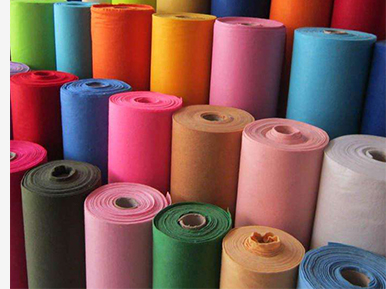
Microfibre towels, particularly the large format, represent a significant advancement in textile technology for absorbent materials. Unlike traditional cotton towels, microfibre towels are constructed from synthetic fibres – typically polyester and polyamide – with diameters significantly smaller than a human hair. This construction yields a towel with superior water absorption, faster drying times, and reduced weight. Their increasing prevalence spans numerous sectors, including automotive detailing, hospitality, professional cleaning, and personal care. The technical position of a large microfibre towel resides between commodity textile products and high-performance industrial wiping cloths; offering a balance of cost, performance, and durability. Core performance characteristics revolve around absorbency (measured in GSM and water holding capacity), drying rate, linting, and resistance to abrasion and chemical degradation. The inherent properties of microfibre contribute to a reduction in bacterial growth compared to conventional cotton, furthering its adoption in hygiene-sensitive environments.
Material Science & Manufacturing
The core material science underpinning microfibre towels focuses on the properties of polyester (PET) and polyamide (nylon). Polyester provides structural strength, dimensional stability, and resistance to stretching and shrinking. Polyamide introduces increased absorbency due to its inherent hydrophilic nature – attracting water molecules. The ratio of polyester to polyamide significantly influences the towel’s performance characteristics. Typical ratios range from 80/20 to 70/30 (Polyester/Polyamide). Raw materials undergo extrusion, where molten polymer is forced through spinnerets to create microfibre filaments. These filaments are then processed through various methods like splitting and weaving or non-woven bonding techniques.
Manufacturing typically involves two primary routes: woven and non-woven. Woven microfibre towels utilize a controlled weaving process, resulting in a more durable and aesthetically pleasing product. Critical parameters include yarn count, weave density, and tension control. Non-woven microfibre towels are produced by bonding microfibres together using thermal, chemical, or mechanical methods. This process yields a softer, more conformable towel, often utilized in cleaning applications. A crucial step in both processes is the ‘splitting’ of the microfibres. The extruded filaments are initially produced as multi-lobed structures. Subsequent mechanical or chemical treatment splits these lobes, dramatically increasing the surface area and enhancing absorbency. Quality control focuses on fibre denier (fineness), splitting efficacy (measured via microscopy), and GSM (grams per square meter) to ensure consistent performance.
Performance & Engineering
The performance of a large microfibre towel is governed by several key engineering principles. Capillary action is paramount; the tiny spaces between microfibres create a vast surface area, enabling rapid water absorption and retention. The wettability of the fibres (contact angle) dictates how readily water spreads across the surface. Lower contact angles equate to higher wettability and faster absorption. Mechanical strength, particularly tensile strength and tear resistance, are crucial for durability and longevity. Force analysis during use reveals significant tensile stresses during wringing and repeated washing cycles. Environmental resistance encompasses degradation due to UV exposure, chemical attack (from detergents and cleaning agents), and thermal stress (from washing and drying).
Compliance requirements vary depending on intended application. Towels destined for use in food processing or medical environments must meet stringent hygiene standards (e.g., ISO 13485 for medical devices). Flammability standards (e.g., EN 13501-1 for European markets) are also relevant. Linting is a critical performance parameter, particularly in automotive detailing and electronics cleaning; lower linting indicates a higher quality product. Testing methods include abrasion resistance (ASTM D4966), colourfastness to washing (ISO 105-C06), and dimensional stability (ISO 5077). Proper design and material selection are crucial to mitigate these challenges and maximize the towel's functional lifespan.
Technical Specifications
| Parameter | Unit | Typical Value (Large Towel – 800 x 400 mm) | Testing Standard |
|---|---|---|---|
| GSM (Grams per Square Meter) | g/m² | 300-500 | ISO 12125 |
| Absorbency | % Weight Gain | 300-600% | ISO 12125 |
| Drying Time | Seconds | 30-60 | Internal Method |
| Linting | Particles/cm² | < 5 | ASTM D7791 |
| Tensile Strength (Warp/Weft) | N/cm | > 20 / >15 | ISO 5079 |
| Colourfastness to Washing | Rating (1-5) | 4-5 | ISO 105-C06 |
Failure Mode & Maintenance
Microfibre towels, despite their durability, are susceptible to several failure modes. Fibre degradation is a primary concern, arising from prolonged exposure to UV radiation, harsh chemicals (bleach, strong detergents), or high temperatures. This leads to loss of absorbency and structural integrity. Abrasion, particularly during aggressive cleaning applications, causes fibre damage and contributes to linting. Seam failure can occur due to stress concentration at stitching points, exacerbated by repeated washing and drying. Delamination, specifically in non-woven towels, results from the breakdown of the bonding agent, causing the layers to separate. Oxidation of the polyamide component can occur at elevated temperatures, leading to yellowing and reduced performance.
Preventative maintenance is crucial for extending the lifespan of microfibre towels. Washing instructions should be strictly followed, avoiding high temperatures (above 60°C) and harsh detergents. The use of fabric softeners is discouraged, as they can coat the fibres and reduce absorbency. Separate washing from cotton towels is essential to prevent fibre contamination and lint transfer. Regular inspection for seam damage and fibre degradation is recommended. In cases of significant damage, patching or repair may be possible, but complete replacement is often the most cost-effective solution. Proper storage in a cool, dry environment, away from direct sunlight, will minimize UV degradation and prolong the towel's functional life.
Industry FAQ
Q: What is the impact of different polyester/polyamide ratios on towel performance?
A: A higher polyamide content increases absorbency due to its hydrophilic properties but can reduce durability and increase cost. A higher polyester content enhances durability and dimensional stability but may reduce absorbency. The optimal ratio depends on the intended application. For general-purpose cleaning, a 70/30 blend is often preferred. For applications demanding maximum absorbency, such as automotive detailing, an 80/20 blend may be suitable.
Q: How does the GSM affect the towel's performance and lifespan?
A: Higher GSM generally equates to greater absorbency and durability but also increases drying time and weight. Lower GSM towels are lighter and dry faster but may be less absorbent and more prone to wear. Selecting the appropriate GSM depends on the specific application and desired balance of properties.
Q: What are the potential consequences of using fabric softener on microfibre towels?
A: Fabric softener coats the microfibres, reducing their ability to attract and hold water. This significantly decreases absorbency and can render the towel less effective. It also leaves a residue on the towel surface, potentially transferring to the cleaned surface.
Q: What is the recommended washing temperature for maintaining optimal performance?
A: The recommended washing temperature is generally between 40°C and 60°C. Higher temperatures can cause fibre degradation and shrinkage. Avoid using bleach or harsh detergents, as they can damage the microfibres. A mild, pH-neutral detergent is preferred.
Q: How can I identify a high-quality microfibre towel?
A: Key indicators of quality include high GSM, a tight weave (for woven towels), effective fibre splitting (verified through microscopic examination), low linting, and good colourfastness to washing. Look for certifications indicating compliance with relevant industry standards.
Conclusion
Large microfibre towels represent a sophisticated advancement in absorbent textile technology, offering significant advantages over traditional cotton towels in terms of absorbency, drying time, and durability. Their performance is intimately linked to the material science of polyester and polyamide, manufacturing processes – particularly fibre splitting – and careful attention to key engineering parameters like wettability and mechanical strength. Understanding the potential failure modes and implementing appropriate maintenance practices are crucial for maximizing their lifespan and return on investment.
Future developments in microfibre towel technology are likely to focus on incorporating bio-based polymers, enhancing antimicrobial properties, and developing more sustainable manufacturing processes. Continued innovation in fibre splitting techniques and weave designs will further optimize performance characteristics. The demand for high-performance, durable, and environmentally responsible absorbent materials will continue to drive the evolution of microfibre towel technology across a diverse range of industrial and consumer applications.


 English
  Afrikaans
  Albanian
  Amharic
  Arabic
  Armenian
  Azerbaijani
  Basque
  Belarusian
  Bengali
  Bosnian
  Bulgarian
  Catalan
  Cebuano
  Corsican
  Croatian
  Czech
Czech  Danish
  Dutch
Dutch  Esperanto
  Estonian
  Finnish
  French
  Frisian
  Galician
  Georgian
  German
  Greek
Greek  Gujarati
  Haitian Creole
  Hausa
Hausa  Hebrew
  Hindi
Hindi  Miao
Miao  Hungarian
  Icelandic
  Igbo
Igbo  Indonesian
  Irish
Irish  Italian
  Japanese
  Javanese
  Kazakh
  Khmer
Khmer  Rwandese
  Korean
  Kurdish
  Kyrgyz
  Lao
Lao  Latin
Latin  Latvian
  Lithuanian
  Luxembourgish
  Macedonian
  Malgashi
  Malay
Malay  Malayalam
  Maltese
  Maori
Maori  Marathi
  Mongolian
  Myanmar
  Nepali
  Norwegian
  Norwegian
  Occitan
  Pashto
  Persian
  Polish
  Portuguese
  Romanian
  Russian
  Samoan
  Scottish Gaelic
  Serbian
  Sesotho
  Shona
Shona  Sindhi
  Sinhala
  Slovak
  Slovenian
  Somali
  Spanish
  Sundanese
  Swahili
  Swedish
  Tajik
Tajik  Tamil
Tamil  Tatar
Tatar  Telugu
  Thai
Thai  Turkish
  Turkmen
  Ukrainian
  Urdu
Urdu  Uighur
  Uzbek
Uzbek  Vietnamese
  Welsh
Welsh  Bantu
Bantu  Yiddish
  Yoruba
  Zulu
Zulu