Apr . 01, 2024 17:55 Back to list
salon microfiber towels Performance Engineering
Introduction
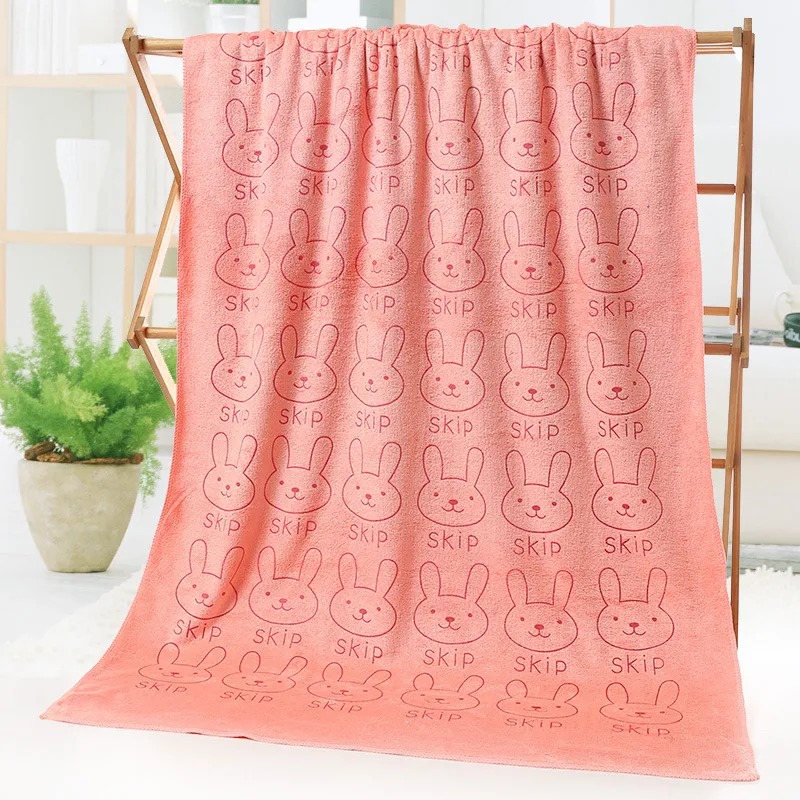
Salon microfiber towels represent a significant advancement in professional hair care and aesthetic treatment support. Distinguished by their unique fiber composition – primarily polyester and polyamide blends – these towels occupy a specific niche between traditional cotton towels and disposable options. Within the salon supply chain, they function as a critical component for post-treatment drying, color application, hair cutting, and skin care procedures, impacting both service quality and operational efficiency. Core performance characteristics center around superior absorbency, rapid drying times, lint-free performance, and durability exceeding conventional towel materials. The industry increasingly demands higher performance textiles due to client expectations for a premium experience and a need to reduce laundry cycles, contributing to cost savings and environmental sustainability. Understanding the material science, manufacturing nuances, and potential failure modes of these towels is crucial for informed procurement and proper utilization.
Material Science & Manufacturing
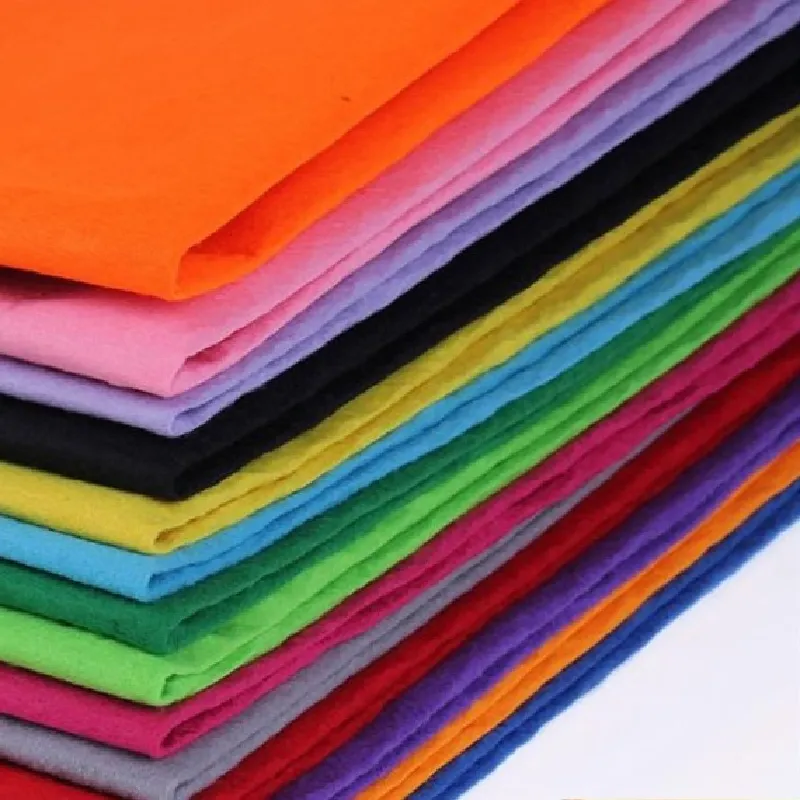
The primary raw materials for salon microfiber towels are polyester (typically polyethylene terephthalate – PET) and polyamide (typically nylon 6 or nylon 6,6). Polyester provides the structural backbone, contributing to durability and resistance to stretching. Polyamide enhances absorbency by increasing the surface area through a split-fiber construction. These polymers are chosen for their chemical inertness, relatively low cost, and amenability to manufacturing processes. Manufacturing begins with polymer extrusion, creating filaments that are then processed into yarn. The key step is the “split” – a process which physically divides each filament into numerous smaller strands, creating a significantly increased surface area. This splitting is achieved mechanically (using abrasive surfaces) or chemically (using etching agents). Yarn is then woven or knitted into the towel fabric. Woven microfiber typically offers greater strength and a tighter weave, while knitted microfiber provides greater softness and conformability. Critical process parameters include filament denier (fiber thickness), splitting ratio, yarn twist, and fabric density. Maintaining consistent splitting is paramount, as incomplete splitting significantly reduces absorbency. Post-weaving/knitting, towels undergo dyeing, softening treatments (often with silicone compounds), and finishing processes to enhance handle and performance. Quality control assesses fiber composition, splitting effectiveness (using microscopy), weight per unit area (GSM – grams per square meter), and dimensional stability after washing.
Performance & Engineering
Microfiber towels achieve their superior performance through capillary action – the ability of a liquid to flow in narrow spaces without the assistance of, and in opposition to, external forces like gravity. The split fibers create a vast network of micro-capillaries, drawing liquid into the towel. Engineering considerations focus on maximizing this capillary action and maintaining structural integrity under repeated use and washing. Force analysis reveals that tensile strength is largely dictated by the polyester component, while absorbency is directly correlated with the polyamide content and the degree of fiber splitting. Environmental resistance is a crucial factor. Exposure to harsh salon chemicals (peroxides, ammonia, dyes) can cause fiber degradation and color fading. The chemical compatibility of the dyes and softening agents used in manufacturing must be carefully considered. Furthermore, the towels must withstand repeated laundering cycles, including exposure to detergents, bleaches, and high temperatures. Compliance requirements depend on the intended application. For general salon use, no specific certifications are universally mandated, however, adherence to OEKO-TEX Standard 100 is increasingly common, ensuring the absence of harmful substances. For medical or aesthetic treatments involving sensitive skin, compliance with biocompatibility standards (ISO 10993) may be necessary.
Technical Specifications
| Parameter | Typical Value | Test Method | Industry Relevance |
|---|---|---|---|
| Fiber Composition (Polyester/Polyamide) | 80/20 | ASTM D7334 | Absorbency & Durability |
| Weight (GSM) | 400-600 | ISO 8877 | Absorbency & Feel |
| Absorbency (Water Uptake) | 5-8 times its weight | EDANA 150.1 | Core Performance Metric |
| Drying Time | < 5 minutes | Internal Test | Operational Efficiency |
| Lint Generation | < 0.1g | ASTM D3585 | Client Comfort & Image |
| Dimensional Stability (After 5 washes) | +/- 2% | ISO 5077 | Longevity & Appearance |
Failure Mode & Maintenance
Salon microfiber towels are susceptible to several failure modes. Fiber Degradation: Prolonged exposure to harsh chemicals (bleach, peroxide) causes the polymer chains to break down, reducing strength and absorbency. Splitting Loss: Repeated washing, especially with abrasive detergents, can progressively reduce the degree of fiber splitting, diminishing the capillary action. Color Fading: UV exposure and harsh washing conditions can cause dyes to degrade, impacting aesthetic appeal. Compaction: Over time, the fibers can become compacted, reducing their loft and absorbency. Tear/Abrasion: Physical stress during use or washing can cause tears or abrasion, particularly along edges. Microbial Growth: If towels are stored wet or in poorly ventilated conditions, microbial growth can occur, leading to odor and potential hygiene concerns. Maintenance is critical to extending towel lifespan. Avoid using bleach or fabric softeners, as these damage the fibers. Wash towels separately from cotton items to minimize lint transfer. Use a mild detergent specifically designed for microfiber. Tumble dry on low heat or air dry. Regularly inspect towels for signs of damage and remove damaged towels from service. Proper storage in a clean, dry, and well-ventilated area is essential to prevent microbial growth.
Industry FAQ
Q: What is the optimal washing temperature for salon microfiber towels?
A: The optimal washing temperature is between 60°C and 90°C (140°F to 194°F). Higher temperatures can accelerate fiber degradation, while lower temperatures may not effectively remove all contaminants. Avoid exceeding 90°C to maintain long-term performance.
Q: How do I prevent color bleeding when washing new microfiber towels?
A: Wash new towels separately for the first few cycles to allow excess dye to be released. Use a color-catching sheet in the wash to absorb any remaining dye. Avoid washing brightly colored towels with light-colored items.
Q: What is the impact of water hardness on microfiber towel performance?
A: Hard water contains minerals (calcium and magnesium) that can deposit on the fibers, reducing their absorbency and making them feel stiff. Using a water softener or a detergent specifically formulated for hard water can mitigate this effect. Regularly cleaning the washing machine can also help prevent mineral buildup.
Q: Can microfiber towels be ironed?
A: Ironing is generally not recommended. The high heat can melt or damage the polyester and polyamide fibers. If necessary, use a very low heat setting and iron quickly.
Q: What is the typical lifespan of a high-quality salon microfiber towel with proper care?
A: With diligent care, a high-quality salon microfiber towel can last between 300-500 wash cycles. However, the actual lifespan will depend on the frequency of use, the harshness of the chemicals it is exposed to, and the washing/drying procedures followed.
Conclusion
Salon microfiber towels represent a sophisticated textile solution for the professional beauty industry, offering a compelling combination of absorbency, durability, and efficiency. Their performance is intricately linked to the underlying material science – specifically the interplay between polyester and polyamide fibers and the effectiveness of the fiber splitting process. Understanding these technical aspects is paramount for procurement decisions and maximizing the return on investment.
Proper maintenance, avoiding harsh chemicals and adhering to recommended washing procedures, are crucial for prolonging the lifespan and maintaining the performance characteristics of these towels. As sustainability concerns grow within the salon industry, the reusability and reduced laundry frequency offered by microfiber towels will continue to drive their adoption. Future developments may focus on incorporating antimicrobial treatments and enhancing fiber splitting technologies to further improve performance and hygiene.


 English
  Afrikaans
  Albanian
  Amharic
  Arabic
  Armenian
  Azerbaijani
  Basque
  Belarusian
  Bengali
  Bosnian
  Bulgarian
  Catalan
  Cebuano
  Corsican
  Croatian
  Czech
Czech  Danish
  Dutch
Dutch  Esperanto
  Estonian
  Finnish
  French
  Frisian
  Galician
  Georgian
  German
  Greek
Greek  Gujarati
  Haitian Creole
  Hausa
Hausa  Hebrew
  Hindi
Hindi  Miao
Miao  Hungarian
  Icelandic
  Igbo
Igbo  Indonesian
  Irish
Irish  Italian
  Japanese
  Javanese
  Kazakh
  Khmer
Khmer  Rwandese
  Korean
  Kurdish
  Kyrgyz
  Lao
Lao  Latin
Latin  Latvian
  Lithuanian
  Luxembourgish
  Macedonian
  Malgashi
  Malay
Malay  Malayalam
  Maltese
  Maori
Maori  Marathi
  Mongolian
  Myanmar
  Nepali
  Norwegian
  Norwegian
  Occitan
  Pashto
  Persian
  Polish
  Portuguese
  Romanian
  Russian
  Samoan
  Scottish Gaelic
  Serbian
  Sesotho
  Shona
Shona  Sindhi
  Sinhala
  Slovak
  Slovenian
  Somali
  Spanish
  Sundanese
  Swahili
  Swedish
  Tajik
Tajik  Tamil
Tamil  Tatar
Tatar  Telugu
  Thai
Thai  Turkish
  Turkmen
  Ukrainian
  Urdu
Urdu  Uighur
  Uzbek
Uzbek  Vietnamese
  Welsh
Welsh  Bantu
Bantu  Yiddish
  Yoruba
  Zulu
Zulu