Apr . 01, 2024 17:55 Back to list
superfine fiber towel Performance Analysis
Introduction
Superfine fiber towels represent a significant advancement in textile technology, primarily utilized for absorption, cleaning, and polishing applications. Positioned within the broader textile industry, specifically the technical textiles segment, these towels serve as a crucial component in diverse sectors including automotive, household cleaning, personal care, and industrial maintenance. Their core performance characteristic lies in their superior absorbency, softness, durability, and lint-free properties – attributes stemming from their unique fiber structure and manufacturing processes. Traditional cotton towels, while widely used, often fall short in terms of absorbency, drying speed, and resistance to bacterial growth. Superfine fiber towels address these limitations, offering a high-performance alternative. A key industry pain point lies in balancing cost-effectiveness with the required performance levels, often requiring careful material selection and process optimization to meet specific application demands. Furthermore, ensuring consistent quality and minimizing environmental impact during production remain critical challenges for manufacturers.
Material Science & Manufacturing
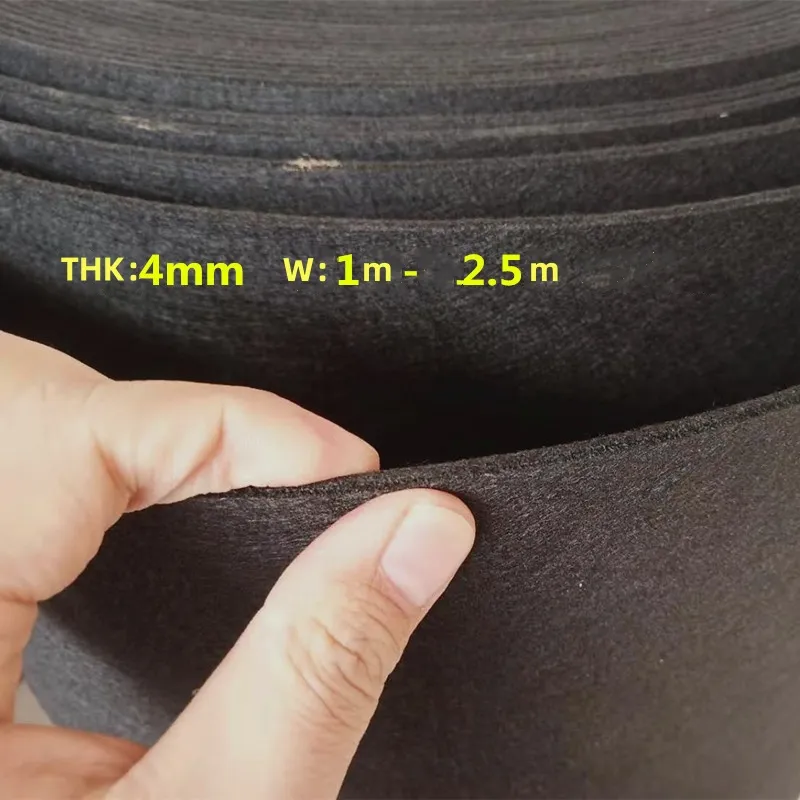
Superfine fiber towels are predominantly constructed from blends of polyester and polyamide (nylon), typically in a ratio of 80/20 or 70/30. Polyester contributes to durability, resilience, and resistance to stretching and shrinking, while polyamide enhances absorbency and softness. The “superfine” designation refers to the denier of the individual fibers, generally ranging from 0.2 to 0.3 denier – significantly finer than traditional textile fibers. This fineness results in a dramatically increased surface area, leading to enhanced absorption. The raw materials undergo melt spinning, a process where the polymers are extruded through spinnerets to form continuous filaments. These filaments are then split, creating multi-lobal fibers with a significantly increased surface area. The splitting process is crucial and can be achieved mechanically or chemically. Non-woven manufacturing is the most common production method. The fibers are laid down in a random, interlocking pattern, typically through water entanglement (hydroentanglement) or needle punching. Hydroentanglement uses high-pressure water jets to entangle the fibers, creating a strong and cohesive fabric without the use of chemical binders. Key parameter control includes maintaining consistent polymer ratios, precise temperature regulation during melt spinning, and optimized water pressure and nozzle configuration during hydroentanglement. Variations in these parameters can significantly impact the towel’s absorbency, softness, and tensile strength. Dyeing and finishing processes utilize specialized dyes and softeners compatible with polyester and polyamide, ensuring colorfastness and a desirable tactile feel.
Performance & Engineering
The performance of a superfine fiber towel is heavily reliant on its inherent physical properties. Absorbency is quantified by its water uptake capacity, typically expressed in grams of water absorbed per gram of fabric (absorption rate). The capillary action, driven by the small inter-fiber spaces, draws liquid into the towel’s structure. Tensile strength, measured through standardized tests like ASTM D4266, dictates the towel’s resistance to tearing and ripping under stress. Environmental resistance is crucial for applications involving repeated washing and exposure to detergents and disinfectants. Polyester's inherent resistance to many chemicals contributes to the towel’s durability in these environments. However, prolonged exposure to strong acids or alkalis can cause degradation. Linting is a critical performance factor, particularly in applications requiring spotless surfaces (e.g., automotive detailing, electronics manufacturing). The tightly constructed, split-fiber structure minimizes fiber shedding, resulting in a virtually lint-free surface. Compliance requirements vary depending on the intended application. For example, towels used in food processing must meet stringent hygiene standards (e.g., FDA regulations) regarding material composition and manufacturing processes. Force analysis during use involves understanding the shear forces exerted during wiping and the compressive forces during absorption. These forces impact the towel’s structural integrity and lifespan. Engineered variations, such as varying fiber density or incorporating antimicrobial agents, can further enhance performance for specific applications.
Technical Specifications
| Parameter | Unit | Typical Value (Standard Grade) | Typical Value (Premium Grade) |
|---|---|---|---|
| Fiber Composition (Polyester/Polyamide) | % | 80/20 | 70/30 |
| Fiber Denier | dtex | 0.25 | 0.20 |
| Basis Weight | g/m² | 200 | 300 |
| Absorption Rate | g/g | 6-8 | 8-10 |
| Tensile Strength (Warp) | N/5cm | 25 | 35 |
| Tensile Strength (Weft) | N/5cm | 20 | 30 |
Failure Mode & Maintenance
Superfine fiber towels, while durable, are susceptible to several failure modes. Fatigue cracking can occur with repeated washing and drying cycles, particularly at stress concentration points. Delamination, the separation of the fiber layers, can occur if the hydroentanglement process is not optimized or if the towel is subjected to excessive mechanical stress. Degradation of the polyester component can occur with prolonged exposure to UV radiation, leading to discoloration and loss of strength. Oxidation, caused by exposure to ozone or strong oxidizing agents, can also degrade the fibers. Linting, although minimal, can increase with wear and tear as fibers become loosened. Bacterial and fungal growth can occur in damp environments, leading to odor and potential material breakdown. Maintenance practices significantly impact the towel’s lifespan. Washing at moderate temperatures (below 60°C) with mild detergents is recommended. Avoid using fabric softeners, as they can coat the fibers and reduce absorbency. Tumble drying on low heat is preferred. Bleach should be avoided, as it can damage the polyamide component. Regular inspection for signs of wear and tear (e.g., tears, delamination, significant linting) is crucial. Prompt replacement of damaged towels is recommended to maintain performance and hygiene standards. Proper storage in a dry, well-ventilated area minimizes the risk of bacterial growth.
Industry FAQ
Q: What is the optimal polyester-to-polyamide ratio for a towel designed for automotive detailing, requiring high absorbency and lint-free performance?
A: For automotive detailing, a 70/30 polyester/polyamide ratio is generally preferred. The higher polyamide content enhances absorbency and softness, crucial for safely wiping delicate automotive surfaces. The polyester provides durability and minimizes stretching. Importantly, the fiber splitting process must be highly optimized to ensure a virtually lint-free surface, mitigating the risk of scratching paintwork.
Q: How does the hydroentanglement process impact the long-term durability of the towel, and what parameters are most critical to control?
A: The hydroentanglement process is paramount to the towel’s durability. Insufficient entanglement leads to fiber slippage and delamination. Excessive entanglement can damage the fibers, reducing their strength. Critical parameters include water pressure, nozzle configuration (diameter and spacing), and the number of entanglement passes. Maintaining consistent water pressure and using appropriately sized nozzles are crucial for achieving optimal fiber interlocking without causing damage.
Q: What is the impact of using fabric softener on the performance of a superfine fiber towel, and why is it generally not recommended?
A: Fabric softener coats the fibers with a lubricating layer, significantly reducing their absorbency. Superfine fiber towels rely on capillary action to draw liquid into their structure; this process is hindered by the coating. Furthermore, softener residues can leave streaks on surfaces and reduce the towel's cleaning effectiveness.
Q: What specific testing standards are used to verify the lint-free properties of a superfine fiber towel, and what are acceptable threshold values?
A: Linting is typically assessed using the ASTM D3503 standard, which quantifies the amount of lint released during a standardized abrasion test. Acceptable threshold values vary depending on the application, but generally, a lint count of less than 1.0 mg per square inch is considered acceptable for critical applications such as electronics cleaning or optical lens wiping. Visual inspection is also crucial.
Q: How does exposure to chlorine bleach affect the longevity and performance of a superfine fiber towel, and are there alternative disinfecting agents that are preferable?
A: Chlorine bleach is detrimental to the polyamide component of superfine fiber towels, causing it to degrade and lose strength. This results in reduced absorbency and increased linting. Hydrogen peroxide-based disinfectants or quaternary ammonium compounds (quats) are preferable alternatives, as they are gentler on the fibers while still providing effective disinfection.
Conclusion
Superfine fiber towels represent a sophisticated textile solution offering significant advantages over traditional cotton towels in terms of absorbency, durability, and lint control. Their performance is fundamentally linked to the intricate interplay of material science, manufacturing processes, and proper maintenance. Understanding the critical parameters governing fiber denier, composition, and entanglement is essential for producing high-quality towels that meet the demands of diverse industrial and consumer applications.
Future advancements are likely to focus on sustainable materials and manufacturing processes, reducing the environmental impact of these products. Further research into fiber modifications and functional coatings could also unlock new performance capabilities, such as enhanced antimicrobial properties or improved stain resistance. Ultimately, the continued success of superfine fiber towels hinges on a commitment to innovation and a dedication to delivering superior performance and value.


 English
  Afrikaans
  Albanian
  Amharic
  Arabic
  Armenian
  Azerbaijani
  Basque
  Belarusian
  Bengali
  Bosnian
  Bulgarian
  Catalan
  Cebuano
  Corsican
  Croatian
  Czech
Czech  Danish
  Dutch
Dutch  Esperanto
  Estonian
  Finnish
  French
  Frisian
  Galician
  Georgian
  German
  Greek
Greek  Gujarati
  Haitian Creole
  Hausa
Hausa  Hebrew
  Hindi
Hindi  Miao
Miao  Hungarian
  Icelandic
  Igbo
Igbo  Indonesian
  Irish
Irish  Italian
  Japanese
  Javanese
  Kazakh
  Khmer
Khmer  Rwandese
  Korean
  Kurdish
  Kyrgyz
  Lao
Lao  Latin
Latin  Latvian
  Lithuanian
  Luxembourgish
  Macedonian
  Malgashi
  Malay
Malay  Malayalam
  Maltese
  Maori
Maori  Marathi
  Mongolian
  Myanmar
  Nepali
  Norwegian
  Norwegian
  Occitan
  Pashto
  Persian
  Polish
  Portuguese
  Romanian
  Russian
  Samoan
  Scottish Gaelic
  Serbian
  Sesotho
  Shona
Shona  Sindhi
  Sinhala
  Slovak
  Slovenian
  Somali
  Spanish
  Sundanese
  Swahili
  Swedish
  Tajik
Tajik  Tamil
Tamil  Tatar
Tatar  Telugu
  Thai
Thai  Turkish
  Turkmen
  Ukrainian
  Urdu
Urdu  Uighur
  Uzbek
Uzbek  Vietnamese
  Welsh
Welsh  Bantu
Bantu  Yiddish
  Yoruba
  Zulu
Zulu