
Apr . 01, 2024 17:55 Back to list
wearable bath microfiber towel Performance Analysis
Introduction
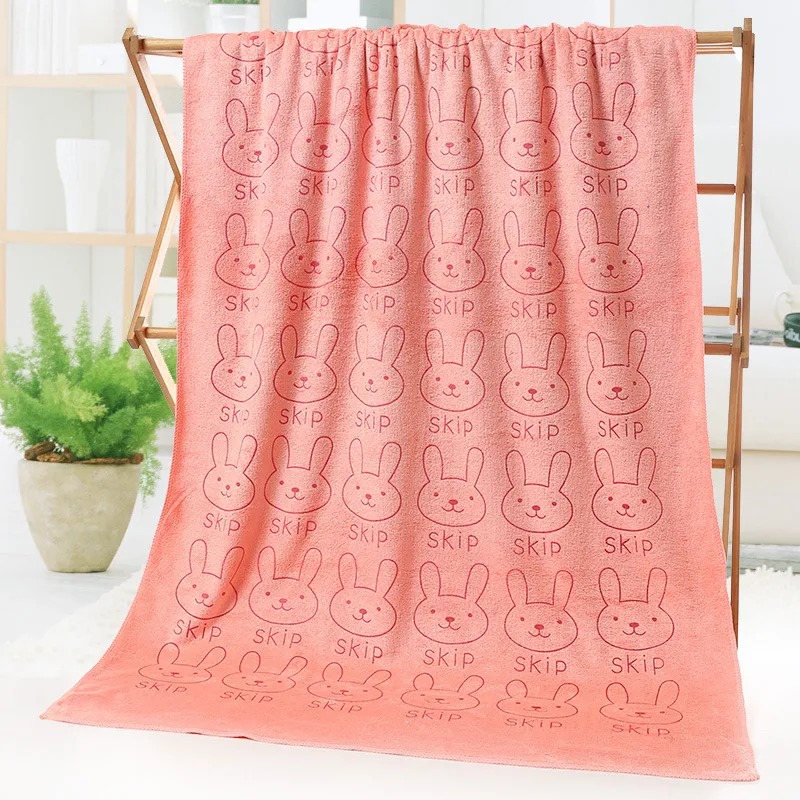
The wearable bath microfiber towel represents a novel approach to post-bathing comfort and convenience. Positioned within the textile and personal care industries, it bridges the gap between traditional bath towels and portable, hands-free drying solutions. This product utilizes microfiber technology – specifically, densely woven polyamide and polyester blends – to achieve superior water absorption, quick drying times, and a comfortable, lightweight feel. Its primary performance characteristics center around absorbency (measured in GSM and water absorption rate), thermal insulation (critical for maintaining body temperature post-bathing), and durability (resistance to repeated washing and wear). Core industry pain points this addresses include the inconvenience of bulky towels, the risk of chills after bathing, and the need for hygienic, easily cleaned personal care items. The market demands increasingly convenient, portable, and hygienic solutions, making the wearable microfiber towel a compelling offering.
Material Science & Manufacturing
The core material for wearable bath microfiber towels is a blend of polyamide (nylon) and polyester. Polyamide contributes to superior absorbency due to its inherent hydrophilic properties, while polyester provides structural integrity and rapid drying capabilities. The ratio of these fibers is critical; typical blends range from 80% polyester/20% polyamide to 70% polyester/30% polyamide, balancing absorbency with drying speed and cost. Microfiber denier (fineness of the fibers) is another crucial factor, with lower denier values (0.2-0.5 denier) resulting in increased surface area and enhanced absorption. Manufacturing begins with polymer extrusion to create the individual fibers. These fibers are then spun into yarn using ring spinning or open-end spinning techniques. The yarn undergoes knitting or weaving – typically a warp knit construction for stretch and drape – to create the fabric. Critical parameters during fabric formation include yarn tension, stitch density, and loop length. Post-fabrication, the material undergoes dyeing and finishing processes, often including a brushing treatment to enhance softness and loft. Quality control throughout focuses on fiber composition verification (via spectroscopic analysis), fabric weight (GSM measurement), and dimensional stability (shrinkage testing after washing). A significant manufacturing challenge is controlling fiber shedding, which impacts both product performance and environmental concerns regarding microplastic release.
Performance & Engineering
Performance of the wearable bath microfiber towel is primarily dictated by its water absorption capacity, drying rate, and thermal retention. Absorption is governed by capillary action within the microfibers; the increased surface area and small inter-fiber spaces draw water away from the skin. Force analysis during wear considers the weight of the saturated towel and the tensile strength of the fabric to prevent tearing or deformation. Engineered designs often incorporate features like adjustable straps, hoods, or secure closures to ensure a comfortable and secure fit. Environmental resistance is also paramount. Repeated washing and exposure to detergents can degrade the fibers and reduce absorbency. UV exposure can cause color fading and fiber brittleness. Compliance requirements vary by region but typically include flammability testing (to meet standards like 16 CFR Part 1610 for apparel), OEKO-TEX Standard 100 certification (to ensure the absence of harmful substances), and testing for colorfastness to washing and rubbing (ISO 105 standards). A critical engineering challenge is balancing absorbency with drying speed; excessively high absorbency can lead to a prolonged drying time, potentially causing discomfort. Designs must also address potential chafing or irritation from seams or closures.
Technical Specifications
| Parameter | Unit | Typical Value | Test Method |
|---|---|---|---|
| Fabric Weight (GSM) | g/m² | 300-400 | ISO 3801 |
| Water Absorption Rate | % | >300% | AATCC 107 |
| Drying Time (Saturation to 50% Dry) | minutes | 15-30 | AATCC 195 (Modified) |
| Tensile Strength (Warp) | N/5cm | >20 | ISO 13934-1 |
| Tensile Strength (Weft) | N/5cm | >15 | ISO 13934-1 |
| Colorfastness to Washing | Grade | 4-5 | ISO 105-C06 |
Failure Mode & Maintenance
Wearable bath microfiber towels are susceptible to several failure modes. Fiber degradation, primarily due to hydrolysis during repeated washing with harsh detergents and exposure to chlorine bleach, leads to a reduction in absorbency and fabric strength. Delamination, or the separation of fabric layers, can occur with aggressive washing cycles. Fatigue cracking of seams and closures is common with frequent use and stress. Microplastic shedding, a growing concern, results from fiber breakage during washing and wear, contributing to environmental pollution. Oxidation and discoloration can occur due to UV exposure, especially with darker colored fabrics. Maintenance is critical to extending product lifespan. Washing should be performed in cool water with a mild detergent, avoiding bleach and fabric softeners. Tumble drying on low heat or air drying is recommended to prevent fiber damage. Regular inspection of seams and closures for signs of wear is crucial. To mitigate microplastic shedding, using a washing machine filter and washing less frequently can be beneficial. Promptly addressing any rips or tears through repair can prevent further damage and extend the product’s useful life.
Industry FAQ
Q: What is the impact of water hardness on the towel’s absorbency over time?
A: Water hardness, due to the presence of calcium and magnesium ions, can reduce the absorbency of microfiber towels. These ions can deposit on the fibers, reducing their ability to wick water effectively. Repeated washing in hard water can lead to a buildup of these deposits, gradually diminishing performance. Using a water softener or adding a water softening agent to the wash cycle can mitigate this effect.
Q: How does the choice of dyes affect the durability and colorfastness of the towel?
A: The type of dye used significantly influences durability and colorfastness. Reactive dyes generally offer superior colorfastness to washing and light compared to direct or disperse dyes. However, reactive dyes can be more expensive. The dye's molecular bonding with the fiber also matters; stronger bonds result in better color retention. Poorly fixed dyes can bleed during washing and fade with UV exposure.
Q: What is the recommended GSM range for a wearable towel designed for athletic use versus general bathing?
A: For athletic use, a lower GSM range (250-300) is preferred to prioritize quick drying and lightweight comfort. For general bathing, a higher GSM range (350-400) is more suitable to maximize absorbency. The trade-off is between drying speed and water-holding capacity. Wearable towels for athletes often incorporate specialized finishes to enhance moisture-wicking properties.
Q: What are the implications of using recycled microfiber in the production of these towels?
A: Using recycled microfiber offers environmental benefits by reducing landfill waste and minimizing the demand for virgin polymers. However, the quality of recycled fibers can be variable, potentially affecting absorbency, strength, and color consistency. It's crucial to source recycled microfiber from reputable suppliers who can guarantee consistent quality and purity. Testing for contaminants is also important.
Q: How can manufacturers minimize microplastic shedding during the towel’s lifecycle?
A: Minimizing microplastic shedding requires a multi-pronged approach. This includes optimizing fabric construction (tighter weaves, longer fiber lengths), applying surface treatments to improve fiber cohesion, and encouraging consumers to use washing machine filters. Selecting high-quality fibers with minimal pre-shedding is also crucial. Research into biodegradable microfiber alternatives is ongoing.
Conclusion
The wearable bath microfiber towel represents a significant advancement in personal care textiles, driven by demand for convenience, hygiene, and improved comfort. Its performance hinges on careful material selection – prioritizing the polyamide/polyester ratio and microfiber denier – and precise manufacturing control. Understanding the potential failure modes, particularly fiber degradation and microplastic shedding, is essential for maximizing product lifespan and minimizing environmental impact.
Future developments are likely to focus on enhancing the sustainability of microfiber production, exploring biodegradable alternatives, and integrating smart textile technologies for improved moisture management and temperature regulation. Continued refinement of fabric construction and finishing processes will further optimize absorbency, drying speed, and durability, solidifying the wearable microfiber towel’s position as a versatile and increasingly popular personal care item.


 English
  Afrikaans
  Albanian
  Amharic
  Arabic
  Armenian
  Azerbaijani
  Basque
  Belarusian
  Bengali
  Bosnian
  Bulgarian
  Catalan
  Cebuano
  Corsican
  Croatian
  Czech
Czech  Danish
  Dutch
Dutch  Esperanto
  Estonian
  Finnish
  French
  Frisian
  Galician
  Georgian
  German
  Greek
Greek  Gujarati
  Haitian Creole
  Hausa
Hausa  Hebrew
  Hindi
Hindi  Miao
Miao  Hungarian
  Icelandic
  Igbo
Igbo  Indonesian
  Irish
Irish  Italian
  Japanese
  Javanese
  Kazakh
  Khmer
Khmer  Rwandese
  Korean
  Kurdish
  Kyrgyz
  Lao
Lao  Latin
Latin  Latvian
  Lithuanian
  Luxembourgish
  Macedonian
  Malgashi
  Malay
Malay  Malayalam
  Maltese
  Maori
Maori  Marathi
  Mongolian
  Myanmar
  Nepali
  Norwegian
  Norwegian
  Occitan
  Pashto
  Persian
  Polish
  Portuguese
  Romanian
  Russian
  Samoan
  Scottish Gaelic
  Serbian
  Sesotho
  Shona
Shona  Sindhi
  Sinhala
  Slovak
  Slovenian
  Somali
  Spanish
  Sundanese
  Swahili
  Swedish
  Tajik
Tajik  Tamil
Tamil  Tatar
Tatar  Telugu
  Thai
Thai  Turkish
  Turkmen
  Ukrainian
  Urdu
Urdu  Uighur
  Uzbek
Uzbek  Vietnamese
  Welsh
Welsh  Bantu
Bantu  Yiddish
  Yoruba
  Zulu
Zulu