Apr . 01, 2024 17:55 Back to list
Wool Dryer Balls How to Use Performance Analysis
Introduction
Wool dryer balls are solid balls of wool, typically New Zealand wool, used in clothes dryers to reduce drying time, soften fabrics, and reduce static cling. Their function relies on the mechanical action of separating clothes and creating air pockets, enhancing hot air circulation. Unlike conventional fabric softeners and dryer sheets, they contain no chemicals, making them an environmentally conscious alternative. The current industrial chain positions wool dryer balls as a sustainable consumable product within the laundry care sector, competing with established fabric softening technologies. Core performance characteristics include moisture absorption, impact resilience, and frictional coefficient – all vital to their efficacy and longevity. The increasing demand stems from a growing consumer preference for eco-friendly household products and a desire to minimize exposure to synthetic chemicals.
Material Science & Manufacturing
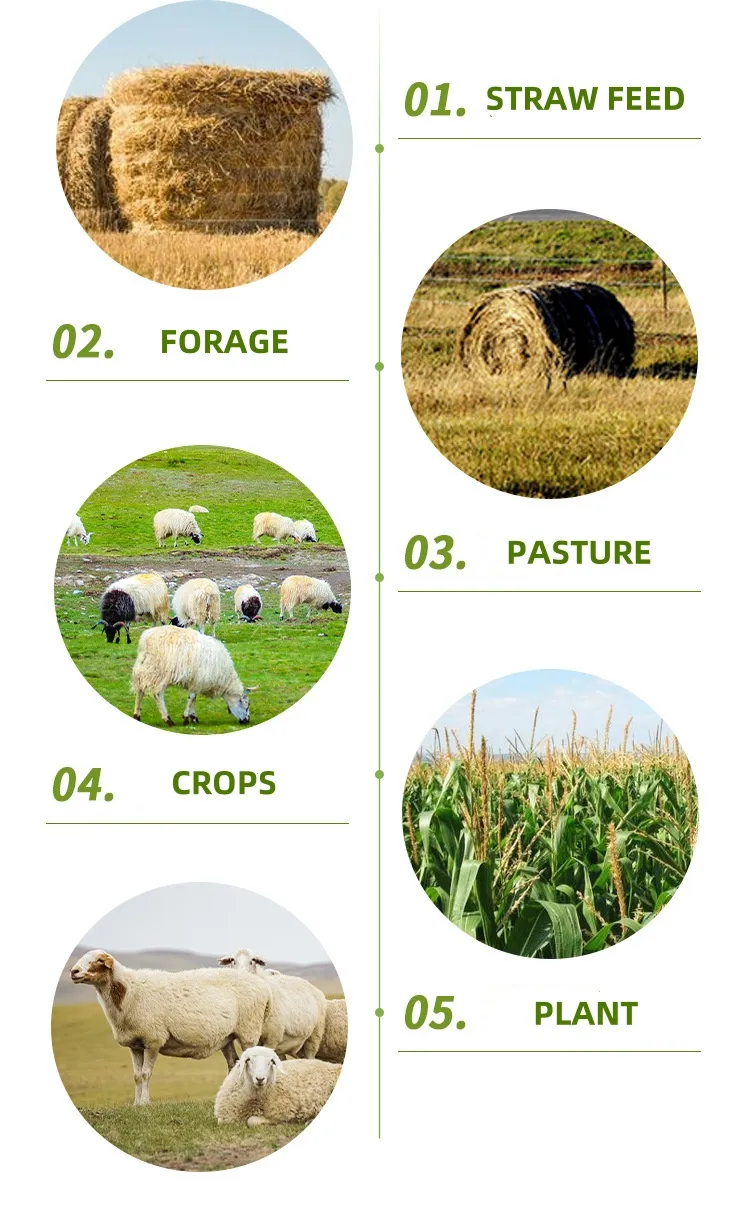
The primary raw material is wool fiber, specifically sourced from sheep. New Zealand wool is preferred due to its high fiber strength and crimp. Fiber length typically ranges from 30-40mm, impacting ball density and durability. The manufacturing process begins with carding, where the wool fibers are aligned into a web. This web is then condensed and formed into a ball shape through a process of layering and compression. The critical parameter in this stage is the applied pressure – insufficient pressure results in a loosely packed ball prone to disintegration, while excessive pressure can damage the fibers, reducing their resilience. The balls are then typically subjected to a felting process, utilizing agitation and warm water to interlock the fibers. Felting density, measured in grams per cubic centimeter (g/cm³), directly correlates with the ball’s longevity and ability to withstand repeated impacts. Post-felting, the balls are dried and sorted based on size and weight. Chemical compatibility is limited to mild detergents; exposure to strong acids or bases will degrade the wool fibers. The presence of lanolin, a natural wax in wool, contributes to its hydrophobic properties but can also attract dust and lint, necessitating periodic cleaning.
Performance & Engineering
The performance of wool dryer balls is fundamentally governed by impact force and energy transfer. Each impact between a ball and a wet garment dislodges water molecules, increasing the surface area available for evaporation. The number of balls used impacts drying efficiency; typically, 3-6 balls are recommended for a standard load. Force analysis reveals that the optimal ball weight is between 0.5-1.0 ounces (14-28 grams) to provide sufficient impact energy without causing excessive wear on clothing. Environmental resistance is primarily related to humidity and temperature. While wool naturally resists mildew, prolonged exposure to high humidity can promote microbial growth. Temperature extremes (above 140°F/60°C) can cause fiber degradation. Compliance requirements are largely focused on flammability (tested under ASTM D3654) and the absence of harmful chemicals (meeting OEKO-TEX Standard 100). The frictional coefficient between wool and different fabrics influences lint transfer; smoother fabrics experience less linting. A key engineering consideration is minimizing fiber shedding during use. This is achieved through tightly controlled felting density and high-quality wool sourcing. The balls’ performance is also affected by dryer load size; overloading reduces the balls’ effective range of motion.
Technical Specifications
| Parameter | Specification | Test Method | Typical Value |
|---|---|---|---|
| Wool Fiber Content | 100% New Zealand Wool | Microscopic Fiber Analysis | 98-100% |
| Ball Diameter | 2.5 – 3 inches (6.35 – 7.62 cm) | Calibrated Ruler | 2.75 inches (7.0 cm) |
| Ball Weight | 0.5 – 1.0 oz (14 – 28 g) | Precision Scale | 0.7 oz (20 g) |
| Felting Density | 0.4 – 0.6 g/cm³ | Archimedes’ Principle (Water Displacement) | 0.52 g/cm³ |
| Moisture Absorption | 30-35% (by weight) | Gravimetric Analysis (Controlled Humidity) | 32% |
| Impact Resilience | >80% (after 100 impacts) | Drop Test with Force Measurement | 85% |
Failure Mode & Maintenance
Common failure modes include fiber shedding, ball disintegration, and lanolin buildup. Fiber shedding occurs primarily due to low felting density or repeated abrasion against rough fabrics like denim. Ball disintegration results from insufficient fiber interlocking during the felting process, exacerbated by excessive dryer heat. Lanolin buildup, while not a structural failure, reduces the ball's moisture absorption capacity and can attract lint. Oxidation of the wool fibers over extended periods (years) can lead to brittleness and reduced impact resilience. Failure analysis reveals that balls subjected to high spin cycle speeds experience greater stress and a higher rate of disintegration. Maintenance involves periodically cleaning the balls by washing them in warm water with a mild detergent to remove lint and lanolin buildup. Avoid using bleach or fabric softeners, as these can damage the wool fibers. Balls should be replaced when significant fiber shedding or disintegration is observed, typically after 500-1000 dryer cycles depending on usage intensity. To prolong lifespan, avoid using with extremely abrasive materials and ensure proper dryer load balance.
Industry FAQ
Q: What is the optimal number of wool dryer balls to use for a standard laundry load?
A: For a standard-sized laundry load (approximately 15-20 lbs), 3-6 wool dryer balls are generally recommended. Using fewer may not provide sufficient separation of clothes for optimal drying, while using significantly more offers diminishing returns in drying time reduction and may increase wear on the balls.
Q: How do I clean wool dryer balls when they accumulate lint and residue?
A: Periodically wash the dryer balls in warm water with a mild, bleach-free detergent. You can also add a cup of white vinegar to the wash cycle to help remove residue. Tumble dry on a low heat setting or air dry completely before reuse. Avoid harsh chemicals or abrasive cleaners.
Q: What is the expected lifespan of a typical wool dryer ball?
A: The lifespan varies depending on usage frequency, laundry load size, and fabric types. However, a well-maintained wool dryer ball typically lasts for 500-1000 dryer cycles, approximately 1-3 years for average use. Signs of wear include significant fiber shedding or ball disintegration.
Q: Can wool dryer balls be used with all types of fabrics?
A: Wool dryer balls are generally safe for all fabric types, including delicates. However, it's advisable to use a mesh laundry bag for particularly delicate items to minimize potential abrasion. Avoid using with highly flammable materials.
Q: Are wool dryer balls a fire hazard?
A: While wool is naturally flame-retardant, dryer balls can become hot during the drying cycle. While the risk is low, it is important to ensure the dryer is functioning correctly and that lint traps are clean to prevent lint buildup, which could pose a fire risk. Adherence to dryer manufacturer’s safety guidelines is crucial.
Conclusion
Wool dryer balls represent a sustainable and effective alternative to conventional fabric softeners and dryer sheets. Their performance hinges on a complex interplay of material science – specifically the properties of wool fiber – and carefully controlled manufacturing processes like carding and felting. The ability to enhance drying efficiency, reduce static cling, and minimize chemical exposure positions them as a growing market segment within the laundry care industry. Understanding the nuances of their performance, potential failure modes, and proper maintenance is crucial for maximizing their lifespan and realizing their full potential.
Continued innovation in wool sourcing, felting techniques, and potentially the incorporation of bio-based binders to enhance fiber interlocking, could further improve the durability and performance of wool dryer balls. Future research should focus on quantifying the long-term cost savings associated with reduced energy consumption and the environmental impact assessment compared to conventional dryer sheets and liquid fabric softeners. The growing consumer demand for eco-friendly laundry solutions ensures a continued and expanding market for this simple, yet surprisingly sophisticated, product.


 English
  Afrikaans
  Albanian
  Amharic
  Arabic
  Armenian
  Azerbaijani
  Basque
  Belarusian
  Bengali
  Bosnian
  Bulgarian
  Catalan
  Cebuano
  Corsican
  Croatian
  Czech
Czech  Danish
  Dutch
Dutch  Esperanto
  Estonian
  Finnish
  French
  Frisian
  Galician
  Georgian
  German
  Greek
Greek  Gujarati
  Haitian Creole
  Hausa
Hausa  Hebrew
  Hindi
Hindi  Miao
Miao  Hungarian
  Icelandic
  Igbo
Igbo  Indonesian
  Irish
Irish  Italian
  Japanese
  Javanese
  Kazakh
  Khmer
Khmer  Rwandese
  Korean
  Kurdish
  Kyrgyz
  Lao
Lao  Latin
Latin  Latvian
  Lithuanian
  Luxembourgish
  Macedonian
  Malgashi
  Malay
Malay  Malayalam
  Maltese
  Maori
Maori  Marathi
  Mongolian
  Myanmar
  Nepali
  Norwegian
  Norwegian
  Occitan
  Pashto
  Persian
  Polish
  Portuguese
  Romanian
  Russian
  Samoan
  Scottish Gaelic
  Serbian
  Sesotho
  Shona
Shona  Sindhi
  Sinhala
  Slovak
  Slovenian
  Somali
  Spanish
  Sundanese
  Swahili
  Swedish
  Tajik
Tajik  Tamil
Tamil  Tatar
Tatar  Telugu
  Thai
Thai  Turkish
  Turkmen
  Ukrainian
  Urdu
Urdu  Uighur
  Uzbek
Uzbek  Vietnamese
  Welsh
Welsh  Bantu
Bantu  Yiddish
  Yoruba
  Zulu
Zulu