
Apr . 01, 2024 17:55 Back to list
wool tumble drying balls Performance Analysis
Introduction
Wool tumble drying balls are solid spheres crafted from compressed wool fibers, increasingly utilized as a reusable alternative to traditional dryer sheets in laundry processes. Their core function revolves around separating clothes within the dryer drum, enhancing air circulation, reducing drying time, and minimizing static cling. While seemingly simple, the efficacy of these balls is rooted in the inherent properties of wool, specifically its moisture absorption capabilities, physical structure, and frictional characteristics. The market position of wool dryer balls falls within the broader laundry aids and fabric care sector, representing a sustainable and chemical-free solution gaining traction due to rising consumer awareness of environmental impact and health concerns associated with conventional dryer sheet formulations. Core performance indicators include reduction in drying time, static reduction efficiency, and durability throughout repeated use cycles. The increasing demand stems from a confluence of factors: cost-effectiveness over the lifespan of the product, perceived health benefits, and alignment with eco-conscious lifestyles.
Material Science & Manufacturing
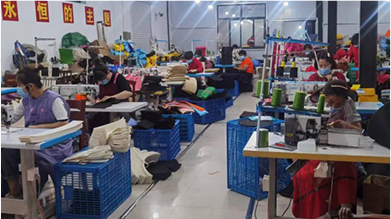
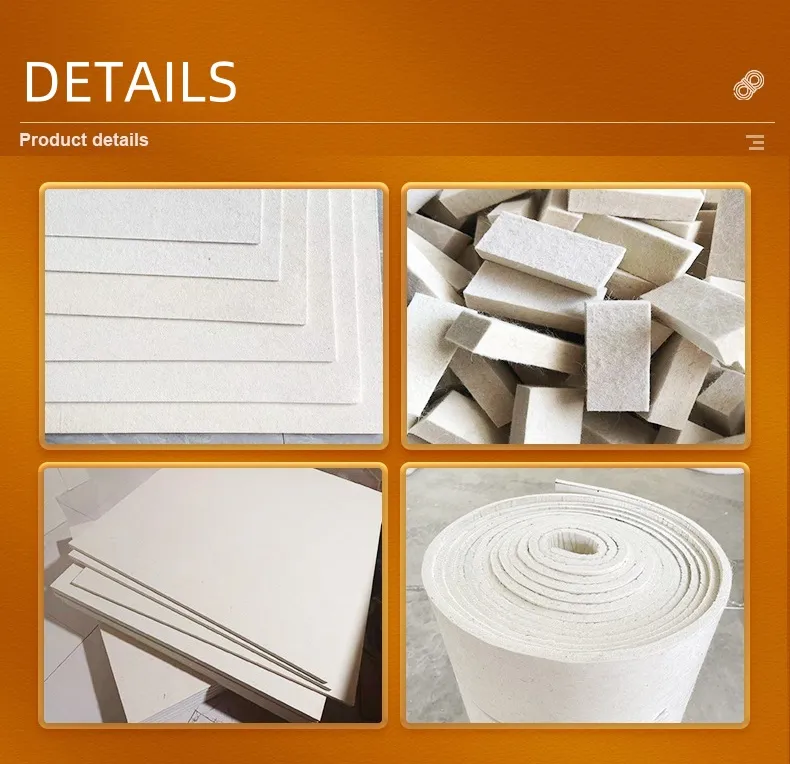
The primary raw material is wool, typically sourced from sheep. New Zealand and Australian merino wool are highly prized for their fiber fineness, crimp, and cleanliness. Fiber diameter, measured in microns, directly impacts softness and moisture absorption capacity; finer fibers (less than 24 microns) are preferred for superior performance. The chemical composition of wool is approximately 50% keratin protein, alongside lipids (lanolin), moisture, and traces of minerals. Key physical properties include a relatively low density (approximately 1.33 g/cm3), excellent elasticity, and a natural crimp that contributes to its loft and ability to trap air. Manufacturing begins with wool scouring to remove lanolin, dirt, and vegetable matter. Following scouring, the wool is carded, a process which disentangles and aligns the fibers into a continuous web. This web is then layered and compressed, utilizing either mechanical pressure or a combination of pressure and natural adhesives (e.g., starch-based binders), to form the spherical shape. The compression density is a critical parameter, impacting ball hardness, durability, and moisture absorption. Post-compression, the balls undergo a drying process to set their shape and remove residual moisture. Quality control focuses on dimensional accuracy, weight consistency, and the absence of fiber shedding. The manufacturing process is relatively low-energy compared to synthetic dryer sheet production, contributing to the product’s sustainability profile.
Performance & Engineering
The performance of wool tumble drying balls is intrinsically linked to their physical interaction with laundry loads within the dryer. The primary mechanism for reducing drying time is increased air circulation. By physically separating garments, the balls prevent clumping, allowing warm, moist air to flow more freely around the clothes, accelerating moisture evaporation. Static cling reduction arises from the wool’s inherent ability to dissipate electrical charges. Wool fibers contain a small amount of moisture, acting as a conductive pathway that neutralizes static buildup. Force analysis involves considering the impact forces exerted by the balls on garments as they tumble. While relatively low, these forces contribute to fluffing and softening of fabrics. Environmental resistance is primarily related to moisture absorption and potential for microbial growth. Prolonged exposure to high humidity can lead to increased moisture content within the wool, potentially fostering mold or mildew. Therefore, proper drying and storage are crucial. Compliance requirements are generally focused on flammability and material safety standards. While wool is naturally flame-resistant, the presence of any binding agents or coatings must meet relevant regulations. Functional implementation is straightforward; typically, 3-6 balls are added to the dryer drum along with the laundry load. Optimal performance is achieved with moderate dryer loads. Overloading the dryer can negate the benefits of the balls.
Technical Specifications
| Parameter | Standard Unit | Typical Value | Test Method |
|---|---|---|---|
| Diameter | mm | 60-75 | Calipers |
| Weight | grams | 40-60 | Digital Scale |
| Wool Fiber Diameter | microns | 18-25 | Fiber Analysis (Optical Microscopy) |
| Moisture Absorption Capacity | % w/w | 30-40 | Gravimetric Analysis (Dry/Wet Weight) |
| Compression Density | g/cm3 | 0.5-0.8 | Volume Displacement |
| Static Reduction Efficiency | % Reduction | 60-80 | Static Charge Measurement (Fabric Testing) |
Failure Mode & Maintenance
Common failure modes for wool tumble drying balls include fiber shedding, ball disintegration, and microbial growth. Fiber shedding occurs due to repeated abrasion during tumbling, leading to a gradual loss of wool fibers. The rate of shedding is influenced by fiber quality, compression density, and laundry load composition (e.g., abrasive materials like denim). Ball disintegration can result from excessive compression during manufacturing or prolonged exposure to high temperatures. This manifests as the ball losing its spherical shape and becoming misshapen. Microbial growth, as previously mentioned, is a concern in humid environments. The formation of mold or mildew can lead to discoloration, odor, and a reduction in performance. Failure analysis should differentiate between normal fiber loss (acceptable) and structural disintegration (indicative of a manufacturing defect or excessive wear). Maintenance involves periodic cleaning to remove lint and debris. Balls should be dried thoroughly after use to prevent microbial growth. Sunlight exposure can help to naturally disinfect the wool. Avoid using harsh detergents or fabric softeners, as these can damage the wool fibers. If significant disintegration occurs, the balls should be replaced. Regular inspection for signs of mold or mildew is also recommended. In some cases, gently hand-washing the balls with a mild detergent can help to restore their effectiveness.
Industry FAQ
Q: What is the optimal number of wool dryer balls to use per load?
A: Generally, 3-6 wool dryer balls are recommended per load. The optimal number depends on the size of the dryer and the size of the load. Larger dryers and larger loads benefit from more balls to ensure adequate separation of clothes and consistent air circulation. Using fewer balls may result in less noticeable benefits.
Q: Do wool dryer balls work with all types of fabrics?
A: Yes, wool dryer balls are suitable for most fabrics, including cotton, linen, polyester, and blends. However, exercise caution with delicate fabrics like silk or lace, as the tumbling action may cause some abrasion. It is always advisable to check the care label of the garment before use.
Q: How long do wool dryer balls typically last?
A: With proper care and maintenance, wool dryer balls can last for 200-500 drying cycles, or even longer. The lifespan depends on factors such as the frequency of use, the abrasiveness of the laundry loads, and the quality of the wool used in their construction. Some fiber shedding is normal and does not necessarily indicate a decrease in performance.
Q: Are wool dryer balls a fire hazard?
A: Wool is naturally flame-resistant due to its high moisture content and protein structure. However, it is crucial to ensure that the dryer is functioning correctly and that lint filters are cleaned regularly to prevent the buildup of flammable lint. While the risk is low, it is always best practice to follow dryer safety guidelines.
Q: Can I add essential oils to my wool dryer balls?
A: Yes, adding a few drops of essential oil to the dryer balls can impart a subtle fragrance to your laundry. However, avoid using excessive amounts of oil, as this can leave stains on clothes. Lavender, lemon, and tea tree oil are popular choices. Ensure the essential oil is compatible with the fabrics being dried.
Conclusion
Wool tumble drying balls represent a sustainable and effective alternative to conventional dryer sheets, leveraging the inherent properties of wool to enhance drying efficiency and reduce static cling. Their performance is critically dependent on material selection (wool fiber diameter, density) and manufacturing process control (compression density). Understanding the potential failure modes—fiber shedding, disintegration, and microbial growth—is essential for proper maintenance and maximizing product lifespan.
The continued adoption of wool dryer balls aligns with growing consumer demand for eco-friendly laundry solutions. Future development may focus on enhancing durability through fiber blending or coating technologies, and optimizing ball shape for improved air circulation. Further research into the impact of essential oil additions on fabric compatibility and scent retention would also be beneficial.


 English
  Afrikaans
  Albanian
  Amharic
  Arabic
  Armenian
  Azerbaijani
  Basque
  Belarusian
  Bengali
  Bosnian
  Bulgarian
  Catalan
  Cebuano
  Corsican
  Croatian
  Czech
Czech  Danish
  Dutch
Dutch  Esperanto
  Estonian
  Finnish
  French
  Frisian
  Galician
  Georgian
  German
  Greek
Greek  Gujarati
  Haitian Creole
  Hausa
Hausa  Hebrew
  Hindi
Hindi  Miao
Miao  Hungarian
  Icelandic
  Igbo
Igbo  Indonesian
  Irish
Irish  Italian
  Japanese
  Javanese
  Kazakh
  Khmer
Khmer  Rwandese
  Korean
  Kurdish
  Kyrgyz
  Lao
Lao  Latin
Latin  Latvian
  Lithuanian
  Luxembourgish
  Macedonian
  Malgashi
  Malay
Malay  Malayalam
  Maltese
  Maori
Maori  Marathi
  Mongolian
  Myanmar
  Nepali
  Norwegian
  Norwegian
  Occitan
  Pashto
  Persian
  Polish
  Portuguese
  Romanian
  Russian
  Samoan
  Scottish Gaelic
  Serbian
  Sesotho
  Shona
Shona  Sindhi
  Sinhala
  Slovak
  Slovenian
  Somali
  Spanish
  Sundanese
  Swahili
  Swedish
  Tajik
Tajik  Tamil
Tamil  Tatar
Tatar  Telugu
  Thai
Thai  Turkish
  Turkmen
  Ukrainian
  Urdu
Urdu  Uighur
  Uzbek
Uzbek  Vietnamese
  Welsh
Welsh  Bantu
Bantu  Yiddish
  Yoruba
  Zulu
Zulu