Apr . 01, 2024 17:55 Back to list
3 inch felt buffing wheel Performance Engineering
Introduction
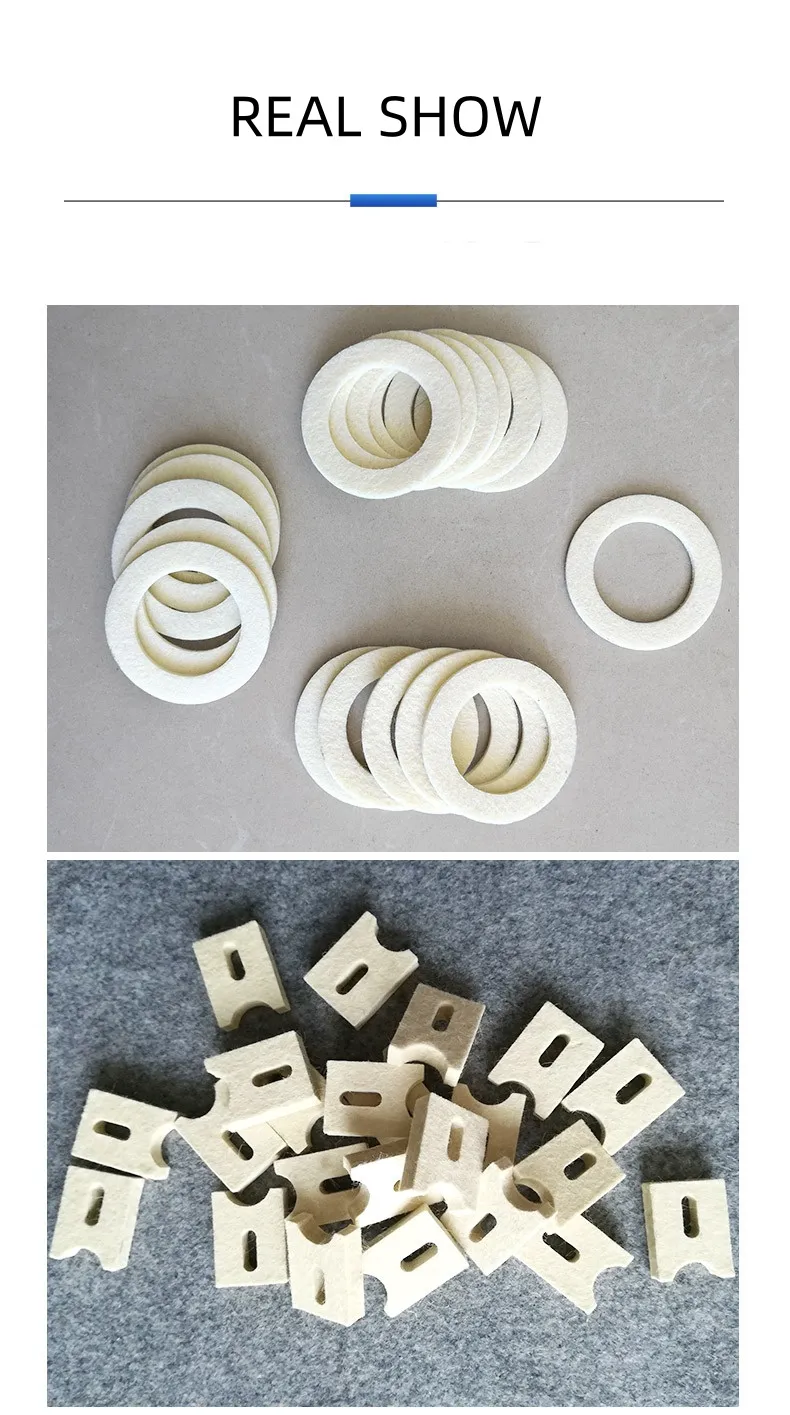
The 3-inch felt buffing wheel is a critical component in surface finishing operations across a wide spectrum of industries, including metalworking, automotive, plastics, and jewelry manufacturing. It serves as a polishing and finishing tool used to refine surfaces, remove imperfections, and achieve desired aesthetic qualities. Positioned within the manufacturing chain as a secondary finishing process following machining or grinding, its core performance characteristics revolve around material removal rate, surface finish quality (Ra value), and longevity. Unlike abrasive wheels which prioritize material removal, felt buffing wheels focus on refining surfaces using compounds, making them integral for achieving high-gloss, mirror-like finishes. This guide provides an in-depth technical analysis of the 3-inch felt buffing wheel, covering its material science, manufacturing processes, performance engineering, failure modes, and relevant industry standards.
Material Science & Manufacturing
The primary material for 3-inch felt buffing wheels is typically wool felt, though synthetic alternatives like polyamide or polypropylene fibers are increasingly utilized, particularly in applications demanding chemical resistance or consistent density. Wool felt’s performance is directly correlated to the fiber diameter, density, and the felting process. The raw wool fibers, commonly sourced from sheep, undergo a cleaning and carding process to align the fibers. The subsequent felting process involves mechanically interlocking the fibers using moisture, heat, and pressure. This creates a dense, porous structure. Synthetic felts are manufactured through needle-punching or hydroentangling processes, resulting in consistent fiber distribution.
Manufacturing a 3-inch felt buffing wheel involves several key steps. First, a precise weight of felt material is wrapped around a central hub, usually constructed from aluminum or a robust polymer. The density of the wrapping significantly influences performance - higher density leads to more aggressive material removal, while lower density is preferred for delicate polishing. Next, the felt is compressed and mechanically bonded to the hub. This can be achieved through stitching, adhesives (typically epoxy resins for wool felt and polyurethane adhesives for synthetics), or a combination of both. Critical parameters during manufacturing include compression pressure (affecting density and porosity), adhesive curing temperature and time, and stitching density (influencing structural integrity). Quality control involves dimensional checks for diameter and width, density measurements using core sampling, and visual inspection for fiber inconsistencies or defects. The quality of the hub material is also crucial; aluminum hubs require careful anodization to prevent corrosion, while polymer hubs need to demonstrate sufficient thermal stability.
Performance & Engineering
The performance of a 3-inch felt buffing wheel is governed by several engineering principles. Force analysis focuses on radial pressure applied during operation, which dictates material removal rate. Higher radial pressure, coupled with the correct buffing compound, results in faster polishing but also increases heat generation and wheel wear. The porous nature of the felt allows for efficient compound absorption and distribution. The wheel’s rotational speed (RPM) is another critical factor, influencing both the polishing rate and the potential for overheating.
Environmental resistance is a key performance consideration. Wool felt is susceptible to degradation in highly alkaline or acidic environments, limiting its applicability in certain industrial processes. Synthetic felts offer improved chemical resistance but may exhibit lower thermal stability. Compliance requirements vary depending on the target industry. For automotive applications, the wheel’s composition must meet volatile organic compound (VOC) emission standards. In food-grade applications, materials must be FDA-compliant. Functional implementation involves selecting the appropriate buffing compound – typically waxes, rouges, or polishing compounds – based on the material being polished and the desired finish. The compound interacts with the felt fibers to create a micro-abrasive action, removing surface imperfections. Careful control of the compound's viscosity and abrasive particle size is essential for achieving consistent results. The wheel’s dynamic balance is also critical to prevent vibrations and ensure smooth operation, impacting both operator comfort and surface finish quality.
Technical Specifications
| Diameter (inches) | Width (inches) | Arbor Hole Diameter (inches) | Maximum RPM |
|---|---|---|---|
| 3 | 0.375 - 0.5 | 0.25 – 0.5 (dependent on hub type) | 3000 - 4500 |
| 3 | 0.5 – 0.75 | 0.25 – 0.5 (dependent on hub type) | 2500 - 3500 |
| 3 | 0.75 - 1.0 | 0.25 – 0.5 (dependent on hub type) | 2000 - 3000 |
| 3 | 1.0 – 1.25 | 0.25 – 0.5 (dependent on hub type) | 1800 - 2800 |
| 3 | 1.5 – 2.0 | 0.25 – 0.5 (dependent on hub type) | 1500 - 2500 |
| 3 | 2.0 – 2.5 | 0.25 – 0.5 (dependent on hub type) | 1200 - 2000 |
Failure Mode & Maintenance
Common failure modes for 3-inch felt buffing wheels include fiber shedding, glazing, wheel deterioration, and hub failure. Fiber shedding occurs when the felt material loses its structural integrity, releasing loose fibers. This is often a result of excessive wear, contamination with abrasive particles, or exposure to harsh chemicals. Glazing happens when the felt surface becomes saturated with polishing compound and forms a hard, shiny layer, reducing its effectiveness. Wheel deterioration, characterized by uneven wear and loss of density, typically occurs due to prolonged use and insufficient maintenance. Hub failure, though less common, can result from corrosion, mechanical stress, or improper mounting.
Preventative maintenance is crucial for extending wheel lifespan and ensuring consistent performance. Regular cleaning is essential to remove accumulated compound and debris. Compressed air is generally sufficient for surface cleaning, but more thorough cleaning may require solvent-based cleaners (following appropriate safety precautions). Wheels should be periodically dressed using a wheel dressing tool to remove glazed surfaces and restore their cutting action. Proper storage is also important; wheels should be stored in a clean, dry environment, away from direct sunlight and extreme temperatures. Inspect wheels regularly for signs of damage, such as cracks, fraying, or uneven wear. Replace wheels exhibiting significant damage or loss of performance. Balancing the wheel regularly can help to reduce vibrations and improve efficiency.
Industry FAQ
Q: What is the primary difference between wool felt and synthetic felt buffing wheels in terms of application suitability?
A: Wool felt excels in applications requiring a very fine polish and high luster, like jewelry or high-end automotive finishing, due to its natural fiber structure that conforms well to complex shapes. However, it’s susceptible to chemical degradation. Synthetic felts (polyamide, polypropylene) offer superior chemical resistance, making them ideal for polishing plastics or materials exposed to aggressive cleaning agents, but they may not achieve the same level of ultimate polish as wool.
Q: How does wheel density affect the polishing process?
A: Higher density wheels generally provide a more aggressive cut, removing material faster and creating more heat. They are suitable for heavier polishing or removing significant imperfections. Lower density wheels are better for delicate polishing, blending, and achieving a high-gloss finish with minimal material removal. The choice depends on the material being polished and the desired result.
Q: What are the safety considerations when operating a felt buffing wheel?
A: Safety glasses are paramount to protect against flying debris. Additionally, ensure the wheel is properly guarded to prevent entanglement. Avoid wearing loose clothing or jewelry. Regularly inspect the wheel for damage and ensure it is securely mounted to the spindle. Never exceed the maximum RPM rating.
Q: How can I prevent glazing on a felt buffing wheel?
A: Regular wheel dressing with a specialized dressing tool is the most effective method. Using the correct type and amount of buffing compound also helps. Avoid applying excessive pressure, which can contribute to compound buildup. Periodically cleaning the wheel with compressed air or a suitable solvent also reduces glazing.
Q: What is the expected lifespan of a 3-inch felt buffing wheel under normal operating conditions?
A: The lifespan varies greatly depending on usage and maintenance. With regular cleaning and dressing, a well-maintained wool felt wheel can last 50-100 hours of continuous use. Synthetic wheels generally have a longer lifespan, potentially exceeding 150-200 hours, due to their increased durability.
Conclusion
The 3-inch felt buffing wheel remains an indispensable tool in numerous industrial finishing processes. Its performance is deeply intertwined with material science considerations, precise manufacturing controls, and diligent maintenance practices. Understanding the interplay between felt density, compound selection, and operating parameters is critical for achieving optimal surface finish quality and maximizing wheel longevity.
Looking forward, innovations in felt materials—particularly the development of hybrid wool-synthetic blends—promise to deliver enhanced performance characteristics, combining the polishability of wool with the durability and chemical resistance of synthetics. Furthermore, advancements in automated wheel dressing and condition monitoring technologies will contribute to improved process control and reduced downtime. The continued refinement of this seemingly simple tool underscores its enduring relevance in the pursuit of superior surface finishing.


 English
  Afrikaans
  Albanian
  Amharic
  Arabic
  Armenian
  Azerbaijani
  Basque
  Belarusian
  Bengali
  Bosnian
  Bulgarian
  Catalan
  Cebuano
  Corsican
  Croatian
  Czech
Czech  Danish
  Dutch
Dutch  Esperanto
  Estonian
  Finnish
  French
  Frisian
  Galician
  Georgian
  German
  Greek
Greek  Gujarati
  Haitian Creole
  Hausa
Hausa  Hebrew
  Hindi
Hindi  Miao
Miao  Hungarian
  Icelandic
  Igbo
Igbo  Indonesian
  Irish
Irish  Italian
  Japanese
  Javanese
  Kazakh
  Khmer
Khmer  Rwandese
  Korean
  Kurdish
  Kyrgyz
  Lao
Lao  Latin
Latin  Latvian
  Lithuanian
  Luxembourgish
  Macedonian
  Malgashi
  Malay
Malay  Malayalam
  Maltese
  Maori
Maori  Marathi
  Mongolian
  Myanmar
  Nepali
  Norwegian
  Norwegian
  Occitan
  Pashto
  Persian
  Polish
  Portuguese
  Romanian
  Russian
  Samoan
  Scottish Gaelic
  Serbian
  Sesotho
  Shona
Shona  Sindhi
  Sinhala
  Slovak
  Slovenian
  Somali
  Spanish
  Sundanese
  Swahili
  Swedish
  Tajik
Tajik  Tamil
Tamil  Tatar
Tatar  Telugu
  Thai
Thai  Turkish
  Turkmen
  Ukrainian
  Urdu
Urdu  Uighur
  Uzbek
Uzbek  Vietnamese
  Welsh
Welsh  Bantu
Bantu  Yiddish
  Yoruba
  Zulu
Zulu