
Apr . 01, 2024 17:55 Back to list
buy felt Technical Analysis
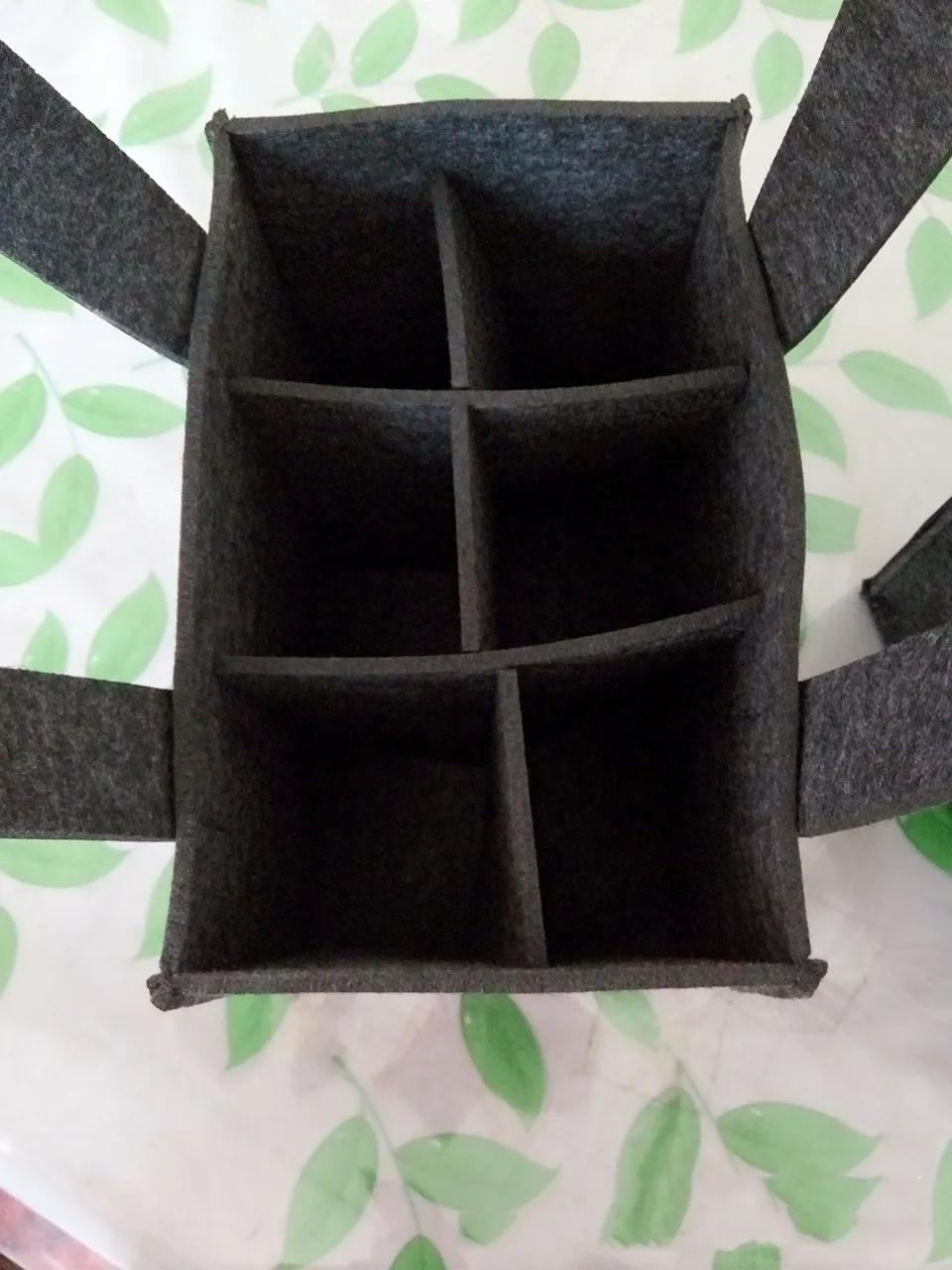
Introduction
Felt, as a non-woven textile material, occupies a crucial position within numerous industrial supply chains. Commonly produced from natural fibers such as wool and fur, or synthetic fibers like acrylic, rayon, and polyester, felt's inherent properties – compressibility, resilience, and thermal/acoustic insulation – define its utility. This guide provides an in-depth technical analysis of felt, covering material science, manufacturing processes, performance characteristics, potential failure modes, and applicable industry standards. The core challenge within felt procurement lies in balancing cost with performance attributes, particularly concerning fiber composition, density, and the intended application’s environmental conditions. Unlike woven textiles, felt’s structure relies on the entanglement of fibers, resulting in anisotropic properties which require careful consideration in engineering design. The industrial relevance spans automotive interiors, filtration systems, padding, soundproofing, and specialized industrial applications demanding customized properties.
Material Science & Manufacturing
The fundamental material science of felt is governed by the fiber characteristics used in its production. Wool felts derive their properties from the scaled structure of the wool fiber, enabling mechanical interlocking during processing. Synthetic felts, lacking natural scales, rely heavily on chemical bonding agents and mechanical entanglement. Acrylic fibers provide good loft and resilience, polyester offers durability and abrasion resistance, and rayon delivers softness and absorbency. Manufacturing predominantly involves carding, where fibers are aligned in a parallel fashion, followed by needling, chemical bonding (using resins or latex), or wet felting. Wet felting, the traditional method, utilizes heat, moisture, and agitation to induce fiber interlocking. Needling employs barbed needles to mechanically entangle the fibers. Key parameters include fiber fineness (denier), fiber length, web density (weight per unit area – typically measured in gsm), and the type and concentration of bonding agents. Control of these parameters directly impacts the felt’s tensile strength, tear resistance, and dimensional stability. Chemical compatibility of bonding agents with the chosen fiber is critical to prevent degradation and maintain long-term performance. Batch-to-batch variability in fiber composition and processing conditions necessitates stringent quality control measures.

Performance & Engineering
Felt’s performance is critically dependent on its intended application. In automotive interiors, the focus is on abrasion resistance, UV stability, and VOC emissions. For filtration applications, pore size distribution and filtration efficiency are paramount, demanding precise control of fiber density and web structure. In soundproofing, the felt's density and airflow resistivity dictate its sound absorption coefficient across different frequencies. Engineering considerations revolve around load-bearing capacity, compression set (permanent deformation under load), and thermal conductivity. Force analysis dictates the required felt thickness and density to withstand anticipated stresses. Environmental resistance assessments involve evaluating the felt’s performance under varying temperature, humidity, and chemical exposure conditions. Compliance requirements, such as flammability standards (FMVSS 302 for automotive applications) and emissions regulations (OEKO-TEX Standard 100 for textile products), must be meticulously addressed. The anisotropic nature of felt requires careful consideration during design, particularly in applications involving non-uniform stress distributions. Furthermore, creep – the tendency to deform slowly under sustained stress – is a key performance metric that demands attention.
Technical Specifications
| Property | Wool Felt | Polyester Felt | Acrylic Felt | Rayon Felt |
|---|---|---|---|---|
| Density (gsm) | 200-800 | 100-500 | 150-400 | 120-350 |
| Tensile Strength (N/mm²) | 0.8-2.5 | 1.2-3.8 | 0.5-1.8 | 0.4-1.5 |
| Tear Strength (N) | 15-50 | 30-80 | 10-30 | 8-25 |
| Compression Set (%) (24hr @ 50% compression) | 10-20 | 5-15 | 15-30 | 20-40 |
| Water Absorption (%) | 30-40 | 0.5-1.5 | 1-3 | 5-10 |
| Thermal Conductivity (W/mK) | 0.035-0.045 | 0.030-0.040 | 0.032-0.042 | 0.038-0.048 |
Failure Mode & Maintenance
Felt, despite its inherent robustness, is susceptible to several failure modes. Abrasion, particularly in high-wear applications, leads to fiber loss and reduced thickness. Hydrolysis, the degradation of fibers due to exposure to water, is a significant concern for rayon and certain acrylic felts. Oxidation, caused by exposure to oxygen and UV radiation, degrades the fibers, leading to discoloration and embrittlement. Fatigue cracking can occur under cyclic loading, especially in applications involving repeated compression. Delamination, the separation of felt layers, can occur if bonding agents are inadequate or exposed to harsh chemicals. Maintenance typically involves vacuuming or brushing to remove debris and contaminants. For oil-based contamination, spot cleaning with a mild solvent may be necessary, ensuring compatibility with the felt’s fiber composition. Avoid prolonged exposure to direct sunlight and extreme temperatures. Regular inspection for wear and tear is crucial to identify and address potential failure points proactively. In critical applications, periodic replacement of felt components is recommended based on anticipated service life and operating conditions.
Industry FAQ
Q: What is the impact of fiber type on the long-term durability of felt used in automotive headliners?
A: Fiber type significantly impacts durability. Polyester felts generally exhibit superior UV resistance and hydrolysis resistance compared to wool or rayon. Acrylic felts offer good loft and resilience but can be more susceptible to oxidation. For automotive headliners, polyester is often preferred due to its ability to withstand prolonged exposure to sunlight and temperature fluctuations. Adding UV stabilizers to the polyester fiber can further enhance its long-term performance.
Q: How does felt density affect its sound absorption characteristics?
A: Generally, higher density felts provide better low-frequency sound absorption, while lower density felts are more effective at absorbing high-frequency sounds. The key parameter is airflow resistivity. Increasing the density increases the airflow resistivity, hindering sound wave propagation. However, beyond a certain point, increasing density yields diminishing returns in sound absorption performance. Optimizing density for a specific frequency range is crucial for effective soundproofing.
Q: What are the key considerations when selecting felt for a filtration application?
A: The primary considerations are pore size distribution, filtration efficiency, and chemical compatibility with the filtered medium. Felt’s structure must provide sufficient surface area and controlled pore sizes to capture targeted particles. The fiber composition must be resistant to degradation by the filtered medium. Differential pressure drop across the felt is also a critical factor, impacting energy consumption. Electrostatic felts can achieve higher filtration efficiencies but may be sensitive to humidity.
Q: How do bonding agents affect the performance and longevity of synthetic felts?
A: Bonding agents are crucial for maintaining the integrity of synthetic felts. The selected agent must exhibit strong adhesion to the chosen fiber and provide adequate flexibility and resilience. Latex-based binders offer good initial bonding but can be susceptible to hydrolysis. Resin-based binders provide superior durability and chemical resistance. The concentration of the bonding agent must be optimized to achieve desired properties without compromising flexibility or breathability.
Q: What testing standards are used to evaluate the flammability of felt used in industrial applications?
A: Several standards are commonly used, depending on the specific application and regional regulations. FMVSS 302 is prevalent in the automotive industry. UL 94 is a widely recognized standard for assessing the flammability of plastic materials, and can be applied to synthetic felt. ASTM D6413 is used for determining the flammability of textile fabrics. The specific test method selected will depend on the required level of fire resistance and the intended end-use.
Conclusion
Felt represents a versatile material with a broad spectrum of industrial applications. Its performance is intricately linked to the choice of fiber, manufacturing process, and the control of key parameters like density and bonding agent concentration. Understanding the interplay between material science and engineering principles is critical for selecting the optimal felt grade for a given application. The inherent anisotropy of felt demands careful consideration during design and analysis, ensuring structural integrity and long-term reliability.
Looking ahead, advancements in fiber technology and bonding techniques will likely lead to the development of higher-performance felts with enhanced durability, chemical resistance, and specialized functionalities. Sustainable sourcing of raw materials and environmentally friendly manufacturing processes will become increasingly important considerations. Continuous monitoring of industry standards and regulatory requirements is essential for ensuring compliance and maintaining product quality.


 English
  Afrikaans
  Albanian
  Amharic
  Arabic
  Armenian
  Azerbaijani
  Basque
  Belarusian
  Bengali
  Bosnian
  Bulgarian
  Catalan
  Cebuano
  Corsican
  Croatian
  Czech
Czech  Danish
  Dutch
Dutch  Esperanto
  Estonian
  Finnish
  French
  Frisian
  Galician
  Georgian
  German
  Greek
Greek  Gujarati
  Haitian Creole
  Hausa
Hausa  Hebrew
  Hindi
Hindi  Miao
Miao  Hungarian
  Icelandic
  Igbo
Igbo  Indonesian
  Irish
Irish  Italian
  Japanese
  Javanese
  Kazakh
  Khmer
Khmer  Rwandese
  Korean
  Kurdish
  Kyrgyz
  Lao
Lao  Latin
Latin  Latvian
  Lithuanian
  Luxembourgish
  Macedonian
  Malgashi
  Malay
Malay  Malayalam
  Maltese
  Maori
Maori  Marathi
  Mongolian
  Myanmar
  Nepali
  Norwegian
  Norwegian
  Occitan
  Pashto
  Persian
  Polish
  Portuguese
  Romanian
  Russian
  Samoan
  Scottish Gaelic
  Serbian
  Sesotho
  Shona
Shona  Sindhi
  Sinhala
  Slovak
  Slovenian
  Somali
  Spanish
  Sundanese
  Swahili
  Swedish
  Tajik
Tajik  Tamil
Tamil  Tatar
Tatar  Telugu
  Thai
Thai  Turkish
  Turkmen
  Ukrainian
  Urdu
Urdu  Uighur
  Uzbek
Uzbek  Vietnamese
  Welsh
Welsh  Bantu
Bantu  Yiddish
  Yoruba
  Zulu
Zulu