
Apr . 01, 2024 17:55 Back to list
felt automotive Performance Analysis
Introduction
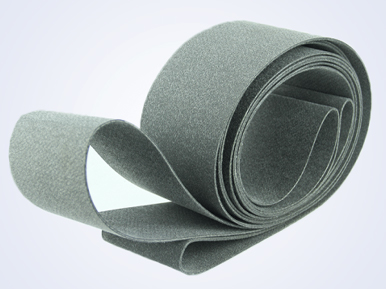
Felt automotive components represent a significant and often overlooked segment within the broader automotive supply chain. These components, typically manufactured from non-woven fabrics of natural, synthetic, or blended fibers, fulfill critical functions ranging from vibration dampening and sound insulation to filtration and protective padding. Their technical position lies between commodity textiles and high-performance engineered polymers, offering a cost-effective solution where absolute precision or extreme temperature resistance is not paramount, but consistent performance, lightweighting, and cost optimization are essential. Core performance characteristics include density, thickness, hardness, sound absorption coefficient, and compressive strength – parameters directly impacting their efficacy in diverse automotive applications like underbody shielding, headliners, interior trim, and battery separators. The increasing demands for electric vehicle (EV) thermal management and noise reduction are driving renewed interest and innovation in felt automotive technologies, particularly in battery module insulation and cabin comfort enhancements. Industry pain points include maintaining consistent material properties across large production runs, ensuring long-term durability in harsh under-hood environments, and addressing the recyclability of composite felt materials.
Material Science & Manufacturing
The primary raw materials for felt automotive components are polyester, polypropylene, acrylic, and rayon fibers, often in blended configurations. Polyester provides excellent durability and resistance to stretching, while polypropylene offers cost-effectiveness and chemical resistance. Acrylic fibers contribute to a softer feel and improved dyeability, and rayon (viscose) offers good absorption and drape. The manufacturing process typically begins with fiber preparation, involving carding and potentially crosslapping to create a web of fibers. This web is then subjected to needling, chemical bonding (using binders like latex or acrylic emulsions), or thermal bonding (using heat and pressure) to interlock the fibers and create a cohesive felt structure. Needle felting mechanically entangles the fibers using barbed needles, resulting in a robust and dimensionally stable material. Chemical bonding relies on the adhesion of the binder to the fibers, providing a softer but potentially less durable product. Thermal bonding utilizes thermoplastic fibers that fuse together when heated, offering good strength and loft. Key parameter control during manufacturing focuses on fiber density (measured in grams per square meter), needle density (needles per minute), binder concentration (for chemical bonding), and temperature/pressure profiles (for thermal bonding). Variations in these parameters directly impact the felt's density, porosity, tensile strength, and acoustic performance. Maintaining consistent fiber orientation and minimizing fiber breakage during carding and needling are crucial for achieving uniform material properties. The choice of binder and its application method significantly affect the felt’s flammability and VOC emissions, necessitating careful selection based on automotive safety standards.
Performance & Engineering
The performance of felt automotive components is fundamentally dictated by their physical and mechanical properties. Force analysis often centers on compressive strength and deformation characteristics, particularly for underbody shields and seat padding. These components must withstand static loads from vehicle weight and dynamic loads from road impacts without permanent deformation or failure. Environmental resistance is critical; felt materials are frequently exposed to extreme temperatures, humidity, UV radiation, and automotive fluids (oil, coolant, brake fluid). Long-term exposure can lead to degradation of the fibers and binders, resulting in reduced strength, flexibility, and acoustic performance. Compliance requirements are stringent, particularly regarding flammability (FMVSS 302 in the US, ECE R42 in Europe), VOC emissions (VDA 270), and odor control. Functional implementation varies widely depending on the application. In sound insulation, felt’s porous structure effectively absorbs sound waves, reducing noise levels within the cabin. In filtration applications (cabin air filters), the felt acts as a barrier, trapping dust, pollen, and other airborne particles. In battery module insulation, the felt provides electrical isolation and thermal management, preventing short circuits and maintaining optimal battery temperature. Engineers consider the creep resistance of felt when designing components subjected to prolonged compressive loads. The material's Poisson's ratio (the ratio of transverse strain to axial strain) is also an important factor in predicting its behavior under stress. Furthermore, the moisture regain (the amount of water a material absorbs from the air) can affect its weight, dimensional stability, and acoustic properties.
Technical Specifications
| Parameter | Polyester Felt | Polypropylene Felt | Acrylic/Rayon Blend Felt | Units |
|---|---|---|---|---|
| Density | 500-1200 | 300-800 | 400-1000 | g/m² |
| Tensile Strength (Longitudinal) | 80-150 | 60-120 | 70-140 | N/5cm |
| Tensile Strength (Transverse) | 60-120 | 40-90 | 50-110 | N/5cm |
| Thickness | 2-10 | 1-8 | 2-10 | mm |
| Sound Absorption Coefficient (1kHz) | 0.60-0.85 | 0.50-0.75 | 0.70-0.90 | - |
| Water Absorption (24hr) | 1-3 | 0.5-1.5 | 2-5 | % |
Failure Mode & Maintenance
Common failure modes in felt automotive components include delamination (separation of layers due to inadequate bonding), fatigue cracking (due to repeated stress cycles, particularly in vibration damping applications), fiber degradation (caused by UV exposure, heat, or chemical attack), and compression set (permanent deformation under sustained load). Delamination is often a result of insufficient binder application or improper bonding process control. Fatigue cracking typically initiates at stress concentration points, such as edges or holes. Fiber degradation leads to a loss of strength, flexibility, and acoustic performance. Compression set is particularly problematic in seat padding and underbody shielding. Failure analysis should include microscopic examination of the fracture surface to identify the root cause of failure. Maintenance typically involves periodic inspection for signs of wear, delamination, or degradation. Cleaning may be necessary to remove dirt and debris that can accelerate degradation. In some cases, replacement of the felt component may be required. Preventative measures include selecting appropriate felt materials for the specific application, ensuring proper installation and bonding, and providing adequate protection from environmental factors. Using UV stabilizers in the binder formulation can significantly extend the service life of felt components exposed to sunlight. Regularly inspecting fasteners and mounting points can prevent premature failure due to vibration or loosening. Proper storage of unused felt materials is also crucial; they should be kept in a cool, dry, and dark environment to prevent degradation.
Industry FAQ
Q: What is the impact of humidity on the performance of felt automotive components?
A: Humidity can significantly impact the performance of felt components. Moisture absorption can lead to weight gain, dimensional changes, and a reduction in strength and stiffness. Furthermore, moisture can promote the growth of mold and mildew, which can degrade the fibers and binders. In acoustic applications, increased humidity can alter the sound absorption characteristics of the felt. Selecting materials with low moisture regain and applying hydrophobic treatments can mitigate these effects.
Q: How do different bonding methods (needle felting, chemical bonding, thermal bonding) affect the long-term durability?
A: Needle felting generally provides the highest long-term durability due to its mechanical interlocking of fibers, which is less susceptible to degradation from temperature or chemicals. Chemical bonding, while offering a softer hand feel, is more vulnerable to binder breakdown over time, especially under thermal stress. Thermal bonding offers a good balance of strength and durability but requires careful control of the bonding process to avoid fiber damage and ensure uniform bonding. The optimal method depends on the specific application and environmental conditions.
Q: Are there sustainable alternatives to traditional petroleum-based felt materials?
A: Yes, there’s growing interest in sustainable alternatives. Natural fibers like wool, hemp, and jute can be used in felt blends, reducing reliance on petroleum-based synthetics. Recycled polyester and polypropylene fibers are also gaining traction. Biopolymers, such as polylactic acid (PLA), offer a biodegradable option, although their thermal and mechanical properties may be limited. The lifecycle assessment of these alternatives is crucial to ensure they truly offer environmental benefits.
Q: What testing protocols are used to evaluate the flammability of felt automotive components?
A: The most common flammability testing protocols include FMVSS 302 (US Federal Motor Vehicle Safety Standard) and ECE R42 (European Economic Commission Regulation). These standards specify requirements for horizontal and vertical burning rates, afterglow time, and the production of toxic gases. Additional tests may include oxygen index determination and cone calorimetry to assess the material's fire behavior.
Q: How does the density of the felt influence its acoustic performance?
A: Generally, higher density felt materials provide better sound insulation due to their increased mass and ability to block sound transmission. However, the relationship is not linear; beyond a certain density, the benefit diminishes. Porosity and fiber structure also play crucial roles. A more porous structure allows for greater sound absorption by trapping sound waves and converting them into heat. Optimal acoustic performance requires a balance between density, porosity, and fiber characteristics.
Conclusion
Felt automotive components remain a vital, yet often understated, element in modern vehicle manufacturing. Their cost-effectiveness, versatility, and performance characteristics – particularly in vibration damping, sound insulation, and filtration – continue to drive their widespread adoption. Understanding the intricate interplay between material science, manufacturing processes, and engineering principles is paramount for optimizing their performance and ensuring long-term reliability. The ongoing pursuit of sustainable materials and improved bonding technologies will be critical for addressing environmental concerns and enhancing the durability of these essential components.
Looking ahead, the demands of electric vehicles are poised to further elevate the importance of felt automotive technologies. The need for enhanced thermal management, noise reduction, and lightweighting will drive innovation in felt materials and manufacturing techniques. Developing felt materials with improved fire resistance, reduced VOC emissions, and enhanced recyclability will be essential for meeting increasingly stringent automotive standards and consumer expectations. Continued research into novel fiber blends, advanced bonding methods, and optimized material structures will be crucial for unlocking the full potential of felt in the automotive industry.


 English
  Afrikaans
  Albanian
  Amharic
  Arabic
  Armenian
  Azerbaijani
  Basque
  Belarusian
  Bengali
  Bosnian
  Bulgarian
  Catalan
  Cebuano
  Corsican
  Croatian
  Czech
Czech  Danish
  Dutch
Dutch  Esperanto
  Estonian
  Finnish
  French
  Frisian
  Galician
  Georgian
  German
  Greek
Greek  Gujarati
  Haitian Creole
  Hausa
Hausa  Hebrew
  Hindi
Hindi  Miao
Miao  Hungarian
  Icelandic
  Igbo
Igbo  Indonesian
  Irish
Irish  Italian
  Japanese
  Javanese
  Kazakh
  Khmer
Khmer  Rwandese
  Korean
  Kurdish
  Kyrgyz
  Lao
Lao  Latin
Latin  Latvian
  Lithuanian
  Luxembourgish
  Macedonian
  Malgashi
  Malay
Malay  Malayalam
  Maltese
  Maori
Maori  Marathi
  Mongolian
  Myanmar
  Nepali
  Norwegian
  Norwegian
  Occitan
  Pashto
  Persian
  Polish
  Portuguese
  Romanian
  Russian
  Samoan
  Scottish Gaelic
  Serbian
  Sesotho
  Shona
Shona  Sindhi
  Sinhala
  Slovak
  Slovenian
  Somali
  Spanish
  Sundanese
  Swahili
  Swedish
  Tajik
Tajik  Tamil
Tamil  Tatar
Tatar  Telugu
  Thai
Thai  Turkish
  Turkmen
  Ukrainian
  Urdu
Urdu  Uighur
  Uzbek
Uzbek  Vietnamese
  Welsh
Welsh  Bantu
Bantu  Yiddish
  Yoruba
  Zulu
Zulu