
Apr . 01, 2024 17:55 Back to list
felt beige Performance Analysis
Introduction
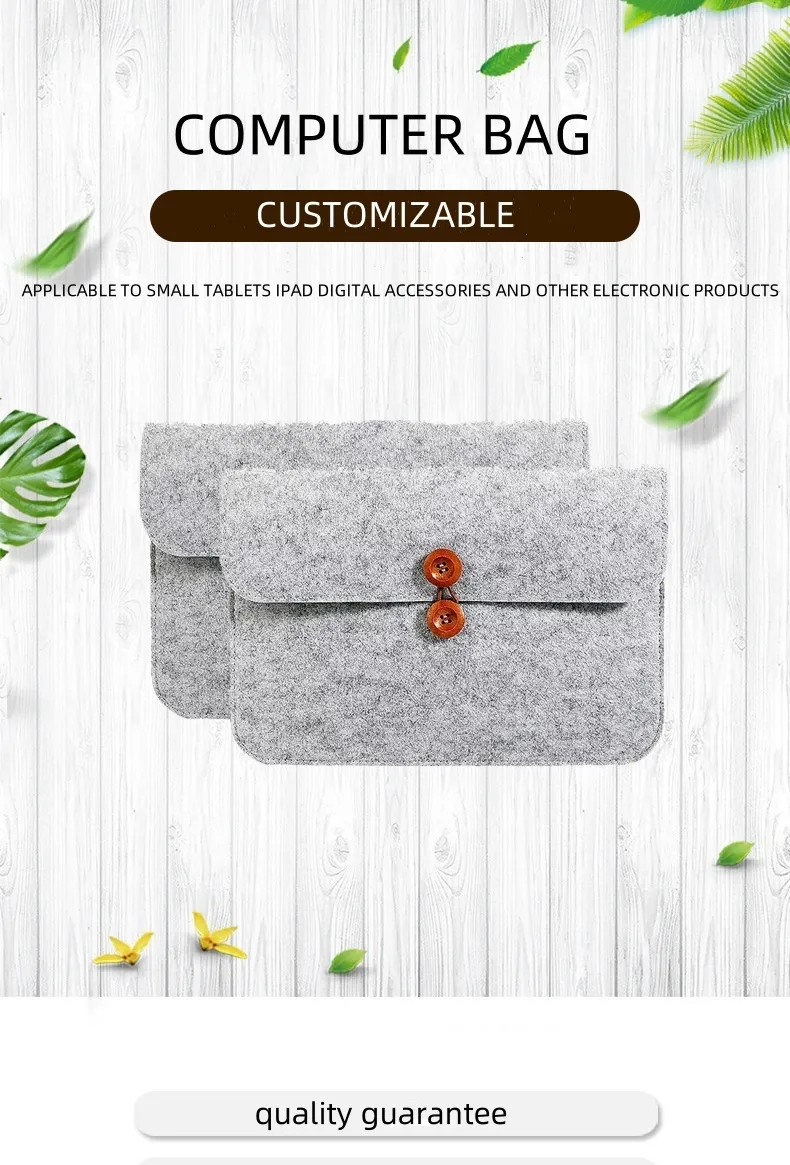
Felt beige is a nonwoven textile produced by matting, condensing and pressing natural or synthetic fibers. Positioned within the broader textile manufacturing supply chain, it serves as a crucial component in applications ranging from industrial filtration and soundproofing to crafting and apparel interlinings. Its inherent properties – notably, porosity, compressibility, and thermal insulation – define its utility. Unlike woven or knitted fabrics, felt beige is created without a traditional yarn structure, relying instead on fiber entanglement achieved through mechanical, chemical, or thermal processes. Core performance characteristics include consistent thickness, dimensional stability, and a relatively low cost of production compared to more complex textile structures. The “beige” designation refers to the typical natural color resulting from un-dyed or lightly processed wool or synthetic fibers, although dyeing is a common subsequent step. Understanding the intricacies of felt beige production and properties is vital for engineers and procurement managers seeking materials for demanding applications where performance and cost-effectiveness are paramount.
Material Science & Manufacturing
The foundational materials for felt beige production include natural fibers like wool, and synthetic fibers such as polypropylene, polyester, acrylic, and rayon. Wool felts rely on the scale structure of the wool fiber, which allows for interlocking during mechanical processing. Synthetic felts, lacking this natural structure, require the addition of binder fibers (often a thermoplastic polymer) or chemical treatments to achieve entanglement. Polypropylene, owing to its low cost and moisture resistance, is widely used in industrial filtration applications. Polyester offers higher tensile strength and thermal stability. The manufacturing process begins with fiber preparation – typically carding, where the fibers are aligned in a web-like structure. This web is then subjected to one of several consolidation methods: mechanical needling, where barbed needles interlock the fibers; wet felting, involving the application of moisture, heat, and agitation to encourage fiber entanglement; or thermal bonding, where thermoplastic fibers are melted to bind the structure. Key parameters in the manufacturing process include fiber denier (fineness), web weight (grams per square meter), needling density (needles per square centimeter), and consolidation temperature (for thermal bonding). Controlling these parameters is critical to achieving the desired properties, such as thickness, density, and tensile strength. Chemical compatibility is also a key consideration, especially when utilizing synthetic fibers, as exposure to certain solvents or chemicals can lead to degradation or embrittlement. For wool felts, pH control during wet felting is essential to prevent fiber damage.

Performance & Engineering
The performance of felt beige is largely dictated by its porosity and fiber composition. Porosity governs its permeability to fluids and gases, making it valuable in filtration applications. Air permeability is often quantified using a Frazier permeability tester, measuring airflow resistance. Compressibility is another critical factor, particularly in applications such as cushioning and sealing. Force analysis is essential in designing systems incorporating felt beige, focusing on compression set (permanent deformation under load) and load-bearing capacity. Environmental resistance is paramount, with UV degradation being a major concern for outdoor applications. Polyester and polypropylene exhibit superior UV resistance compared to wool and acrylic. Thermal insulation properties are leveraged in applications like building insulation and apparel. This is directly related to the fiber density and air entrapment within the felt structure. Compliance requirements vary based on the intended application. For instance, automotive felts must meet stringent flammability standards (e.g., FMVSS 302 in the US), while medical felts require biocompatibility certification (e.g., ISO 10993). Engineering considerations also include dimensional stability – the tendency to maintain shape and size under varying temperature and humidity conditions. Shrinkage and elongation need to be carefully controlled, especially in precision applications. The impact resistance, quantified through drop tests, also dictates the durability and protective capabilities of the material, particularly important in packaging and cushioning applications.
Technical Specifications
| Property | Wool Felt Beige | Polypropylene Felt Beige | Polyester Felt Beige | Units |
|---|---|---|---|---|
| Density | 0.2 - 0.4 | 0.15 - 0.3 | 0.3 - 0.5 | g/cm³ |
| Thickness | 1 - 10 | 0.5 - 5 | 1 - 8 | mm |
| Tensile Strength | 50 - 150 | 20 - 80 | 80 - 200 | N/m |
| Air Permeability | 50 - 200 | 100 - 500 | 20 - 100 | cfm |
| Water Absorption | 30 - 50 | <5 | 10 - 20 | % |
| Thermal Conductivity | 0.03 - 0.05 | 0.03 - 0.04 | 0.035 - 0.045 | W/m·K |
Failure Mode & Maintenance
Felt beige is susceptible to several failure modes, depending on the fiber type and application. For wool felts, degradation due to moth attack, mildew, and alkali exposure are common. Mechanical degradation manifests as fiber breakage and matting, leading to loss of thickness and performance. Delamination, the separation of felt layers, can occur under repeated stress or improper handling. Synthetic felts are prone to UV degradation, resulting in embrittlement and discoloration. Oxidation can also occur, particularly at elevated temperatures. Fiber pull-out, where fibers are extracted from the felt structure, is a common failure mode under tensile stress. Maintenance strategies vary. Wool felts benefit from periodic brushing and dry cleaning to remove dust and debris. Spot cleaning with a mild detergent is appropriate for minor stains. Synthetic felts can typically be wiped clean with a damp cloth. Preventative maintenance includes storing felt beige in a dry, well-ventilated area away from direct sunlight. For critical applications, regular inspection for signs of degradation is recommended. If delamination occurs, re-bonding with a suitable adhesive may be possible, but the restored strength will generally be lower than the original. Avoiding excessive compression loads and sharp bending radii can extend the service life of the material. Proper handling and storage are vital to mitigate degradation and ensure long-term performance.
Industry FAQ
Q: What are the key differences between needle-felted and wet-felted beige felt, and how do these differences impact their suitability for filtration applications?
A: Needle-felted felt utilizes barbed needles to mechanically interlock fibers, resulting in a more isotropic structure with consistent porosity. Wet-felted felt, relying on moisture, heat and agitation, produces a more dense and less porous structure with a degree of anisotropy. For filtration, needle-felted felts are preferred when high flow rates and lower filtration efficiency are required. Wet-felted felts are better suited for applications needing higher particulate retention, but at the expense of flow rate.
Q: How does the choice of binder fiber impact the long-term stability of thermally bonded polypropylene felt beige used in automotive interiors?
A: The type of binder fiber – typically a copolymer polypropylene – significantly influences the long-term performance. Binders with lower melting points can lead to softening and deformation at elevated temperatures experienced in vehicle interiors. Furthermore, compatibility between the polypropylene fibers and the binder is crucial; poor compatibility can result in delamination and reduced mechanical strength over time. UV stabilizers added to the binder are essential to prevent degradation caused by sunlight exposure.
Q: What flammability standards are commonly applied to felt beige used in aircraft interiors, and how is compliance typically achieved?
A: Aircraft interiors are subject to stringent flammability requirements, including FAR 25.853 in the US. These standards specify limits for flame propagation, smoke density, and toxic gas emissions. Compliance is typically achieved through the application of fire-retardant treatments to the felt, often involving halogenated compounds or phosphorus-based additives. The choice of treatment must balance flammability performance with potential health and environmental concerns.
Q: What is the typical service life of a polyester felt beige acoustic panel in a commercial office environment, and what factors contribute to its degradation?
A: A polyester felt acoustic panel typically has a service life of 5-10 years in a commercial office environment. Degradation factors include dust accumulation, UV exposure (from windows), physical abrasion, and humidity fluctuations. Dust accumulation reduces sound absorption performance, while UV exposure can cause discoloration and fiber embrittlement. Regular cleaning and minimizing direct sunlight exposure can extend the service life.
Q: How does the fiber denier affect the performance characteristics of a wool felt beige used as a polishing pad?
A: Lower fiber denier (finer fibers) in wool felt results in a smoother surface texture and increased density, leading to more consistent polishing performance and a finer surface finish. Higher fiber denier results in a more aggressive polishing action, suitable for removing heavier imperfections. The choice of denier depends on the material being polished and the desired level of surface refinement.
Conclusion
Felt beige, encompassing a diverse range of fiber compositions and manufacturing processes, remains a vital material across numerous industries. Its unique combination of porosity, compressibility, and thermal properties, coupled with its cost-effectiveness, ensures its continued relevance. Understanding the nuances of material selection, manufacturing parameters, and potential failure modes is paramount for engineers and procurement professionals seeking optimal performance.
Future advancements are focused on developing more sustainable felt materials, utilizing recycled fibers and bio-based polymers. Further research into novel fiber entanglement techniques and the incorporation of functional additives (e.g., antimicrobial agents, conductive polymers) will expand the application scope of felt beige. A continued emphasis on optimizing production processes to reduce energy consumption and waste generation will also be critical for ensuring the long-term viability of this versatile material.


 English
  Afrikaans
  Albanian
  Amharic
  Arabic
  Armenian
  Azerbaijani
  Basque
  Belarusian
  Bengali
  Bosnian
  Bulgarian
  Catalan
  Cebuano
  Corsican
  Croatian
  Czech
Czech  Danish
  Dutch
Dutch  Esperanto
  Estonian
  Finnish
  French
  Frisian
  Galician
  Georgian
  German
  Greek
Greek  Gujarati
  Haitian Creole
  Hausa
Hausa  Hebrew
  Hindi
Hindi  Miao
Miao  Hungarian
  Icelandic
  Igbo
Igbo  Indonesian
  Irish
Irish  Italian
  Japanese
  Javanese
  Kazakh
  Khmer
Khmer  Rwandese
  Korean
  Kurdish
  Kyrgyz
  Lao
Lao  Latin
Latin  Latvian
  Lithuanian
  Luxembourgish
  Macedonian
  Malgashi
  Malay
Malay  Malayalam
  Maltese
  Maori
Maori  Marathi
  Mongolian
  Myanmar
  Nepali
  Norwegian
  Norwegian
  Occitan
  Pashto
  Persian
  Polish
  Portuguese
  Romanian
  Russian
  Samoan
  Scottish Gaelic
  Serbian
  Sesotho
  Shona
Shona  Sindhi
  Sinhala
  Slovak
  Slovenian
  Somali
  Spanish
  Sundanese
  Swahili
  Swedish
  Tajik
Tajik  Tamil
Tamil  Tatar
Tatar  Telugu
  Thai
Thai  Turkish
  Turkmen
  Ukrainian
  Urdu
Urdu  Uighur
  Uzbek
Uzbek  Vietnamese
  Welsh
Welsh  Bantu
Bantu  Yiddish
  Yoruba
  Zulu
Zulu