Apr . 01, 2024 17:55 Back to list
Felt design Performance Analysis
Introduction
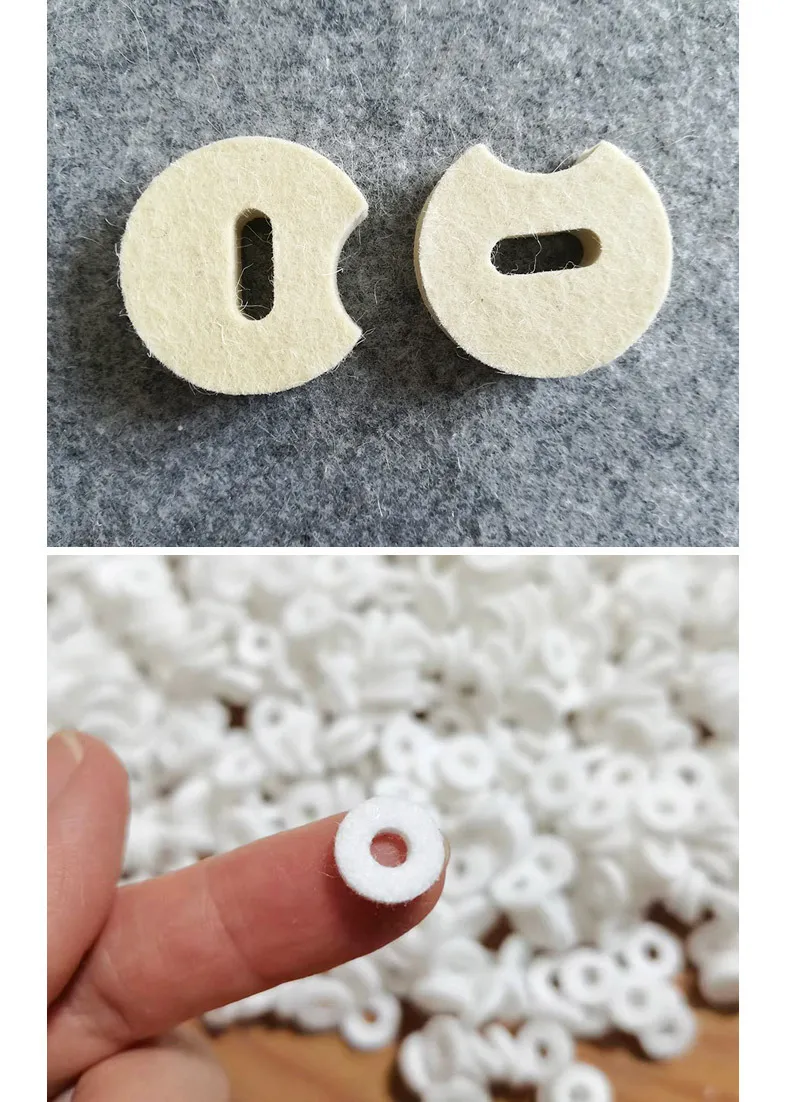
Felt is a non-woven textile produced by matting, condensing and pressing fibers together. Unlike woven fabrics, felt lacks a definitive grain and is manufactured through entanglement rather than interlacing. This process results in a material characterized by unique properties, including compressibility, cushioning, sound absorption, and thermal insulation. Within the broader textile industry, felt occupies a distinct position; it’s neither a true fabric nor a paper product, but a material engineered for specific performance characteristics, primarily leveraging the inherent attributes of the constituent fibers. Modern felt production extends beyond traditional wool to incorporate synthetic fibers like acrylic, polyester, and polypropylene, expanding its application range significantly. Core performance indicators for felt include density, thickness, tensile strength, tear resistance, and compression set, all critical factors dictating its suitability for diverse industrial applications ranging from filtration and insulation to padding and acoustic control. The increasing demand for sustainable materials is also driving innovation in felt production, with greater emphasis on recycled and bio-based fiber sources.
Material Science & Manufacturing
The foundational material of felt dictates its inherent properties. Wool, historically the dominant fiber, possesses a naturally scaly surface allowing for fiber interlocking during processing. The crimp in wool fibers also contributes to this entanglement. Synthetic fibers, however, require surface treatments or blending with wool to achieve comparable felting characteristics. Acrylic fibers offer good bulk and resilience, polyester provides strength and abrasion resistance, and polypropylene delivers cost-effectiveness and resistance to moisture. The manufacturing process begins with fiber preparation, involving cleaning, carding, and potentially dyeing. Carding aligns the fibers in a parallel fashion, facilitating the subsequent felting stages. Traditional wet felting utilizes hot water, alkali (typically soap), and mechanical agitation to cause fiber migration and interlocking. This process is heavily influenced by temperature (60-90°C), pH, and agitation intensity. Needle felting, a dry process, employs barbed needles to mechanically entangle the fibers. Needle density, needle gauge, and machine speed are crucial parameters. Thermal bonding, common for synthetic felts, uses heat and pressure to fuse the fibers together. Controlling temperature, pressure duration, and fiber composition is essential to prevent degradation or incomplete bonding. Fiber blending offers a pathway to tailor performance; for example, blending wool with polyester increases strength and reduces shrinkage. The orientation of fibers during the manufacturing process profoundly affects the anisotropic properties of the felt. Density control during compression is also vital for achieving desired performance characteristics.
Performance & Engineering
Felt’s performance is intrinsically linked to its structural characteristics. Tensile strength and tear resistance are crucial for applications involving stress and strain. These properties are directly proportional to fiber type, fiber density, and the degree of fiber entanglement. Compression set, the permanent deformation after sustained compression, is a critical parameter for cushioning and sealing applications. Low compression set indicates superior recovery and long-term performance. Acoustic performance relies on felt’s porous structure, which absorbs sound energy by converting it into heat through frictional damping. The absorption coefficient varies with frequency and thickness; thicker felt generally exhibits better low-frequency absorption. Thermal insulation is another key function, attributable to trapped air within the fiber matrix. Thermal conductivity is minimized by reducing fiber density and increasing air volume. Environmental resistance is a significant concern. Wool felt is susceptible to biodegradation and requires treatment for moisture and pest control. Synthetic felts offer better resistance to chemicals and UV degradation, but can be affected by specific solvents and high temperatures. Force analysis during application dictates the required felt density and thickness. For example, impact protection requires high density and substantial thickness to dissipate energy effectively. Compliance requirements, such as flammability standards (e.g., FAR 25.853 for aircraft interiors) and VOC emissions regulations (e.g., GREENGUARD), dictate material selection and processing techniques.
Technical Specifications
| Property | Wool Felt (Typical) | Polyester Felt (Typical) | Acrylic Felt (Typical) | Units |
|---|---|---|---|---|
| Density | 0.25 – 0.8 g/cm³ | 0.15 – 0.5 g/cm³ | 0.18 – 0.4 g/cm³ | g/cm³ |
| Thickness | 1 – 25 mm | 1 – 10 mm | 1 – 10 mm | mm |
| Tensile Strength | 50 – 200 N/cm | 100 – 300 N/cm | 75 – 250 N/cm | N/cm |
| Tear Resistance | 10 – 50 N | 20 – 80 N | 15 – 60 N | N |
| Compression Set (24hr, 50% compression) | 5 – 15% | 2 – 8% | 3 – 10% | % |
| Water Absorption | 30 – 50% | 0.5 – 2% | 1 – 3% | % |
Failure Mode & Maintenance
Felt, despite its robust nature, is susceptible to several failure modes. Fatigue cracking can occur under cyclical stress, particularly in applications involving repeated compression or vibration. This is exacerbated by fiber degradation and weakening of fiber entanglement. Delamination, the separation of felt layers, is common in laminated felts and can result from inadequate bonding or exposure to solvents. Biodegradation, primarily affecting wool felt, is caused by microorganisms and can lead to a loss of strength and structural integrity. Oxidation, particularly in synthetic felts, can result in embrittlement and discoloration, especially with prolonged exposure to UV radiation and elevated temperatures. Abrasion, from repeated contact with abrasive surfaces, causes fiber wear and thinning. Maintenance strategies depend on the application and fiber composition. Regular cleaning removes contaminants that can accelerate degradation. Avoidance of harsh chemicals and solvents prevents damage to the fiber structure. For wool felt, mothproofing treatments are essential. Periodic inspection for wear and tear allows for timely replacement before catastrophic failure. Storage in a dry, well-ventilated environment minimizes the risk of biodegradation and oxidation. Proper handling during installation and use also minimizes stress and prevents premature failure. If damage is detected, localized repair using appropriate adhesives and patching materials may extend the service life.
Industry FAQ
Q: What is the impact of fiber diameter on felt properties?
A: Generally, finer fibers result in a denser felt with a smoother surface finish and improved fiber interlocking, leading to higher tensile strength and tear resistance. However, finer fibers can also be more expensive and may exhibit lower abrasion resistance.
Q: How does needle density affect the performance of needle-felted materials?
A: Higher needle density generally leads to greater fiber entanglement and improved strength, but can also create a weaker surface and increase the risk of needle breakage. An optimal needle density exists for each specific fiber type and application.
Q: What are the limitations of using recycled fibers in felt production?
A: Recycled fibers often have shorter fiber lengths and lower tensile strength compared to virgin fibers. This can result in felt with reduced mechanical properties and increased pilling. Blending with virgin fibers can mitigate these limitations.
Q: How does the choice of binder affect the performance of thermally bonded felt?
A: The binder’s melting point, compatibility with the fibers, and adhesive strength all influence the felt's strength, durability, and resistance to temperature and solvents. Different binders are suitable for different fiber types and applications.
Q: What are the flammability requirements for felt used in aircraft interiors?
A: Felt used in aircraft interiors must meet stringent flammability requirements outlined in regulations like FAR 25.853, including low flame spread, low smoke density, and self-extinguishing characteristics. This typically requires specialized treatments and material selection.
Conclusion
Felt, as a versatile non-woven material, presents a unique combination of properties applicable across a vast spectrum of industries. Its performance is intricately linked to the selection of constituent fibers, the manufacturing process employed, and the control of critical parameters during production. Understanding these relationships is paramount for engineering felt solutions that meet specific application requirements.
Looking ahead, innovation in felt technology will focus on sustainable materials, advanced fiber treatments, and optimized manufacturing processes to enhance performance and reduce environmental impact. The continued demand for lightweight, high-performance materials will drive further research into novel felt structures and composite materials, solidifying felt's position as a crucial component in a wide array of industrial and consumer applications.


 English
  Afrikaans
  Albanian
  Amharic
  Arabic
  Armenian
  Azerbaijani
  Basque
  Belarusian
  Bengali
  Bosnian
  Bulgarian
  Catalan
  Cebuano
  Corsican
  Croatian
  Czech
Czech  Danish
  Dutch
Dutch  Esperanto
  Estonian
  Finnish
  French
  Frisian
  Galician
  Georgian
  German
  Greek
Greek  Gujarati
  Haitian Creole
  Hausa
Hausa  Hebrew
  Hindi
Hindi  Miao
Miao  Hungarian
  Icelandic
  Igbo
Igbo  Indonesian
  Irish
Irish  Italian
  Japanese
  Javanese
  Kazakh
  Khmer
Khmer  Rwandese
  Korean
  Kurdish
  Kyrgyz
  Lao
Lao  Latin
Latin  Latvian
  Lithuanian
  Luxembourgish
  Macedonian
  Malgashi
  Malay
Malay  Malayalam
  Maltese
  Maori
Maori  Marathi
  Mongolian
  Myanmar
  Nepali
  Norwegian
  Norwegian
  Occitan
  Pashto
  Persian
  Polish
  Portuguese
  Romanian
  Russian
  Samoan
  Scottish Gaelic
  Serbian
  Sesotho
  Shona
Shona  Sindhi
  Sinhala
  Slovak
  Slovenian
  Somali
  Spanish
  Sundanese
  Swahili
  Swedish
  Tajik
Tajik  Tamil
Tamil  Tatar
Tatar  Telugu
  Thai
Thai  Turkish
  Turkmen
  Ukrainian
  Urdu
Urdu  Uighur
  Uzbek
Uzbek  Vietnamese
  Welsh
Welsh  Bantu
Bantu  Yiddish
  Yoruba
  Zulu
Zulu