
Apr . 01, 2024 17:55 Back to list
felt fabric manufacturers Performance Engineering
Introduction
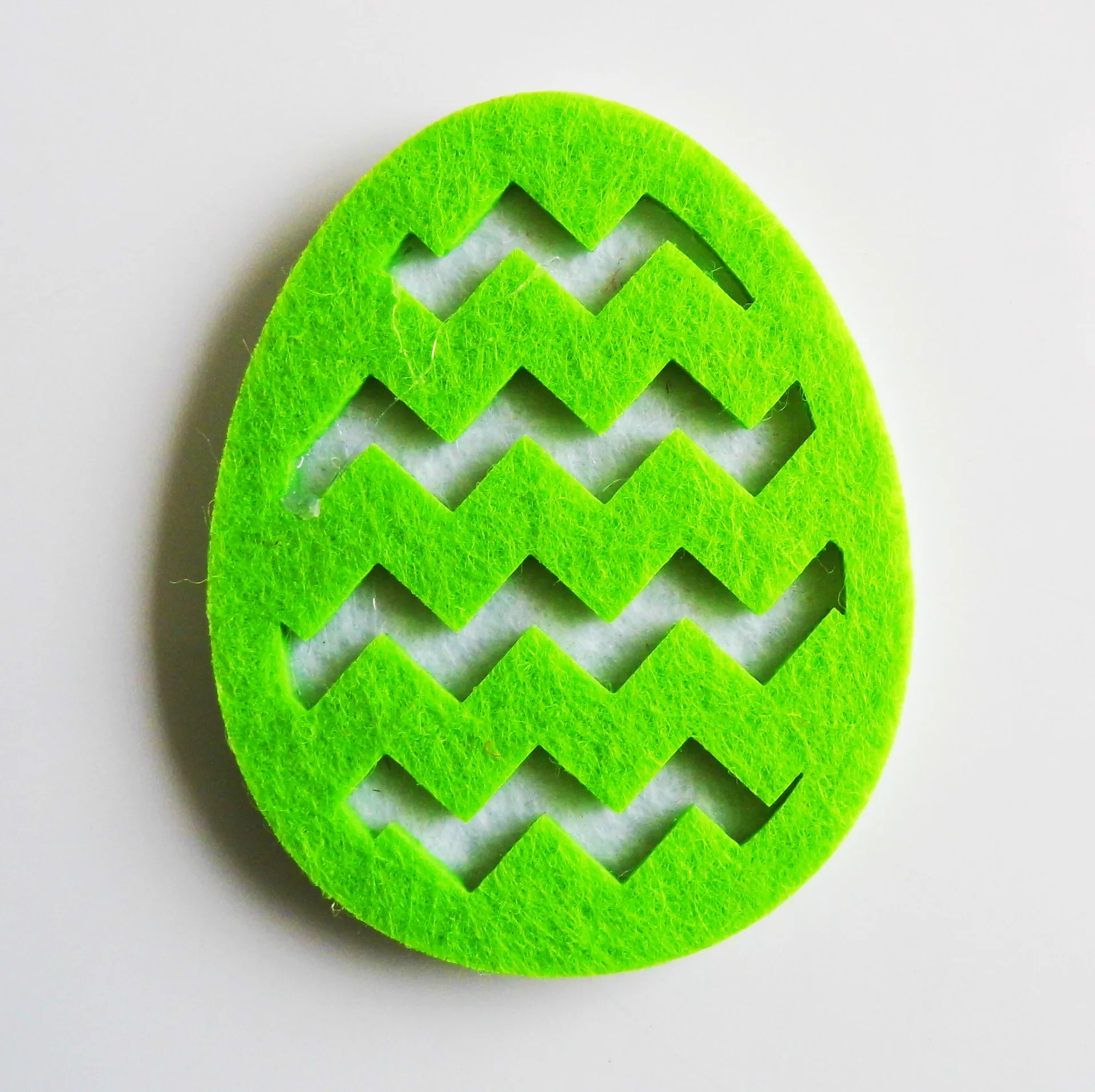
Felt fabric, a non-woven textile produced by matting, condensing and pressing fibers together, occupies a critical niche within numerous industrial sectors. Its production ranges from traditional wool felts to increasingly common synthetic and blended materials, each offering distinct performance characteristics. Positioned within the broader textile manufacturing supply chain, felt serves as both a standalone product and a crucial component in diverse applications including filtration, insulation, cushioning, and soundproofing. Core performance metrics revolve around density, thickness, tensile strength, tear resistance, and dimensional stability, factors directly influencing its suitability for demanding industrial environments. A key challenge for manufacturers lies in balancing cost-effectiveness with the stringent performance requirements dictated by specific end-use applications and relevant industry standards.
Material Science & Manufacturing
Felt production fundamentally relies on the inherent properties of its constituent fibers. Wool felts utilize the scaled structure of wool fibers, which interlock during processing via mechanical action, moisture, and heat. This creates a naturally robust and resilient material. Synthetic felts, commonly utilizing acrylic, polyester, polypropylene, or rayon, leverage different bonding mechanisms. Needle punching is prevalent, where barbed needles repeatedly entangle fibers. Chemical bonding employs binders, often acrylic polymers, applied and cured to fuse the fibers. Thermoplastic felts utilize heat to partially melt and fuse fibers together. Raw material selection is paramount; fiber denier, length, crimp, and surface treatment profoundly impact final felt properties. Manufacturing processes demand precise control of parameters like needle density (needled felt), binder concentration and curing temperature (chemical bonding), and temperature and pressure (thermoplastic felt). Fiber blending allows for tailoring properties – for example, adding polyester to wool improves dimensional stability and reduces cost, while acrylic enhances softness and bulk. Consistent quality control throughout these processes is vital to minimize variations in density, thickness, and mechanical strength.
Performance & Engineering
The performance of felt fabric in its applications is dictated by several engineering considerations. In filtration, pore size distribution and permeability are critical; smaller, consistently sized pores offer higher filtration efficiency. For insulation, thermal conductivity and density are key – lower thermal conductivity and higher density contribute to better insulation. In cushioning applications, compression set (permanent deformation under load) and resilience are crucial. Force analysis determines the load-bearing capacity and deformation characteristics of felt structures. Environmental resistance factors heavily into material selection. Exposure to UV radiation can degrade synthetic fibers, particularly polypropylene. Chemical resistance is vital in applications involving contact with solvents, acids, or bases. Dimensional stability – the ability to maintain shape and size under varying temperature and humidity – is essential for many industrial applications. Compliance requirements vary widely depending on the end-use. For example, automotive applications necessitate adherence to flammability standards (FMVSS 302), while medical applications require biocompatibility certification (ISO 10993).
Technical Specifications
| Parameter | Wool Felt (Typical) | Polyester Felt (Typical) | Acrylic Felt (Typical) | Polypropylene Felt (Typical) |
|---|---|---|---|---|
| Density (g/m²) | 500-1000 | 800-1500 | 300-800 | 600-1200 |
| Thickness (mm) | 2-10 | 1-5 | 1-4 | 0.5-3 |
| Tensile Strength (N/50mm) | 100-300 | 200-400 | 80-200 | 150-350 |
| Tear Strength (N) | 50-150 | 80-200 | 40-100 | 60-180 |
| Water Absorption (%) | 30-40 | 0.5-1.5 | 1-3 | 0.1-0.5 |
| Dimensional Stability (after 24hrs @ 85°C & 85%RH) (%) | ±2-5 | ±0.5-2 | ±1-3 | ±0.2-1 |
Failure Mode & Maintenance
Felt fabric is susceptible to several failure modes depending on the material and application. Wool felts can experience shrinkage due to repeated wetting and drying, as well as moth damage. Synthetic felts are prone to degradation from UV exposure, leading to embrittlement and loss of strength. Chemical attack can dissolve or weaken binders in both synthetic and bonded felts. Mechanical wear, such as abrasion and tearing, is common in high-friction applications. Fatigue cracking can occur under cyclical loading, especially in thinner felts. Delamination, the separation of layers in multi-layered felts, can significantly reduce performance. Oxidation of fibers, particularly at elevated temperatures, can lead to discoloration and loss of flexibility. Maintenance strategies include regular cleaning to remove contaminants, proper storage in a dry, dark environment to prevent UV degradation and microbial growth, and periodic inspection for signs of wear and tear. Replacing felt components proactively, based on usage and inspection data, minimizes the risk of catastrophic failure and ensures optimal performance.
Industry FAQ
Q: What are the key differences between needle-punched and chemically bonded felt, and how do those differences impact application suitability?
A: Needle-punched felt achieves bonding through mechanical entanglement of fibers using barbed needles. This results in a more durable and dimensionally stable felt with good resilience, ideal for applications requiring repeated compression, like cushioning and gasketing. Chemically bonded felt utilizes adhesives to bind the fibers, creating a softer, more uniform material often used in craft applications or as a lining. However, chemically bonded felts can exhibit lower temperature resistance and may be susceptible to binder degradation over time. The choice depends on the specific performance demands of the application.
Q: How does the fiber composition affect the fire resistance of felt fabric?
A: Wool inherently possesses good fire resistance due to its high nitrogen and moisture content, which inhibit combustion. Synthetic fibers like polyester and acrylic are generally more flammable and require flame retardant treatments to meet safety standards. Polypropylene is highly flammable and typically not used in applications demanding fire resistance without substantial modification. Selecting the appropriate fiber composition and implementing flame retardant treatments are crucial for ensuring compliance with fire safety regulations.
Q: What methods are used to test the filtration efficiency of felt filters?
A: Filtration efficiency is typically assessed using standardized particle counting methods, such as ISO 16889. This involves introducing particles of known size and concentration upstream of the felt filter and measuring the particle concentration downstream. Efficiency is calculated as the percentage of particles removed. Other tests include bubble point testing to determine pore size distribution and pressure drop measurements to assess permeability. The specific testing protocol will depend on the intended application and relevant industry standards.
Q: What is the impact of humidity on the performance of felt fabrics, particularly wool felt?
A: Wool felt is highly hygroscopic, meaning it readily absorbs moisture from the air. This absorption can cause the felt to swell and shrink, altering its dimensions and mechanical properties. High humidity can also reduce its strength and stiffness. While this characteristic is exploited in some applications (e.g., moisture control), it can be detrimental in others where dimensional stability is critical. Synthetic felts are generally less affected by humidity.
Q: What are the typical lifespan expectations for felt components in industrial machinery applications?
A: Lifespan varies dramatically based on the application, operating conditions, and material selection. High-stress applications involving abrasive materials or extreme temperatures will necessitate more frequent replacement. Regular inspection for wear, compression set, and degradation is crucial. A conservative estimate for many industrial applications ranges from 6 to 18 months, but proactive monitoring and preventative maintenance can extend this significantly. Tracking failure rates and implementing a scheduled replacement program are recommended.
Conclusion
Felt fabric remains a versatile and indispensable material across a wide spectrum of industrial applications. Its performance is intricately linked to the material science underpinning its production – from the inherent properties of wool, polyester, acrylic, and polypropylene, to the nuances of manufacturing processes like needle punching, chemical bonding, and thermoplastic forming. Understanding the interplay between fiber selection, processing parameters, and end-use requirements is paramount for optimizing performance and mitigating potential failure modes.
Looking ahead, advancements in fiber technology and manufacturing techniques will continue to expand the capabilities of felt fabrics. The development of sustainable and biodegradable felt materials, alongside improved flame retardant treatments and enhanced durability, will address growing industry demands for environmentally responsible and high-performance solutions. Continued research into the long-term performance of felt in challenging environments will be essential for ensuring its continued relevance and reliability in critical industrial applications.


 English
  Afrikaans
  Albanian
  Amharic
  Arabic
  Armenian
  Azerbaijani
  Basque
  Belarusian
  Bengali
  Bosnian
  Bulgarian
  Catalan
  Cebuano
  Corsican
  Croatian
  Czech
Czech  Danish
  Dutch
Dutch  Esperanto
  Estonian
  Finnish
  French
  Frisian
  Galician
  Georgian
  German
  Greek
Greek  Gujarati
  Haitian Creole
  Hausa
Hausa  Hebrew
  Hindi
Hindi  Miao
Miao  Hungarian
  Icelandic
  Igbo
Igbo  Indonesian
  Irish
Irish  Italian
  Japanese
  Javanese
  Kazakh
  Khmer
Khmer  Rwandese
  Korean
  Kurdish
  Kyrgyz
  Lao
Lao  Latin
Latin  Latvian
  Lithuanian
  Luxembourgish
  Macedonian
  Malgashi
  Malay
Malay  Malayalam
  Maltese
  Maori
Maori  Marathi
  Mongolian
  Myanmar
  Nepali
  Norwegian
  Norwegian
  Occitan
  Pashto
  Persian
  Polish
  Portuguese
  Romanian
  Russian
  Samoan
  Scottish Gaelic
  Serbian
  Sesotho
  Shona
Shona  Sindhi
  Sinhala
  Slovak
  Slovenian
  Somali
  Spanish
  Sundanese
  Swahili
  Swedish
  Tajik
Tajik  Tamil
Tamil  Tatar
Tatar  Telugu
  Thai
Thai  Turkish
  Turkmen
  Ukrainian
  Urdu
Urdu  Uighur
  Uzbek
Uzbek  Vietnamese
  Welsh
Welsh  Bantu
Bantu  Yiddish
  Yoruba
  Zulu
Zulu