
Apr . 01, 2024 17:55 Back to list
felt pink Performance Analysis
Introduction
Felt pink, a non-woven textile material, occupies a crucial position within the broader textile industry, serving diverse applications ranging from crafts and insulation to industrial filtration and protective padding. Unlike woven or knitted fabrics, felt is produced by matting, condensing and interlocking fibers through mechanical processes, typically involving moisture, heat, chemicals, or a combination thereof. This process results in a material characterized by a dense structure, isotropic properties, and the absence of a discernible weave. Pink coloration is typically achieved through dye application during or after the felting process, influencing aesthetic properties and potentially impacting UV resistance. Core performance attributes include its compressibility, sound absorption coefficient, thermal insulation value, and inherent resistance to tearing in multiple directions. The increasing demand for sustainable materials drives the utilization of recycled fibers in felt production, presenting both opportunities and challenges in maintaining consistent product quality and performance characteristics.
Material Science & Manufacturing
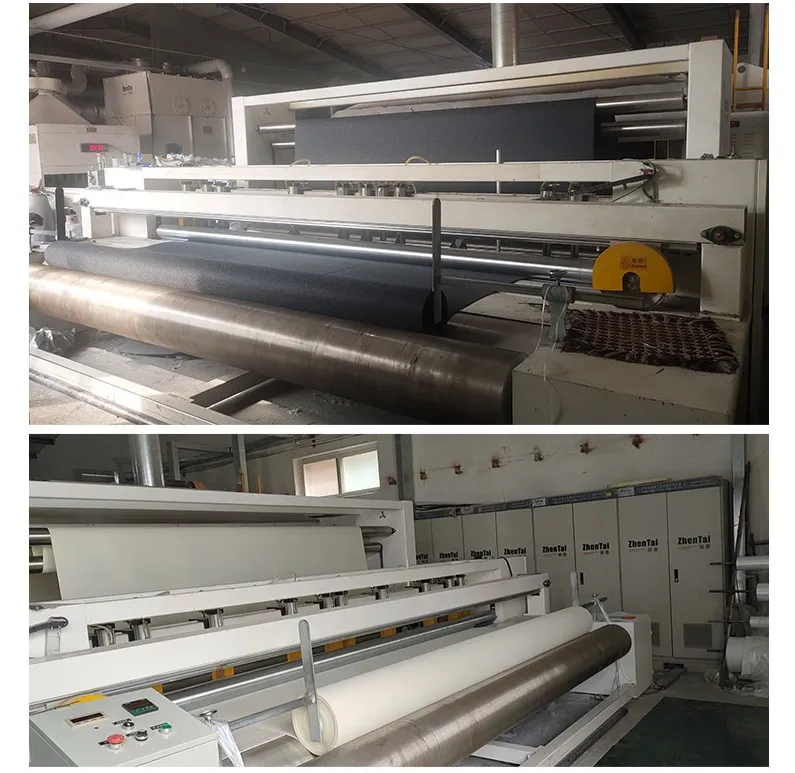
The primary raw materials for felt pink are typically wool, acrylic, polyester, polypropylene, and rayon fibers, or blends thereof. Wool, historically dominant, offers excellent natural crimp and interlocking properties, yielding a durable and resilient felt. Synthetic fibers like polyester and polypropylene offer cost-effectiveness, improved chemical resistance, and enhanced colorfastness. Acrylic provides a wool-like hand and drape. The choice of fiber dictates the final felt’s properties; for example, polypropylene offers superior moisture resistance, while wool provides superior thermal insulation. Manufacturing processes vary. Wet felting involves subjecting fibers to moisture, mechanical agitation, and heat, causing them to interlock and condense. Needle felting utilizes barbed needles to mechanically tangle the fibers, creating a dense structure without the use of moisture or heat. Thermoforming, employed with thermoplastic fibers like polypropylene, uses heat to bond fibers together. Key parameter control during manufacturing includes fiber density (grams per square meter – GSM), fiber fineness (denier), needle density (needles per minute), and processing temperature. Variations in these parameters significantly influence the felt's weight, thickness, strength, and overall performance. Dyeing processes, often utilizing acid dyes for wool or disperse dyes for synthetics, must be carefully controlled to ensure even color distribution and adherence to environmental regulations regarding wastewater discharge.
Performance & Engineering
The performance of felt pink is fundamentally governed by the interplay between fiber properties and the felting process. Tensile strength, measured in Newtons (N) or pounds-force (lbf), is critical in applications requiring load-bearing capacity. Tear strength, expressed in Newtons (N) or grams-force (gf), determines resistance to propagation of tears. Compressibility, evaluated by measuring compression set and resilience, is essential for cushioning and sealing applications. Thermal insulation is quantified by its thermal resistance (R-value) or thermal conductivity (k-value), and is influenced by fiber density and air entrapment within the felt structure. Sound absorption coefficient (SAC), measured across various frequencies, determines its effectiveness in noise reduction. In industrial applications, chemical resistance to solvents, acids, and alkalis is paramount. Environmental resistance must address UV degradation, particularly for outdoor applications, and potential effects of humidity and temperature cycling. Compliance requirements often dictate adherence to flammability standards (e.g., FAR 25.853 for aerospace applications), VOC emission limits (e.g., California Section 01350), and restricted substance lists (e.g., REACH, RoHS). Force analysis in applications involving impact or compression requires understanding the material's stress-strain curve and Poisson’s ratio.
Technical Specifications
| Parameter | Units | Typical Value (Wool Felt Pink) | Typical Value (Polyester Felt Pink) |
|---|---|---|---|
| Density | g/m² | 500-800 | 300-600 |
| Thickness | mm | 3-10 | 2-8 |
| Tensile Strength | N/cm | 20-50 | 15-40 |
| Tear Strength | N | 10-30 | 8-25 |
| Compression Set (24hr @ 50% compression) | % | 5-15 | 10-25 |
| Thermal Resistance (R-value, 12.7mm) | m²⋅K/W | 0.7-1.2 | 0.4-0.8 |
Failure Mode & Maintenance
Felt pink, like all materials, is susceptible to various failure modes. Degradation of wool fibers due to moth attack is a significant concern, necessitating preventative treatments. UV exposure causes fading and embrittlement, particularly in dyed felts. Hydrolytic degradation of polyester fibers occurs in humid environments, leading to a reduction in strength. Mechanical fatigue, caused by repeated compression or flexing, results in fiber breakage and eventual delamination. Abrasion causes wear and tear, reducing thickness and compromising performance. Contamination with oils, grease, or particulate matter can reduce absorbency and affect structural integrity. Maintenance strategies depend on the application. For cleaning, gentle vacuuming or dry brushing is preferred. Wet cleaning with mild detergents is possible for some felts, but should be followed by thorough drying to prevent shrinkage or mold growth. Regular inspection for signs of wear, damage, or contamination is crucial. Storage should be in a dry, well-ventilated area, protected from direct sunlight and pests. Repair of minor tears can be achieved with adhesive bonding or needle felting, but extensive damage typically requires replacement.
Industry FAQ
Q: What is the primary difference in performance between wool felt pink and polyester felt pink, particularly regarding long-term durability?
A: Wool felt pink generally exhibits superior long-term durability due to the inherent resilience and crimp of wool fibers, which maintain structure even under stress. Polyester felt pink, while cost-effective and resistant to some chemicals, is prone to hydrolytic degradation and can lose strength over time, especially in humid conditions or with prolonged UV exposure. The natural lanolin in wool also provides some inherent protection against abrasion.
Q: How does the manufacturing process (wet felting vs. needle felting) influence the final product properties of felt pink?
A: Wet felting produces a denser, more uniform felt with superior dimensional stability, but it is more energy-intensive. Needle felting is faster and more versatile, allowing for variations in thickness and density, but typically results in a slightly more porous structure and lower tensile strength. The choice depends on the intended application and desired properties.
Q: What testing standards are relevant for assessing the flammability of felt pink used in furniture applications?
A: Relevant standards include CAL 117 (California Technical Bulletin 117) for flammability of seating materials, and NFPA 701 (National Fire Protection Association 701) for flame propagation of textiles and films. These standards define criteria for ignition resistance, flame spread, and smoke development.
Q: What considerations are crucial when selecting felt pink for use as a filter media in industrial applications?
A: Particle retention efficiency, permeability (airflow resistance), and chemical compatibility with the filtered media are paramount. Fiber diameter, density, and the presence of any chemical treatments influence these properties. It's also critical to evaluate the felt’s resistance to the specific chemicals or temperatures it will encounter during the filtration process.
Q: Is felt pink considered an environmentally sustainable material, and what are the implications of using recycled fibers in its production?
A: Felt pink can be sustainable, especially when utilizing wool or recycled synthetic fibers. However, the sustainability depends on the source of the raw materials and the manufacturing processes employed. Using recycled fibers reduces landfill waste and reliance on virgin materials, but can sometimes compromise strength and consistency. Ensuring proper sourcing and employing eco-friendly dyeing practices are crucial for maximizing sustainability.
Conclusion
Felt pink remains a versatile and valuable material across a broad spectrum of industries due to its unique combination of physical properties and cost-effectiveness. A thorough understanding of the material science, manufacturing processes, and potential failure modes is crucial for ensuring optimal performance and longevity in any given application. The ongoing trend towards sustainable materials will likely drive increased utilization of recycled fibers and the development of more environmentally friendly manufacturing techniques.
Future advancements in felt pink technology are expected to focus on enhancing specific performance characteristics, such as improved flame resistance, increased tear strength, and enhanced chemical compatibility. Further research into novel fiber blends and innovative felting processes will be vital to meet the evolving demands of diverse industries. Continued adherence to stringent quality control measures and international standards will remain essential to guarantee consistent product quality and performance.


 English
  Afrikaans
  Albanian
  Amharic
  Arabic
  Armenian
  Azerbaijani
  Basque
  Belarusian
  Bengali
  Bosnian
  Bulgarian
  Catalan
  Cebuano
  Corsican
  Croatian
  Czech
Czech  Danish
  Dutch
Dutch  Esperanto
  Estonian
  Finnish
  French
  Frisian
  Galician
  Georgian
  German
  Greek
Greek  Gujarati
  Haitian Creole
  Hausa
Hausa  Hebrew
  Hindi
Hindi  Miao
Miao  Hungarian
  Icelandic
  Igbo
Igbo  Indonesian
  Irish
Irish  Italian
  Japanese
  Javanese
  Kazakh
  Khmer
Khmer  Rwandese
  Korean
  Kurdish
  Kyrgyz
  Lao
Lao  Latin
Latin  Latvian
  Lithuanian
  Luxembourgish
  Macedonian
  Malgashi
  Malay
Malay  Malayalam
  Maltese
  Maori
Maori  Marathi
  Mongolian
  Myanmar
  Nepali
  Norwegian
  Norwegian
  Occitan
  Pashto
  Persian
  Polish
  Portuguese
  Romanian
  Russian
  Samoan
  Scottish Gaelic
  Serbian
  Sesotho
  Shona
Shona  Sindhi
  Sinhala
  Slovak
  Slovenian
  Somali
  Spanish
  Sundanese
  Swahili
  Swedish
  Tajik
Tajik  Tamil
Tamil  Tatar
Tatar  Telugu
  Thai
Thai  Turkish
  Turkmen
  Ukrainian
  Urdu
Urdu  Uighur
  Uzbek
Uzbek  Vietnamese
  Welsh
Welsh  Bantu
Bantu  Yiddish
  Yoruba
  Zulu
Zulu