Apr . 01, 2024 17:55 Back to list
Felt Wheel Polishing Performance Analysis
Introduction
Felt wheel polishing is a surface finishing process utilized across numerous industries, including metalworking, plastics processing, and optics manufacturing, to achieve a desired aesthetic and functional surface quality. This process employs a rotating felt wheel, impregnated with polishing compounds, to remove material from a workpiece, resulting in smoothing, brightening, or refining of the surface. Its technical position within the manufacturing chain lies post-machining or forming operations, serving as a critical step prior to coating, plating, or final inspection. Core performance characteristics include material removal rate, surface finish (Ra value), polishing compound distribution, and wheel longevity, all of which directly impact product quality and production efficiency. The industry frequently faces challenges related to maintaining consistent polishing results, minimizing compound consumption, and ensuring worker safety from dust and debris.
Material Science & Manufacturing
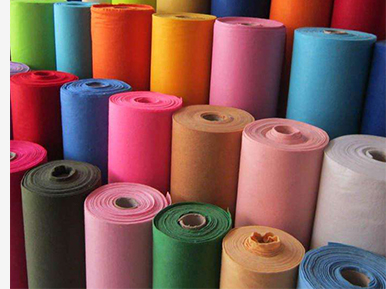
The core material of felt wheels is typically composed of wool fibers, though synthetic alternatives like rayon or acrylic are also employed, often in blends. Wool, specifically merino or crossbred varieties, exhibits desirable characteristics such as inherent softness, flexibility, and high resilience, enabling it to conform to complex geometries. The manufacturing process begins with carding the wool fibers to align them, followed by needling or entanglement to create a cohesive structure. Density is a critical parameter, ranging from soft (lower density for delicate polishing) to hard (higher density for aggressive material removal). Polishing compounds, crucial for the process, are composed of abrasive particles (aluminum oxide, silicon carbide, cerium oxide) suspended in a carrier liquid (water-based, solvent-based, or wax-based). The choice of abrasive dictates the material removal rate and surface finish achievable. The impregnation process involves applying the compound to the felt wheel, ensuring even distribution and retention. Controlling the fiber length, crimp, and blend composition during manufacturing dictates the wheel’s durability, heat resistance, and ability to hold polishing compounds. Felt wheel manufacturing necessitates strict quality control regarding fiber cleanliness to avoid introducing contaminants to the polished surface. The specific gravity of the felt material and its porosity determine the rate of compound absorption and release during operation.
Performance & Engineering
The performance of a felt wheel polishing operation is heavily influenced by several engineering principles. Force analysis is critical; the applied pressure between the wheel and the workpiece directly affects material removal rate and surface finish. Insufficient pressure leads to inefficient polishing, while excessive pressure can cause overheating, smearing, or damage. Friction plays a significant role, converting rotational energy into thermal energy. Heat dissipation is therefore a key consideration, often addressed through coolant application or wheel material selection. Environmental resistance factors prominently, as exposure to humidity, temperature fluctuations, and chemical contaminants can degrade the felt fibers and reduce the wheel's effectiveness. Compliance requirements are dictated by industry-specific standards related to surface finish, dimensional tolerances, and material cleanliness. For example, aerospace applications demand stringent control of surface defects, while medical device manufacturing requires biocompatible polishing compounds. The geometry of the felt wheel (diameter, width, shape) is engineered to match the workpiece geometry and desired polishing action. The rotational speed of the wheel must be optimized; excessively high speeds can generate excessive heat and wear, while low speeds result in slow material removal. The selection of the appropriate polishing compound is also a crucial engineering decision, based on the workpiece material, desired surface finish, and polishing time.
Technical Specifications
| Wheel Diameter (mm) | Wheel Width (mm) | Fiber Density (g/cm³) | Maximum Operating Speed (RPM) |
|---|---|---|---|
| 50 | 25 | 0.25 | 3000 |
| 100 | 50 | 0.40 | 2500 |
| 150 | 75 | 0.55 | 2000 |
| 200 | 100 | 0.70 | 1800 |
| 250 | 125 | 0.85 | 1500 |
| 300 | 150 | 1.0 | 1200 |
Failure Mode & Maintenance
Felt wheel polishing operations are susceptible to several failure modes. Fiber degradation is a common issue, caused by wear, heat, and chemical attack, leading to reduced polishing effectiveness and increased dust generation. Glazing occurs when the abrasive particles in the polishing compound become embedded within the felt fibers, creating a hardened surface that inhibits material removal. Wheel imbalance can result from uneven compound distribution or fiber compaction, causing vibrations and potential damage to the polishing equipment. Contamination from workpiece debris or environmental particles can introduce scratches or defects onto the polished surface. Fatigue cracking within the felt structure can occur under prolonged stress, leading to wheel disintegration. Maintenance is crucial to prevent these failures. Regular cleaning with compressed air removes debris and prevents glazing. Wheel dressing, using a specialized tool, restores the fiber surface and removes embedded abrasives. Balancing the wheel ensures smooth operation and minimizes vibrations. Periodic inspection for fiber degradation and cracking allows for timely replacement. Appropriate storage in a clean, dry environment protects the wheel from contamination and premature wear. Using compatible polishing compounds minimizes chemical attack and extends wheel life. Proper ventilation and dust collection systems are essential to protect worker health and maintain a clean working environment.
Industry FAQ
Q: What factors influence the choice between wool and synthetic felt for polishing applications?
A: Wool felt is preferred for its inherent softness, conformability, and ability to create a high-quality surface finish, particularly on delicate materials. Synthetic felts, like rayon, offer greater durability, resistance to chemical attack, and more consistent performance, making them suitable for aggressive polishing applications and high-volume production. The workpiece material, desired surface finish, and production volume are key considerations.
Q: How does the type of polishing compound impact the material removal rate and surface finish?
A: The abrasive particle size and hardness within the polishing compound directly dictate these factors. Larger, harder particles remove material more quickly but yield a coarser surface finish. Smaller, softer particles provide a slower material removal rate but achieve a finer, more polished surface. The carrier liquid also influences performance; water-based compounds offer good heat dissipation, while solvent-based compounds provide better penetration.
Q: What are the common causes of glazing in felt wheels, and how can it be prevented?
A: Glazing occurs when abrasive particles become embedded in the felt, creating a hardened surface. This is often caused by insufficient cleaning, excessive compound application, or using incompatible compounds. Prevention involves regular wheel cleaning, proper compound selection, and avoiding over-saturation.
Q: What safety precautions should be taken when operating felt wheel polishing equipment?
A: Eye protection (safety glasses or face shield) is crucial to protect against flying debris. Respiratory protection (dust mask or respirator) is necessary to prevent inhalation of felt fibers and polishing compound particles. Hearing protection (earplugs or earmuffs) is recommended due to the noise generated by the rotating wheel. Proper ventilation and dust collection systems are essential. Ensure all safety guards are in place and functioning correctly.
Q: How often should a felt wheel be replaced, and what are the signs it needs replacing?
A: The replacement frequency depends on usage intensity and material being polished. Signs indicating replacement include significant fiber degradation, loss of density, uneven wear, cracking, or inability to maintain the desired surface finish. Regular inspection is critical to identify these issues and prevent performance decline.
Conclusion
Felt wheel polishing remains a vital surface finishing technique, offering a versatile solution for achieving a wide range of surface qualities across diverse industries. Understanding the interplay between material science, manufacturing processes, and engineering principles is paramount for optimizing performance and ensuring consistent results. The selection of appropriate felt materials, polishing compounds, and operating parameters – coupled with diligent maintenance practices – directly impacts the longevity of the wheel, the quality of the finished product, and the safety of the operator.
Future advancements in felt wheel technology may involve the development of novel fiber blends with enhanced durability and chemical resistance, as well as the integration of smart sensors for real-time monitoring of wheel condition and polishing performance. Continued research into environmentally friendly polishing compounds and sustainable manufacturing practices will also be critical to address evolving industry demands and regulatory requirements. Ultimately, a holistic approach encompassing material innovation, process optimization, and operator training will drive further improvements in this essential surface finishing process.


 English
  Afrikaans
  Albanian
  Amharic
  Arabic
  Armenian
  Azerbaijani
  Basque
  Belarusian
  Bengali
  Bosnian
  Bulgarian
  Catalan
  Cebuano
  Corsican
  Croatian
  Czech
Czech  Danish
  Dutch
Dutch  Esperanto
  Estonian
  Finnish
  French
  Frisian
  Galician
  Georgian
  German
  Greek
Greek  Gujarati
  Haitian Creole
  Hausa
Hausa  Hebrew
  Hindi
Hindi  Miao
Miao  Hungarian
  Icelandic
  Igbo
Igbo  Indonesian
  Irish
Irish  Italian
  Japanese
  Javanese
  Kazakh
  Khmer
Khmer  Rwandese
  Korean
  Kurdish
  Kyrgyz
  Lao
Lao  Latin
Latin  Latvian
  Lithuanian
  Luxembourgish
  Macedonian
  Malgashi
  Malay
Malay  Malayalam
  Maltese
  Maori
Maori  Marathi
  Mongolian
  Myanmar
  Nepali
  Norwegian
  Norwegian
  Occitan
  Pashto
  Persian
  Polish
  Portuguese
  Romanian
  Russian
  Samoan
  Scottish Gaelic
  Serbian
  Sesotho
  Shona
Shona  Sindhi
  Sinhala
  Slovak
  Slovenian
  Somali
  Spanish
  Sundanese
  Swahili
  Swedish
  Tajik
Tajik  Tamil
Tamil  Tatar
Tatar  Telugu
  Thai
Thai  Turkish
  Turkmen
  Ukrainian
  Urdu
Urdu  Uighur
  Uzbek
Uzbek  Vietnamese
  Welsh
Welsh  Bantu
Bantu  Yiddish
  Yoruba
  Zulu
Zulu