
Apr . 01, 2024 17:55 Back to list
flesh tone felt Performance Analysis
Introduction
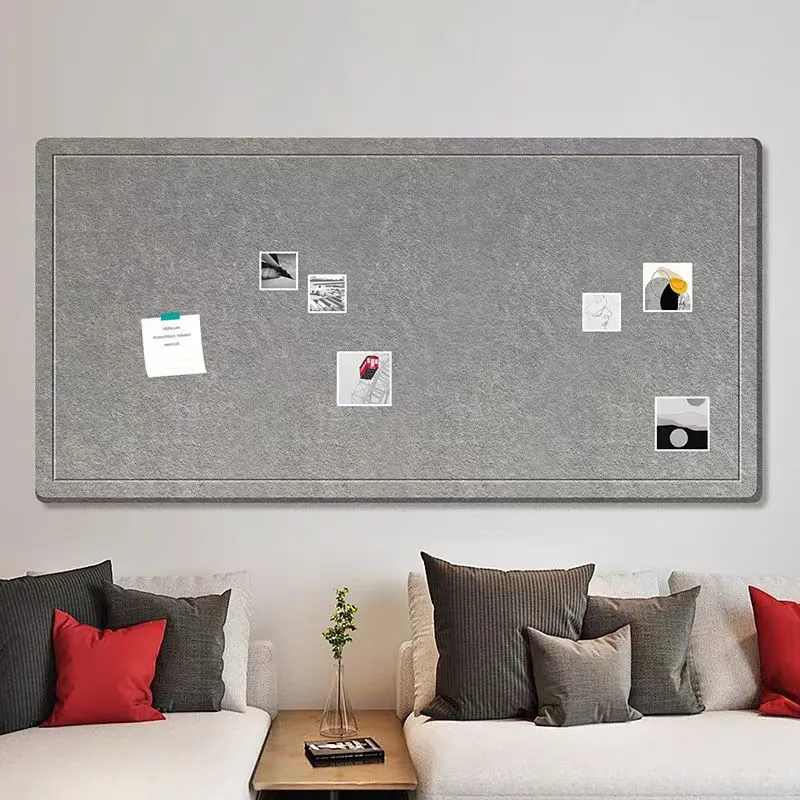
Flesh tone felt is a nonwoven textile material engineered to mimic the appearance of human skin tones. Composed primarily of synthetic fibers – typically polypropylene, polyester, or rayon – it's characterized by its soft texture, conformability, and inherent lack of grain. Its position within the industry chain is as a specialized component material utilized in a diverse range of applications, from medical prosthetics and simulation models to theatrical makeup and artistic installations. Core performance characteristics revolve around realistic aesthetics, tactile simulation, and ease of manipulation. Unlike woven fabrics, felt’s isotropic properties (similar strength in all directions) contribute to its versatility. Key industry pain points include achieving consistent color matching across batches, maintaining dimensional stability during sterilization (for medical applications), and ensuring long-term resistance to UV degradation, particularly for outdoor use. The material presents a crucial balancing act between cost-effectiveness and the rigorous demands of performance, particularly within highly regulated industries.
Material Science & Manufacturing
The core raw materials for flesh tone felt are synthetic polymers. Polypropylene (PP) offers excellent chemical resistance and low cost, making it a common choice for general-purpose applications. Polyester provides enhanced durability and better resistance to stretching. Rayon, a regenerated cellulose fiber, imparts a softer hand feel and improved drape. Colorants used are typically concentrated pigment dispersions engineered for compatibility with the specific polymer matrix. The manufacturing process generally involves carding, needling, and finishing. Carding aligns the fibers into a web. Needling interlocks the fibers using barbed needles, creating the felt structure. Parameter control is critical. Fiber denier (fineness) dictates the softness and smoothness. Web weight (grams per square meter) impacts density and thickness. Needle density and stroke rate during needling influence the felt’s strength and tear resistance. Post-processing includes calendaring to achieve uniform thickness and surface smoothness, and sometimes the application of coatings for specific properties like enhanced UV protection or antimicrobial characteristics. Chemical compatibility is vital; the pigments and any applied coatings must not react with the base polymer, causing discoloration or degradation. Fiber orientation, while inherently random in nonwovens, can be influenced by carding techniques, subtly impacting tensile strength in specific directions.
Performance & Engineering
Performance of flesh tone felt is assessed based on several key engineering criteria. Tensile strength, measured using ASTM D4157, determines its resistance to tearing and deformation under stress. Elongation at break quantifies its ability to stretch before failure. Dimensional stability, particularly after exposure to moisture and temperature fluctuations, is crucial for maintaining the integrity of formed shapes. Colorfastness to light (ASTM D1654) and washing (AATCC 163) are paramount for aesthetic durability. For medical applications, biocompatibility testing (ISO 10993 series) is mandatory, verifying the absence of toxic leachates or allergenic responses. Force analysis during application – for instance, stretching felt over a prosthetic limb – requires consideration of its elastic modulus and Poisson’s ratio. Environmental resistance, especially UV exposure, impacts long-term color and mechanical integrity. Coatings can be applied to enhance UV resistance, but their compatibility with the base felt material must be rigorously tested. Compliance with medical device regulations (FDA, CE marking) dictates stringent quality control processes throughout the manufacturing chain. The inherent porosity of felt influences its fluid permeability, which can be a factor in applications involving simulated wounds or anatomical models.
Technical Specifications
| Parameter | Unit | Typical Value (Range) | Test Method |
|---|---|---|---|
| Basis Weight | g/m² | 100-500 | ISO 8820-4 |
| Thickness | mm | 1-5 | ASTM D1777 |
| Tensile Strength (MD) | N/50mm | 5-20 | ASTM D4157 |
| Tensile Strength (CD) | N/50mm | 3-15 | ASTM D4157 |
| Elongation at Break (MD) | % | 10-50 | ASTM D4157 |
| Elongation at Break (CD) | % | 8-40 | ASTM D4157 |
| Colorfastness to Light | Grey Scale Rating | 4-5 (5 is best) | ISO 105-B02 |
Failure Mode & Maintenance
Common failure modes in flesh tone felt include fiber degradation, delamination, and color fading. Fiber degradation arises from prolonged UV exposure, leading to embrittlement and reduced tensile strength. Delamination occurs when the needling process is insufficient, causing layers within the felt to separate. This is exacerbated by repeated flexing or stress. Color fading results from pigment degradation due to UV radiation or exposure to harsh chemicals. Oxidation of the polymer backbone can also contribute to discoloration. Fatigue cracking can occur in applications involving cyclical loading, particularly around areas of stress concentration. Maintenance primarily focuses on preventative measures. Regular cleaning with mild detergents and cool water can remove surface contaminants. Avoid harsh chemicals or abrasive cleaners, as these can damage the fibers and pigments. Storage in a cool, dry, and dark environment minimizes UV exposure and prevents mold growth. For medical prosthetics, sterilization procedures (autoclaving, ethylene oxide gas sterilization) must be carefully validated to ensure they do not compromise the felt’s structural integrity. Regular inspection for signs of wear and tear – such as fraying, tearing, or discoloration – is crucial for identifying potential failure points. Replacement is recommended when significant degradation is observed.
Industry FAQ
Q: What is the impact of different fiber types (polypropylene, polyester, rayon) on the final performance characteristics of flesh tone felt?
A: The choice of fiber significantly impacts performance. Polypropylene is cost-effective and chemically resistant, suitable for general applications. Polyester offers higher tensile strength and durability, ideal for demanding applications like prosthetics. Rayon provides a softer hand feel and better drape, preferred for aesthetic applications like theatrical makeup. Each fiber’s inherent properties dictate the felt’s overall performance regarding strength, flexibility, and resistance to degradation.
Q: How does the needling process affect the felt's strength and tear resistance?
A: The needling process is crucial for interlinking fibers and creating a cohesive structure. Higher needle density and stroke rate generally result in greater strength and tear resistance, but excessive needling can damage the fibers. Optimizing needle type, density, and stroke rate is essential to achieve the desired balance between strength and flexibility.
Q: What are the critical considerations for color matching and consistency across different production batches?
A: Color matching requires precise control over pigment dispersion and concentration. Factors like dye lot variations, polymer batch differences, and lighting conditions can impact perceived color. Spectrophotometric analysis and rigorous quality control procedures are essential to ensure consistency. Maintaining a consistent raw material supply chain is also critical.
Q: How is dimensional stability tested, and what factors influence it?
A: Dimensional stability is typically tested by measuring changes in length and width after exposure to controlled temperature and humidity conditions (e.g., ISO 2966). Factors influencing it include fiber type, felt density, and the presence of stabilizing agents. Moisture absorption and thermal expansion are key contributors to dimensional changes.
Q: What biocompatibility testing is required for flesh tone felt used in medical applications, and what standards apply?
A: For medical applications, biocompatibility testing according to ISO 10993 series is essential. This includes tests for cytotoxicity, sensitization, irritation, systemic toxicity, and implantation studies. The specific tests required depend on the intended use and duration of contact with the body. Compliance with FDA or CE marking regulations is also mandatory.
Conclusion
Flesh tone felt represents a versatile material solution bridging aesthetic requirements with functional performance. Its manufacturing process, heavily reliant on precise parameter control during fiber preparation, needling, and finishing, directly impacts its crucial properties – tensile strength, colorfastness, and dimensional stability. Understanding the inherent trade-offs between different fiber types, like polypropylene, polyester, and rayon, is paramount for application-specific optimization.
Looking ahead, innovation will likely focus on developing sustainable fiber sources, enhancing UV resistance through novel coating technologies, and improving biocompatibility for increasingly sophisticated medical applications. Continued research into advanced needling techniques and polymer blends promises to unlock even greater control over the material’s properties, solidifying its role as a critical component in diverse industries, from healthcare to entertainment.


 English
  Afrikaans
  Albanian
  Amharic
  Arabic
  Armenian
  Azerbaijani
  Basque
  Belarusian
  Bengali
  Bosnian
  Bulgarian
  Catalan
  Cebuano
  Corsican
  Croatian
  Czech
Czech  Danish
  Dutch
Dutch  Esperanto
  Estonian
  Finnish
  French
  Frisian
  Galician
  Georgian
  German
  Greek
Greek  Gujarati
  Haitian Creole
  Hausa
Hausa  Hebrew
  Hindi
Hindi  Miao
Miao  Hungarian
  Icelandic
  Igbo
Igbo  Indonesian
  Irish
Irish  Italian
  Japanese
  Javanese
  Kazakh
  Khmer
Khmer  Rwandese
  Korean
  Kurdish
  Kyrgyz
  Lao
Lao  Latin
Latin  Latvian
  Lithuanian
  Luxembourgish
  Macedonian
  Malgashi
  Malay
Malay  Malayalam
  Maltese
  Maori
Maori  Marathi
  Mongolian
  Myanmar
  Nepali
  Norwegian
  Norwegian
  Occitan
  Pashto
  Persian
  Polish
  Portuguese
  Romanian
  Russian
  Samoan
  Scottish Gaelic
  Serbian
  Sesotho
  Shona
Shona  Sindhi
  Sinhala
  Slovak
  Slovenian
  Somali
  Spanish
  Sundanese
  Swahili
  Swedish
  Tajik
Tajik  Tamil
Tamil  Tatar
Tatar  Telugu
  Thai
Thai  Turkish
  Turkmen
  Ukrainian
  Urdu
Urdu  Uighur
  Uzbek
Uzbek  Vietnamese
  Welsh
Welsh  Bantu
Bantu  Yiddish
  Yoruba
  Zulu
Zulu