Apr . 01, 2024 17:55 Back to list
green and red felt Performance and Engineering
Introduction
Felt, comprised of both green and red varieties in this analysis, represents a non-woven textile produced by matting, condensing and pressing fibers together. Its industrial position spans numerous sectors, from filtration and gasketing to insulation and crafting materials. Unlike woven textiles, felt’s properties are largely isotropic – meaning consistent in all directions – due to the interlocked fiber structure. This guide focuses on the technical characteristics of wool-based felt, as it represents the highest performance category, while acknowledging synthetic and blended variants exist. Core performance metrics include density, thickness, tensile strength, tear resistance, and compressibility, all critically influencing suitability for specific B2B applications. The inherent challenges in felt manufacturing lie in controlling fiber orientation, achieving consistent density, and maintaining dimensional stability under varying environmental conditions. The industry frequently struggles with variations in raw material quality (wool grade) and inconsistent application of pressure and temperature during the felting process, leading to variability in final product performance.
Material Science & Manufacturing
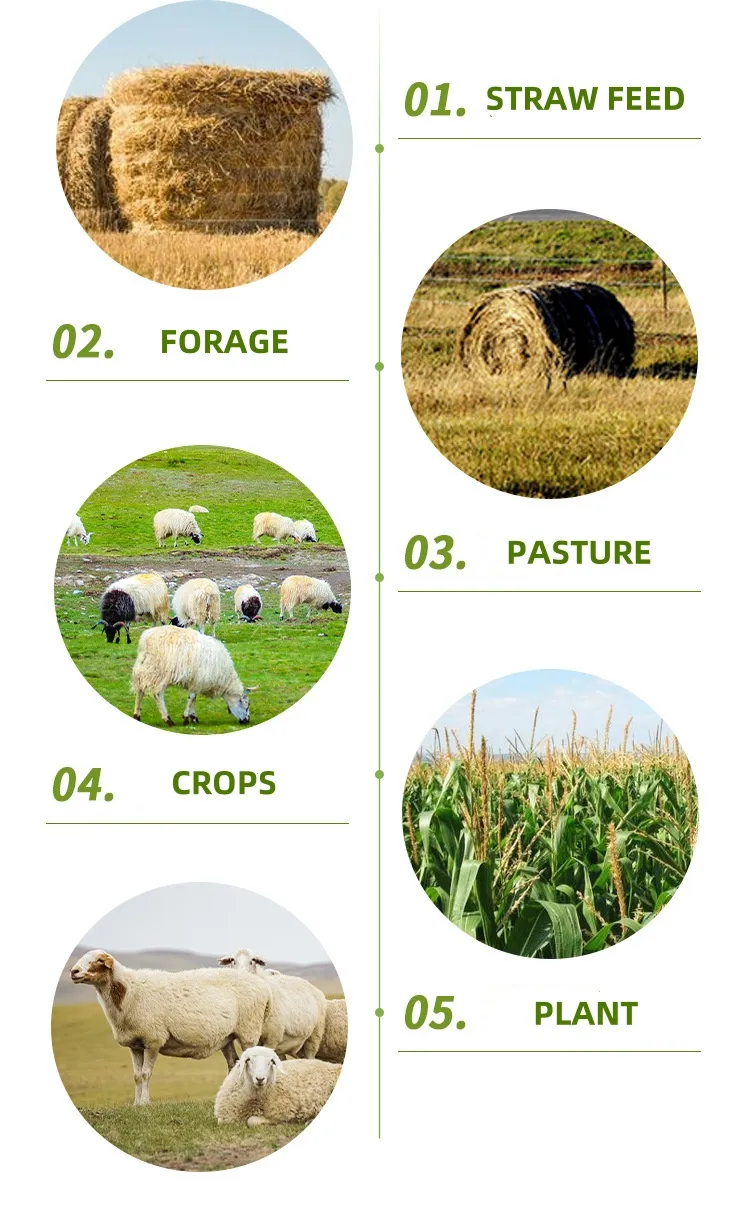
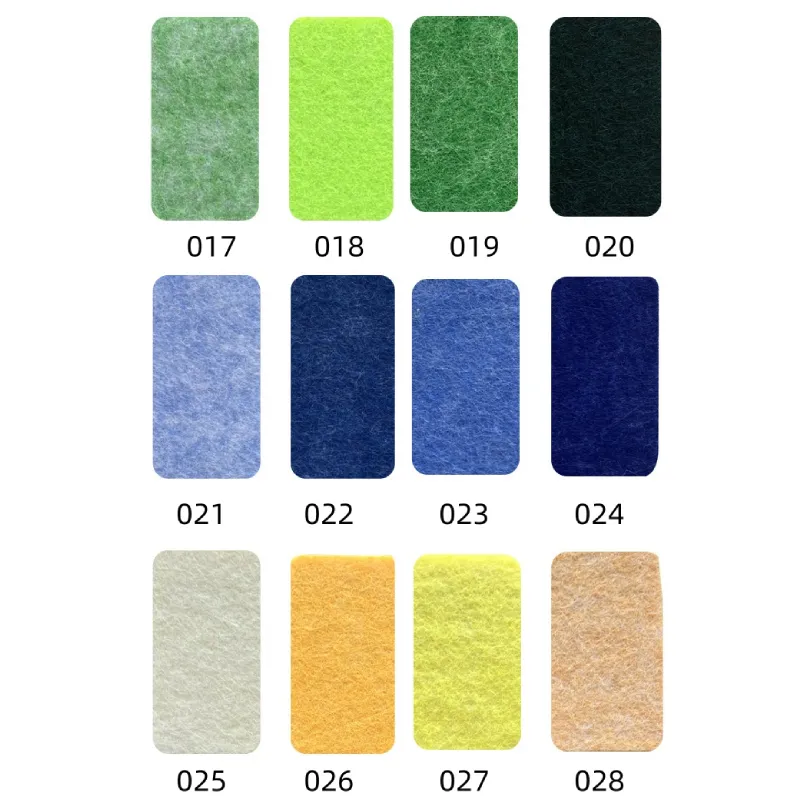
The foundational material for high-performance felt is typically sheep’s wool, specifically chosen for its crimp, scale structure, and fiber length. Wool fibers (primarily keratin protein) possess inherent elasticity and can be interlocked through a combination of mechanical action, moisture, and heat. Green and red coloration are achieved through dyeing processes, often utilizing acid dyes or reactive dyes depending on the desired colorfastness and fiber composition. The manufacturing process begins with wool carding – separating and aligning the fibers. This is followed by layering the carded wool into a web. The critical stage is “felting,” which involves applying moisture (hot water and potentially surfactants), mechanical agitation (repeated pounding or vibration), and sustained pressure and temperature. Fiber scales interlock, and the moisture facilitates fiber migration and entanglement. Controlling parameters like water temperature (typically 80-100°C), pH (slightly acidic), and pressure (ranging from 50-200 kPa) is paramount. Variations in these parameters directly impact the degree of fiber interlocking, resulting in variations in density, thickness, and strength. Synthetic felts utilize acrylic, polyester, or polypropylene fibers, relying on needle punching or chemical bonding rather than the natural interlocking properties of wool. Dimensional stability is a key manufacturing consideration, addressed through post-processing techniques like fulling (controlled shrinking) and heat setting.
Performance & Engineering
The performance of felt is governed by its physical and mechanical properties. Tensile strength, measured in MPa, indicates resistance to breaking under pulling force. Tear strength, in N, measures resistance to propagation of a tear once initiated. Compressibility, expressed as a percentage of original thickness under a given load, is critical in gasket and sealing applications. Density, measured in g/cm³, directly impacts thermal and acoustic insulation properties. Environmental resistance is a significant concern. Wool felt is susceptible to degradation from UV radiation, leading to fiber embrittlement and discoloration. Moisture absorption can cause dimensional changes and reduce mechanical strength. Chemical resistance varies depending on the dyes used; exposure to strong acids or alkalis can cause dye bleeding and fiber damage. Engineering considerations include stress analysis in applications requiring load-bearing capacity. Finite Element Analysis (FEA) can be employed to predict deformation and stress distribution under various loading conditions. For filtration applications, pore size distribution and permeability are critical parameters, governed by fiber diameter and density. Compliance requirements vary by industry; for example, automotive applications demand adherence to stringent flammability standards (e.g., FMVSS 302) and outgassing specifications (e.g., VDA 278).
Technical Specifications
| Property | Wool Felt (Green) | Wool Felt (Red) | Synthetic Felt (Polypropylene) |
|---|---|---|---|
| Density (g/cm³) | 0.25 – 0.40 | 0.28 – 0.42 | 0.15 – 0.25 |
| Thickness (mm) | 1 – 10 | 1 – 10 | 0.5 – 5 |
| Tensile Strength (MPa) | 5 – 15 | 6 – 16 | 2 – 8 |
| Tear Strength (N) | 20 – 60 | 25 – 65 | 10 – 30 |
| Compressibility (%) @ 0.1 MPa | 20 – 40 | 25 – 45 | 40 – 60 |
| Water Absorption (%) | 25 – 35 | 25 – 35 | <5 |
Failure Mode & Maintenance
Common failure modes in felt applications include fiber fatigue leading to tear propagation, particularly under cyclic loading. UV degradation causes fiber embrittlement and discoloration, reducing tensile strength. Compressive creep, the gradual deformation under sustained load, is prevalent in gasket applications. Hydrolytic degradation, induced by prolonged exposure to moisture, weakens fiber bonding. Delamination, the separation of felt layers, occurs due to insufficient fiber interlocking during manufacturing or exposure to harsh chemicals. Oxidation, especially in wool felt, can cause fiber discoloration and strength loss. Maintenance strategies depend on the application. For filtration felt, regular backwashing or replacement is essential to prevent clogging and maintain permeability. For gasket applications, periodic inspection for compression set and cracking is recommended. Cleaning should be performed with mild detergents and avoid harsh solvents or abrasive cleaners. UV protection, such as applying a UV-resistant coating, can extend the service life of felt exposed to sunlight. Proper storage in a dry, well-ventilated environment minimizes the risk of mold growth and fiber degradation. Preventative maintenance schedules should be established based on operating conditions and expected load cycles.
Industry FAQ
Q: What is the impact of wool grade on the performance of felt, specifically regarding abrasion resistance?
A: Higher wool grades (finer fiber diameter) generally exhibit superior abrasion resistance due to increased fiber interlocking and reduced fiber breakage during rubbing. However, very fine wools can be more susceptible to matting and compaction under heavy loads. Abrasion resistance is also significantly influenced by the felting process and the presence of any finishing treatments.
Q: How does the dyeing process affect the chemical resistance of felt?
A: The type of dye used significantly impacts chemical resistance. Acid dyes, while common, can be susceptible to fading or bleeding upon exposure to strong acids or alkalis. Reactive dyes offer better colorfastness but may still be affected by certain oxidizing agents. Always consult dye specifications for chemical compatibility data.
Q: What are the key differences in performance between needle-punched and wet-felted synthetic felts?
A: Needle-punched felts typically exhibit higher tensile strength and tear resistance due to the mechanical interlocking of fibers achieved through needling. Wet-felted synthetic felts offer more uniform density and potentially better conformability, but generally have lower mechanical properties. The choice depends on the specific application requirements.
Q: Can felt be used in high-temperature applications, and what are the limitations?
A: Wool felt has a relatively low melting point (around 170-180°C), limiting its use in high-temperature applications. Synthetic felts, such as those made from Nomex or Kevlar, can withstand significantly higher temperatures. However, even synthetic felts will degrade over time with prolonged exposure to elevated temperatures.
Q: What testing methods are used to assess the dimensional stability of felt under varying humidity conditions?
A: Dimensional stability is typically assessed using standardized tests such as ASTM D395 (water absorption) and ASTM D696 (compressive creep). These tests involve exposing felt samples to controlled humidity levels and measuring changes in dimensions over time. Cyclic humidity testing can also be employed to simulate real-world environmental conditions.
Conclusion
Green and red felt, particularly wool-based varieties, represents a versatile material with performance characteristics dictated by a complex interplay of fiber properties, manufacturing processes, and environmental factors. Understanding the material science underpinning felt production – from fiber crimp and scale structure to the dynamics of fiber interlocking during felting – is critical for specifying the appropriate material for demanding B2B applications. Careful consideration must be given to potential failure modes, including UV degradation, hydrolytic weakening, and compressive creep, and preventative maintenance strategies implemented to maximize service life.
Future developments in felt technology are focused on enhancing durability, improving chemical resistance, and incorporating sustainable materials. Research into bio-based polymers for synthetic felts and advanced dyeing techniques to minimize environmental impact are ongoing. The application of nanotechnology to impart properties like antimicrobial activity or enhanced water repellency also holds considerable promise. As industry demands for high-performance, sustainable materials continue to grow, a deeper understanding of felt’s technical capabilities will be essential for engineers and procurement professionals alike.


 English
  Afrikaans
  Albanian
  Amharic
  Arabic
  Armenian
  Azerbaijani
  Basque
  Belarusian
  Bengali
  Bosnian
  Bulgarian
  Catalan
  Cebuano
  Corsican
  Croatian
  Czech
Czech  Danish
  Dutch
Dutch  Esperanto
  Estonian
  Finnish
  French
  Frisian
  Galician
  Georgian
  German
  Greek
Greek  Gujarati
  Haitian Creole
  Hausa
Hausa  Hebrew
  Hindi
Hindi  Miao
Miao  Hungarian
  Icelandic
  Igbo
Igbo  Indonesian
  Irish
Irish  Italian
  Japanese
  Javanese
  Kazakh
  Khmer
Khmer  Rwandese
  Korean
  Kurdish
  Kyrgyz
  Lao
Lao  Latin
Latin  Latvian
  Lithuanian
  Luxembourgish
  Macedonian
  Malgashi
  Malay
Malay  Malayalam
  Maltese
  Maori
Maori  Marathi
  Mongolian
  Myanmar
  Nepali
  Norwegian
  Norwegian
  Occitan
  Pashto
  Persian
  Polish
  Portuguese
  Romanian
  Russian
  Samoan
  Scottish Gaelic
  Serbian
  Sesotho
  Shona
Shona  Sindhi
  Sinhala
  Slovak
  Slovenian
  Somali
  Spanish
  Sundanese
  Swahili
  Swedish
  Tajik
Tajik  Tamil
Tamil  Tatar
Tatar  Telugu
  Thai
Thai  Turkish
  Turkmen
  Ukrainian
  Urdu
Urdu  Uighur
  Uzbek
Uzbek  Vietnamese
  Welsh
Welsh  Bantu
Bantu  Yiddish
  Yoruba
  Zulu
Zulu