Apr . 01, 2024 17:55 Back to list
hard felt polishing wheel Performance Analysis
Introduction
Hard felt polishing wheels are abrasive tools utilized for surface finishing operations across a spectrum of industries, including metal fabrication, automotive detailing, and plastics processing. Positioned as a critical component in the surface preparation chain, these wheels bridge the gap between rough machining or casting and a high-quality, aesthetically pleasing finish. Unlike bonded abrasive wheels which rely on a rigid matrix, hard felt wheels leverage the controlled deformation and abrasive action of densely packed felt fibers impregnated with abrasive compounds. Core performance characteristics center on material removal rate, surface finish quality (Ra value), thermal impact on the workpiece, and consistency of application. The ‘hardness’ designation refers to the density of the felt fibers and the concentration/aggressiveness of the abrasive compounds embedded within, dictating its suitability for different materials and finishing demands. A fundamental challenge in industry is selecting the appropriate wheel hardness and abrasive type to minimize defects such as scratching, burning, or excessive material removal while achieving the desired surface characteristics efficiently.
Material Science & Manufacturing
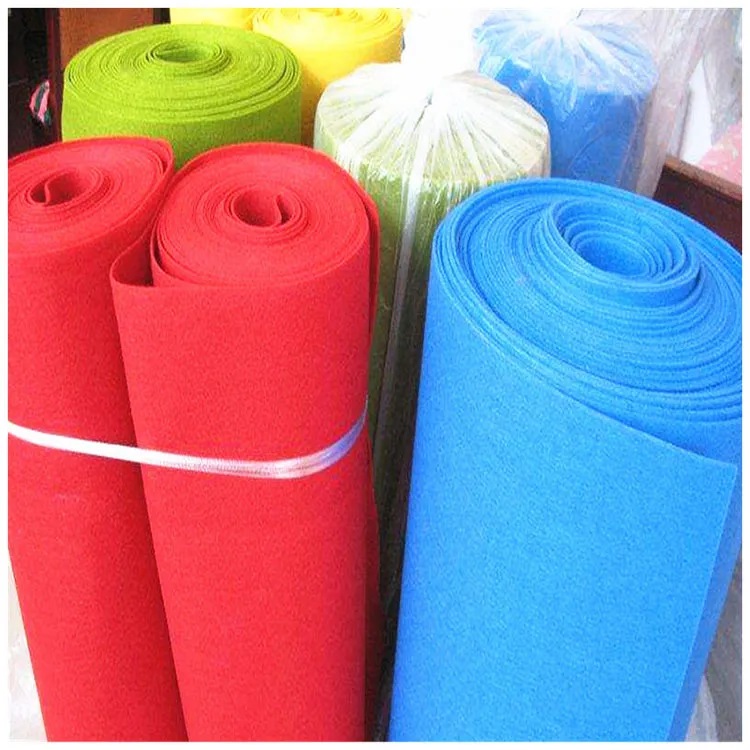
The primary raw material for hard felt polishing wheels is wool fiber, typically sourced from sheep. The quality of the wool significantly impacts the wheel's performance. Key properties include fiber length, crimp (wave pattern), and diameter. Longer, finer fibers generally result in a denser, more durable felt. Synthetic fibers, like rayon or polypropylene, are often blended with wool to enhance resilience, reduce cost, or modify the felt’s properties. The abrasive component commonly consists of aluminum oxide, silicon carbide, or ceramic aluminum oxide, chosen based on the workpiece material and desired aggressiveness. Binder resins, such as phenolic resins, are used to consolidate the felt fibers and securely embed the abrasive particles.
Manufacturing involves a multi-stage process. First, wool and synthetic fibers are carded – aligned and cleaned – to form a web. This web is then needled, a process involving repeatedly piercing the web with barbed needles, mechanically interlocking the fibers to create a dense, cohesive felt structure. The density is a critical parameter, controlled by the needling intensity and fiber blend ratio. Following needling, the felt is impregnated with a slurry containing the abrasive particles and binder resin under vacuum to ensure full penetration. This impregnated felt is then molded into the desired wheel shape, typically using a compression molding process. Finally, the wheel is cured to harden the resin and bond the abrasive to the felt matrix. Parameter control during curing—temperature, pressure, and duration—is crucial to prevent resin degradation or incomplete bonding, which can lead to premature abrasive loss and wheel failure. Quality control involves checking the wheel’s density, hardness (measured using a durometer), abrasive grit size, and balance to ensure consistent performance.
Performance & Engineering
The performance of a hard felt polishing wheel is governed by a complex interplay of factors related to force analysis, material properties, and operational parameters. The contact pressure between the wheel and the workpiece determines the material removal rate. Higher pressure generally leads to faster material removal, but also increases the risk of surface defects. The wheel’s rotational speed directly impacts the abrasive action and heat generation. Excessive speed can cause abrasive breakdown and workpiece burning, while insufficient speed reduces efficiency.
Environmental resistance is a significant consideration. Exposure to moisture can degrade the felt fibers and cause the abrasive particles to detach. Chemical exposure, particularly to solvents or acids, can dissolve the binder resin and compromise the wheel’s structural integrity. Compliance requirements, such as those specified by OSHA (Occupational Safety and Health Administration) and ANSI (American National Standards Institute), mandate specific safety features, including maximum operating speed, labeling requirements, and protective guards to minimize the risk of wheel fracture and projectile hazards. Functional implementation requires careful selection of wheel hardness based on the workpiece material. Softer materials necessitate softer wheels to prevent damage, while harder materials require more aggressive wheels for efficient material removal. The angle of attack between the wheel and the workpiece also influences the finish quality, with shallower angles generally producing finer finishes.
Technical Specifications
| Wheel Diameter (inches) | Wheel Thickness (inches) | Abrasive Grit (US Mesh) | Maximum Operating Speed (RPM) |
|---|---|---|---|
| 6 | 0.5 | 80 | 3000 |
| 8 | 0.75 | 120 | 2500 |
| 12 | 1 | 220 | 2000 |
| 6 | 0.5 | 320 | 3500 |
| 8 | 0.75 | 400 | 2200 |
| 12 | 1 | 600 | 1800 |
Failure Mode & Maintenance
Hard felt polishing wheels are susceptible to several failure modes. Fatigue cracking, initiated by cyclic stress during operation, can lead to wheel fracture, posing a significant safety hazard. Delamination, the separation of layers within the felt structure, reduces the wheel's effectiveness and can cause uneven finishing. Abrasive loss, due to insufficient bonding or excessive wear, diminishes the material removal rate and finish quality. Glazing, caused by heat buildup and abrasive particle rounding, reduces the wheel's cutting action. Oxidation of the felt fibers, particularly in humid environments, weakens the structure and promotes premature wear.
Preventative maintenance is crucial for extending wheel lifespan and ensuring safe operation. Regular inspection for cracks, delamination, or abrasive loss is essential. The wheel should be balanced periodically to minimize vibration and reduce stress. Avoid excessive pressure or speed, as these accelerate wear and increase the risk of failure. Clean the wheel regularly to remove debris and prevent glazing. Store the wheel in a dry, cool environment to minimize oxidation. If the wheel becomes significantly worn or damaged, it should be discarded and replaced. Do not attempt to repair damaged wheels, as this can compromise their structural integrity. Proper ventilation is important to remove dust generated during polishing, protecting worker health.
Industry FAQ
Q: What is the optimal abrasive grit size for polishing stainless steel?
A: For stainless steel, a grit size between 120 and 220 is generally optimal. Finer grits (220+) provide a higher polish but remove material more slowly. Coarser grits (120) are used for more aggressive stock removal, but require subsequent polishing with finer grits to achieve a smooth finish.
Q: How does wheel hardness affect the finish quality on aluminum?
A: Aluminum is a relatively soft metal. Using a hard felt wheel on aluminum can result in scratches and excessive material removal. A softer felt wheel with a moderate abrasive grit is recommended to achieve a smooth, scratch-free finish.
Q: What are the key safety precautions when using hard felt polishing wheels?
A: Always wear appropriate personal protective equipment (PPE), including safety glasses, a dust mask, and gloves. Ensure the wheel is properly mounted and balanced. Never exceed the maximum operating speed specified by the manufacturer. Use a protective guard to shield against wheel fracture. Regularly inspect the wheel for damage.
Q: How can I prevent glazing on my polishing wheel?
A: Glazing can be prevented by using a cutting compound specifically designed for the workpiece material. Maintain a moderate pressure and speed during polishing. Clean the wheel regularly to remove debris. Periodically truing the wheel can also help prevent glazing by exposing fresh abrasive particles.
Q: What is the expected lifespan of a hard felt polishing wheel under normal operating conditions?
A: The lifespan of a hard felt polishing wheel varies depending on the material being polished, the abrasive grit, the operating conditions, and the frequency of use. Generally, a well-maintained wheel can last between 50 to 200 operating hours before requiring replacement.
Conclusion
Hard felt polishing wheels represent a versatile and essential tool in numerous industrial finishing processes. Their effectiveness hinges on a precise understanding of material science, manufacturing techniques, and operational parameters. Optimizing wheel selection based on workpiece material, desired finish quality, and application-specific requirements is paramount.
Continued advancements in abrasive technology and felt fiber compositions will likely lead to the development of more durable, efficient, and safer polishing wheels. Future research may focus on incorporating self-sharpening abrasive systems and developing more environmentally friendly binder resins. Proper maintenance and adherence to safety regulations remain critical to maximizing wheel lifespan and minimizing the risk of operational hazards.


 English
  Afrikaans
  Albanian
  Amharic
  Arabic
  Armenian
  Azerbaijani
  Basque
  Belarusian
  Bengali
  Bosnian
  Bulgarian
  Catalan
  Cebuano
  Corsican
  Croatian
  Czech
Czech  Danish
  Dutch
Dutch  Esperanto
  Estonian
  Finnish
  French
  Frisian
  Galician
  Georgian
  German
  Greek
Greek  Gujarati
  Haitian Creole
  Hausa
Hausa  Hebrew
  Hindi
Hindi  Miao
Miao  Hungarian
  Icelandic
  Igbo
Igbo  Indonesian
  Irish
Irish  Italian
  Japanese
  Javanese
  Kazakh
  Khmer
Khmer  Rwandese
  Korean
  Kurdish
  Kyrgyz
  Lao
Lao  Latin
Latin  Latvian
  Lithuanian
  Luxembourgish
  Macedonian
  Malgashi
  Malay
Malay  Malayalam
  Maltese
  Maori
Maori  Marathi
  Mongolian
  Myanmar
  Nepali
  Norwegian
  Norwegian
  Occitan
  Pashto
  Persian
  Polish
  Portuguese
  Romanian
  Russian
  Samoan
  Scottish Gaelic
  Serbian
  Sesotho
  Shona
Shona  Sindhi
  Sinhala
  Slovak
  Slovenian
  Somali
  Spanish
  Sundanese
  Swahili
  Swedish
  Tajik
Tajik  Tamil
Tamil  Tatar
Tatar  Telugu
  Thai
Thai  Turkish
  Turkmen
  Ukrainian
  Urdu
Urdu  Uighur
  Uzbek
Uzbek  Vietnamese
  Welsh
Welsh  Bantu
Bantu  Yiddish
  Yoruba
  Zulu
Zulu