Apr . 01, 2024 17:55 Back to list
Heather Gray Felt Performance Analysis
Introduction
Heather gray felt is a non-woven textile material produced by matting, condensing and pressing fibers. Distinguishing itself through its mottled appearance – a blend of dark and light fibers, typically wool, acrylic, or recycled materials – it occupies a crucial niche in diverse industrial applications ranging from filtration and sound dampening to protective padding and gasketing. Its technical position within the value chain extends from raw fiber production through to finished component manufacturing. Core performance characteristics center around its density, thickness, compression set, and ability to be readily cut, molded, and bonded. A critical pain point in industry surrounds consistency of fiber blend and resulting performance variability, impacting automated manufacturing processes and demanding stringent quality control measures. Furthermore, sourcing sustainable and ethically produced fibers presents an increasing challenge for manufacturers.
Material Science & Manufacturing
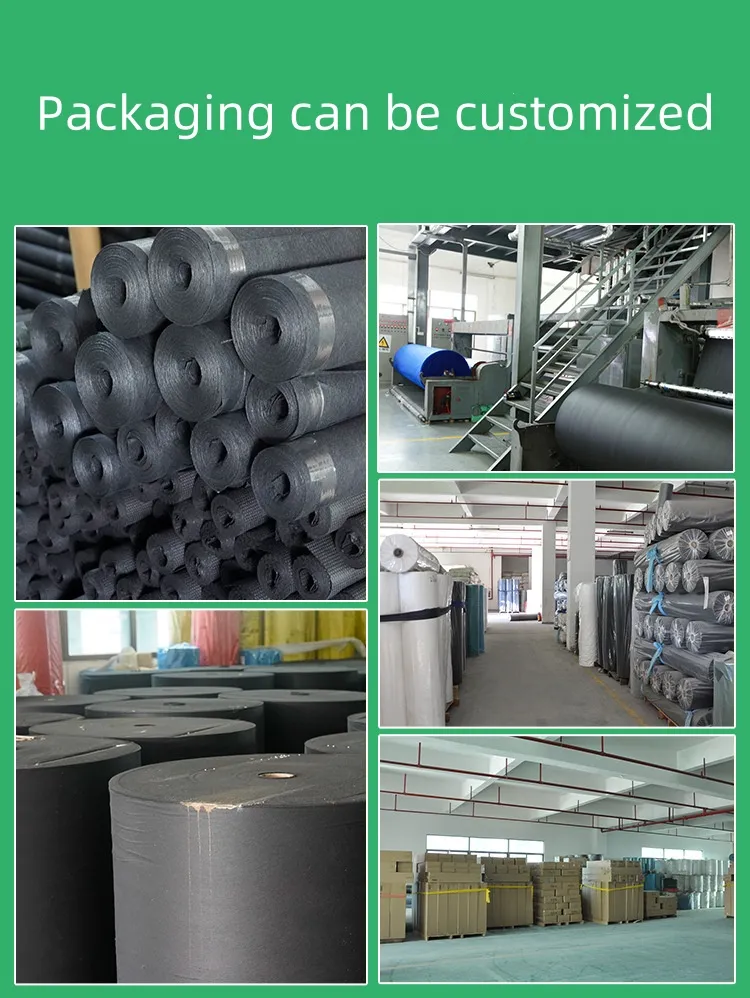
Heather gray felt’s material composition is critical to its properties. The typical fiber blend incorporates natural fibers (wool, rayon) and synthetic fibers (acrylic, polyester, polypropylene). Wool provides excellent thermal and acoustic insulation but can be susceptible to degradation from moisture and pests. Acrylic fibers offer durability, resistance to sunlight, and lower cost, while polyester contributes to strength and dimensional stability. The ‘heather’ effect is achieved through blending white or undyed fibers with darker, dyed fibers during the carding process. Manufacturing begins with fiber preparation – cleaning, carding, and blending. Carding aligns the fibers into a web. This web is then subjected to needling, a mechanical process utilizing barbed needles to interlock the fibers, creating the felt structure. Density control is achieved through manipulating the web weight per unit area and the needling density. Critical parameters include fiber fineness (measured in microns), fiber length (affecting strength and tear resistance), and needle penetration depth (influencing felt density and thickness). Chemical compatibility must also be considered; exposure to strong acids or bases can degrade the fiber matrix. Manufacturing tolerances in thickness and density directly impact performance in sealing and filtration applications.
Performance & Engineering
The performance of heather gray felt is heavily influenced by its density and fiber composition. For sound dampening applications, the material's ability to absorb acoustic energy is directly related to its porosity and fiber structure. Higher density felts exhibit greater sound transmission loss but reduced airflow. In filtration, pore size distribution dictates particle retention efficiency; finer pores capture smaller particles but increase pressure drop. Engineering analyses often involve assessing compression set – the permanent deformation after sustained pressure – particularly crucial in gasketing applications. Force analysis determines the material’s resistance to tearing and penetration. Environmental resistance is paramount. Prolonged UV exposure can degrade acrylic and polyester fibers, leading to embrittlement. Moisture absorption impacts dimensional stability and can promote mold growth. Compliance requirements vary by industry; automotive applications demand flame retardancy (often achieved with chemical treatments), while food-grade applications require materials certified safe for contact. Delamination resistance, particularly in laminated felt structures, is assessed through peel tests. The selection of appropriate adhesives and bonding techniques is essential to maintain structural integrity.
Technical Specifications
| Density (g/m²) | Thickness (mm) | Tensile Strength (N/50mm) | Compression Set (%) @ 70% compression, 22hr |
|---|---|---|---|
| 300-400 | 3-5 | 50-80 | 10-20 |
| 500-600 | 5-8 | 80-120 | 15-25 |
| 700-800 | 8-12 | 120-180 | 20-30 |
| 900-1000 | 12-15 | 180-250 | 25-35 |
| 1100-1200 | 15-20 | 250-350 | 30-40 |
| 1300-1400 | 20-25 | 350-450 | 35-45 |
Failure Mode & Maintenance
Common failure modes in heather gray felt include fiber degradation, compression set, delamination (in laminated structures), and loss of structural integrity due to prolonged exposure to harsh environments. Fatigue cracking can occur in applications involving repeated compression or flexing. Oxidation of fibers, especially wool, can lead to embrittlement and reduced performance. Chemical attack from solvents or corrosive substances can cause dissolution or weakening of the fiber matrix. Maintenance largely focuses on preventing these failures. Regular inspection for signs of wear, compression, or chemical exposure is crucial. Cleaning with gentle detergents and avoiding harsh chemicals prolongs the material's lifespan. In gasketing applications, periodic replacement is recommended based on the operating environment and compression levels. For filtration applications, monitoring pressure drop and replacing the felt when it becomes excessively clogged is essential. Storage conditions are important; avoid direct sunlight, high humidity, and contact with corrosive materials. Proper handling during installation prevents damage and maintains dimensional accuracy.
Industry FAQ
Q: What is the impact of fiber blend on the compression set of heather gray felt?
A: The compression set is significantly influenced by the proportion of synthetic fibers in the blend. Higher percentages of polyester or polypropylene generally lead to lower compression set values due to their superior resilience compared to natural fibers like wool. However, increasing synthetic content can reduce the felt's ability to conform to irregular surfaces.
Q: How does moisture absorption affect the performance of heather gray felt in acoustic applications?
A: Moisture absorption can reduce the acoustic absorption coefficient of heather gray felt, particularly at higher frequencies. Waterlogged fibers become denser and less porous, diminishing their ability to effectively dampen sound waves. Maintaining a dry environment or utilizing moisture-resistant fiber treatments is crucial in these applications.
Q: What are the key considerations when selecting heather gray felt for a sealing application?
A: Key considerations include the operating temperature, the pressure being sealed, and the compatibility of the felt with the media being contained. Compressibility, compression set, and resistance to the specific chemicals involved are critical parameters. The felt's thickness and density should be chosen to provide adequate sealing force and prevent leakage.
Q: Can heather gray felt be treated to improve its flame retardancy?
A: Yes, heather gray felt can be treated with flame retardant chemicals to meet specific industry standards, such as those required in automotive or aerospace applications. Common treatments include phosphate-based compounds and halogenated additives. However, these treatments can sometimes affect the felt's other properties, such as its strength and flexibility.
Q: What is the typical lifespan of heather gray felt used in a filtration system?
A: The lifespan varies significantly depending on the particle loading, fluid viscosity, and operating temperature. Regular monitoring of pressure drop across the filter is the most reliable indicator of when replacement is necessary. Generally, a significant increase in pressure drop signals that the felt is becoming clogged and needs to be changed to maintain optimal flow rates.
Conclusion
Heather gray felt’s versatility stems from its tunable properties dictated by fiber composition and manufacturing parameters. Achieving consistent performance requires careful control over these factors and a thorough understanding of the material’s behavior under various operating conditions. Its role in diverse industries – from automotive to filtration – is sustained by its cost-effectiveness and adaptability.
Future development will likely focus on enhancing sustainability through the increased utilization of recycled fibers and bio-based polymers. Improving resistance to harsh chemicals and extreme temperatures will also expand its application range. Advanced manufacturing techniques, such as precision needling and non-destructive testing, will further optimize performance and quality control, solidifying heather gray felt’s position as a critical component in numerous industrial processes.


 English
  Afrikaans
  Albanian
  Amharic
  Arabic
  Armenian
  Azerbaijani
  Basque
  Belarusian
  Bengali
  Bosnian
  Bulgarian
  Catalan
  Cebuano
  Corsican
  Croatian
  Czech
Czech  Danish
  Dutch
Dutch  Esperanto
  Estonian
  Finnish
  French
  Frisian
  Galician
  Georgian
  German
  Greek
Greek  Gujarati
  Haitian Creole
  Hausa
Hausa  Hebrew
  Hindi
Hindi  Miao
Miao  Hungarian
  Icelandic
  Igbo
Igbo  Indonesian
  Irish
Irish  Italian
  Japanese
  Javanese
  Kazakh
  Khmer
Khmer  Rwandese
  Korean
  Kurdish
  Kyrgyz
  Lao
Lao  Latin
Latin  Latvian
  Lithuanian
  Luxembourgish
  Macedonian
  Malgashi
  Malay
Malay  Malayalam
  Maltese
  Maori
Maori  Marathi
  Mongolian
  Myanmar
  Nepali
  Norwegian
  Norwegian
  Occitan
  Pashto
  Persian
  Polish
  Portuguese
  Romanian
  Russian
  Samoan
  Scottish Gaelic
  Serbian
  Sesotho
  Shona
Shona  Sindhi
  Sinhala
  Slovak
  Slovenian
  Somali
  Spanish
  Sundanese
  Swahili
  Swedish
  Tajik
Tajik  Tamil
Tamil  Tatar
Tatar  Telugu
  Thai
Thai  Turkish
  Turkmen
  Ukrainian
  Urdu
Urdu  Uighur
  Uzbek
Uzbek  Vietnamese
  Welsh
Welsh  Bantu
Bantu  Yiddish
  Yoruba
  Zulu
Zulu