Apr . 01, 2024 17:55 Back to list
mint green felt Performance Analysis
Introduction
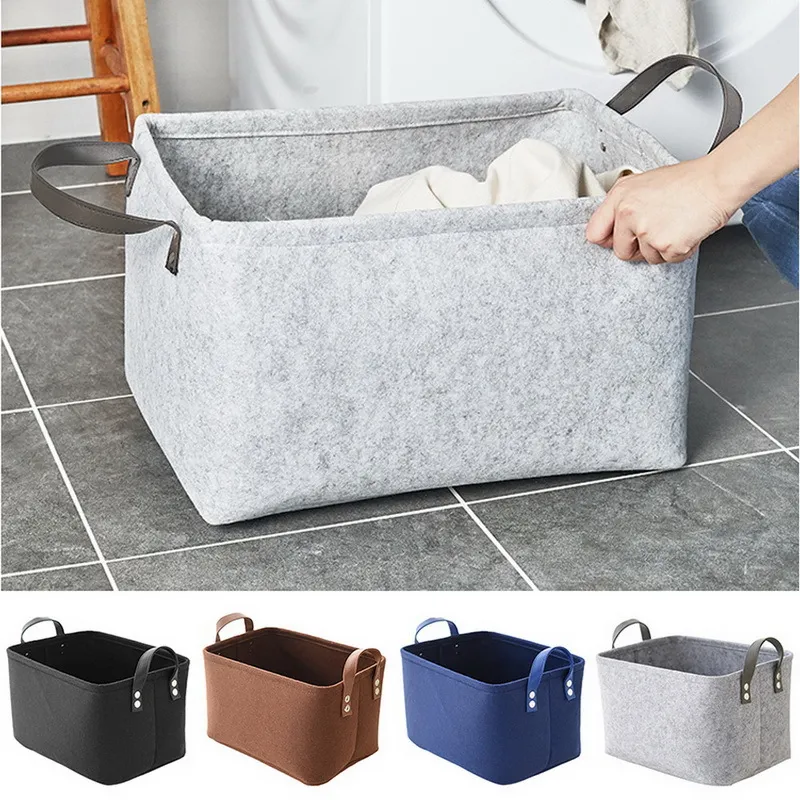
Mint green felt is a non-woven textile material constructed from compressed fibers, typically composed of synthetic polymers such as polypropylene or polyester, and occasionally natural fibers like wool or rayon. Its distinctive pastel coloration is achieved through dye application during or after the fiber compression process. Within the broader textile industry, mint green felt occupies a niche as a cost-effective, versatile material utilized across diverse applications including craftwork, filtration, cushioning, sound dampening, and protective lining. Core performance characteristics center on its density, thickness, tensile strength, and permeability, attributes that are precisely controlled during manufacturing to meet specific functional requirements. The selection of fiber type and compression method directly influence these properties. Understanding these fundamental aspects is crucial for optimal application and performance in B2B industrial settings.
Material Science & Manufacturing
The raw materials for mint green felt production predominantly involve thermoplastic fibers. Polypropylene (PP) is frequently selected for its low cost, chemical resistance, and relatively high tensile strength. Polyester fibers offer enhanced durability, UV resistance, and lower moisture absorption. The manufacturing process typically begins with fiber extrusion, where molten polymer is forced through spinnerets to create continuous filaments. These filaments are then laid down in a web, often through a carding process, which aligns the fibers in a relatively parallel orientation. Subsequently, the web undergoes needling – a mechanical interlocking of fibers using barbed needles – or hydroentanglement, utilizing high-pressure water jets, to achieve cohesive strength. Thermal bonding, employing heat to partially melt and fuse the fibers, is also common. Coloration is achieved through the addition of pigments during extrusion or through post-processing dyeing. Critical parameters during manufacturing include fiber denier (thickness), web weight (grams per square meter – GSM), needle density and stroke rate (for needled felt), water pressure (for hydroentangled felt), and bonding temperature and time. Fiber morphology, particularly the crimp and luster, significantly influences the final felt’s texture and tactile properties. Chemical compatibility of the dyes with the polymer matrix is paramount to prevent degradation or discoloration over time. Variations in these parameters determine the felt’s inherent mechanical properties, permeability, and aesthetic appeal.
Performance & Engineering
The performance of mint green felt is critically dependent on its intended application. In filtration applications, permeability and fiber diameter dictate filtration efficiency and pressure drop. For cushioning and protective linings, impact resistance, compression set, and resilience are key parameters. Sound dampening performance is governed by the felt’s density and porosity, which influence its sound absorption coefficient. Engineered applications require a thorough understanding of the material's mechanical behavior under various loading conditions. Tensile strength, elongation at break, and tear resistance are determined through standardized testing (ASTM D624, ASTM D751, ASTM D2261). Environmental resistance, including UV exposure, temperature fluctuations, and chemical exposure, must be evaluated. Polypropylene felts exhibit limited UV resistance and can degrade upon prolonged exposure; polyester offers improved performance. Chemical resistance varies based on the polymer and the specific chemical. Furthermore, the thermal stability of the felt must be considered, especially in applications involving elevated temperatures. Stress analysis, including finite element modeling (FEM), can be employed to predict the felt’s performance under complex loading scenarios. Compliance requirements, such as flammability standards (UL 94, FMVSS 302) and RoHS/REACH regulations, are crucial for specific industries like automotive and electronics.
Technical Specifications
| Property | Polypropylene Felt | Polyester Felt | Wool Felt |
|---|---|---|---|
| Density (g/m²) | 100 - 1200 | 150 - 1500 | 200 – 800 |
| Thickness (mm) | 0.5 - 10 | 1 - 15 | 1 – 5 |
| Tensile Strength (N/50mm) | 5 - 50 | 10 - 80 | 20 - 100 |
| Elongation at Break (%) | 100 - 300 | 50 - 200 | 30 - 80 |
| Permeability (cfm) | 50 - 500 | 20 - 400 | 10 - 200 |
| Operating Temperature (°C) | -20 to 80 | -40 to 150 | -20 to 100 |
Failure Mode & Maintenance
Mint green felt, like all textile materials, is susceptible to various failure modes. Fatigue cracking can occur under cyclic loading, particularly in applications involving repeated compression or tension. Delamination, the separation of fiber layers, can result from inadequate bonding during manufacturing or prolonged exposure to solvents. Degradation, primarily due to UV exposure or chemical attack, leads to a loss of mechanical properties and discoloration. Oxidation, especially in polyester felts, can cause embrittlement and reduced flexibility. Abrasion, from physical contact, causes fiber wear and a reduction in thickness. Maintenance strategies depend on the application. For filtration applications, regular replacement is essential to maintain filtration efficiency. For cushioning applications, periodic inspection for wear and tear is recommended. Cleaning can be performed using mild detergents and water, avoiding harsh chemicals or abrasive cleaners. Storage should be in a cool, dry place, away from direct sunlight and extreme temperatures. Preventative measures, such as applying a UV protectant coating or selecting a more durable fiber type, can extend the service life of the felt. Failure analysis techniques, including microscopy and tensile testing, can help identify the root cause of failures and inform design improvements.
Industry FAQ
Q: What is the impact of GSM (grams per square meter) on the performance of mint green felt used for sound dampening?
A: Higher GSM generally correlates to increased density and mass, leading to improved sound absorption, particularly at lower frequencies. However, excessively high GSM can reduce permeability, potentially diminishing performance at higher frequencies. The optimal GSM depends on the specific frequency range requiring attenuation and the desired acoustic properties.
Q: How does the choice between polypropylene and polyester affect the chemical resistance of the felt when exposed to common industrial solvents?
A: Polyester felts generally exhibit better resistance to a wider range of solvents compared to polypropylene. Polypropylene is susceptible to swelling and degradation when exposed to certain solvents like ketones and aromatic hydrocarbons. Polyester provides superior resistance to these chemicals, although it may still be affected by strong acids and bases.
Q: What methods are available to improve the UV resistance of polypropylene mint green felt for outdoor applications?
A: Several methods can enhance UV resistance. These include adding UV stabilizers during the extrusion process, applying a UV-protective coating to the felt surface, and selecting a polypropylene formulation with inherent UV resistance. Using a darker dye color can also provide some degree of UV protection.
Q: What are the implications of needle density on the mechanical properties of needled mint green felt?
A: Higher needle density generally leads to increased cohesive strength and reduced porosity. This results in improved tensile strength and tear resistance but can decrease permeability. A balance must be struck between mechanical properties and desired permeability based on the application requirements.
Q: Are there any specific ASTM standards related to the flammability testing of mint green felt used in automotive interiors?
A: Yes, automotive interiors are subject to stringent flammability regulations. Common ASTM standards include FMVSS 302 (Flammability of Interior Materials) and ASTM D6413 (Standard Test Method for Flame Propagation of Plastic Solid Materials). The specific requirements depend on the location of the felt within the vehicle and local regulatory mandates.
Conclusion
Mint green felt, as a versatile non-woven textile, offers a compelling combination of cost-effectiveness, processability, and performance characteristics. Its selection hinges on a comprehensive understanding of the interplay between material science, manufacturing parameters, and application-specific requirements. Optimization of fiber type, density, and bonding method allows for tailoring the felt’s properties to achieve desired mechanical strength, permeability, and environmental resistance.
Future advancements in felt technology are likely to focus on the development of sustainable materials, enhanced UV resistance, and improved chemical compatibility. Incorporating bio-based polymers and exploring innovative bonding techniques will further expand the range of applications for mint green felt and solidify its position as a critical material in various industrial sectors. A continuous emphasis on rigorous testing and adherence to relevant international standards is crucial for ensuring product quality and safety.


 English
  Afrikaans
  Albanian
  Amharic
  Arabic
  Armenian
  Azerbaijani
  Basque
  Belarusian
  Bengali
  Bosnian
  Bulgarian
  Catalan
  Cebuano
  Corsican
  Croatian
  Czech
Czech  Danish
  Dutch
Dutch  Esperanto
  Estonian
  Finnish
  French
  Frisian
  Galician
  Georgian
  German
  Greek
Greek  Gujarati
  Haitian Creole
  Hausa
Hausa  Hebrew
  Hindi
Hindi  Miao
Miao  Hungarian
  Icelandic
  Igbo
Igbo  Indonesian
  Irish
Irish  Italian
  Japanese
  Javanese
  Kazakh
  Khmer
Khmer  Rwandese
  Korean
  Kurdish
  Kyrgyz
  Lao
Lao  Latin
Latin  Latvian
  Lithuanian
  Luxembourgish
  Macedonian
  Malgashi
  Malay
Malay  Malayalam
  Maltese
  Maori
Maori  Marathi
  Mongolian
  Myanmar
  Nepali
  Norwegian
  Norwegian
  Occitan
  Pashto
  Persian
  Polish
  Portuguese
  Romanian
  Russian
  Samoan
  Scottish Gaelic
  Serbian
  Sesotho
  Shona
Shona  Sindhi
  Sinhala
  Slovak
  Slovenian
  Somali
  Spanish
  Sundanese
  Swahili
  Swedish
  Tajik
Tajik  Tamil
Tamil  Tatar
Tatar  Telugu
  Thai
Thai  Turkish
  Turkmen
  Ukrainian
  Urdu
Urdu  Uighur
  Uzbek
Uzbek  Vietnamese
  Welsh
Welsh  Bantu
Bantu  Yiddish
  Yoruba
  Zulu
Zulu