Apr . 01, 2024 17:55 Back to list
multi color felt Performance Analysis
Introduction
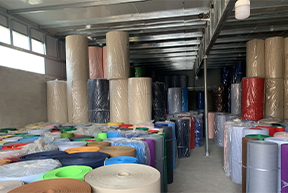
Multi-color felt is a non-woven textile material constructed by matting, condensing, and bonding fibers – typically wool, acrylic, polyester, or rayon – through mechanical processes and/or chemical adhesion. Unlike woven fabrics, felt lacks a defined grain, contributing to its unique properties. The introduction of multiple colors within a single felt sheet is achieved through various techniques, including needle punching, carding, and layering of differently colored fibers. Its position within the supply chain spans diverse industries, from crafting and automotive interiors to filtration and industrial padding. Core performance characteristics include thermal and acoustic insulation, vibration dampening, cushioning, and aesthetic appeal. A crucial aspect impacting felt selection is understanding the fiber composition as it dictates durability, flammability, and chemical resistance. The industry currently faces challenges regarding sustainable sourcing of raw materials and reducing reliance on petroleum-based synthetic fibers, demanding more eco-friendly production methods.
Material Science & Manufacturing
The foundation of multi-color felt lies in the properties of its constituent fibers. Wool, a protein fiber, offers excellent resilience, crimp, and natural flame retardancy. Acrylic fibers provide good resistance to sunlight, chemicals, and abrasion, often serving as a cost-effective wool substitute. Polyester fibers are known for their strength, durability, and resistance to stretching and shrinking. Rayon, a regenerated cellulose fiber, offers a soft hand and good drape but is less durable than other options. Manufacturing begins with fiber preparation – cleaning, carding, and blending. Carding aligns the fibers into a web, facilitating the subsequent layering of different colors. Needle punching, a common process, uses barbed needles to interlock the fibers, creating a dense, cohesive fabric. Wet felting involves applying moisture, heat, and agitation to interlock the fibers. Critical parameters include needle density (needles per square inch), punching speed, web weight (grams per square meter), and moisture content. For coloration, dyes are often applied to individual fiber batches before carding, ensuring uniform color distribution. Maintaining consistent fiber blends and process controls is crucial for achieving repeatable quality and color fidelity. Chemical compatibility of dyes with fiber types is paramount to prevent fading or degradation. The manufacturing process also significantly impacts the felt’s density, thickness, and dimensional stability.
Performance & Engineering
The performance of multi-color felt is dictated by its physical properties and intended application. Force analysis is critical for applications requiring load-bearing capacity or cushioning. Tensile strength, tear strength, and elongation at break quantify the material’s resistance to deformation and failure. Acoustic performance relies on the felt’s density and porosity; higher density generally equates to better sound absorption. Thermal insulation is a function of fiber type and thickness; wool felt exhibits superior thermal properties compared to synthetic alternatives. Environmental resistance involves assessing the felt’s behavior under various conditions. Exposure to UV radiation can cause color fading and fiber degradation, particularly in acrylic and polyester felts. Moisture absorption can lead to dimensional changes and reduced strength. Chemical resistance varies significantly with fiber type; wool is susceptible to alkali attack, while polyester is generally resistant to most chemicals. Compliance requirements often include flammability testing (e.g., ASTM D6413), colorfastness testing (e.g., ISO 105), and dimensional stability testing (e.g., ISO 5084). In automotive applications, felt must meet stringent safety standards related to fire resistance and emissions. For filtration applications, the pore size and permeability are critical engineering considerations.
Technical Specifications
| Property | Wool Felt | Acrylic Felt | Polyester Felt | Rayon Felt |
|---|---|---|---|---|
| Density (g/m²) | 500-800 | 300-600 | 400-700 | 200-500 |
| Thickness (mm) | 2-10 | 1-5 | 1-8 | 1-4 |
| Tensile Strength (N/50mm) | 20-50 | 10-30 | 25-60 | 8-20 |
| Elongation at Break (%) | 30-60 | 20-40 | 15-35 | 10-25 |
| Water Absorption (%) | 30-40 | 5-10 | 1-5 | 50-60 |
| Flammability (Self-Extinguishing) | No | Yes (with treatment) | Yes (inherent) | No |
Failure Mode & Maintenance
Multi-color felt, despite its durability, is susceptible to several failure modes. Fatigue cracking can occur under repeated stress, particularly in applications involving compression or vibration. Delamination, the separation of felt layers, can result from inadequate fiber interlocking or exposure to moisture. Degradation, including color fading and loss of strength, is often caused by UV radiation, chemical exposure, or oxidation. Oxidation can occur over extended periods, weakening the fiber structure. Abrasion leads to fiber loss and thinning of the felt. Maintenance strategies depend on the application. Regular vacuuming or brushing can remove dust and debris. Spot cleaning with mild detergents can address localized stains. Avoid harsh chemicals or abrasive cleaners, which can damage the fibers. For automotive interiors, periodic cleaning and conditioning can prevent cracking and fading. In filtration applications, replace the felt when it becomes clogged or shows signs of degradation. Proper storage in a cool, dry place can minimize degradation during prolonged inactivity. Inspection for wear and tear is critical for preventing catastrophic failure.
Industry FAQ
Q: What is the impact of fiber blend on the overall lifespan of multi-color felt?
A: The fiber blend significantly affects lifespan. Wool felts generally have a longer lifespan due to their inherent resilience and strength, but are susceptible to biological attack. Polyester felts offer good durability and resistance to environmental factors but may degrade with prolonged UV exposure. Acrylic felts provide a balance but can pill over time. A well-chosen blend, considering the application environment, optimizes longevity.
Q: How does the manufacturing process influence the acoustic properties of the felt?
A: Needle punching creates a more open structure, enhancing sound absorption but potentially reducing density. Wet felting results in a denser, more compact felt with lower sound absorption but better thermal insulation. Web weight and fiber density are also critical; heavier, denser felts generally provide superior acoustic performance.
Q: What specific tests are used to evaluate the colorfastness of multi-color felt?
A: Colorfastness is typically assessed using ISO 105 standards. These include tests for colorfastness to light (ISO 105-B02), washing (ISO 105-C06), and rubbing (ISO 105-X12). These tests simulate real-world exposure conditions and quantify the extent of color loss or transfer.
Q: Can multi-color felt be recycled, and what are the limitations?
A: Recycling felt is challenging due to the blended fiber composition. Wool felt can be recycled through textile recycling programs, but separating it from synthetic fibers is difficult. Polyester felt is more readily recyclable, but contamination with other materials can hinder the process. Developing effective depolymerization techniques for blended felts is an ongoing area of research.
Q: What are the key considerations when selecting multi-color felt for outdoor applications?
A: UV resistance is paramount. Polyester or acrylic felts with UV stabilizers are preferred. Water resistance or waterproofing treatments should be applied to prevent moisture absorption and degradation. The felt’s colorfastness should also be verified to prevent fading. Regular inspection and replacement may be necessary due to the harsher environmental conditions.
Conclusion
Multi-color felt represents a versatile material with a broad spectrum of applications, stemming from the diverse properties offered by its constituent fibers and manufacturing processes. Careful consideration of fiber type, density, thickness, and environmental factors is crucial for optimizing performance and ensuring longevity. The selection process demands a thorough understanding of the intended application's mechanical, thermal, and chemical requirements.
Looking forward, advancements in sustainable fiber sourcing and recycling technologies will be critical to addressing the environmental concerns associated with felt production. Continued research into fiber blends and surface treatments will further enhance the material’s performance characteristics and broaden its applicability across industries. Ultimately, a holistic approach encompassing material science, manufacturing expertise, and application-specific engineering will drive innovation in the field of multi-color felt.


 English
  Afrikaans
  Albanian
  Amharic
  Arabic
  Armenian
  Azerbaijani
  Basque
  Belarusian
  Bengali
  Bosnian
  Bulgarian
  Catalan
  Cebuano
  Corsican
  Croatian
  Czech
Czech  Danish
  Dutch
Dutch  Esperanto
  Estonian
  Finnish
  French
  Frisian
  Galician
  Georgian
  German
  Greek
Greek  Gujarati
  Haitian Creole
  Hausa
Hausa  Hebrew
  Hindi
Hindi  Miao
Miao  Hungarian
  Icelandic
  Igbo
Igbo  Indonesian
  Irish
Irish  Italian
  Japanese
  Javanese
  Kazakh
  Khmer
Khmer  Rwandese
  Korean
  Kurdish
  Kyrgyz
  Lao
Lao  Latin
Latin  Latvian
  Lithuanian
  Luxembourgish
  Macedonian
  Malgashi
  Malay
Malay  Malayalam
  Maltese
  Maori
Maori  Marathi
  Mongolian
  Myanmar
  Nepali
  Norwegian
  Norwegian
  Occitan
  Pashto
  Persian
  Polish
  Portuguese
  Romanian
  Russian
  Samoan
  Scottish Gaelic
  Serbian
  Sesotho
  Shona
Shona  Sindhi
  Sinhala
  Slovak
  Slovenian
  Somali
  Spanish
  Sundanese
  Swahili
  Swedish
  Tajik
Tajik  Tamil
Tamil  Tatar
Tatar  Telugu
  Thai
Thai  Turkish
  Turkmen
  Ukrainian
  Urdu
Urdu  Uighur
  Uzbek
Uzbek  Vietnamese
  Welsh
Welsh  Bantu
Bantu  Yiddish
  Yoruba
  Zulu
Zulu