Apr . 01, 2024 17:55 Back to list
Neon Pink Felt Performance Analysis
Introduction
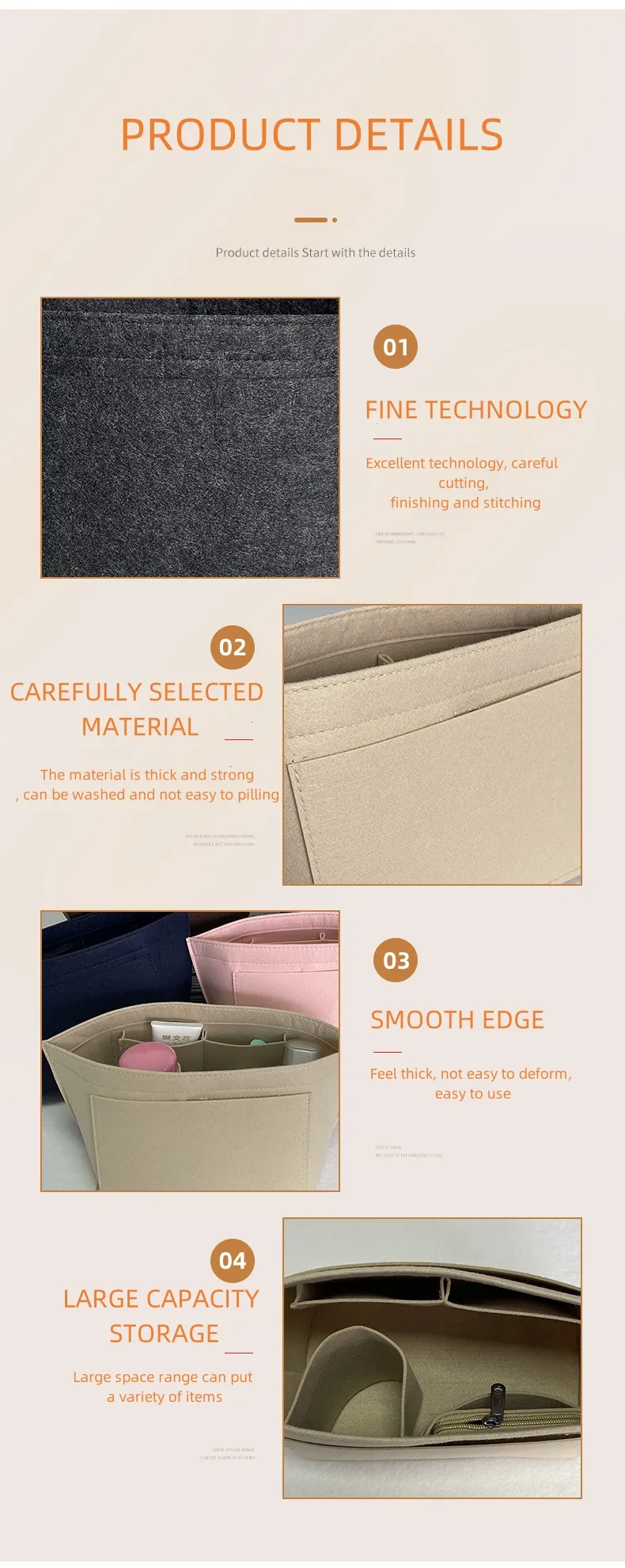
Neon pink felt is a non-woven textile material constructed from compressed and matted fibers, typically polyester or acrylic, and dyed a vibrant neon pink hue. Positioned within the broader textile industry, it serves as a versatile intermediate good used in applications ranging from craft and hobby projects to industrial filtration and soundproofing. Its core performance characteristics center around its lightweight nature, flexibility, ease of cutting and shaping, and ability to absorb sound and liquids. Unlike woven fabrics, felt lacks a grain, making it ideal for designs requiring consistent properties in all directions. However, this lack of structural integrity also defines key limitations related to tensile strength and durability. Understanding these fundamental aspects is critical for optimal utilization and performance prediction within specific applications. The increasing demand for vibrant, cost-effective, and easily manipulated materials has solidified neon pink felt’s position as a staple in both consumer and industrial markets.
Material Science & Manufacturing
The primary raw materials for neon pink felt are polyester or acrylic fibers, selected for their cost-effectiveness, resilience, and dyeability. Polyester fibers, derived from polyethylene terephthalate (PET), offer superior abrasion resistance and dimensional stability. Acrylic fibers, polymerized from acrylonitrile, provide a softer hand and better dye uptake for achieving a bright neon pink color. The neon pink coloration is achieved through the incorporation of fluorescent pigments during the fiber production or a subsequent dyeing process. These pigments absorb ultraviolet light and re-emit it as visible light, resulting in the characteristic vibrant hue.
Manufacturing typically involves a wet-felting or dry-felting process. Wet-felting utilizes hot water, agitation, and pressure to interlock the fibers. The process begins with carding the fibers to align them in a parallel orientation. This carded web is then subjected to a controlled amount of moisture and mechanical energy (e.g., needle punching or hydroentanglement). The temperature and pH of the water are critical parameters influencing fiber entanglement and felt density. Dry-felting, conversely, uses mechanical action, primarily needle punching, to directly interlock the fibers without the use of water. Needle punching forces barbed needles repeatedly through the fiber web, creating a mechanical bond. Parameters such as needle density, punching speed, and stroke length influence the felt’s thickness, density, and surface finish. Post-processing steps often include calendaring to compress the felt and improve its surface smoothness, and potentially a surface treatment to enhance water repellency or other desired properties. Quality control focuses on fiber composition verification, colorfastness assessment (to prevent dye bleeding), and dimensional stability testing.
Performance & Engineering
The engineering performance of neon pink felt is largely dictated by its fiber composition and manufacturing process. A key consideration is its low tensile strength compared to woven textiles. The lack of interwoven structure means force is distributed across fewer fiber-to-fiber bonds. Therefore, applications requiring high tensile loads are unsuitable. Force analysis reveals that stress concentration occurs readily at points of deformation. The material exhibits significant elongation before failure, indicating a ductile failure mode.
Environmental resistance is another crucial factor. Prolonged exposure to ultraviolet (UV) radiation can cause color fading due to pigment degradation. The rate of degradation is influenced by the type of pigment used and the intensity of UV exposure. The material exhibits moderate resistance to many common chemicals, but is susceptible to degradation by strong acids and bases. Water absorption is moderate; while not inherently waterproof, the felt can be treated with hydrophobic coatings to enhance water repellency. Fire resistance is generally low; unmodified polyester and acrylic felts are combustible. Flame-retardant treatments are often applied to meet specific safety standards. Compliance requirements vary by application. For example, in children’s toys, the felt must meet stringent phthalate content restrictions and flammability standards (e.g., EN 71). In industrial applications, compliance with relevant environmental regulations (e.g., REACH, RoHS) regarding chemical content is essential.
Technical Specifications
| Property | Unit | Polyester Felt (Typical) | Acrylic Felt (Typical) |
|---|---|---|---|
| Density | g/m² | 100-500 | 150-600 |
| Thickness | mm | 1-5 | 1-8 |
| Tensile Strength (MD) | N/50mm | 5-20 | 3-15 |
| Tensile Strength (TD) | N/50mm | 3-15 | 2-10 |
| Elongation at Break (MD) | % | 100-300 | 150-400 |
| Elongation at Break (TD) | % | 80-250 | 120-350 |
| Water Absorption | % (24hr) | 1-3 | 2-4 |
Failure Mode & Maintenance
Common failure modes for neon pink felt include mechanical degradation (tearing, abrasion), color fading, and chemical attack. Fatigue cracking can occur under repeated flexing or compression. Abrasion, particularly in high-traffic areas, leads to fiber loss and thinning of the felt. Color fading is primarily due to UV exposure, causing the fluorescent pigments to break down. Chemical attack can result from exposure to harsh solvents or cleaning agents, leading to fiber dissolution or discoloration. Delamination, while less common, can occur if the felt is not properly compacted during manufacturing. Oxidation, especially in acrylic felts, can lead to embrittlement and loss of flexibility over extended periods.
Maintenance primarily involves gentle cleaning to remove surface contaminants. Vacuuming with a soft brush attachment is recommended. Avoid harsh detergents or abrasive cleaners, as these can damage the fibers and fade the color. Spot cleaning with a mild soap and water solution is acceptable, followed by thorough rinsing and air drying. For heavily soiled felt, professional cleaning is recommended. To mitigate UV degradation, minimize prolonged exposure to direct sunlight. Storage should be in a cool, dry place away from direct sunlight and potential chemical exposure. Regular inspection for signs of wear and tear is crucial for identifying potential failure points and implementing preventative measures. Repairing small tears with fabric adhesive can extend the lifespan of the felt, but extensive damage typically requires replacement.
Industry FAQ
Q: What is the expected lifespan of neon pink felt used in a craft project exposed to moderate indoor lighting?
A: The lifespan is highly variable, but generally, under moderate indoor lighting conditions, neon pink felt used in a craft project can be expected to retain its vibrant color for 6-12 months. However, prolonged exposure (even indirect) to UV radiation will accelerate color fading. Mechanical wear and tear from handling and use will also contribute to degradation.
Q: Can neon pink felt be effectively used as a sound dampening material in a recording studio environment?
A: Neon pink felt exhibits some sound absorption characteristics due to its fibrous structure. However, its relatively low density and thin profile limit its effectiveness compared to dedicated acoustic panels. It can contribute to high-frequency sound absorption, but is less effective at absorbing low-frequency sounds. It would likely require substantial coverage to achieve a noticeable improvement in sound quality.
Q: What is the difference in flammability between polyester and acrylic neon pink felt?
A: Both polyester and acrylic felts are inherently flammable. However, acrylic felts generally have a slightly lower ignition temperature and burn rate than polyester felts. Flame-retardant treatments can significantly improve the fire resistance of both materials, bringing them into compliance with relevant safety standards.
Q: Is neon pink felt suitable for outdoor applications, and if not, what alternatives would you recommend?
A: Neon pink felt is not generally suitable for long-term outdoor applications due to its susceptibility to UV degradation, water absorption, and potential microbial growth. For outdoor applications requiring vibrant color and some degree of weather resistance, consider solution-dyed acrylic fabrics or UV-stabilized polypropylene fabrics. These materials offer superior durability and colorfastness.
Q: What are the common issues with dye bleeding in neon pink felt, and how can they be prevented?
A: Dye bleeding is a common concern with neon pink felt, particularly during the initial washing or exposure to moisture. This is due to the relatively low dye fixation rates associated with some fluorescent pigments. To prevent dye bleeding, pre-treat the felt with a dye fixative, wash it separately in cold water with a mild detergent, and avoid prolonged soaking. Using a high-quality felt with a well-established dye fixation process can also minimize this issue.
Conclusion
Neon pink felt represents a cost-effective and versatile material solution for a diverse range of applications, from crafting and hobby projects to specific industrial uses. Its inherent properties – lightweight nature, ease of manipulation, and vibrant color – provide unique advantages. However, its limited tensile strength, susceptibility to UV degradation, and moderate chemical resistance necessitate careful consideration of its limitations and proper implementation strategies. Understanding the interplay between material composition, manufacturing processes, and environmental factors is paramount for maximizing performance and longevity.
Future developments in neon pink felt technology are likely to focus on enhancing its durability and environmental resistance through the incorporation of advanced polymer blends and UV stabilizers. Research into more sustainable fiber sources and environmentally friendly dyeing processes will also be crucial. Continued innovation in manufacturing techniques, such as advanced needle punching and hydroentanglement, will further optimize the material’s physical properties and broaden its application scope, solidifying its position as a valuable material in various industries.


 English
  Afrikaans
  Albanian
  Amharic
  Arabic
  Armenian
  Azerbaijani
  Basque
  Belarusian
  Bengali
  Bosnian
  Bulgarian
  Catalan
  Cebuano
  Corsican
  Croatian
  Czech
Czech  Danish
  Dutch
Dutch  Esperanto
  Estonian
  Finnish
  French
  Frisian
  Galician
  Georgian
  German
  Greek
Greek  Gujarati
  Haitian Creole
  Hausa
Hausa  Hebrew
  Hindi
Hindi  Miao
Miao  Hungarian
  Icelandic
  Igbo
Igbo  Indonesian
  Irish
Irish  Italian
  Japanese
  Javanese
  Kazakh
  Khmer
Khmer  Rwandese
  Korean
  Kurdish
  Kyrgyz
  Lao
Lao  Latin
Latin  Latvian
  Lithuanian
  Luxembourgish
  Macedonian
  Malgashi
  Malay
Malay  Malayalam
  Maltese
  Maori
Maori  Marathi
  Mongolian
  Myanmar
  Nepali
  Norwegian
  Norwegian
  Occitan
  Pashto
  Persian
  Polish
  Portuguese
  Romanian
  Russian
  Samoan
  Scottish Gaelic
  Serbian
  Sesotho
  Shona
Shona  Sindhi
  Sinhala
  Slovak
  Slovenian
  Somali
  Spanish
  Sundanese
  Swahili
  Swedish
  Tajik
Tajik  Tamil
Tamil  Tatar
Tatar  Telugu
  Thai
Thai  Turkish
  Turkmen
  Ukrainian
  Urdu
Urdu  Uighur
  Uzbek
Uzbek  Vietnamese
  Welsh
Welsh  Bantu
Bantu  Yiddish
  Yoruba
  Zulu
Zulu