Apr . 01, 2024 17:55 Back to list
Peach colored felt Performance Analysis
Introduction
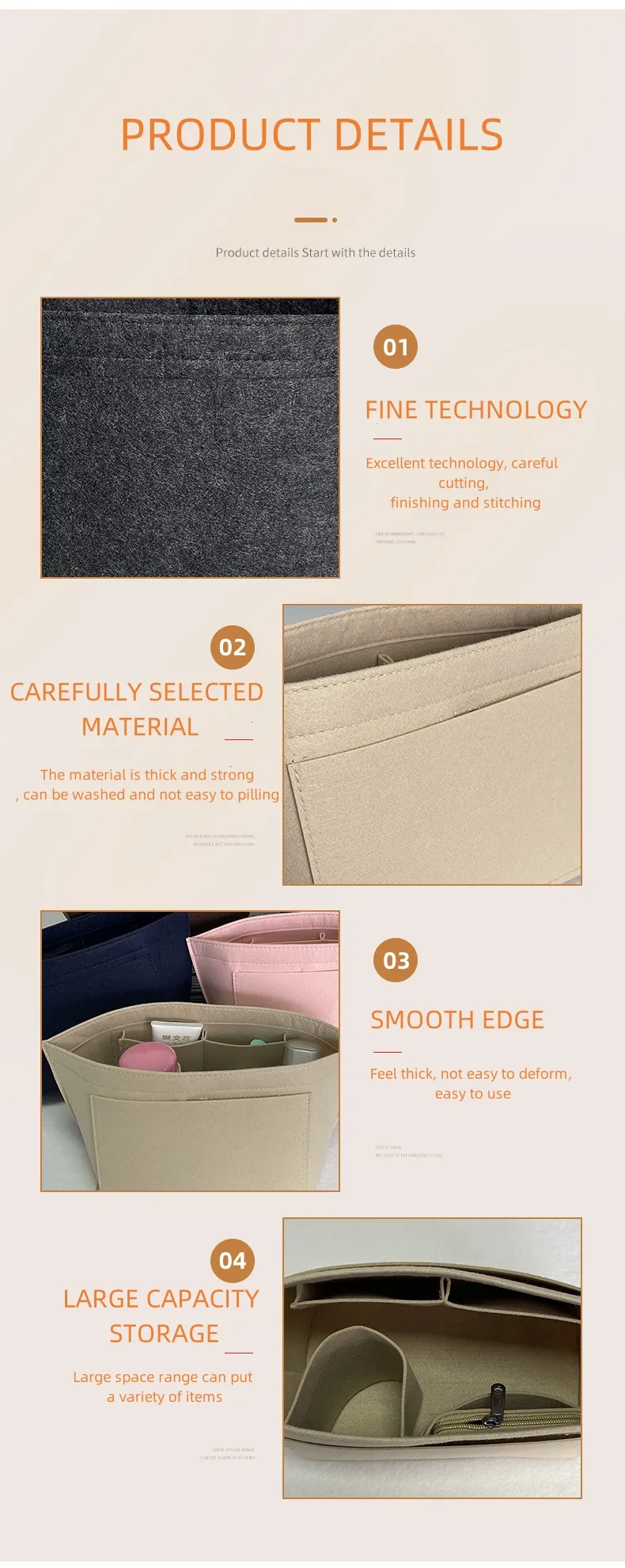
Peach colored felt is a non-woven textile material produced by matting, condensing and bonding fibers. Typically composed of acrylic, polyester, or wool, it exhibits a distinct pastel hue ranging from pale rose to light orange. Within the broader felt industry, peach colored felt occupies a niche largely defined by aesthetic applications—crafts, decorative arts, and interior design—though its technical properties also lend it to specific industrial uses such as cushioning, filtration media, and sound dampening. Its primary performance characteristics are defined by its density, thickness, fiber composition, and the method of bonding employed during manufacture. This guide provides an in-depth technical assessment of peach colored felt, encompassing material science, manufacturing processes, performance parameters, failure modes, and relevant industry standards. Core industry pain points related to felt include consistency of color and density across batches, achieving specified mechanical properties for demanding applications, and ensuring dimensional stability under varying environmental conditions.
Material Science & Manufacturing
The foundational material for peach colored felt dictates its ultimate properties. Acrylic fibers, common in budget-friendly options, offer good resilience and colorfastness but lower abrasion resistance. Polyester fibers provide superior strength and dimensional stability but can exhibit a tendency to pill. Wool felts, the highest-cost option, deliver exceptional warmth, moisture absorption, and natural crimp resulting in improved bulk and loft. Coloration is achieved through dye addition during fiber production or post-fabrication dyeing processes. The choice of dye impacts lightfastness and washability; azo dyes are common but face increasing scrutiny due to environmental concerns. Manufacturing primarily occurs via needle punching, thermal bonding, or chemical bonding. Needle punching mechanically interlocks fibers using barbed needles, producing a relatively porous material with moderate strength. Thermal bonding utilizes heat to melt and fuse thermoplastic fibers, yielding a denser, more durable felt. Chemical bonding employs adhesives to bind fibers, often used for delicate materials like rayon. Key parameters during manufacture include fiber density (grams per square meter, gsm), fiber diameter (microns), needle density (needles per square inch), and bonding temperature/adhesive concentration. Precise control of these variables is critical to achieving desired physical properties like tensile strength, tear resistance, and thickness variation.
Performance & Engineering
Performance evaluation of peach colored felt necessitates consideration of several key engineering principles. Tensile strength, measured in Newtons (N) or pounds-force (lbf), determines its resistance to tearing under stress. Elongation at break, expressed as a percentage, indicates its ductility. Dimensional stability, crucial for applications requiring precise fit, is assessed through shrinkage tests after exposure to heat, humidity, and washing. Compression set, the permanent deformation remaining after removing a compressive load, is important for cushioning applications. Air permeability, measured in CFM (cubic feet per minute), is critical in filtration applications. Flame retardancy is a critical parameter addressed through chemical treatments with compounds such as ammonium polyphosphate. These treatments must meet specific flammability standards. Force analysis in applications like gaskets and seals requires understanding the material’s creep resistance – its tendency to deform permanently under sustained load. The environmental resistance depends greatly on the fiber composition. Polyester exhibits good resistance to UV degradation, while acrylic is more susceptible to fading. Wool felts are prone to microbial growth if not treated with antimicrobial agents. Compliance requirements vary based on the intended application, with relevant standards including ASTM D737 (tensile strength), ASTM D3776 (water absorbency), and EN 13501-1 (fire classification).
Technical Specifications
| Parameter | Acrylic Felt (Typical) | Polyester Felt (Typical) | Wool Felt (Typical) | Units |
|---|---|---|---|---|
| Tensile Strength | 15-25 | 30-50 | 40-60 | N/50mm |
| Elongation at Break | 10-20 | 15-30 | 20-40 | % |
| Thickness | 1-5 | 1-10 | 1-10 | mm |
| Density | 0.2-0.5 | 0.4-0.8 | 0.6-1.2 | g/cm³ |
| Water Absorbency | 20-30 | 5-10 | 30-50 | % Weight Gain |
| Shrinkage (After Washing) | 5-10 | 2-5 | 3-7 | % |
Failure Mode & Maintenance
Peach colored felt, like all textiles, is susceptible to various failure modes. Fatigue cracking, resulting from repeated stress cycles, is common in applications involving flexing or compression. Delamination occurs when the bonded layers separate, particularly in thermally or chemically bonded felts. Degradation from UV exposure leads to color fading and a reduction in tensile strength, especially in acrylic felts. Oxidation can embrittle fibers over time. Abrasion causes fiber wear and thinning, reducing thickness and performance. Microbial growth can degrade wool felts, causing odor and weakening the material. Maintenance primarily focuses on preventative measures. Regular vacuuming removes dust and debris, preventing buildup that can contribute to abrasion. Spot cleaning with mild detergents addresses spills and stains. Avoid harsh chemicals and excessive heat. For wool felts, periodic mothproofing treatments are recommended. If delamination occurs, localized re-bonding using appropriate adhesives may provide a temporary repair, but complete restoration is often impractical. Storage in a cool, dry, and dark environment minimizes degradation. Proper handling and avoidance of excessive mechanical stress will significantly extend the service life of peach colored felt.
Industry FAQ
Q: What is the impact of varying fiber denier on the overall performance of peach colored felt used in acoustic panels?
A: Lower fiber denier results in a finer, more densely packed felt structure. This generally increases sound absorption capabilities, particularly in the mid to high-frequency range. However, finer fibers can be more susceptible to tearing and abrasion, requiring a trade-off between acoustic performance and durability. A higher denier offers better strength but might compromise sound dampening efficiency.
Q: How does the choice of bonding agent affect the long-term dimensional stability of polyester peach colored felt exposed to elevated temperatures?
A: The thermal bonding agent is critical. Lower-quality adhesives can soften or degrade at elevated temperatures, leading to shrinkage and distortion. High-performance thermoplastic adhesives with high glass transition temperatures (Tg) maintain dimensional stability at higher temperatures. The adhesive's resistance to thermal oxidation is also a key factor in long-term durability.
Q: What testing methods are used to verify the colorfastness of peach colored felt to laundering and light exposure?
A: Colorfastness to laundering is typically assessed using AATCC Test Method 61, which involves washing the felt under controlled conditions and comparing the color change to a gray scale. Colorfastness to light is evaluated using AATCC Test Method 169, exposing the felt to artificial sunlight and assessing fading against standard blue wool references.
Q: Considering the potential for pilling in polyester felt, what surface treatments can be applied to mitigate this issue without compromising the aesthetic appearance?
A: Enzyme treatments can selectively remove loose fibers, reducing the propensity for pilling without significantly altering the texture. Plasma treatments can modify the fiber surface to improve inter-fiber cohesion. Brushing or polishing can also help to compact the surface, minimizing fiber protrusion, although it can affect the fabric’s hand feel.
Q: What are the implications of using recycled fibers in the production of peach colored felt, specifically regarding mechanical property consistency?
A: Recycled fibers often exhibit greater variability in length, diameter, and strength compared to virgin fibers. This can lead to inconsistencies in felt density, tensile strength, and elongation. Careful sorting, blending, and quality control measures are necessary to mitigate these effects and ensure consistent mechanical properties. The process often requires higher needle densities or adhesive concentrations to achieve comparable performance.
Conclusion
Peach colored felt’s versatility stems from the adaptable nature of its constituent fibers and manufacturing processes. The selection of fiber type—acrylic, polyester, or wool—directly dictates the balance between cost, durability, and aesthetic qualities. Rigorous control over manufacturing parameters, such as fiber density and bonding techniques, is crucial for achieving consistent performance characteristics. Understanding the potential failure modes, including fatigue cracking, delamination, and UV degradation, is vital for implementing appropriate maintenance strategies and prolonging service life.
Future development in peach colored felt technology will likely focus on sustainable materials, such as bio-based polymers, and advanced bonding techniques that minimize environmental impact. Further research into novel surface treatments will enhance resistance to abrasion, pilling, and microbial growth. Standardization of testing methods for key performance metrics, such as sound absorption and dimensional stability, will improve quality control and facilitate wider adoption across diverse industrial applications.


 English
  Afrikaans
  Albanian
  Amharic
  Arabic
  Armenian
  Azerbaijani
  Basque
  Belarusian
  Bengali
  Bosnian
  Bulgarian
  Catalan
  Cebuano
  Corsican
  Croatian
  Czech
Czech  Danish
  Dutch
Dutch  Esperanto
  Estonian
  Finnish
  French
  Frisian
  Galician
  Georgian
  German
  Greek
Greek  Gujarati
  Haitian Creole
  Hausa
Hausa  Hebrew
  Hindi
Hindi  Miao
Miao  Hungarian
  Icelandic
  Igbo
Igbo  Indonesian
  Irish
Irish  Italian
  Japanese
  Javanese
  Kazakh
  Khmer
Khmer  Rwandese
  Korean
  Kurdish
  Kyrgyz
  Lao
Lao  Latin
Latin  Latvian
  Lithuanian
  Luxembourgish
  Macedonian
  Malgashi
  Malay
Malay  Malayalam
  Maltese
  Maori
Maori  Marathi
  Mongolian
  Myanmar
  Nepali
  Norwegian
  Norwegian
  Occitan
  Pashto
  Persian
  Polish
  Portuguese
  Romanian
  Russian
  Samoan
  Scottish Gaelic
  Serbian
  Sesotho
  Shona
Shona  Sindhi
  Sinhala
  Slovak
  Slovenian
  Somali
  Spanish
  Sundanese
  Swahili
  Swedish
  Tajik
Tajik  Tamil
Tamil  Tatar
Tatar  Telugu
  Thai
Thai  Turkish
  Turkmen
  Ukrainian
  Urdu
Urdu  Uighur
  Uzbek
Uzbek  Vietnamese
  Welsh
Welsh  Bantu
Bantu  Yiddish
  Yoruba
  Zulu
Zulu