Apr . 01, 2024 17:55 Back to list
pink felt paper Performance Analysis
Introduction
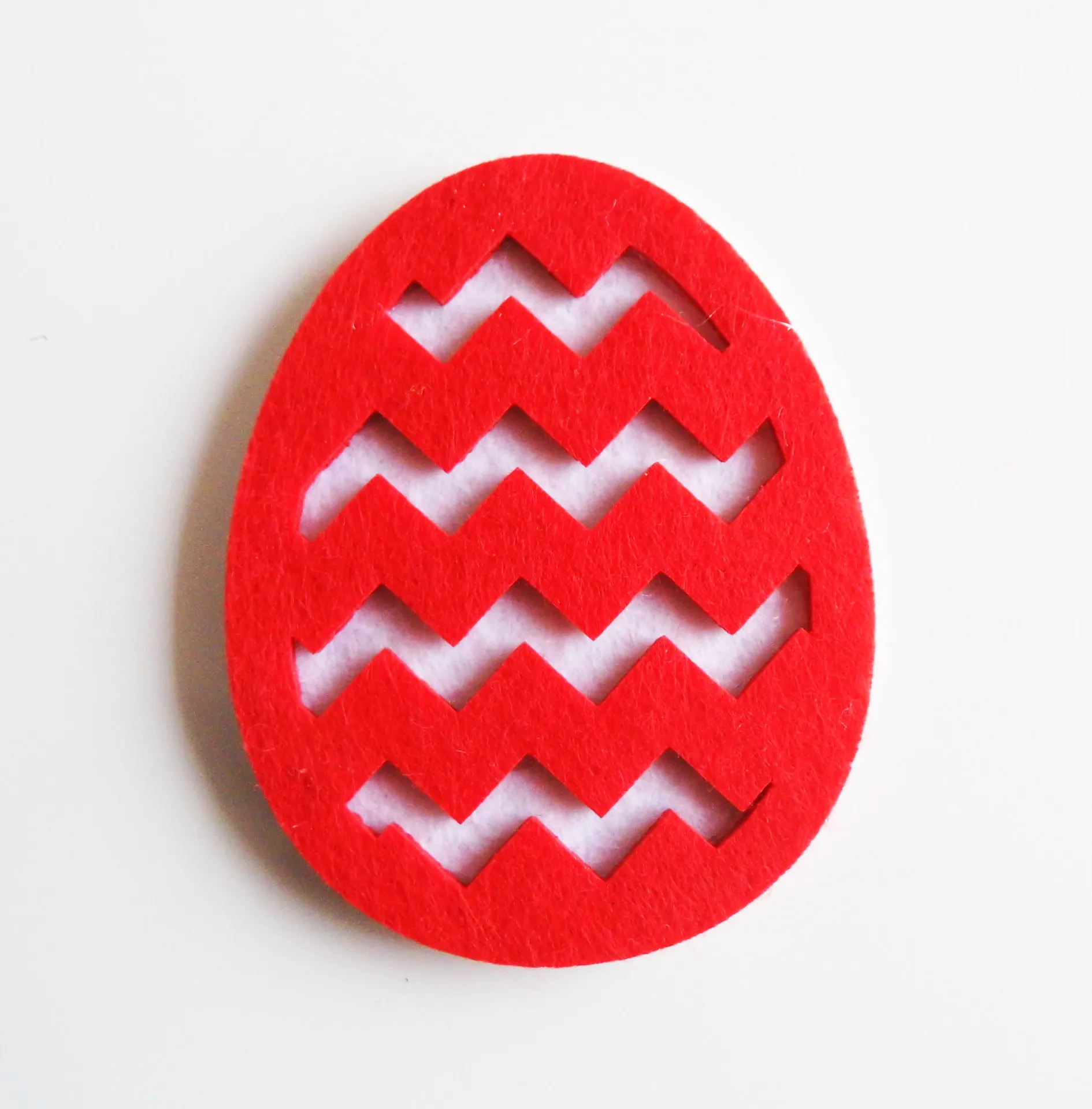
Pink felt paper, a non-woven textile material, is characterized by its composition of compressed fibers, typically wool, rayon, or synthetic blends, dyed a pink hue. Its technical position within the broader materials industry lies as a versatile intermediate product, serving applications across crafts, filtration, insulation, and specialized packaging. Core performance characteristics include compressibility, sound absorption, liquid absorption, and aesthetic appeal. Unlike woven textiles, felt lacks a defined grain and exhibits isotropic properties. This guide details the material science, manufacturing processes, performance parameters, potential failure modes, and maintenance considerations for pink felt paper, alongside relevant industry standards, providing a comprehensive technical overview for procurement managers, engineers, and quality control personnel.
Material Science & Manufacturing
The primary raw material influencing pink felt paper's properties is the fiber composition. Wool felts benefit from natural crimp and scale structure promoting interlocking, leading to high durability and resilience. Rayon, a regenerated cellulose fiber, offers a softer hand and excellent dye uptake for vibrant color. Synthetic fibers, such as polyester and acrylic, impart improved abrasion resistance, dimensional stability, and cost-effectiveness. The pink coloration is achieved through the incorporation of dyes during the wet-felting or needle-felting process.
Manufacturing typically employs one of two primary methods: wet-felting and needle-felting. Wet-felting involves the application of heat, moisture, and mechanical action (agitation) to interlock the fibers. This process requires precise control of temperature (typically 80-100°C), pH, and agitation intensity to achieve desired density and uniformity. Needle-felting utilizes barbed needles to mechanically entangle the fibers, offering faster production rates and greater control over thickness and density. Key parameters during needle-felting include needle density, punching speed, and fabric traverse rate. Calendering, a process involving passing the felt between rollers, can further refine surface finish and achieve specific thickness tolerances. Post-processing often includes trimming and quality inspection for dimensional accuracy and defect detection. Fiber orientation, controlled during manufacturing, impacts tensile strength and anisotropy of the final product. Chemical compatibility of the dyes with the fiber matrix is critical to avoid color bleeding or degradation during use.
Performance & Engineering
The performance of pink felt paper is critically linked to its intended application. In filtration, the pore size distribution and permeability are key parameters, dictating the efficiency of particulate removal. These are directly correlated to fiber diameter and packing density. For sound absorption, the open structure of felt allows sound waves to be dissipated through frictional losses as they travel through the material. Airflow resistance and thickness are primary determinants of sound attenuation coefficient. Mechanical performance is characterized by tensile strength, tear strength, and elongation at break. These properties are influenced by fiber type, fiber orientation, and the degree of interlocking achieved during manufacturing.
Environmental resistance is another critical consideration. Prolonged exposure to UV radiation can cause fiber degradation, leading to discoloration and loss of mechanical properties. Moisture absorption can alter dimensional stability and impact performance in applications requiring precise dimensions. Compliance requirements vary by application; for example, felt used in medical applications must meet biocompatibility standards (ISO 10993). Force analysis reveals that pink felt paper exhibits viscoelastic behavior, meaning its response to stress is time-dependent. This characteristic is important in applications involving dynamic loading or impact. The compressive strength of the felt determines its suitability for cushioning and sealing applications. Thermal insulation performance is governed by the material's thickness and density, affecting its ability to resist heat transfer. The effect of temperature on dye stability should be examined, especially for applications with elevated temperature exposure.
Technical Specifications
| Parameter | Typical Value (Wool Felt) | Typical Value (Rayon Felt) | Typical Value (Synthetic Felt) |
|---|---|---|---|
| Density (g/m²) | 300-800 | 200-500 | 150-300 |
| Thickness (mm) | 1-5 | 0.5-3 | 0.3-2 |
| Tensile Strength (N/cm) | 5-15 | 3-8 | 4-12 |
| Elongation at Break (%) | 20-50 | 30-70 | 15-40 |
| Air Permeability (cm³/cm²/s) | 10-50 | 20-80 | 50-150 |
| Water Absorption (%) | 30-50 | 80-120 | 5-15 |
Failure Mode & Maintenance
Common failure modes for pink felt paper include fiber shedding, delamination, compression set, and degradation due to environmental factors. Fiber shedding occurs due to mechanical abrasion or insufficient fiber interlocking. Delamination, the separation of layers, is often a result of inadequate bonding during manufacturing or exposure to solvents. Compression set, the permanent deformation after prolonged compression, is particularly problematic in cushioning applications. Oxidation, particularly in wool felts, can lead to brittleness and loss of strength. UV degradation causes fading and reduced mechanical properties.
Maintenance recommendations vary based on application. For filtration applications, periodic replacement is crucial to maintain efficiency. In cushioning applications, minimizing sustained compression and protecting from moisture can extend service life. Cleaning can be performed using gentle vacuuming or brushing to remove loose debris. Avoid harsh chemicals or solvents that could damage the fibers or dyes. Regular inspection for signs of wear, delamination, or degradation is essential. Storage should be in a cool, dry environment, away from direct sunlight. If significant degradation is observed, replacement is recommended to ensure continued performance and prevent potential failures.
Industry FAQ
Q: What is the impact of fiber type on the long-term durability of pink felt paper?
A: Fiber type significantly influences durability. Wool felts generally exhibit superior abrasion resistance and resilience compared to rayon or synthetic options. However, wool is susceptible to moth damage and requires appropriate treatment for long-term preservation. Synthetic felts offer excellent resistance to chemical degradation and UV exposure but may lack the natural resilience of wool. Rayon felts are cost-effective but have lower abrasion resistance and strength.
Q: How does manufacturing process (wet-felting vs. needle-felting) affect the pore size distribution and filtration efficiency?
A: Wet-felting generally produces a more uniform fiber distribution and smaller pore sizes compared to needle-felting, resulting in higher filtration efficiency for fine particulates. Needle-felting allows for greater control over thickness and density, making it suitable for applications requiring specific permeability characteristics. The choice depends on the target particle size and desired filtration rate.
Q: What are the common causes of color fading in pink felt paper and how can it be mitigated?
A: Color fading is primarily caused by UV exposure and washing with harsh detergents. Using UV-resistant dyes during manufacturing can significantly reduce fading. Avoiding prolonged exposure to direct sunlight and employing gentle cleaning methods with mild detergents are also crucial for maintaining color vibrancy. Consider incorporating UV stabilizers into the dye formulation.
Q: How does moisture affect the mechanical properties of pink felt paper?
A: Moisture absorption can lead to swelling, reduced tensile strength, and decreased dimensional stability. The degree of impact depends on the fiber type; rayon felts are particularly susceptible to moisture-induced changes. Maintaining a dry environment and considering moisture-resistant coatings can mitigate these effects. Synthetic felts are significantly less affected by moisture.
Q: What are the relevant flammability standards for pink felt paper used in upholstery applications?
A: Flammability standards vary by region and application. In the United States, NFPA 701 (Standard Methods for Fire Tests for Flame-Propagating Characteristics of Textiles and Films) is commonly used. European standards include EN 1021-1 and EN 1021-2 (Ignitability of upholstered furniture). Compliance with these standards often requires the application of flame-retardant treatments.
Conclusion
Pink felt paper represents a versatile material with a broad spectrum of applications stemming from its unique combination of physical and chemical properties. Understanding the nuances of fiber selection, manufacturing processes, and environmental factors is critical for optimizing performance and ensuring long-term reliability. The isotropic nature of felt, coupled with its inherent compressibility and sound-absorbing characteristics, positions it as a valuable component in diverse industries.
Future advancements in felt technology will likely focus on sustainable fiber sourcing, enhanced flame retardancy, and the development of specialized coatings to improve performance characteristics. Continued research into fiber interlocking mechanisms and manufacturing process optimization will further expand the potential applications of pink felt paper, addressing evolving industry needs and promoting environmentally responsible practices.


 English
  Afrikaans
  Albanian
  Amharic
  Arabic
  Armenian
  Azerbaijani
  Basque
  Belarusian
  Bengali
  Bosnian
  Bulgarian
  Catalan
  Cebuano
  Corsican
  Croatian
  Czech
Czech  Danish
  Dutch
Dutch  Esperanto
  Estonian
  Finnish
  French
  Frisian
  Galician
  Georgian
  German
  Greek
Greek  Gujarati
  Haitian Creole
  Hausa
Hausa  Hebrew
  Hindi
Hindi  Miao
Miao  Hungarian
  Icelandic
  Igbo
Igbo  Indonesian
  Irish
Irish  Italian
  Japanese
  Javanese
  Kazakh
  Khmer
Khmer  Rwandese
  Korean
  Kurdish
  Kyrgyz
  Lao
Lao  Latin
Latin  Latvian
  Lithuanian
  Luxembourgish
  Macedonian
  Malgashi
  Malay
Malay  Malayalam
  Maltese
  Maori
Maori  Marathi
  Mongolian
  Myanmar
  Nepali
  Norwegian
  Norwegian
  Occitan
  Pashto
  Persian
  Polish
  Portuguese
  Romanian
  Russian
  Samoan
  Scottish Gaelic
  Serbian
  Sesotho
  Shona
Shona  Sindhi
  Sinhala
  Slovak
  Slovenian
  Somali
  Spanish
  Sundanese
  Swahili
  Swedish
  Tajik
Tajik  Tamil
Tamil  Tatar
Tatar  Telugu
  Thai
Thai  Turkish
  Turkmen
  Ukrainian
  Urdu
Urdu  Uighur
  Uzbek
Uzbek  Vietnamese
  Welsh
Welsh  Bantu
Bantu  Yiddish
  Yoruba
  Zulu
Zulu