
Apr . 01, 2024 17:55 Back to list
purple felt Performance Analysis
Introduction
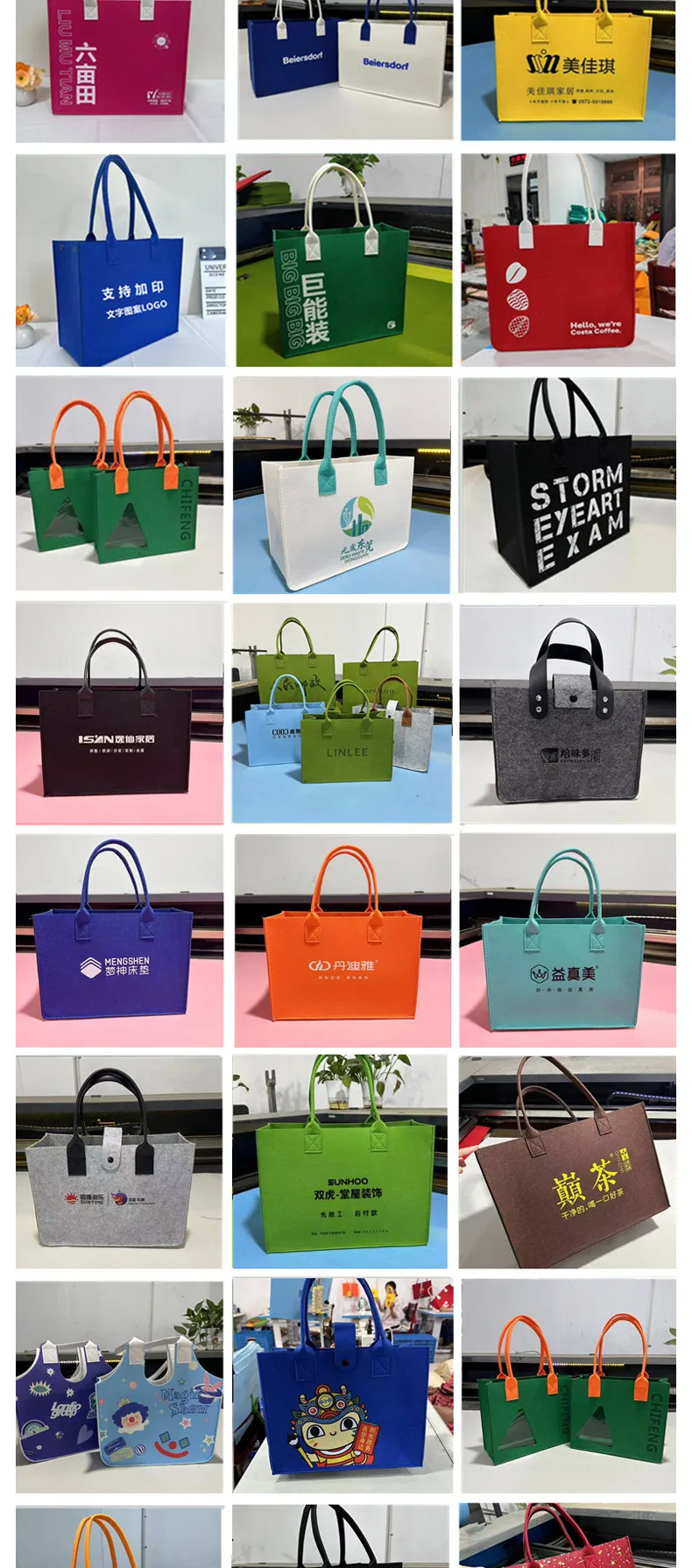
Purple felt is a non-woven textile material constructed by matting, condensing and pressing fibers. Primarily composed of textile fibers – commonly wool, acrylic, polyester, or rayon – it distinguishes itself through the absence of a traditional woven or knitted structure. In the broader industrial landscape, purple felt occupies a niche between commodity textiles and engineered fabrics, finding applications across filtration, insulation, cushioning, and craft industries. Its color, derived from dyes integrated during the manufacturing process, is less a functional characteristic and more an aesthetic or branding element. Core performance characteristics include density, thickness, tensile strength, and compressional resilience, all significantly impacting its suitability for specific applications. A key challenge within the felt industry is consistent quality control, specifically ensuring uniform fiber distribution and dye penetration to prevent localized weaknesses or color variations.
Material Science & Manufacturing
The foundational material of purple felt dictates its properties. Wool felt, traditionally esteemed, benefits from natural crimp and interlocking scales in the fiber, enabling robust bonding during felting. Acrylic felts offer vibrant colorfastness and resistance to weathering, albeit with lower inherent strength than wool. Polyester felts are recognized for their durability, dimensional stability, and affordability, often used in industrial filtration. Rayon felts, while providing a softer hand, exhibit lower strength and are sensitive to moisture. The manufacturing process typically involves carding, where fibers are aligned into a web; then, felting – a process utilizing mechanical entanglement with or without chemical binders. Wet felting employs moisture, heat, and agitation to induce fiber interlocking. Dry felting uses needles with barbs to mechanically tangle the fibers. Needle punching is the dominant method for large-scale industrial production, allowing for precise control of density and thickness. Key parameters include needle density (needles per square inch), stroke length, and material feed rate. Dyeing is often performed before felting to ensure even color distribution; however, post-felting dyeing techniques exist. Chemical compatibility of dyes with the fiber type is critical to avoid degradation or color bleeding. Maintaining consistent fiber length and fineness is paramount for achieving uniform felt properties.
Performance & Engineering
The performance of purple felt is intrinsically linked to its intended application. In filtration, permeability and fiber diameter are critical, dictating particle capture efficiency. Higher densities provide finer filtration but reduce flow rate, necessitating a careful balance. For insulation, thermal conductivity and air permeability are key – a denser felt generally exhibits better thermal insulation. In cushioning applications, compressive strength and recovery properties are paramount, resisting permanent deformation under load. Engineering considerations involve stress-strain analysis to predict deformation under specific loads. Environmental resistance is crucial; prolonged exposure to UV radiation can degrade acrylic and polyester felts, reducing tensile strength. Chemical resistance varies with fiber type. Wool is vulnerable to alkaline attack, while polyester is relatively inert to most chemicals. Flammability is a significant safety concern; untreated wool felts are inherently flammable, requiring flame retardant treatments for many applications. Compliance with standards such as FAR 25.853 (aircraft interior materials) may be necessary depending on the end-use. Moisture absorption also plays a role; wool felts are highly absorbent, potentially impacting dimensional stability and increasing weight. Testing protocols often involve tensile testing (ASTM D751), compression testing (ASTM D3763), and permeability testing (ASTM D737).
Technical Specifications
| Property | Wool Felt (Purple Dyed) | Acrylic Felt (Purple Dyed) | Polyester Felt (Purple Dyed) | Units |
|---|---|---|---|---|
| Density | 0.2 - 0.8 | 0.15 - 0.5 | 0.3 - 0.9 | g/cm³ |
| Thickness | 1 - 10 | 0.5 - 5 | 1 - 8 | mm |
| Tensile Strength (Longitudinal) | 20 - 80 | 15 - 60 | 40 - 120 | N/50mm |
| Tensile Strength (Transverse) | 15 - 60 | 10 - 40 | 30 - 100 | N/50mm |
| Elongation at Break | 20 - 50 | 30 - 70 | 10 - 30 | % |
| Water Absorption | 30 - 50 | 5 - 15 | 1 - 5 | % |
Failure Mode & Maintenance
Purple felt is susceptible to several failure modes depending on its composition and environment. Fatigue cracking can occur under cyclical loading, particularly in wool felts due to fiber degradation. Delamination, the separation of felt layers, is common in lower-density materials subjected to shear stress. Degradation from UV exposure causes embrittlement and color fading, most pronounced in acrylic and polyester felts. Oxidation, particularly in wool, leads to fiber weakening and discoloration. Chemical attack, depending on the specific chemicals, can dissolve fibers or alter their properties. Abrasion leads to fiber loss and thinning, impacting functionality. Maintenance primarily focuses on preventative measures. Regular cleaning, using gentle detergents and avoiding harsh chemicals, extends lifespan. Storage in a dry, dark environment minimizes UV degradation and moisture absorption. For applications involving mechanical stress, periodic inspection for signs of fatigue cracking or delamination is crucial. If localized damage occurs, patching with compatible felt material can provide a temporary repair, though complete replacement is often necessary for critical applications. The use of protective coatings can enhance resistance to abrasion and chemical attack, depending on the specific environment.
Industry FAQ
Q: What is the primary difference between wool felt and polyester felt in terms of shrinkage?
A: Wool felt exhibits significantly higher shrinkage compared to polyester felt when exposed to moisture and heat. This is due to the natural crimp of wool fibers, which allows them to compact more readily. Polyester, being a synthetic fiber, has much greater dimensional stability and resists shrinking to a much greater degree. Pre-shrinking wool felt is a common practice, but some residual shrinkage can still occur.
Q: How does the dyeing process affect the durability of purple felt?
A: The dyeing process can impact durability if the dye isn't properly fixed or if incompatible dyes are used. Poorly fixed dyes can bleed, leading to color fading and staining. Certain dyes can also weaken the fibers, particularly in wool felts. High-quality dyes with good lightfastness and washfastness are crucial for maintaining color and structural integrity.
Q: What are the common methods for assessing the quality of felt intended for filtration applications?
A: Key assessments include particle retention testing (measuring the efficiency of capturing particles of different sizes), permeability testing (measuring the flow rate of fluid through the felt), and bubble point testing (determining the maximum pressure the felt can withstand before allowing fluid to pass). Microscopic examination is used to assess fiber distribution and density.
Q: Can purple felt be recycled, and if so, what are the limitations?
A: Recycling felt is challenging due to the entangled fiber structure. While technically possible, it often requires breaking down the felt into individual fibers, which can be energy-intensive and degrade fiber quality. Wool felt can be recycled back into wool fibers, but acrylic and polyester felts typically have limited recycling options. Downcycling into lower-grade materials is more common.
Q: What are the considerations when selecting purple felt for outdoor applications?
A: For outdoor applications, UV resistance is paramount. Acrylic and polyester felts generally perform better than wool in this regard. Consider using UV-stabilized grades of these materials. Water resistance is also important; applying a water-repellent treatment can help prevent moisture absorption and degradation. Dimensional stability and resistance to temperature fluctuations should also be evaluated.
Conclusion
Purple felt, while seemingly simple, embodies a complex interplay of material science, manufacturing processes, and engineering considerations. Its performance characteristics are heavily dependent on the fiber composition, manufacturing technique, and intended application. Understanding these nuances is critical for selecting the appropriate felt for a given task, maximizing its lifespan and ensuring optimal performance. A significant ongoing challenge within the industry involves balancing cost-effectiveness with durability and environmental sustainability.
Future development in purple felt technology will likely focus on enhancing UV resistance, improving recyclability, and exploring bio-based fiber alternatives. The demand for specialized felts with tailored properties – such as enhanced filtration efficiency or improved thermal insulation – is expected to drive innovation. Continued refinement of manufacturing processes will also be essential for achieving greater consistency and reducing production costs, solidifying purple felt’s position as a versatile and valuable material across diverse industries.


 English
  Afrikaans
  Albanian
  Amharic
  Arabic
  Armenian
  Azerbaijani
  Basque
  Belarusian
  Bengali
  Bosnian
  Bulgarian
  Catalan
  Cebuano
  Corsican
  Croatian
  Czech
Czech  Danish
  Dutch
Dutch  Esperanto
  Estonian
  Finnish
  French
  Frisian
  Galician
  Georgian
  German
  Greek
Greek  Gujarati
  Haitian Creole
  Hausa
Hausa  Hebrew
  Hindi
Hindi  Miao
Miao  Hungarian
  Icelandic
  Igbo
Igbo  Indonesian
  Irish
Irish  Italian
  Japanese
  Javanese
  Kazakh
  Khmer
Khmer  Rwandese
  Korean
  Kurdish
  Kyrgyz
  Lao
Lao  Latin
Latin  Latvian
  Lithuanian
  Luxembourgish
  Macedonian
  Malgashi
  Malay
Malay  Malayalam
  Maltese
  Maori
Maori  Marathi
  Mongolian
  Myanmar
  Nepali
  Norwegian
  Norwegian
  Occitan
  Pashto
  Persian
  Polish
  Portuguese
  Romanian
  Russian
  Samoan
  Scottish Gaelic
  Serbian
  Sesotho
  Shona
Shona  Sindhi
  Sinhala
  Slovak
  Slovenian
  Somali
  Spanish
  Sundanese
  Swahili
  Swedish
  Tajik
Tajik  Tamil
Tamil  Tatar
Tatar  Telugu
  Thai
Thai  Turkish
  Turkmen
  Ukrainian
  Urdu
Urdu  Uighur
  Uzbek
Uzbek  Vietnamese
  Welsh
Welsh  Bantu
Bantu  Yiddish
  Yoruba
  Zulu
Zulu