Apr . 01, 2024 17:55 Back to list
Skin color felt Performance Analysis

Introduction
Skin color felt, typically constructed from non-woven polypropylene fabrics, represents a cost-effective and versatile material utilized extensively across diverse industrial applications. It occupies a specific niche within the broader textile and filtration industries, acting as a functional component in protective apparel, automotive interiors, packaging, and increasingly, in specialized industrial filtration systems. The core performance characteristics revolve around its density, porosity, and ability to be easily die-cut, molded, or laminated. This guide will comprehensively detail the material science, manufacturing processes, performance parameters, potential failure modes, and relevant industry standards associated with skin color felt, addressing critical considerations for procurement managers and engineers in demanding B2B applications.
Material Science & Manufacturing
The primary raw material for skin color felt is polypropylene (PP) resin. PP is a thermoplastic polymer known for its relatively low cost, chemical resistance, and good tensile strength. However, virgin PP exhibits limited UV stability and can be prone to degradation with prolonged exposure. Therefore, many skin color felt formulations incorporate UV stabilizers and antioxidants during the compounding stage. The color is achieved through the addition of pigment concentrates during the extrusion process. Manufacturing typically begins with PP pellet melting and extrusion into filaments. These filaments are then laid down in a random, web-like structure, often utilizing a carding process. This web is subsequently needled or thermally bonded to create the felt structure. Needling involves mechanically interlocking the fibers using barbed needles, while thermal bonding utilizes heat to partially melt the fibers at intersecting points, creating a cohesive bond. Parameter control during thermal bonding is critical; excessive heat can lead to fiber damage and reduced strength, while insufficient heat results in inadequate bonding and a weak felt. Density (measured in g/m²) is controlled by adjusting the web formation parameters and the degree of compaction during needling or thermal bonding. The consistent distribution of pigment throughout the matrix is paramount for color uniformity, requiring precise metering of the color concentrate during extrusion.
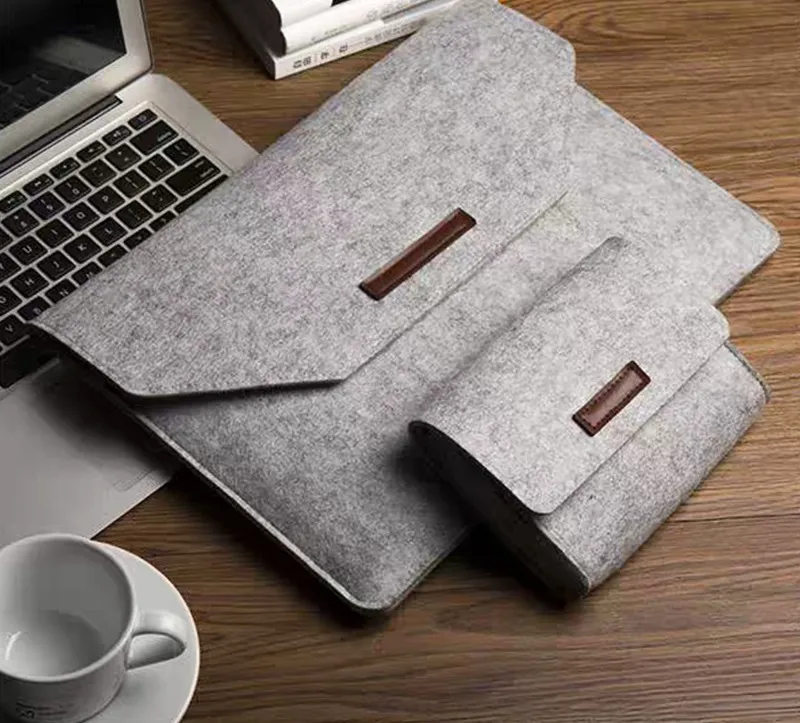
Performance & Engineering
The performance of skin color felt is heavily dependent on its intended application. In filtration, the key performance indicator is particle retention efficiency, dictated by the pore size distribution and fiber diameter. Smaller pore sizes offer higher retention but also increase pressure drop. Air permeability, measured in CFM (cubic feet per minute), is a critical parameter in applications such as automotive cabin air filters. Mechanical properties, including tensile strength and elongation at break, are vital for applications involving mechanical stress, such as sound dampening or cushioning. For automotive interior applications, resistance to fading and degradation from UV exposure is crucial. Force analysis in these applications often involves assessing the compression set – the permanent deformation remaining after the felt has been subjected to compressive load. Environmental resistance is also key; the material must withstand temperature fluctuations and exposure to common automotive fluids (oils, coolants, brake fluid) without significant degradation. Compliance requirements vary depending on the application. For automotive use, materials must often meet stringent flammability standards (e.g., FMVSS 302) and VOC (Volatile Organic Compound) emission limits.
Technical Specifications
| Parameter | Typical Value (Range) | Test Method | Units |
|---|---|---|---|
| Density | 80 – 300 | ASTM D3801 | g/m² |
| Tensile Strength (MD) | 10 – 40 | ASTM D5522 | N/50mm |
| Tensile Strength (CD) | 8 – 30 | ASTM D5522 | N/50mm |
| Elongation at Break (MD) | 150 – 400 | ASTM D5522 | % |
| Elongation at Break (CD) | 200 – 500 | ASTM D5522 | % |
| Air Permeability | 20 – 200 | ASTM D737 | CFM |
Failure Mode & Maintenance
Skin color felt is susceptible to several failure modes depending on the application and environmental conditions. Fatigue cracking can occur under cyclic loading, particularly in applications involving vibration or repeated compression. Degradation from UV exposure leads to embrittlement and loss of tensile strength, manifested as discoloration and eventual tearing. Chemical attack from solvents or corrosive fluids can cause swelling, dissolution, or weakening of the felt structure. Delamination can occur in laminated structures if the adhesive bond fails. Oxidation, particularly at elevated temperatures, can lead to chain scission and reduced mechanical properties. Maintenance typically involves visual inspection for signs of degradation, such as discoloration, tearing, or loss of shape. In filtration applications, regular replacement is essential to maintain optimal performance and prevent pressure drop buildup. Preventative measures include selecting UV-stabilized grades for outdoor applications, using chemically resistant adhesives for lamination, and avoiding exposure to harsh chemicals. Proper storage in a cool, dry environment also minimizes degradation.
Industry FAQ
Q: What is the impact of polypropylene grade on the long-term durability of skin color felt in automotive cabin air filter applications?
A: The grade of polypropylene significantly impacts durability. Homopolymers offer good stiffness but lower impact resistance, making them prone to cracking in cold temperatures. Copolymers exhibit improved impact resistance and flexibility, better suited for automotive applications with fluctuating temperatures. The inclusion of UV stabilizers is paramount; without sufficient stabilization, the felt will become brittle and lose its filtration efficiency within a relatively short timeframe (6-12 months).
Q: How does the thermal bonding process affect the air permeability and filtration efficiency of the felt?
A: The intensity of thermal bonding directly correlates with air permeability. Higher bonding intensity creates a denser structure, reducing air permeability but potentially increasing pressure drop. However, excessive bonding can also cause fiber damage, decreasing the overall filtration efficiency. Optimizing the bonding parameters—temperature, pressure, and dwell time—is crucial to achieve the desired balance between air permeability and filtration performance.
Q: What chemical resistance testing is recommended for skin color felt used in industrial fluid filtration?
A: Immersion testing according to ASTM D543 is recommended. Samples should be immersed in the target industrial fluids for a specified period (e.g., 72 hours, 7 days) at a controlled temperature. Following immersion, assess changes in weight, dimensions, tensile strength, and visual appearance to determine the compatibility of the felt with the fluid.
Q: Can skin color felt be recycled, and what are the challenges associated with recycling this material?
A: While technically recyclable, the recycling of skin color felt faces challenges. Contamination from the filtration process (e.g., absorbed oils, particulates) can reduce the quality of the recycled material. The presence of pigments also complicates the recycling process. Mechanical recycling is more common, but the resulting material may exhibit reduced mechanical properties compared to virgin PP. Chemical recycling offers a potential solution, but it is currently more expensive and less widely available.
Q: What is the typical service life expectancy of skin color felt used in HVAC air filtration systems, and what factors influence this lifespan?
A: The service life typically ranges from 3 to 6 months, heavily influenced by dust loading, air velocity, and filter efficiency. Higher dust loading and air velocity will shorten the lifespan. Filters used in environments with high concentrations of airborne particulates (e.g., industrial facilities) require more frequent replacement. Regular monitoring of pressure drop across the filter provides a reliable indication of when replacement is necessary.
Conclusion
Skin color felt represents a pragmatic material choice for a wide array of industrial applications due to its cost-effectiveness, versatility, and ease of processing. Understanding the fundamental material science of polypropylene and the nuances of manufacturing processes—particularly thermal bonding—is critical for optimizing performance characteristics such as density, air permeability, and tensile strength. Careful consideration must be given to potential failure modes, including UV degradation and chemical attack, and appropriate preventative measures implemented to ensure longevity and reliability.
Future development in skin color felt technology is likely to focus on enhancing its sustainability through improved recycling methods and the incorporation of bio-based polypropylene alternatives. Further research into nanofiber incorporation could also yield felt materials with significantly improved filtration efficiency and mechanical properties, expanding their applicability in more demanding industrial sectors. Selecting the appropriate grade of polypropylene and optimizing manufacturing parameters remain paramount for achieving desired performance and ensuring long-term application success.


 English
  Afrikaans
  Albanian
  Amharic
  Arabic
  Armenian
  Azerbaijani
  Basque
  Belarusian
  Bengali
  Bosnian
  Bulgarian
  Catalan
  Cebuano
  Corsican
  Croatian
  Czech
Czech  Danish
  Dutch
Dutch  Esperanto
  Estonian
  Finnish
  French
  Frisian
  Galician
  Georgian
  German
  Greek
Greek  Gujarati
  Haitian Creole
  Hausa
Hausa  Hebrew
  Hindi
Hindi  Miao
Miao  Hungarian
  Icelandic
  Igbo
Igbo  Indonesian
  Irish
Irish  Italian
  Japanese
  Javanese
  Kazakh
  Khmer
Khmer  Rwandese
  Korean
  Kurdish
  Kyrgyz
  Lao
Lao  Latin
Latin  Latvian
  Lithuanian
  Luxembourgish
  Macedonian
  Malgashi
  Malay
Malay  Malayalam
  Maltese
  Maori
Maori  Marathi
  Mongolian
  Myanmar
  Nepali
  Norwegian
  Norwegian
  Occitan
  Pashto
  Persian
  Polish
  Portuguese
  Romanian
  Russian
  Samoan
  Scottish Gaelic
  Serbian
  Sesotho
  Shona
Shona  Sindhi
  Sinhala
  Slovak
  Slovenian
  Somali
  Spanish
  Sundanese
  Swahili
  Swedish
  Tajik
Tajik  Tamil
Tamil  Tatar
Tatar  Telugu
  Thai
Thai  Turkish
  Turkmen
  Ukrainian
  Urdu
Urdu  Uighur
  Uzbek
Uzbek  Vietnamese
  Welsh
Welsh  Bantu
Bantu  Yiddish
  Yoruba
  Zulu
Zulu