Apr . 01, 2024 17:55 Back to list
Wheel Felt Performance Analysis
Introduction
Wheel felt is a non-woven abrasive material utilized primarily in metal finishing operations, specifically for deburring, polishing, and surface conditioning of ferrous and non-ferrous metals. It occupies a critical position in the manufacturing chain, acting as a bridge between aggressive grinding and final polishing stages. Unlike bonded abrasives, wheel felt relies on the inherent properties of the felt fiber matrix to support abrasive particles, offering a more conformable and controlled finishing action. Core performance characteristics include consistent abrasive cut, minimal workpiece loading, and a capability to reach complex geometries. The growing demand for high-surface-finish components in industries like automotive, aerospace, and medical device manufacturing drives continued innovation in wheel felt compositions and manufacturing techniques. A primary industry pain point is maintaining consistent abrasive distribution within the felt matrix, which directly impacts process repeatability and finished part quality. Another is minimizing fiber shedding during operation to prevent contamination and maintain workplace safety.
Material Science & Manufacturing
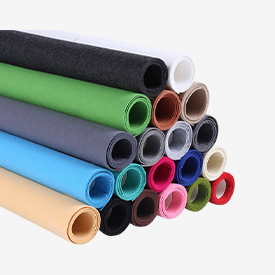
Wheel felt is predominantly composed of wool fibers, typically derived from sheep. The quality of the wool, specifically fiber diameter, crimp, and length, significantly affects the felt’s density, resilience, and abrasive retention. Synthetic fibers like rayon and polypropylene are often blended with wool to enhance durability, reduce cost, and modify performance characteristics. The abrasive grains embedded within the felt matrix are commonly aluminum oxide, silicon carbide, ceramic alumina, and garnet, selected based on the material being finished and the desired level of aggression. Manufacturing begins with carding the wool and synthetic fibers to align them into a web. This web undergoes a needling process, utilizing barbed needles to interlock the fibers and create a dense, cohesive structure. Density control, achieved through needle density and punching patterns, is paramount. Subsequently, the abrasive grains are impregnated into the felt matrix, often using a vacuum impregnation technique to ensure uniform distribution. Parameter control is critical throughout: fiber blend ratio, wool quality (measured by micron count), needle gauge and density, impregnation vacuum level, and abrasive grain size distribution all impact the final product performance. Chemical compatibility with coolants is also considered, as some coolants can degrade the felt fibers or promote abrasive shedding. Failure to tightly control these parameters results in inconsistent cut rates, uneven finishes, and premature wheel wear.
Performance & Engineering
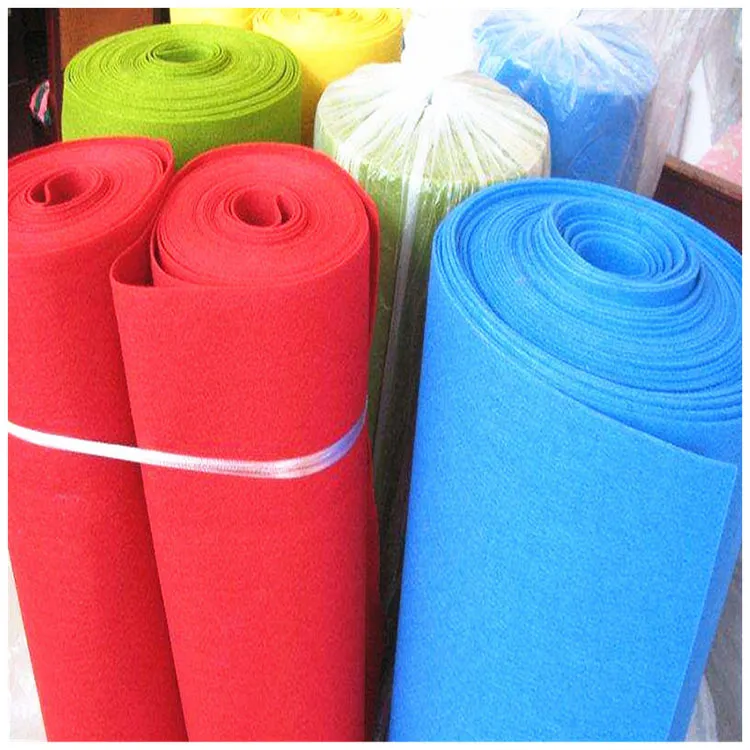
The performance of wheel felt is intimately linked to its mechanical properties and its interaction with the workpiece. Force analysis reveals that the cutting action relies on a combination of abrasive micro-chipping and plowing. The conformability of the felt allows it to adapt to complex geometries, distributing cutting forces evenly across the surface. Environmental resistance is a crucial factor, particularly concerning humidity. Excessive moisture can cause wool fibers to swell, altering the felt's density and abrasive retention. Conversely, prolonged exposure to low humidity can lead to fiber brittleness and increased shedding. Compliance requirements vary by industry. For example, aerospace applications necessitate stringent control of fiber shedding to prevent foreign object debris (FOD). Medical device finishing requires materials certified to biocompatibility standards. Functional implementation involves selecting the appropriate felt grade (density, abrasive grit, fiber composition) based on the workpiece material, desired surface finish, and manufacturing process. Calculating the required wheel speed and feed rate based on material removal rate (MRR) and surface roughness (Ra) targets is crucial for optimizing process efficiency. A key engineering challenge is minimizing heat generation during operation, as excessive heat can degrade both the workpiece and the felt wheel. Effective coolant application and optimized process parameters are essential for mitigating this risk.
Technical Specifications
| Felt Density (lbs/ft³) | Abrasive Grain | Grit Size (ANSI) | Maximum Operating Speed (RPM) |
|---|---|---|---|
| 8-12 | Aluminum Oxide | 60 | 3000 |
| 10-14 | Silicon Carbide | 80 | 2800 |
| 12-16 | Ceramic Alumina | 120 | 2500 |
| 6-10 | Garnet | 180 | 2200 |
| 14-18 | Aluminum Oxide | 220 | 3200 |
| 8-12 | Silicon Carbide | 320 | 2600 |
Failure Mode & Maintenance
Wheel felt failure manifests in several ways. Fatigue cracking of the felt matrix, particularly around the wheel center, is common due to centrifugal forces and repetitive stress. Delamination, or separation of the felt layers, occurs when the needle interlocking is compromised, often exacerbated by excessive moisture or coolant contamination. Abrasive shedding is a critical failure mode, leading to reduced cutting efficiency and potential workpiece contamination. Oxidation of the wool fibers, especially at elevated temperatures, causes fiber embrittlement and loss of resilience. Loading, where workpiece debris clogs the felt matrix, diminishes cutting performance and contributes to heat buildup. Maintenance involves regular dressing of the wheel to expose fresh abrasive grains and remove loaded material. Compressed air cleaning is essential to remove debris between dressing operations. Inspection for fiber shedding and cracking should be performed routinely. Proper storage in a dry, temperature-controlled environment is crucial to prevent fiber degradation. If significant delamination or cracking is observed, the wheel should be replaced immediately. Preventative maintenance schedules based on operating hours and workpiece material can significantly extend wheel life and ensure consistent performance. Correct wheel mounting and balancing are also critical to minimize vibration and prevent premature failure.
Industry FAQ
Q: What is the impact of coolant type on wheel felt performance?
A: Coolant pH and chemical composition can significantly affect felt life. Highly alkaline coolants can dissolve the lanolin in wool fibers, leading to premature degradation. Certain coolants may also react with abrasive grains, reducing their cutting efficiency. Water-based coolants require careful monitoring to prevent excessive moisture absorption by the felt. It’s crucial to select a coolant compatible with both the workpiece material and the wheel felt composition.
Q: How does abrasive grain size affect surface finish?
A: Generally, smaller abrasive grain sizes produce finer surface finishes. However, the optimal grain size depends on the workpiece material and the initial surface roughness. A coarser grit is typically used for initial stock removal, followed by progressively finer grits for polishing. Selecting the correct grit sequence is crucial for achieving the desired Ra value.
Q: What is the recommended dressing frequency for wheel felt?
A: Dressing frequency depends on the workpiece material, cutting pressure, and coolant usage. As a general guideline, dress the wheel when you notice a decrease in cutting efficiency or an increase in surface roughness. Visual inspection for loaded abrasive grains is also a good indicator. A conservative approach is to dress the wheel every 8-12 hours of operation.
Q: How can I minimize fiber shedding during operation?
A: Ensure proper wheel mounting and balancing to reduce vibration. Optimize cutting parameters (speed, feed rate, pressure) to avoid excessive heat generation. Use a coolant system that effectively removes debris and minimizes fiber swelling. Regularly inspect the wheel for damage and replace it if necessary. Consider using felt wheels with a higher synthetic fiber content for reduced shedding.
Q: What are the advantages of ceramic alumina abrasive in wheel felt compared to aluminum oxide?
A: Ceramic alumina abrasive offers significantly higher hardness and wear resistance than aluminum oxide. This translates to longer wheel life, faster cutting rates, and improved surface finish, particularly when working with harder materials like stainless steel and titanium alloys. However, ceramic alumina is typically more expensive than aluminum oxide.
Conclusion
Wheel felt remains a versatile and cost-effective abrasive solution for a wide range of metal finishing applications. Its unique conformability and controlled cutting action make it ideal for achieving high-quality surface finishes on complex geometries. Understanding the interplay between material science, manufacturing processes, and operating parameters is crucial for maximizing performance and minimizing failure rates. Careful selection of fiber composition, abrasive grain, and density, coupled with diligent maintenance practices, are key to optimizing wheel life and ensuring consistent results.
Future advancements in wheel felt technology will likely focus on developing more durable and environmentally friendly fiber blends, enhancing abrasive grain retention, and improving methods for monitoring wheel wear. Integration with automated finishing systems and real-time process control will also play a significant role in optimizing wheel felt performance and reducing manufacturing costs. Continued research into the effects of different coolants and workpiece materials will further refine best practices for this enduring abrasive technology.


 English
  Afrikaans
  Albanian
  Amharic
  Arabic
  Armenian
  Azerbaijani
  Basque
  Belarusian
  Bengali
  Bosnian
  Bulgarian
  Catalan
  Cebuano
  Corsican
  Croatian
  Czech
Czech  Danish
  Dutch
Dutch  Esperanto
  Estonian
  Finnish
  French
  Frisian
  Galician
  Georgian
  German
  Greek
Greek  Gujarati
  Haitian Creole
  Hausa
Hausa  Hebrew
  Hindi
Hindi  Miao
Miao  Hungarian
  Icelandic
  Igbo
Igbo  Indonesian
  Irish
Irish  Italian
  Japanese
  Javanese
  Kazakh
  Khmer
Khmer  Rwandese
  Korean
  Kurdish
  Kyrgyz
  Lao
Lao  Latin
Latin  Latvian
  Lithuanian
  Luxembourgish
  Macedonian
  Malgashi
  Malay
Malay  Malayalam
  Maltese
  Maori
Maori  Marathi
  Mongolian
  Myanmar
  Nepali
  Norwegian
  Norwegian
  Occitan
  Pashto
  Persian
  Polish
  Portuguese
  Romanian
  Russian
  Samoan
  Scottish Gaelic
  Serbian
  Sesotho
  Shona
Shona  Sindhi
  Sinhala
  Slovak
  Slovenian
  Somali
  Spanish
  Sundanese
  Swahili
  Swedish
  Tajik
Tajik  Tamil
Tamil  Tatar
Tatar  Telugu
  Thai
Thai  Turkish
  Turkmen
  Ukrainian
  Urdu
Urdu  Uighur
  Uzbek
Uzbek  Vietnamese
  Welsh
Welsh  Bantu
Bantu  Yiddish
  Yoruba
  Zulu
Zulu