
Apr . 01, 2024 17:55 Back to list
wholesale wool felt Performance Analysis
Introduction
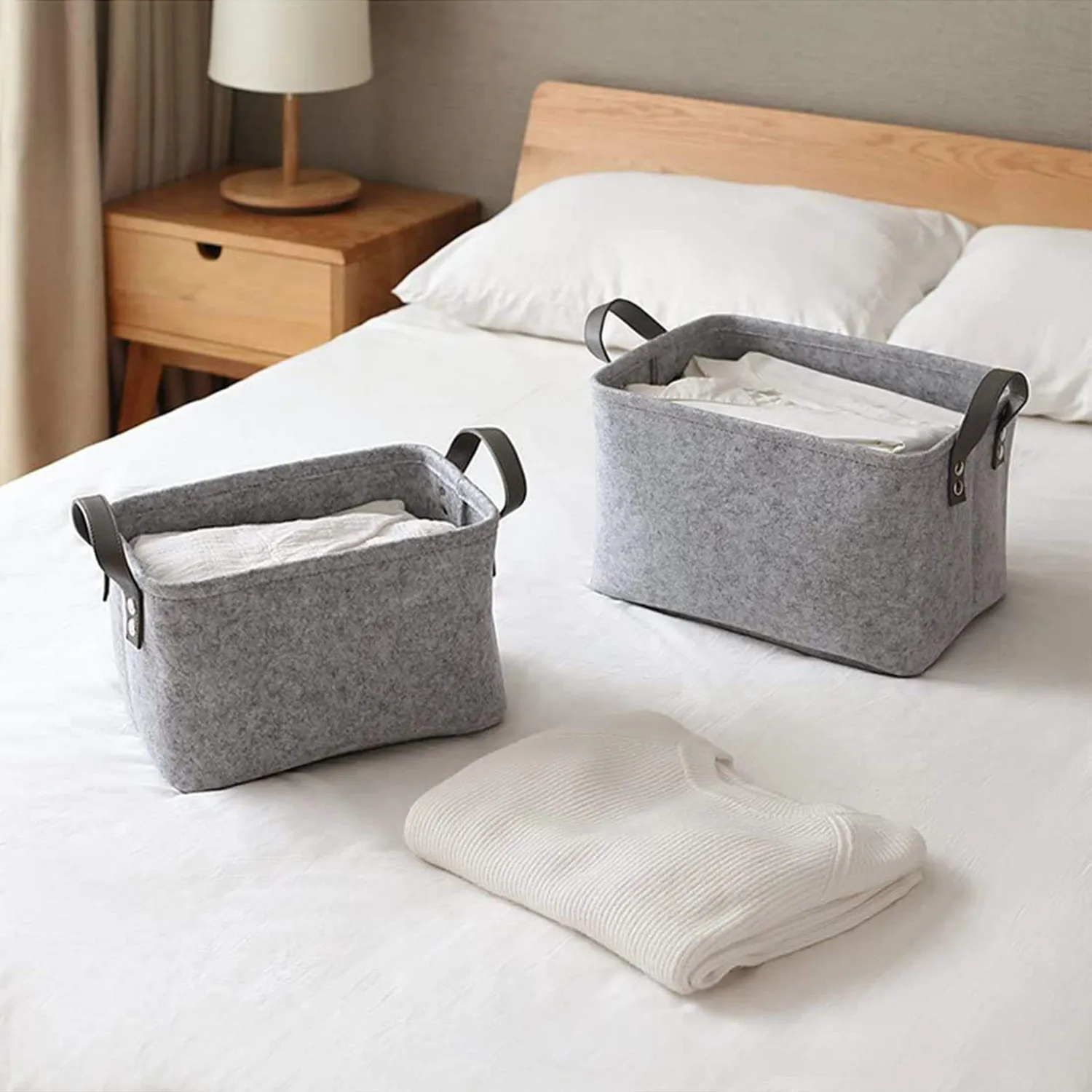
Wholesale wool felt is a non-woven textile produced by matting, condensing and pressing natural wool fibers. Unlike woven fabrics, felt is created through the interlocking of fibers, resulting in a material with unique properties. Within the broader textile industry, wool felt occupies a niche as a versatile material employed across diverse applications – from industrial filtration and soundproofing to craft materials and protective padding. Its position in the value chain ranges from raw fiber sourcing (sheep shearing and wool processing) to finished product manufacturing. Core performance characteristics defining wholesale wool felt include its density, thickness, compressibility, thermal and acoustic insulation capabilities, and inherent resistance to static electricity. A key industry pain point centers around ensuring consistent fiber quality and minimizing variations in felt density, directly impacting performance in critical applications. Another challenge lies in sustainable sourcing and traceability of the wool to meet increasing consumer and regulatory demands.
Material Science & Manufacturing
The primary raw material for wool felt is, naturally, wool. The physical properties of wool fibers – specifically their crimp, scale structure, and diameter – are fundamental to felt formation. Crimp allows fibers to interlock, the scales facilitate tangling during processing, and finer diameters result in a denser, softer felt. Wool’s chemical composition, primarily keratin, provides resilience and natural lanolin content contributes to water repellency. The manufacturing process begins with raw wool scouring to remove grease, dirt, and impurities. Following scouring, the wool is carded – a process that disentangles and aligns the fibers into a web. This web is then subjected to a felting process, involving moisture, heat, and mechanical action (needling or vibration). Needling mechanically interlocks the fibers, while wet felting relies on the scales on the wool fibers to bind together as they are agitated and compressed. Key parameters in wet felting include water temperature (typically 80-90°C), pH (controlled to optimize fiber scale interaction), and agitation intensity. Density control is achieved through varying the applied pressure and felting time. Further processing can involve dyeing, calendaring (to adjust thickness and smoothness), and surface treatments for specific properties like fire retardancy.
Performance & Engineering
The performance of wool felt is directly related to its density, fiber composition, and manufacturing process. From an engineering perspective, understanding the material’s compression behavior is crucial for applications like sealing and cushioning. Wool felt exhibits viscoelastic properties, meaning its response to stress is time-dependent. Force analysis involves determining the load-deflection curve, which characterizes the material’s stiffness and energy absorption capacity. Environmental resistance is a critical consideration. Wool felt is naturally water-repellent due to lanolin but is susceptible to degradation from prolonged UV exposure, which can weaken the fibers. Moisture vapor transmission rate (MVTR) is relevant for applications where breathability is important. Wool felt's thermal insulation performance is directly linked to its fiber density and thickness; air trapped within the felt structure provides the insulating barrier. Compliance requirements vary based on the intended application. For example, in automotive applications, wool felt must meet flammability standards (e.g., FMVSS 302) and outgassing specifications (VOC emissions). In filtration, it must meet efficiency ratings and pressure drop requirements. The inherent flexibility of wool felt also dictates design considerations, particularly in applications involving complex shapes or dynamic movement.
Technical Specifications
| Density (kg/m³) | Thickness (mm) | Tensile Strength (N/cm²) | Water Absorption (%) |
|---|---|---|---|
| 0.2 - 0.8 | 1 - 10 | 0.5 - 2.0 | 15 - 30 |
| 0.5 - 1.2 | 3 - 15 | 1.0 - 3.5 | 20 - 40 |
| 0.8 - 1.5 | 5 - 20 | 2.0 - 4.5 | 25 - 50 |
| 1.2 - 2.0 | 10 - 30 | 3.0 - 6.0 | 30 - 60 |
| 1.5 - 2.5 | 15 - 40 | 4.0 - 7.0 | 35 - 65 |
| 2.0 - 3.0 | 20 - 50 | 5.0 - 8.0 | 40 - 70 |
Failure Mode & Maintenance
Wool felt, despite its durability, is susceptible to several failure modes. Fatigue cracking can occur under repeated compression or flexing, particularly if the felt is subjected to stress beyond its yield strength. Delamination, or separation of layers, can happen due to inadequate bonding during the felting process or exposure to solvents. Degradation of the wool fibers themselves is common with prolonged UV exposure, causing embrittlement and reduced tensile strength. Oxidation, especially in the presence of moisture and contaminants, can lead to discoloration and weakening of the felt. Biological degradation, caused by moths or other insects, is a risk if the felt is not properly treated. Maintenance of wool felt involves regular cleaning to remove dust and debris, which can contribute to degradation. Avoid harsh chemicals and solvents, as these can damage the fibers. For heavily soiled felt, gentle washing with a mild detergent and cool water is recommended, followed by air drying. Proper storage in a cool, dry, and dark environment minimizes the risk of UV degradation and biological attack. Periodic inspection for signs of wear and tear allows for timely replacement or repair.
Industry FAQ
Q: What is the impact of wool fiber diameter on the properties of the felt?
A: Finer wool fibers (lower micron count) generally produce a denser, softer, and more pliable felt with improved surface finish. However, finer fibers are also more expensive and may exhibit lower tensile strength compared to coarser fibers. The optimal fiber diameter depends on the intended application and desired balance of properties.
Q: How does the wet felting process differ from needle felting, and which is preferable for industrial applications?
A: Wet felting relies on the interlocking of scales on wool fibers using moisture, heat, and agitation, resulting in a more homogenous and dense felt. Needle felting mechanically interlocks fibers using barbed needles. For most industrial applications requiring high density and structural integrity, wet felting is preferred. Needle felting is often used for creating shaped forms or surface patterns.
Q: What are the flammability considerations when using wool felt in automotive interiors?
A: Wool felt inherently possesses some flame resistance due to its high nitrogen and moisture content. However, to meet automotive flammability standards (FMVSS 302), it is often treated with flame retardants. These treatments must not compromise the other desired properties of the felt, such as breathability and comfort.
Q: How can I assess the consistency of density across a large roll of wholesale wool felt?
A: Density consistency can be assessed using a variety of methods, including gravimetric analysis (measuring mass per unit volume at multiple points), non-destructive testing techniques like ultrasonic thickness gauging, and visual inspection for variations in surface texture. Statistical process control (SPC) is recommended to monitor density during production.
Q: What are the sustainable sourcing options available for wholesale wool felt?
A: Sustainable sourcing options include sourcing wool from farms practicing responsible land management, utilizing mulesing-free wool, and obtaining certifications like the Responsible Wool Standard (RWS). Traceability programs are also crucial to verify the origin and ethical production of the wool.
Conclusion
Wholesale wool felt remains a highly versatile material due to its unique combination of properties—thermal and acoustic insulation, compressibility, and inherent sustainability. Understanding the underlying material science, particularly the characteristics of wool fibers and the nuances of the felting process, is paramount for selecting the appropriate grade and density of felt for a given application. Addressing industry pain points related to consistent quality, environmental impact, and compliance requires a commitment to rigorous quality control, sustainable sourcing practices, and adherence to relevant international standards.
Future developments in wool felt technology are likely to focus on enhancing performance through novel fiber treatments, exploring blends with synthetic fibers for specific properties, and optimizing manufacturing processes for greater efficiency and reduced waste. Continued research into bio-based flame retardants and biodegradable felting aids will further enhance the material’s sustainability profile, ensuring its continued relevance in a wide range of industrial and consumer applications.


 English
  Afrikaans
  Albanian
  Amharic
  Arabic
  Armenian
  Azerbaijani
  Basque
  Belarusian
  Bengali
  Bosnian
  Bulgarian
  Catalan
  Cebuano
  Corsican
  Croatian
  Czech
Czech  Danish
  Dutch
Dutch  Esperanto
  Estonian
  Finnish
  French
  Frisian
  Galician
  Georgian
  German
  Greek
Greek  Gujarati
  Haitian Creole
  Hausa
Hausa  Hebrew
  Hindi
Hindi  Miao
Miao  Hungarian
  Icelandic
  Igbo
Igbo  Indonesian
  Irish
Irish  Italian
  Japanese
  Javanese
  Kazakh
  Khmer
Khmer  Rwandese
  Korean
  Kurdish
  Kyrgyz
  Lao
Lao  Latin
Latin  Latvian
  Lithuanian
  Luxembourgish
  Macedonian
  Malgashi
  Malay
Malay  Malayalam
  Maltese
  Maori
Maori  Marathi
  Mongolian
  Myanmar
  Nepali
  Norwegian
  Norwegian
  Occitan
  Pashto
  Persian
  Polish
  Portuguese
  Romanian
  Russian
  Samoan
  Scottish Gaelic
  Serbian
  Sesotho
  Shona
Shona  Sindhi
  Sinhala
  Slovak
  Slovenian
  Somali
  Spanish
  Sundanese
  Swahili
  Swedish
  Tajik
Tajik  Tamil
Tamil  Tatar
Tatar  Telugu
  Thai
Thai  Turkish
  Turkmen
  Ukrainian
  Urdu
Urdu  Uighur
  Uzbek
Uzbek  Vietnamese
  Welsh
Welsh  Bantu
Bantu  Yiddish
  Yoruba
  Zulu
Zulu