Apr . 01, 2024 17:55 Back to list
Wool Felt Wheel Performance Analysis
Introduction
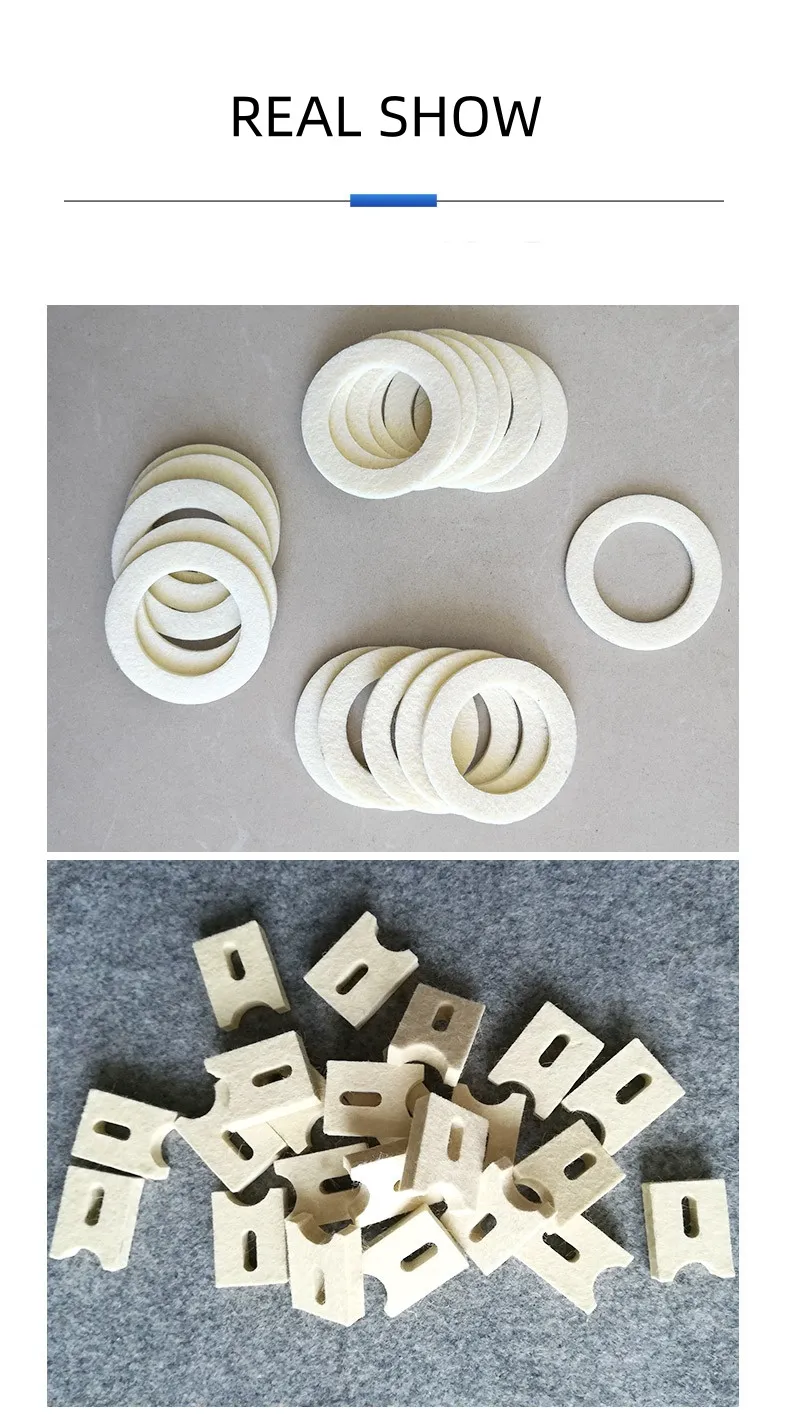
The wool felt wheel is a specialized abrasive tool utilized extensively in industrial polishing, buffing, and finishing processes. Positioned within the broader landscape of surface preparation technologies – encompassing grinding wheels, abrasive belts, and chemical polishing – the wool felt wheel differentiates itself through its capacity to deliver a high-quality, refined finish without generating excessive heat or damaging delicate materials. Its inherent flexibility and conformability allow it to access complex geometries and contours effectively. Core performance metrics include material removal rate (MRR), surface roughness (Ra), and the generation of heat during operation. The choice between different wool felt wheel densities, constructions, and treatments directly impacts its suitability for a specific application, ranging from the polishing of optical lenses to the final finishing of metal castings.
Material Science & Manufacturing
Wool felt wheels are fundamentally constructed from compressed wool fibers, typically sourced from sheep. The quality of the wool – fiber diameter, crimp, length, and tensile strength – significantly influences the wheel’s performance characteristics. Generally, finer wools produce smoother finishes, while coarser wools offer higher material removal rates. The manufacturing process begins with carding the wool to align the fibers. This is followed by layering and needling, a mechanical bonding process that interlocks the fibers to form a cohesive structure. Density control is critical; higher densities offer increased structural integrity and more consistent polishing, while lower densities provide greater flexibility. Chemical treatments are often applied to enhance properties such as oil absorption, heat resistance, and anti-static behavior. Binders, traditionally natural resins but increasingly synthetic polymers, contribute to long-term structural stability. The manufacturing tolerances pertaining to wheel dimensions (diameter, thickness, arbor hole size) are typically governed by industry standards to ensure compatibility with existing machinery. Raw material compatibility with polishing compounds (abrasives, lubricants) is also a critical consideration to prevent premature degradation of the wheel or surface defects.
Performance & Engineering
The performance of a wool felt wheel is governed by several engineering principles. Frictional force, determined by the normal load and coefficient of friction between the wheel and the workpiece, dictates the material removal rate. Heat generation, a byproduct of friction, must be carefully managed to avoid thermal distortion or damage to the workpiece. The wheel's geometry – diameter, face width, and fiber density – influences the contact area and pressure distribution. Proper wheel balancing is crucial to minimize vibrations and ensure consistent performance at high rotational speeds. Stress analysis during operation reveals that the wool fibers are subjected to both tensile and compressive stresses, leading to potential fatigue failure over time. Environmental factors, such as humidity and temperature, can affect the wheel's dimensional stability and polishing efficiency. Compliance with safety regulations, including maximum operating speed and personal protective equipment requirements, is paramount. Effective ventilation is necessary to remove airborne wool fibers generated during use, mitigating potential respiratory hazards.
Technical Specifications
| Diameter (inches) | Thickness (inches) | Arbor Hole Diameter (inches) | Maximum Operating Speed (RPM) |
|---|---|---|---|
| 6 | 1/2 | 1 | 3000 |
| 8 | 1 | 1 1/4 | 2500 |
| 10 | 1/2 | 1 1/2 | 2000 |
| 12 | 1 | 2 | 1800 |
| 14 | 1 1/2 | 2 1/2 | 1500 |
| 16 | 2 | 3 | 1200 |
Failure Mode & Maintenance
Wool felt wheels are susceptible to several failure modes. Fiber pull-out, caused by excessive force or abrasive compound buildup, reduces polishing efficiency and creates surface imperfections. Glazing, the compaction of fibers on the wheel’s surface, diminishes its cutting action. Heat buildup, resulting from excessive friction or inadequate cooling, can lead to fiber degradation and wheel distortion. Mechanical failure, such as cracking or delamination, can occur due to imbalanced operation or excessive wear. Contamination with foreign materials (metal particles, debris) accelerates wear and reduces polishing quality. Preventative maintenance includes regular cleaning to remove abrasive buildup and debris, proper balancing to minimize vibrations, and controlled operating speeds to prevent overheating. Visual inspection for fiber loss, glazing, and cracking should be performed before each use. If significant wear or damage is detected, the wheel should be replaced. Storage in a clean, dry environment protects the wool from moisture and contaminants.
Industry FAQ
Q: What is the optimal wool density for polishing hardened steel?
A: For polishing hardened steel, a higher density wool felt wheel is generally recommended. This provides greater structural integrity and allows for more consistent material removal without excessive fiber pull-out. A medium to fine wool grade will yield a smooth, mirror-like finish, while a coarser grade can be used for initial scratch removal. The choice also depends on the specific steel alloy and the desired surface roughness.
Q: How do I prevent glazing when using abrasive compounds?
A: Glazing occurs when abrasive particles become embedded within the wool fibers, compacting them and reducing cutting efficiency. To prevent this, regularly clean the wheel using a wire brush or compressed air to remove embedded particles. Consider using a lubricating compound to reduce friction and heat buildup. Also, ensure the abrasive compound is compatible with the wool felt wheel material.
Q: What safety precautions should be taken when operating a wool felt wheel?
A: Always wear appropriate personal protective equipment (PPE), including safety glasses, a dust mask, and hearing protection. Ensure the wheel is properly balanced and securely mounted on the machine. Never exceed the maximum operating speed specified by the manufacturer. Maintain a clean and well-ventilated work area to minimize exposure to airborne wool fibers. Inspect the wheel for damage before each use.
Q: How does humidity affect the performance of a wool felt wheel?
A: High humidity can cause the wool fibers to absorb moisture, leading to reduced stiffness and polishing efficiency. In humid environments, it may be necessary to use a drier grade of wool or to pre-dry the wheel before use. Conversely, extremely low humidity can cause the fibers to become brittle and prone to breakage.
Q: What is the lifespan of a typical wool felt wheel?
A: The lifespan of a wool felt wheel varies significantly depending on the frequency of use, the type of materials being polished, and the abrasives employed. With proper maintenance, a well-constructed wheel can last for several months to a year. However, regular inspection for wear and damage is crucial, and the wheel should be replaced when its performance degrades or structural integrity is compromised.
Conclusion
The wool felt wheel remains a critical component in a diverse range of industrial finishing operations due to its unique ability to deliver high-quality, controlled polishing action. Its performance is intricately linked to the material science of wool, the precision of its manufacturing processes, and adherence to rigorous engineering principles. Understanding the potential failure modes and implementing proactive maintenance strategies are paramount to maximizing its lifespan and ensuring consistent results.
Looking forward, advancements in wool fiber treatments and bonding technologies promise to further enhance the durability, efficiency, and performance of wool felt wheels. Continued research into optimal abrasive compound compatibility and novel wheel geometries will contribute to the development of specialized tools tailored to increasingly demanding applications. The enduring relevance of the wool felt wheel lies in its versatility and its capacity to achieve finishes that are often unattainable with alternative abrasive technologies.


 English
  Afrikaans
  Albanian
  Amharic
  Arabic
  Armenian
  Azerbaijani
  Basque
  Belarusian
  Bengali
  Bosnian
  Bulgarian
  Catalan
  Cebuano
  Corsican
  Croatian
  Czech
Czech  Danish
  Dutch
Dutch  Esperanto
  Estonian
  Finnish
  French
  Frisian
  Galician
  Georgian
  German
  Greek
Greek  Gujarati
  Haitian Creole
  Hausa
Hausa  Hebrew
  Hindi
Hindi  Miao
Miao  Hungarian
  Icelandic
  Igbo
Igbo  Indonesian
  Irish
Irish  Italian
  Japanese
  Javanese
  Kazakh
  Khmer
Khmer  Rwandese
  Korean
  Kurdish
  Kyrgyz
  Lao
Lao  Latin
Latin  Latvian
  Lithuanian
  Luxembourgish
  Macedonian
  Malgashi
  Malay
Malay  Malayalam
  Maltese
  Maori
Maori  Marathi
  Mongolian
  Myanmar
  Nepali
  Norwegian
  Norwegian
  Occitan
  Pashto
  Persian
  Polish
  Portuguese
  Romanian
  Russian
  Samoan
  Scottish Gaelic
  Serbian
  Sesotho
  Shona
Shona  Sindhi
  Sinhala
  Slovak
  Slovenian
  Somali
  Spanish
  Sundanese
  Swahili
  Swedish
  Tajik
Tajik  Tamil
Tamil  Tatar
Tatar  Telugu
  Thai
Thai  Turkish
  Turkmen
  Ukrainian
  Urdu
Urdu  Uighur
  Uzbek
Uzbek  Vietnamese
  Welsh
Welsh  Bantu
Bantu  Yiddish
  Yoruba
  Zulu
Zulu