
Combine Harvester: Essential Machinery for Modern Agriculture
A combine harvester is used for the efficient harvesting of crops, integrating several harvesting processes into one machine. This vital piece of agricultural equipment is designed to cut, thresh, and clean grain crops, significantly reducing labor costs and time spent on harvesting. With the ability to handle a variety of crops, from wheat and barley to soybeans and corn, a combine harvester is indispensable in modern farming operations.
Key Features
- Multi-Functionality: A combine harvester is used for cutting, threshing, and winnowing, making it a versatile tool for farmers.
- High Efficiency: Designed for speed and effectiveness, these machines can harvest large areas in a fraction of the time required for traditional methods.
- Advanced Technology: Equipped with GPS and automated systems, modern combine harvesters enhance precision and reduce crop losses.
- Robust Design: Built to withstand harsh agricultural environments, they offer durability and reliability.
- Easy Maintenance: User-friendly design ensures that maintenance can be performed quickly and efficiently, minimizing downtime.
Technical Specifications
| Specification | Details |
|---|---|
| Engine Power | 250 - 500 HP |
| Cutting Width | 3.6 - 12 meters |
| Fuel Capacity | 200 - 600 liters |
| Grain Tank Capacity | 1000 - 1500 liters |
| Weight | 8,000 - 15,000 kg |
| Harvesting Speed | 0 - 10 km/h |
Application Scenarios
A combine harvester is used for a wide range of agricultural applications, making it suitable for various farming conditions:
- Cereal Crops: Perfect for harvesting wheat, barley, and oats, enhancing productivity in grain farming.
- Row Crops: Effectively harvests corn and soybeans, offering flexibility for diversified farms.
- Oilseeds: Ideal for harvesting oilseed crops like canola and sunflower, ensuring maximum yield.
- Pulse Crops: Efficiently collects legumes such as peas and lentils, reducing manual labor.
- Custom Farming: Used by agricultural service providers for contract harvesting, maximizing operational efficiency.
Advantages
Investing in a combine harvester brings numerous advantages that enhance agricultural productivity:
- Time Savings: A combine harvester is used for reducing the time taken to harvest crops, allowing farmers to bring in their harvest quickly, especially during tight harvest windows.
- Labor Reduction: The automation of harvesting processes minimizes labor requirements, lowering overall operational costs.
- Improved Crop Quality: With careful handling and processing, a combine harvester helps maintain the quality of harvested grains, reducing damage and loss.
- Increased Yield: By harvesting at the optimal time and with precision, farmers can achieve higher yields and better profitability.
- Versatility: Capable of handling a variety of crops, a combine harvester is a valuable asset for mixed farming operations.
Why Choose Us
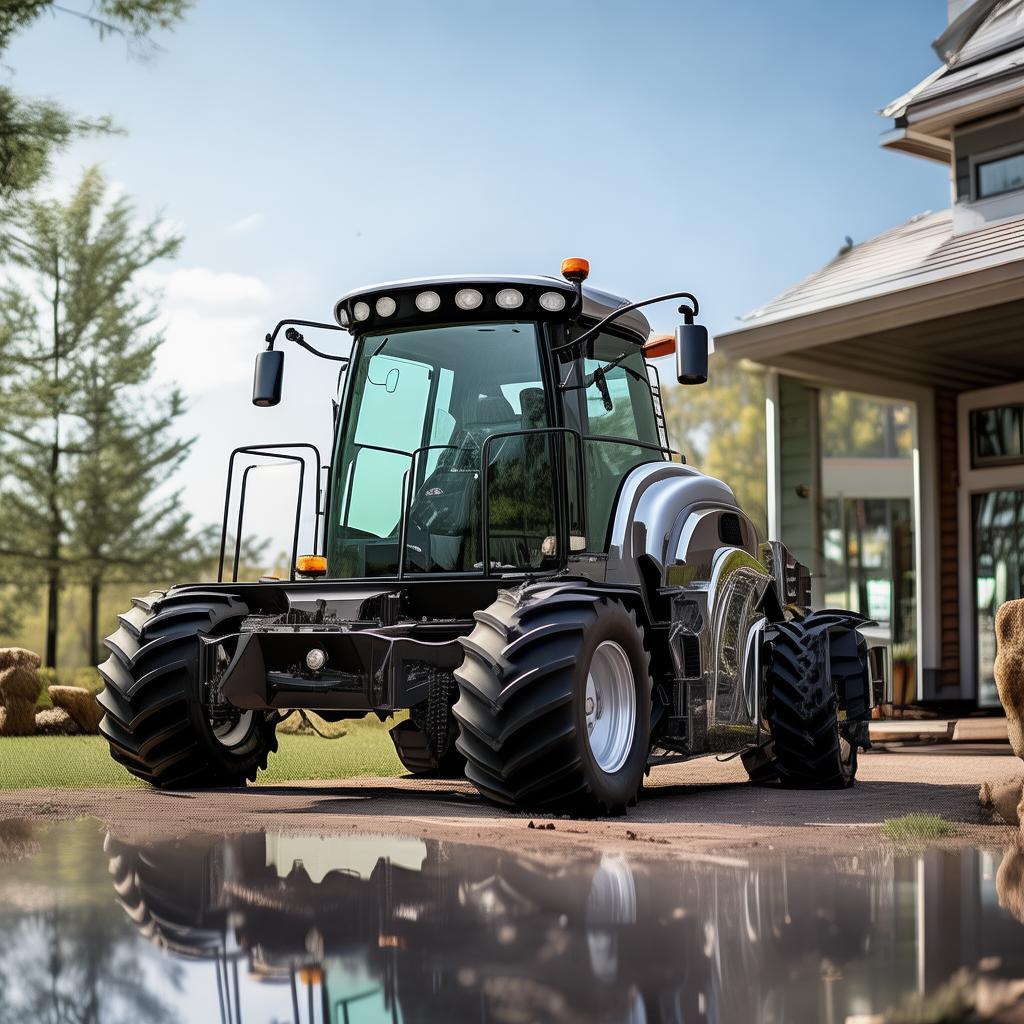
Our company specializes in providing high-quality combine harvesters that meet the demands of modern agriculture. We pride ourselves on:
- Quality Assurance: All our machines undergo rigorous testing to ensure reliability and performance.
- Expert Support: Our knowledgeable team is available to assist with product selection, maintenance, and operation training.
- Custom Solutions: We offer a range of models tailored to various agricultural needs, ensuring the right fit for your farm.
- Competitive Pricing: We provide value for money without compromising on quality, making our combine harvesters accessible to a wide range of farmers.
- Sustainability Commitment: Our machines are designed to minimize environmental impact while maximizing efficiency.
FAQ
What crops can a combine harvester be used for?
A combine harvester is used for a variety of crops including cereals, row crops, oilseeds, and pulse crops, making it a versatile tool for farmers.
How does a combine harvester work?
The combine harvester operates by cutting the crop, threshing the grain from the chaff, and cleaning the grain, all in one pass. This process significantly streamlines the harvesting operation.
What is the maintenance required for a combine harvester?
Regular maintenance includes checking and replacing filters, lubricating moving parts, calibrating settings, and inspecting the cutting and threshing mechanisms to ensure optimal performance.
Can a combine harvester be used in wet conditions?
While it’s recommended to harvest when crops are dry, many modern combine harvesters are designed to operate in slightly wet conditions. However, excessive moisture can lead to grain spoilage and reduced quality.
What is the average lifespan of a combine harvester?
With proper maintenance, a combine harvester can last anywhere from 10 to 15 years, depending on usage and care. Regular servicing and timely repairs can extend its operational life.


 English
  Afrikaans
  Albanian
  Amharic
  Arabic
  Armenian
  Azerbaijani
  Basque
  Belarusian
  Bengali
  Bosnian
  Bulgarian
  Catalan
  Cebuano
  Corsican
  Croatian
  Czech
Czech  Danish
  Dutch
Dutch  Esperanto
  Estonian
  Finnish
  French
  Frisian
  Galician
  Georgian
  German
  Greek
Greek  Gujarati
  Haitian Creole
  Hausa
Hausa  Hebrew
  Hindi
Hindi  Miao
Miao  Hungarian
  Icelandic
  Igbo
Igbo  Indonesian
  Irish
Irish  Italian
  Japanese
  Javanese
  Kazakh
  Khmer
Khmer  Rwandese
  Korean
  Kurdish
  Kyrgyz
  Lao
Lao  Latin
Latin  Latvian
  Lithuanian
  Luxembourgish
  Macedonian
  Malgashi
  Malay
Malay  Malayalam
  Maltese
  Maori
Maori  Marathi
  Mongolian
  Myanmar
  Nepali
  Norwegian
  Norwegian
  Occitan
  Pashto
  Persian
  Polish
  Portuguese
  Romanian
  Russian
  Samoan
  Scottish Gaelic
  Serbian
  Sesotho
  Shona
Shona  Sindhi
  Sinhala
  Slovak
  Slovenian
  Somali
  Spanish
  Sundanese
  Swahili
  Swedish
  Tajik
Tajik  Tamil
Tamil  Tatar
Tatar  Telugu
  Thai
Thai  Turkish
  Turkmen
  Ukrainian
  Urdu
Urdu  Uighur
  Uzbek
Uzbek  Vietnamese
  Welsh
Welsh  Bantu
Bantu  Yiddish
  Yoruba
  Zulu
Zulu