
Combine in Farming
The combine in farming is an essential piece of agricultural machinery designed to streamline the harvesting process. This versatile equipment integrates multiple functions, including reaping, threshing, and winnowing, all in one machine. By utilizing advanced technology and engineering, our combines offer unparalleled efficiency and productivity, enabling farmers to maximize their yields while minimizing labor costs.
Key Features
- Multi-functional Design: Combines reaping, threshing, and winnowing into one machine, reducing the need for multiple pieces of equipment.
- Advanced Technology: Equipped with the latest sensors and automation for improved performance and ease of use.
- High Capacity: Designed to handle large volumes of crops efficiently, ensuring fast and effective harvesting.
- Durability: Built with high-quality materials to withstand harsh agricultural environments and provide long-lasting performance.
- Operator Comfort: Ergonomically designed cabin with intuitive controls and climate control systems for a comfortable working environment.
Technical Specifications
| Specification | Details |
|---|---|
| Model | XYZ-1234 |
| Engine Power | 250 HP |
| Grain Tank Capacity | 3000 liters |
| Cutting Width | 7.5 meters |
| Weight | 10,500 kg |
| Fuel Tank Capacity | 300 liters |
| Dimensions | Length: 8.5m, Width: 3.2m, Height: 3.5m |
Application Scenarios
The combine in farming is suitable for a variety of agricultural settings, including:
- Cereal Crops: Ideal for wheat, barley, oats, and rice harvesting, providing efficient grain collection and processing.
- Oilseed Crops: Effectively harvests canola, soybeans, and sunflowers, ensuring a high-quality yield.
- Pulse Crops: Suitable for lentils, peas, and chickpeas, maximizing productivity in legume farming.
- Grass and Forage: Efficiently collects grass and other forage crops, essential for livestock feed.
Advantages
Investing in a combine in farming offers numerous advantages:
- Time Efficiency: Reduces harvesting time significantly, allowing for timely planting of subsequent crops.
- Cost Savings: By combining multiple functions, it minimizes labor and fuel costs associated with traditional harvesting methods.
- Improved Crop Quality: Precise harvesting mechanisms reduce crop damage, ensuring higher quality produce.
- Enhanced Precision: Advanced technology enables better control over the harvesting process, optimizing yield and minimizing losses.
- Flexibility: Adaptable to various crop types and field conditions, making it a versatile tool for diverse agricultural practices.
Why Choose Us
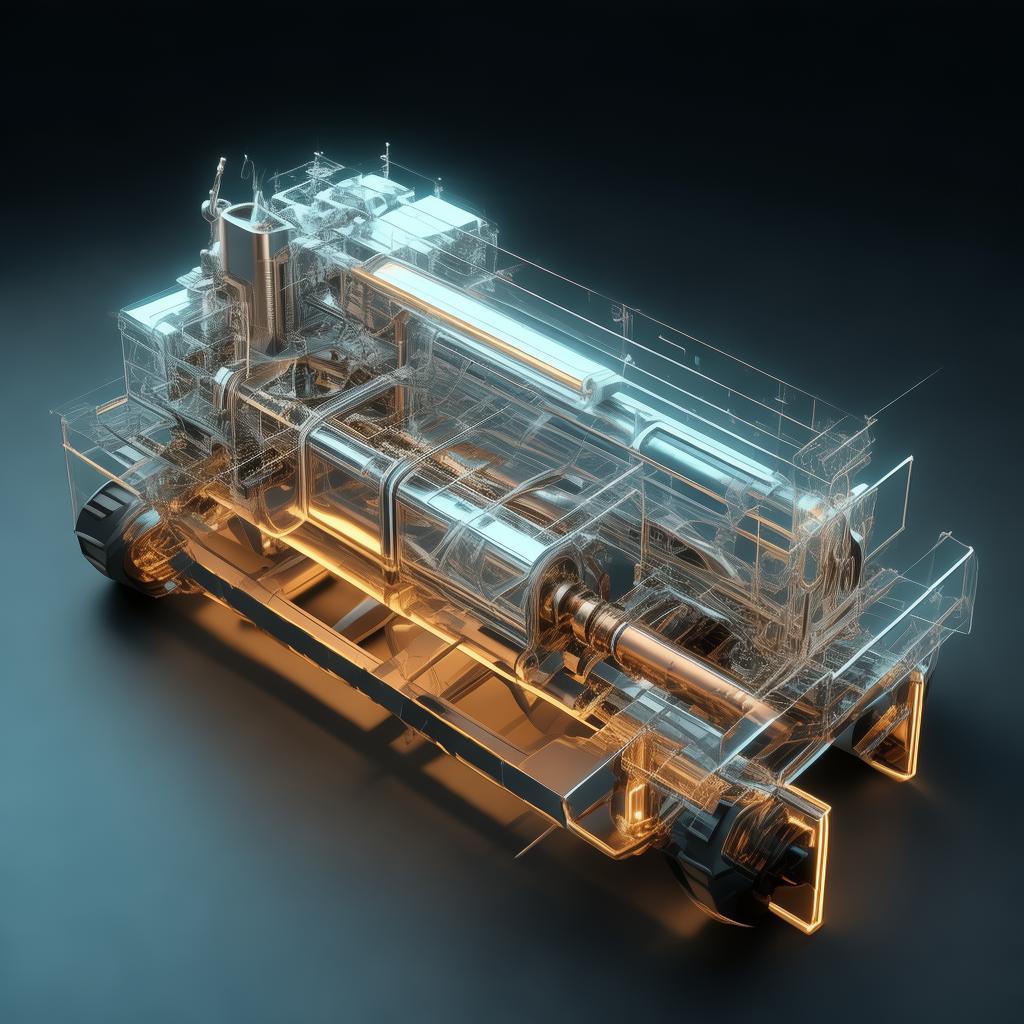
As a leader in agricultural machinery, we pride ourselves on delivering high-quality and reliable products that meet the needs of modern farmers. When you choose our combine in farming, you benefit from:
- Expertise: Years of experience in the agricultural sector, ensuring our products are designed with farmers' needs in mind.
- Customer Support: Dedicated support team available to assist with any inquiries or technical issues you may encounter.
- Custom Solutions: Ability to tailor machinery to specific requirements, ensuring optimal performance and satisfaction.
- Global Reach: We serve clients across the globe, offering international shipping and support to meet diverse agricultural needs.
FAQ
1. What is a combine in farming?
A combine in farming is a machine that combines three operations—reaping, threshing, and winnowing—into one, making the harvesting process more efficient.
2. Can the combine handle different crop types?
Yes, our combines are designed to be versatile and can efficiently harvest a variety of crops, including cereals, oilseeds, and pulses.
3. What maintenance is required for a combine?
Regular maintenance includes checking oil levels, cleaning filters, and inspecting belts and hoses. It’s advisable to follow the manufacturer's guidelines for specific maintenance schedules.
4. How does a combine improve harvesting efficiency?
By integrating multiple functions in one machine, a combine reduces the time and labor needed for harvesting, allowing for quicker turnaround between planting and harvesting cycles.
5. What is the expected lifespan of a combine?
With proper maintenance, a combine can last for many years, typically ranging from 10 to 20 years depending on usage and care.


 English
  Afrikaans
  Albanian
  Amharic
  Arabic
  Armenian
  Azerbaijani
  Basque
  Belarusian
  Bengali
  Bosnian
  Bulgarian
  Catalan
  Cebuano
  Corsican
  Croatian
  Czech
Czech  Danish
  Dutch
Dutch  Esperanto
  Estonian
  Finnish
  French
  Frisian
  Galician
  Georgian
  German
  Greek
Greek  Gujarati
  Haitian Creole
  Hausa
Hausa  Hebrew
  Hindi
Hindi  Miao
Miao  Hungarian
  Icelandic
  Igbo
Igbo  Indonesian
  Irish
Irish  Italian
  Japanese
  Javanese
  Kazakh
  Khmer
Khmer  Rwandese
  Korean
  Kurdish
  Kyrgyz
  Lao
Lao  Latin
Latin  Latvian
  Lithuanian
  Luxembourgish
  Macedonian
  Malgashi
  Malay
Malay  Malayalam
  Maltese
  Maori
Maori  Marathi
  Mongolian
  Myanmar
  Nepali
  Norwegian
  Norwegian
  Occitan
  Pashto
  Persian
  Polish
  Portuguese
  Romanian
  Russian
  Samoan
  Scottish Gaelic
  Serbian
  Sesotho
  Shona
Shona  Sindhi
  Sinhala
  Slovak
  Slovenian
  Somali
  Spanish
  Sundanese
  Swahili
  Swedish
  Tajik
Tajik  Tamil
Tamil  Tatar
Tatar  Telugu
  Thai
Thai  Turkish
  Turkmen
  Ukrainian
  Urdu
Urdu  Uighur
  Uzbek
Uzbek  Vietnamese
  Welsh
Welsh  Bantu
Bantu  Yiddish
  Yoruba
  Zulu
Zulu